
Why location matters for horse owners
Buying horse property is often mistaken for a real estate transaction, but it is really an infrastructure evaluation. The land provides the space, but the city provides the ecosystem. A property in a rural void might offer acreage, but it can lack the veterinary specialists, feed suppliers, and trail networks that make daily horse care manageable.
Climate suitability is the first filter. States like California, Florida, and Kentucky rank high not just for scenery, but for year-round riding conditions and pasture growth. However, climate alone does not guarantee success. You need a location where zoning laws permit stabling and where local ordinances support the noise and activity inherent to equestrian life.
Community and services form the second layer. Leading equestrian hubs like Ocala, Florida; Aiken, South Carolina; and Lexington, Kentucky, are recognized because they have built entire economies around horse care. This density means you have access to specialized farriers, equine veterinarians, and feed stores within a short drive. In contrast, scattered rural towns may force you to drive hours for basic supplies.
Key factors: When evaluating a city, prioritize climate, trail access, veterinary services, and zoning laws. These elements determine whether your horse’s needs are met locally or require constant travel.
The best horse-friendly cities balance natural terrain with human infrastructure. They offer the wide-open spaces you want for your property while keeping essential services close. This balance reduces stress for both you and your horse, turning daily care into a routine rather than a logistical challenge.
10 Horse-Friendly Cities in the US for Your Perfect Property
Finding the right location is only half the battle; securing the proper gear is what makes your new property truly livable for your equine partner. We have curated a selection of essential equipment, from durable fencing solutions to specialized tack, to ensure your investment in one of these ten cities is fully supported by practical, high-quality products.
-
Ocala Florida Equestrian Gear Essentials
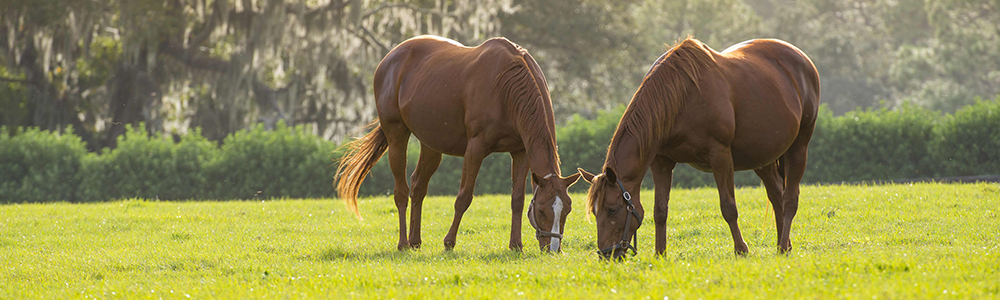
Ocala’s humid climate demands breathable, durable tack that withstands intense summer heat. Prioritize moisture-wicking saddle pads and lightweight, ventilated helmets to keep riders cool during daily trail rides. Look for synthetic ropes and nylon halters that resist mold and mildew in the high humidity. Investing in high-quality fly masks and sweat-absorbing bandages protects horses from pests and chafing, ensuring comfort during long, sweaty sessions in the Florida sun. -

Aiken South Carolina Stable Supplies
Aiken’s winter training season requires robust stable infrastructure to handle large, active thoroughbreds. Focus on heavy-duty rubber stall mats that provide cushioning and slip resistance on concrete floors. Durable, easy-to-clean feed bins and automatic waterers streamline daily management for busy barns. Select weather-resistant grooming tools and heavy-duty brushes that maintain their integrity despite frequent use, ensuring your stable remains organized and efficient during the peak training months. -

Wellington Florida Show Jumping Equipment
Wellington’s competitive show circuit necessitates precision gear for high-level jumping disciplines. Invest in adjustable, shock-absorbing jumping boots to protect tendons from impact during intense competition rounds. Choose lightweight, aerodynamic saddle pads with secure fit systems to prevent shifting at speed. High-visibility safety vests and certified helmets are non-negotiable for rider protection. Selecting durable, easy-to-clean jump cups and standards ensures your equipment withstands the rigorous demands of frequent tournament participation. -
Middleburg Virginia Traditional Riding Attire
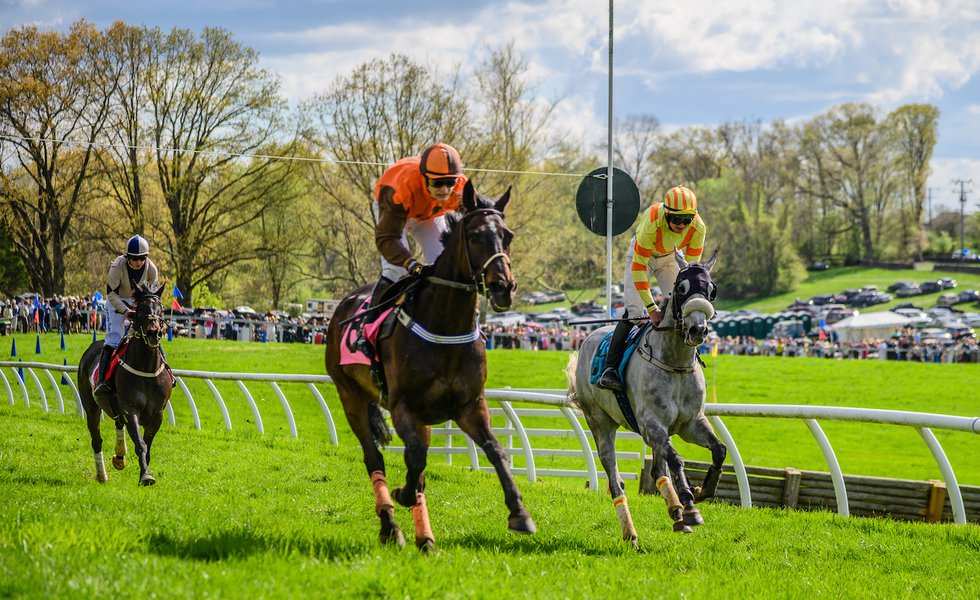
Middleburg’s rich hunting tradition calls for classic, functional riding attire that meets formal field standards. Opt for high-quality, breathable wool or technical fabric hunt coats that offer warmth without bulk. Pair these with durable, reinforced breeches designed for long hours in the saddle and frequent mounting. Traditional tall boots with secure ankle support complete the ensemble, providing necessary protection while adhering to the area’s conservative equestrian aesthetic and practical field requirements. -
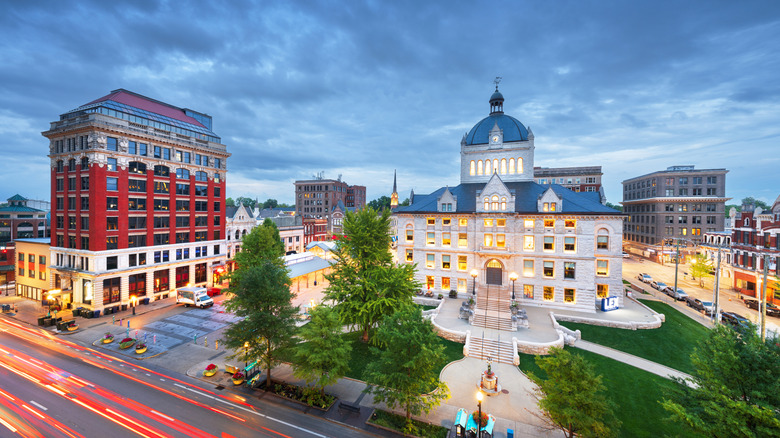
Lexington Kentucky Thoroughbred Care Products
Lexington’s status as the Horse Capital requires specialized care products for high-value thoroughbreds. Utilize premium joint supplements and targeted muscle recovery balms to maintain peak athletic condition. Select gentle, pH-balanced shampoos that preserve coat shine without stripping natural oils. High-quality hoof picks and durable farrier tools are essential for daily maintenance. Investing in reliable, easy-to-read health monitoring logs helps track each horse’s specific care regimen, ensuring consistent wellness and performance in a competitive environment. -

Santa Ynez Valley California Trail Gear
Riding through Santa Ynez Valley demands gear that handles dusty, sun-baked terrain without overheating. Prioritize breathable, moisture-wicking saddle pads like the EquiFit FlexiFlex to protect your horse’s back during long trail rides. Pair this with a ventilated mesh fly mask, such as the LeMieux Superfly, to shield eyes from intense sunlight and biting insects. These specific items ensure comfort and safety while navigating the region’s scenic, rugged equestrian paths. -
Paso Robles California Warm Climate Tack
Paso Robles’ hot, dry climate requires tack designed for heat management and durability. Select a lightweight, open-cell foam saddle pad, such as the Wintec 500, which allows critical airflow to prevent sweating and chafing. Complement this with a cooling sheet made from breathable, evaporative fabric to help regulate body temperature after strenuous activity. These specific products address the unique thermal challenges of warm-weather riding in California’s central coast regions. -
:max_bytes(150000):strip_icc()/40143706_10156498809393971_1672131691474321408_n1-17885e90f17141de9453ae182a663a32.jpg)
Bandera Texas Cowboy Rodeo Accessories
Bandera, the Cowboy Capital of the World, requires rugged accessories built for high-impact rodeo work. Invest in heavy-duty leather chaps with reinforced stitching, like those from Ariat, to protect legs from brush and rope burns during cattle work. Pair these with a durable, high-impact helmet, such as the Joe Rocket Phantom 3.0, ensuring head safety during fast-paced events. These specific items provide the necessary protection and durability for authentic Texas rodeo environments. -
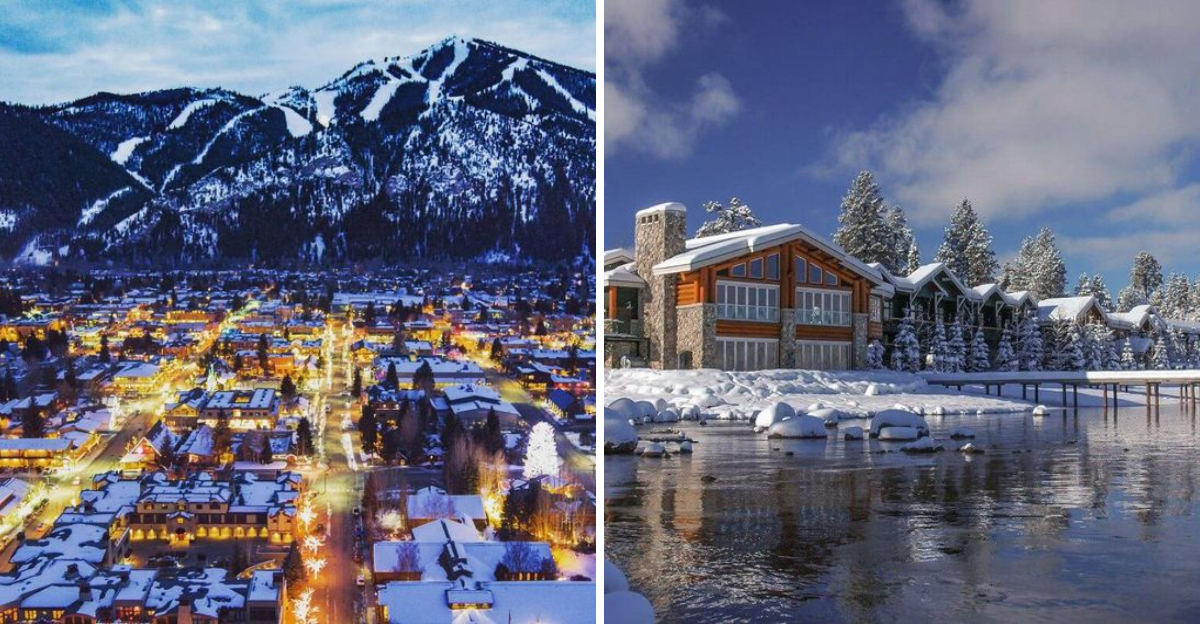
Hailey Idaho Mountain Trail Equipment
Hailey’s high-altitude, rocky trails demand specialized equipment for traction and stability. Use horseshoes with deep, aggressive tread patterns, such as those from Munn Horseshoeing, to grip loose gravel and steep inclines effectively. Add protective boots with rigid side walls, like the EasyCare Easyboot Glue-In, to shield hooves from sharp rocks and uneven terrain. These specific tools ensure secure footing and hoof protection in Idaho’s challenging mountainous equestrian landscapes. -
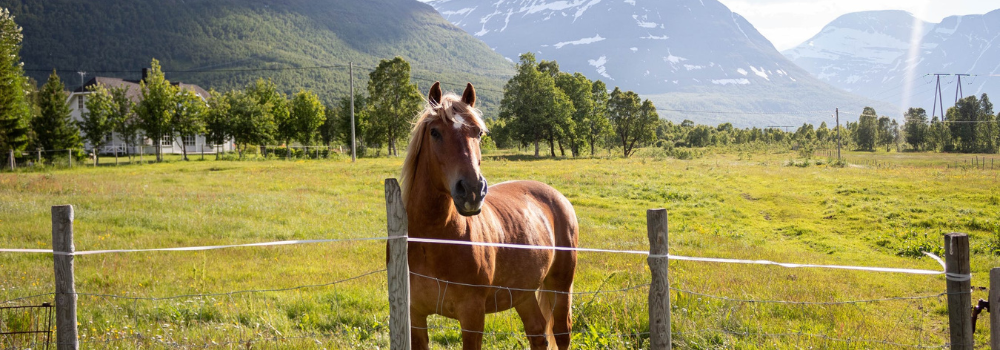
General US Horse Property Essentials
Across the US, maintaining a safe horse property requires versatile, foundational gear. Stock up on heavy-duty, non-slip rubber stall mats, such as those from Rubber Cal, to protect flooring and reduce joint strain. Keep a comprehensive first-aid kit, like the Sentry Equine First Aid Kit, stocked with wound cleansers and bandages for immediate emergency response. These universal essentials form the backbone of responsible horse ownership and property management nationwide.
Compare horse property costs and features
Finding the right city involves balancing your budget with the specific equestrian lifestyle you want. Some locations offer world-class training facilities but carry a high price tag, while others provide affordable acreage with a more relaxed community vibe. Use the table below to compare climate, average land costs, and primary equestrian focus across the top destinations.
The data highlights a clear trade-off: premium show towns like Wellington and Rancho Santa Fe command luxury prices, whereas hubs like Ocala and Lexington offer more accessible entry points for serious horse owners. Consider where you want to ride most days—whether that is a climate-controlled arena or open trails—before committing to a location.
Essential gear for your new horse home
Moving to a horse-friendly city is only the first step. Once your property is settled, you need the right equipment to keep your animal safe and comfortable. The best gear for your new horse home balances durability with everyday practicality, ensuring you are prepared for daily chores and trail rides.
Start with reliable grooming supplies. A well-organized grooming kit helps maintain coat health and allows you to check for injuries or parasites during routine care. Look for kits that include sturdy brushes, hoof picks, and a sweat scraper. For tack, a properly fitted saddle and bridle are non-negotiable. Always prioritize quality materials that withstand regular use without compromising your horse's comfort.
Don't overlook stable essentials. Durable feed buckets, water containers, and fly spray are daily necessities that make a significant difference in management. A good first-aid kit for both you and your horse should also be stocked and easily accessible. Investing in these core items early creates a smooth transition into equestrian living.


As an Amazon Associate, we may earn from qualifying purchases.
Frequently asked questions about horse cities
What cities are horse cities?
Certain locations have built their identity around equestrian culture. Ocala, Florida, is widely known as the "Horse Capital of The World," hosting a dense concentration of thoroughbred farms and showgrounds. Aiken, South Carolina, is another major hub, particularly for thoroughbred training during the winter season. Wellington, Florida, draws international attention for its high-level horse shows, while Louisville, Kentucky, remains synonymous with the sport through the Kentucky Derby and historic breeding farms.
What state is the most horse friendly?
Several states offer ideal conditions for horse ownership, often due to climate, land availability, and community support. California ranks highly for its mild year-round weather and scenic riding trails. Florida is also a top choice, offering extensive facilities and a strong showing circuit. Texas, Kentucky, and Colorado round out the top five, providing vast open spaces, established equestrian communities, and favorable terrain for trail riding and ranch work.
Where are the best small towns for horse communities?
Beyond the major metropolitan hubs, many smaller towns offer tight-knit equestrian communities. In New York, the Hudson Valley region—spanning towns like Rhinebeck, New Paltz, and Millbrook—features a high density of horse farms and riding trails. Other notable small towns include Norco, California, known for its western riding culture; Hailey, Idaho, which offers mountain trails; and Bandera, Texas, often called the "Cowboy Capital of The World" for its ranching heritage.
No comments yet. Be the first to share your thoughts!