
The shift toward smart barns
Horse property management is undergoing a quiet revolution. We’re seeing a significant shift towards incorporating smart technology into everyday barn operations, and 2026 feels like a tipping point. This isn’t a sudden change, but rather the culmination of several factors: consistently increasing property values, a growing shortage of reliable farm labor, and a desire among horse owners for greater peace of mind, knowing their animals are safe and well cared for even when they're away.
Traditionally, managing a horse property has involved a lot of manual effort and record-keeping. The California Board of Equalization’s Horse Property Statement, for example, illustrates the detailed documentation owners have always needed to track costs and property information as of January 1st annually. These systems, while necessary, are time-consuming. Now, technology offers a way to streamline these processes and automate many of the tasks that once required constant attention.
The systems available range from relatively simple automated feeders and waterers to comprehensive, AI-powered platforms that monitor every aspect of the barn environment and horse health. These aren’t just gadgets; they’re integrated solutions designed to improve efficiency, reduce risk, and enhance the overall quality of life for both horses and their owners. We’re seeing interest grow across all types of equestrian properties, from small hobby farms to large breeding operations.
Monitoring and automation basics
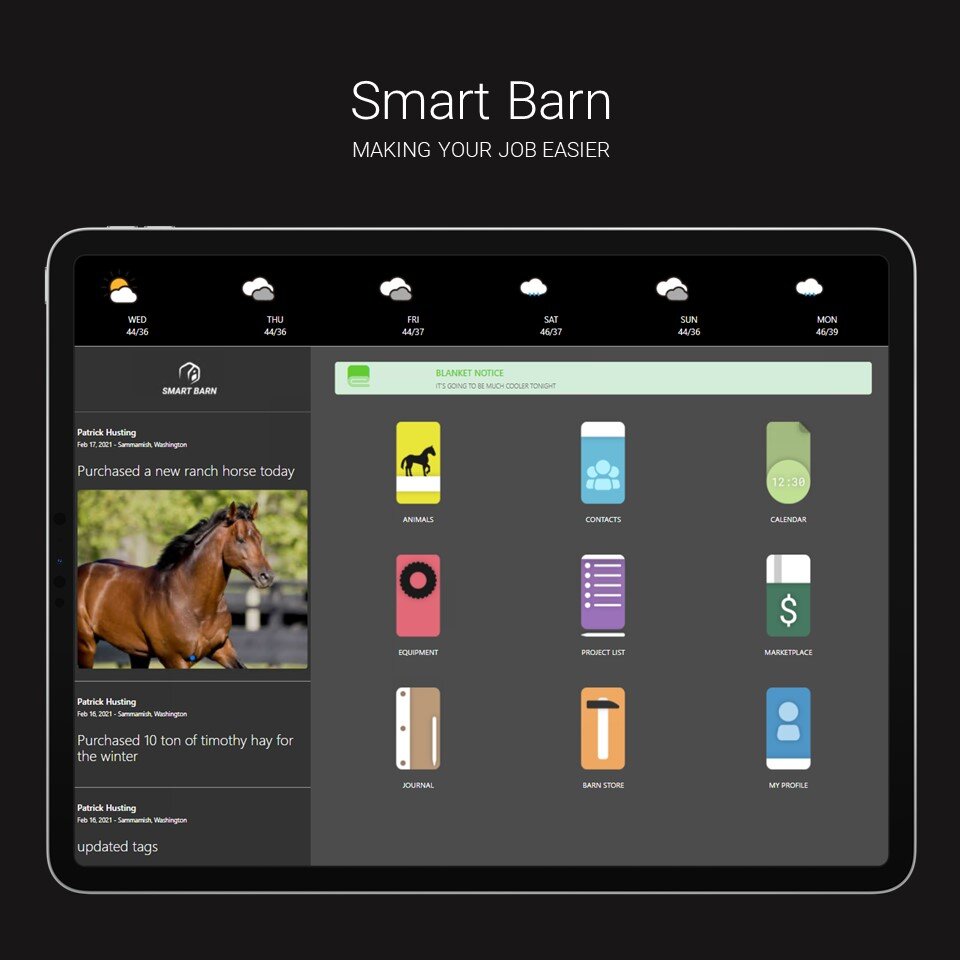
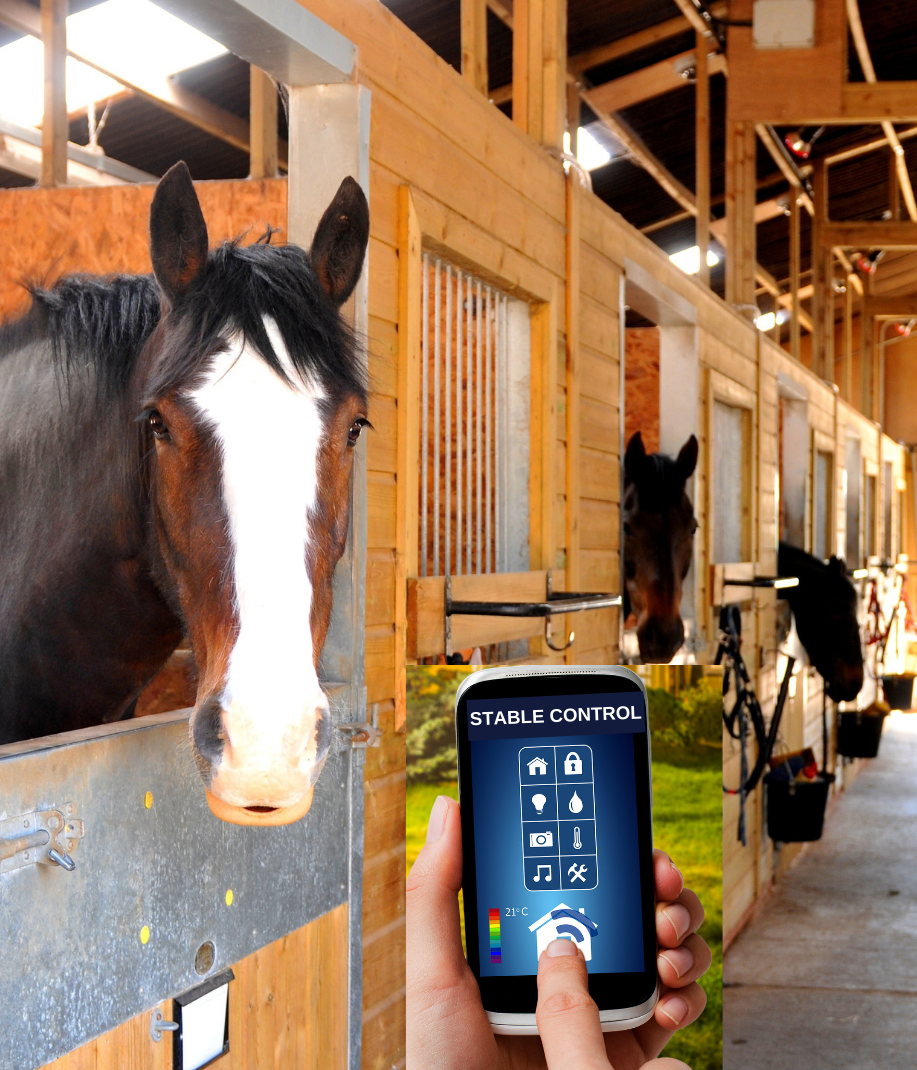
At the heart of any smart barn system are the sensors and automated devices that collect data and perform routine tasks. Stall monitoring is a key component, with sensors tracking temperature, humidity, ammonia levels, and even the horse’s movement patterns. This data provides valuable insights into the horse’s comfort and well-being, and can alert owners to potential problems before they become serious.
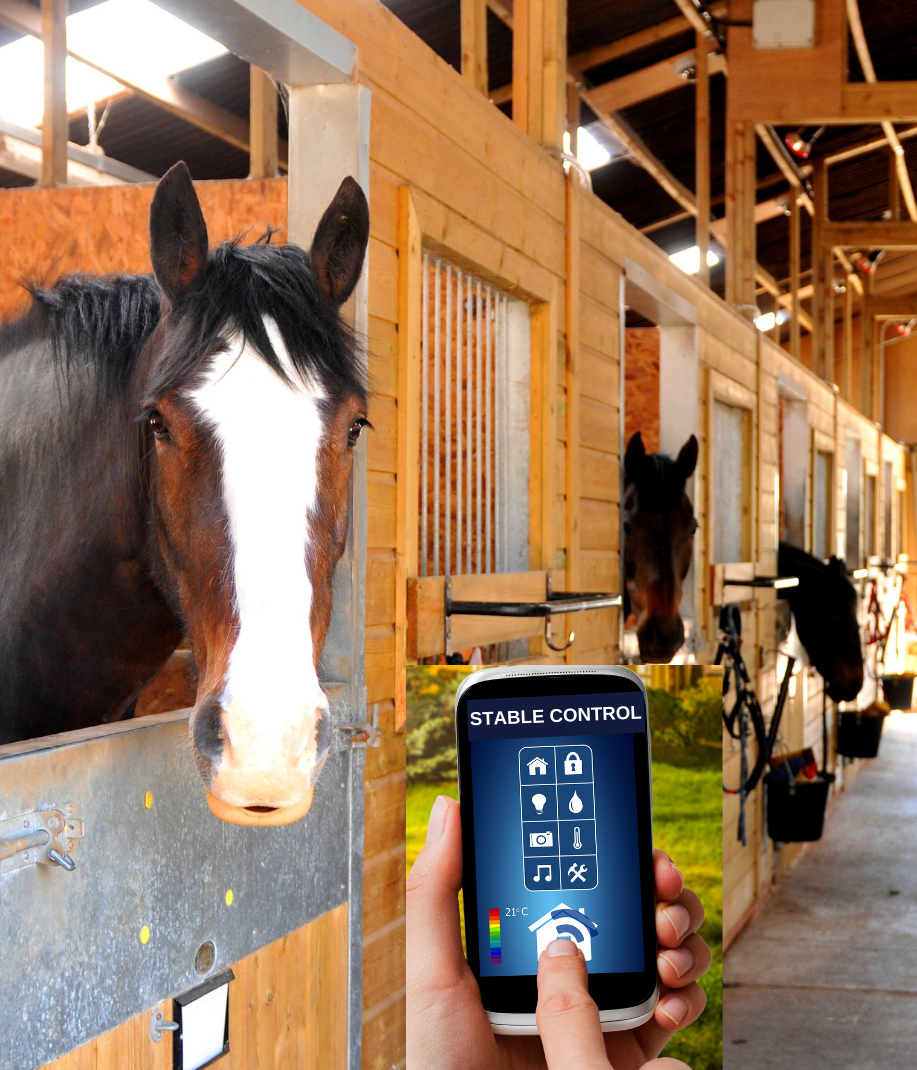
Automated feeding and watering systems are equally important, ensuring that horses receive the correct amount of food and water at the right time, even when the owner is unavailable. Many systems allow for customized feeding schedules based on individual horse needs, taking into account factors like age, weight, and activity level. Remote access control, allowing owners to lock and unlock barn doors or gates from their smartphones, adds another layer of convenience and security.
The benefits extend beyond simple convenience. Early detection of illness or distress is a major advantage. For example, a sudden decrease in a horse’s movement, combined with a rise in stall temperature, could be an early sign of colic. These systems don’t replace veterinary care, but they can provide valuable information that helps owners make informed decisions and seek treatment promptly. They simply reduce daily chores and improve horse welfare.
These systems aren’t just about automating tasks; they’re about providing owners with greater control and visibility over their horse property. They allow for more proactive and responsive management, leading to healthier, happier horses.
Using AI for barn data
The real power of these systems lies in their ability to analyze the data they collect and provide actionable insights. This is where Artificial Intelligence (AI) comes into play. The collected data – temperature, humidity, feeding patterns, movement – isn’t just stored; it’s analyzed to identify trends and predict potential problems.
Predictive maintenance is one example. By monitoring the performance of equipment like water heaters and feeders, the system can anticipate when maintenance is needed, preventing costly breakdowns and ensuring that critical systems remain operational. Optimized feeding schedules, tailored to each horse’s individual needs, can improve their health and performance.
AI provides early warnings for health problems by analyzing subtle changes in behavior or vital signs before they are visible to the eye. These systems don't replace a vet, but they flag concerns early by identifying patterns humans often miss.
The goal is to use this data for better decisions and improved horse care.
- Predictive maintenance to anticipate equipment failures
- Optimized feeding to tailor diets to individual horse needs
- Early health warnings to detect problems before they escalate
Security and safety
Beyond horse health and operational efficiency, smart barn systems offer significant security benefits. Remote video monitoring allows owners to check on their property from anywhere in the world, providing a visual deterrent to theft and vandalism. Automated gate control systems can be programmed to restrict access to authorized personnel only.
Alerts for unusual activity – such as a gate being opened outside of scheduled hours or unexpected movement within the barn – provide an additional layer of protection. These alerts can be sent directly to the owner’s smartphone, allowing for a rapid response. It’s a significant improvement over relying solely on traditional security measures.
The peace of mind these features offer is invaluable. Knowing that your horses and property are protected, even when you’re away, can greatly reduce stress and anxiety. Many systems can also be integrated with local emergency services, automatically dispatching help in the event of a fire or other emergency.
Integration and compatibility
Implementing these systems isn’t always straightforward. Compatibility with existing barn infrastructure is a key consideration. Older barns may require modifications to accommodate the sensors and automated devices. Reliable internet connectivity is also essential, as most systems rely on a stable connection to transmit data and receive updates.
Professional installation is usually necessary. While some systems are marketed as DIY, a pro ensures the sensors integrate with existing barn infrastructure correctly.
There’s also the question of open standards versus proprietary systems. Open standards allow for greater flexibility and interoperability, while proprietary systems may offer tighter integration but limit your options for future upgrades and expansions. Carefully consider your long-term needs before making a decision.
Integration Approach Comparison: AI-Powered Barn Management Systems
| Feature | Open Standard | Proprietary |
|---|---|---|
| Flexibility | High - Greater ability to integrate with diverse existing systems. | Lower - Limited to vendor's ecosystem. |
| Cost (Initial) | Lower - Often leverages existing, widely available technologies. | Higher - Typically requires investment in a complete system. |
| Cost (Long-Term) | Potential for higher costs due to integration and maintenance complexity. | Potentially lower due to bundled support, but vendor lock-in. |
| Security | Variable - Dependent on individual component security; requires diligent management. | Potentially Higher - Centralized control, but reliant on vendor security practices. |
| Ease of Use | Trade-off - Can be complex to set up initially, but offers customization. | Better for - Often simpler initial setup and user experience. |
| Future-Proofing | Higher - Adaptable to new technologies and evolving standards. | Lower - Dependent on vendor's continued development and support. |
Qualitative comparison based on the article research brief. Confirm current product details in the official docs before making implementation choices.
Costs and return on investment
The cost of these systems can vary widely, depending on the complexity and features included. Upfront costs can range from a few thousand dollars for a basic automated feeding system to tens of thousands of dollars for a comprehensive, AI-powered platform. Ongoing maintenance fees and potential energy savings also need to be factored into the equation.
The return on investment (ROI) can be significant, however. Reduced labor costs, improved horse health, and increased property value are all potential benefits. A healthier horse is a more valuable horse, and a well-maintained property commands a higher price. Considering the California Board of Equalization statement, these improvements may also positively influence property assessments by demonstrating responsible property management.
It’s important to carefully weigh the costs and benefits before making a decision. A thorough assessment of your needs and budget will help you determine which system is the right fit for your property. Don’t focus solely on the initial cost; consider the long-term value and potential savings.
Community impact and future trends
These technologies are starting to impact equestrian communities in several ways. They’re creating new opportunities for collaboration and knowledge sharing, as owners share data and best practices. The potential for data-driven insights to improve horse care practices across the board is immense.
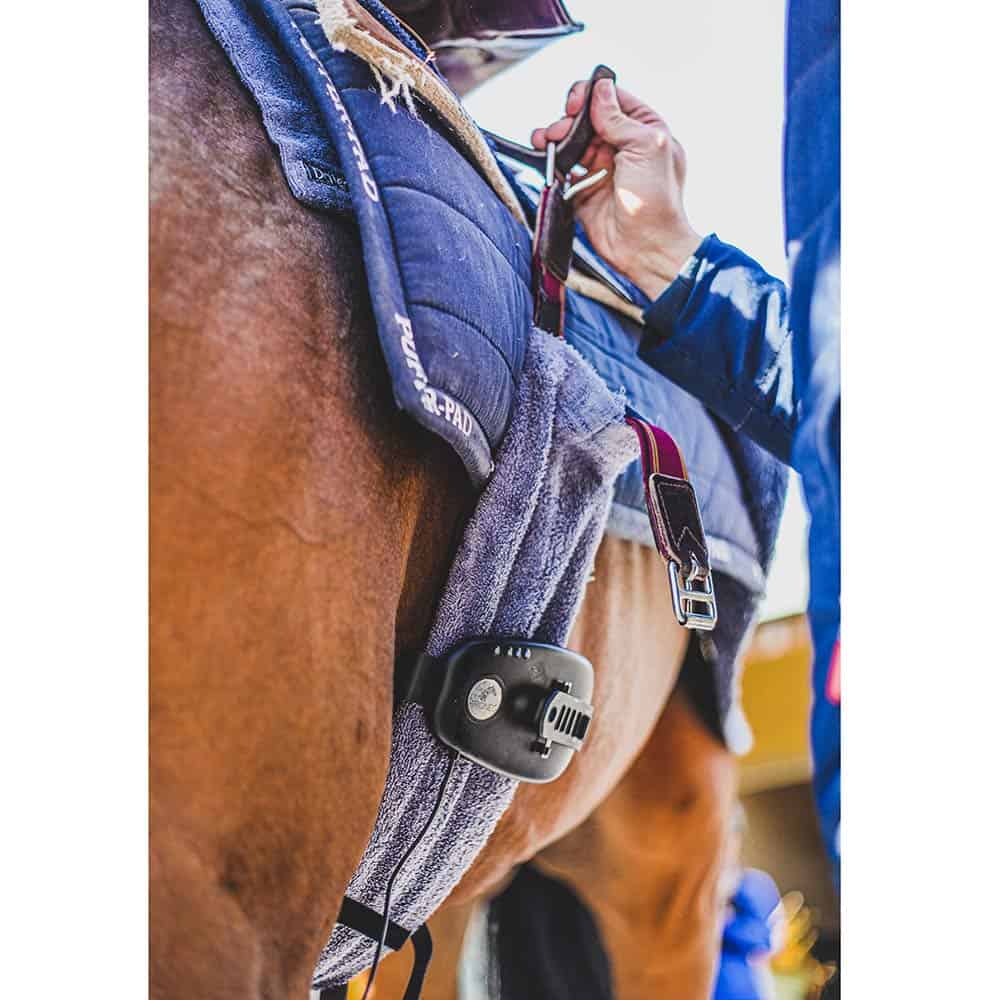
Several emerging trends are worth watching. Drone-based pasture monitoring can provide valuable information about forage availability and pasture health. AI-powered lameness detection systems can identify subtle changes in a horse’s gait, allowing for early intervention and preventing more serious problems. We are also seeing the development of wearable sensors that track a horse’s vital signs in real-time.
Smart technology is becoming a standard part of horse property management. Future systems will likely become more affordable and easier to use for smaller hobby farms.
What's the biggest barrier to adopting smart barn technology?
Vote below and share which challenge matters most for horse property owners and equestrian communities considering AI-powered barn management systems.
No comments yet. Be the first to share your thoughts!