
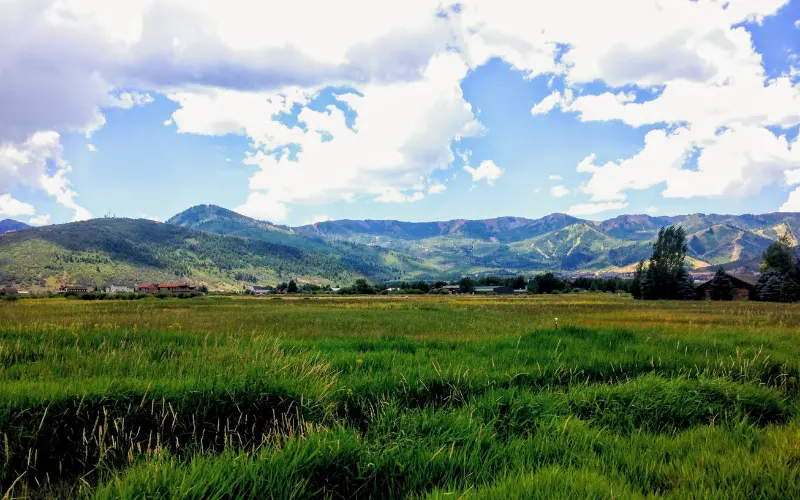

Why location matters for horse owners
Finding the right horse-friendly cities means looking beyond just land. It requires a balance of climate, zoning laws, and community density. A city might have acres of pasture, but if local ordinances restrict trail access or boarding facilities are nonexistent, the location fails the rider.
Climate dictates your daily routine. In places like California or Texas, year-round riding is possible, but heat management becomes a priority. Conversely, cities in the Northeast or Midwest offer vibrant winter equestrian scenes with indoor arenas, though snow removal and icy trails add logistical friction. The best locations offer three-season or four-season usability without excessive infrastructure costs.
Zoning and regulations are the hidden hurdles. Some suburbs ban horses entirely, while others treat them as livestock with strict noise and odor ordinances. Horse-friendly cities typically have established equestrian districts where riding is integrated into the community fabric, not an afterthought.
Community density matters for support. You need proximity to veterinarians, farriers, and tack shops. Cities like Ocala, Florida, or Aiken, South Carolina, thrive because they have built entire economies around equestrian needs. When you live in a horse-friendly city, help is rarely more than a short drive away.
Florida's equestrian hubs
Florida ranks among the most horse-friendly states in the US, offering year-round riding conditions that most other regions can only dream of. The state’s warm climate allows for consistent turnout and training schedules without the interruptions of snow or extreme cold. Two cities, in particular, dominate the landscape for riders: Ocala in central Florida and Wellington in the southeast.
Ocala: The Horse Capital of the World
Ocala holds the title of "Horse Capital of the World," a reputation built on thousands of acres of horse farms and a deep-rooted culture of equestrianism. Located in central Florida, it is the premier destination for thoroughbred breeding, show jumping, and hunter/jumper competitions. The area features world-class facilities like the Florida Horse Park and numerous training centers that attract professional riders and hobbyists alike. For those seeking a community centered around horse ownership, Ocala provides the infrastructure and social network to support it.
Wellington: Elite Competition and Climate
Wellington, located in Palm Beach County, is synonymous with high-level equestrian sport. It hosts the Winter Equestrian Festival, drawing international competitors and spectators every winter. The city offers a different vibe from Ocala; while Ocala is about breeding and training, Wellington is about competition and display. The climate here is mild, allowing for outdoor riding nearly every day of the year. It is a hub for wealthy equestrians and professional athletes, offering top-tier arenas, stables, and veterinary services.
Ocala vs. Wellington
Choosing between these two horse-friendly cities depends on your riding goals and budget. Ocala is generally more affordable and focused on the business and breeding side of horses. Wellington is more expensive and focused on the show and competition circuit.
| Feature | Ocala | Wellington |
|---|---|---|
| Primary Focus | Breeding & Training | Competition & Shows |
| Cost of Living | Moderate | High |
| Climate | Warm, humid | Mild, subtropical |
| Key Event | Florida Horse Park Events | Winter Equestrian Festival |
Both cities offer excellent veterinary care, feed suppliers, and tack shops. Whether you are looking to breed thoroughbreds in Ocala or compete in Wellington, Florida provides a supportive environment for horse owners.
Kentucky and South Carolina options
Kentucky and South Carolina represent the traditional heartlands of American equestrian culture, offering distinct advantages for riders seeking established communities. These regions provide the infrastructure, climate, and heritage that make them among the most horse-friendly cities for serious enthusiasts.
Lexington, Kentucky
Lexington’s identity is inextricably linked to thoroughbred heritage. As the "Horse Capital of the World," the city offers unparalleled access to world-class training facilities and a deep-rooted community of breeders. Riders here benefit from extensive trail networks that wind through historic estates and rolling bluegrass pastures.
The local economy revolves around the equine industry, ensuring that veterinary care, farriers, and specialized tack shops are abundant and highly skilled. For riders interested in the sport, Lexington provides a direct pipeline to the thoroughbred racing and breeding circuits, making it a unique hub for equestrian professionals and amateurs alike.
Aiken, South Carolina
Aiken serves as a critical winter training ground for thoroughbreds from the North, creating a vibrant, year-round equestrian scene. The mild winter climate allows for consistent training schedules when other regions face snow and ice. This seasonal influx of high-profile horses and trainers fosters a competitive yet supportive environment for local riders.
The city boasts extensive riding trails and a strong community of equestrian residents who value privacy and space. Aiken’s horse-friendly cities status is bolstered by its well-maintained infrastructure, including dedicated mounting blocks and paved riding paths that connect various neighborhoods and training centers.
Western and Mountain communities
Riders in the West often prioritize open space and trail access over urban amenities. Arizona and Colorado lead this segment, offering year-round riding conditions and large property options that suit both hobbyists and serious equestrians. These states provide the rugged terrain and expansive land necessary for serious trail riding, making them top choices for horse-friendly cities.
Scottsdale, Arizona, anchors the state’s equestrian culture with a blend of desert landscape and established riding communities. The area supports major equestrian events and offers plenty of apartments and condos for riders who prefer not to own large acreage. Nearby Cave Creek and Flagstaff provide quieter, high-desert alternatives with extensive trail networks and cooler temperatures that allow for consistent riding throughout the year.
Colorado’s high-altitude environment attracts riders looking for challenging terrain and scenic routes. Cities like Denver and Colorado Springs serve as gateways to vast public lands, including the Rocky Mountain Arsenal and numerous national forest trails. The state’s climate supports summer and fall riding heavily, while winter conditions often require adaptable gear and indoor facility access.
For those settling in these regions, durable gear is essential. The following products are popular among riders in the West for their performance in dry, dusty, and rugged conditions.
Essential gear for your new riding lifestyle
Moving to a horse-friendly city is only half the equation. Whether you are settling in Ocala, Florida, or Lexington, Kentucky, you need reliable equipment to match the local riding culture. Quality gear ensures safety on the trail and comfort during daily care, turning your new home into a functional equestrian hub.
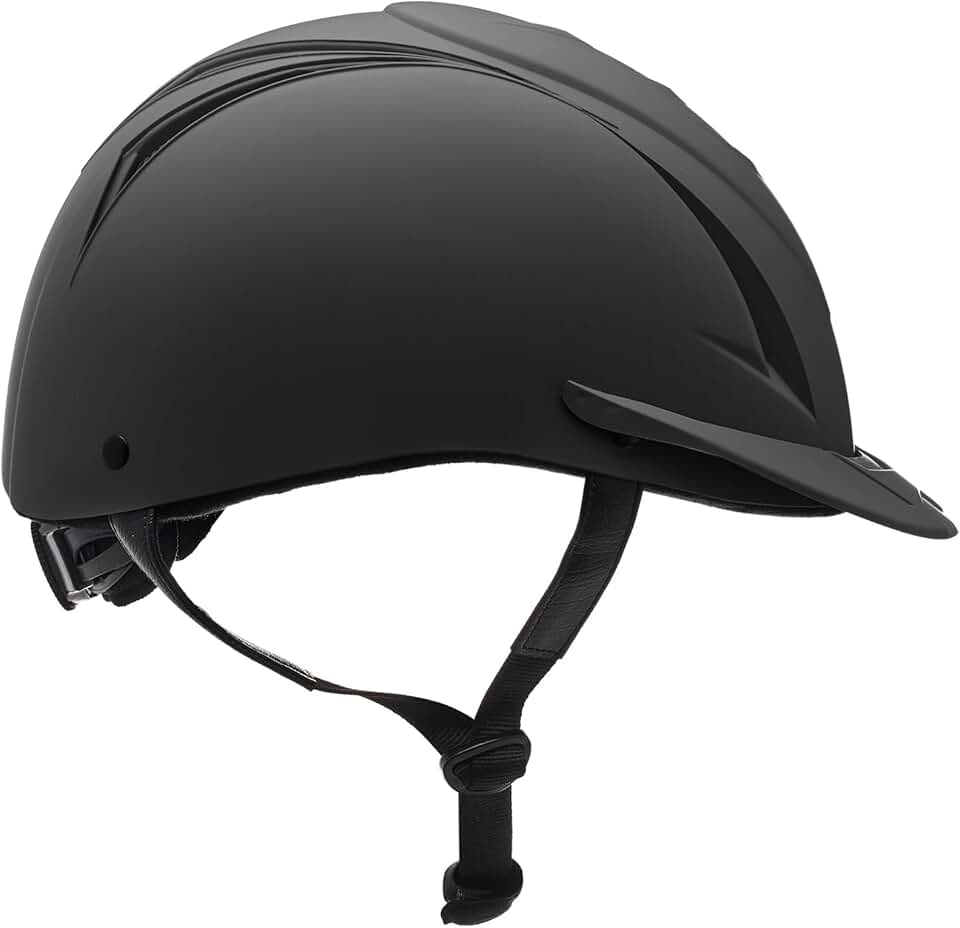
Start with protection. A certified helmet is non-negotiable for every ride. Pair it with durable riding boots that offer ankle support and a secure heel to prevent slipping through the stirrup. These foundational items protect you whether you are jumping in Aiken or trail riding in Scottsdale.
Daily maintenance requires specific tools. A sturdy grooming kit with curry combs and hoof picks keeps your horse healthy and ready for work. For storage, a well-organized tack bag ensures you have brushes, fly spray, and first-aid supplies within reach.


As an Amazon Associate, we may earn from qualifying purchases.
Having the right tools on hand makes the transition smoother. It allows you to focus on exploring your new community rather than scrambling for supplies. Invest in gear that lasts, so you can spend more time in the saddle and less time shopping.
Questions about moving with horses
Planning a relocation with livestock requires more than just a moving truck; it demands a destination that supports your riding lifestyle. Choosing the right horse-friendly cities ensures you have access to trails, boarding, and a community of riders from day one.
What cities are horse cities?
Several US hubs are renowned for their equestrian infrastructure. Ocala, Florida, is widely known as the "Horse Capital of The World" due to its dense concentration of farms and events. Other major centers include Aiken, South Carolina, and Wellington, Florida, which cater to high-level sport. Louisville, Kentucky, also remains a central pillar of the industry, offering deep roots in breeding and racing.
What state is the most horse friendly?
California consistently ranks as the top state for horse owners, offering ideal year-round riding weather and vast landscapes. Florida and Texas follow closely, providing extensive land options and warm climates. Kentucky and Colorado also make the list for their strong equestrian cultures and diverse terrain, making them excellent choices for riders seeking specific riding environments.
No comments yet. Be the first to share your thoughts!