
The 2026 trail riding resurgence
There's a real energy around trail riding right now. After the forced slowdown of recent years, people are clearly seeking outdoor experiences, and horses offer a unique way to connect with nature. We're seeing a definite uptick in interest, a return to the roots of horsemanship, if you will. It's incredibly encouraging.
This resurgence is something Del and Shevawn Shields of Best of America By Horseback have been documenting for years. Their television show, running since 2010, has logged over 388,119 miles ridden on camera as of April 15, 2026, and it’s more than just a travelogue—it’s a testament to the enduring appeal of exploring the country on horseback. They've tapped into something fundamental.
Finding reliable, detailed information about trails, however, can still be a challenge. A lot relies on word-of-mouth or scattered online forums. That's where a resource like this guide comes in. I want to offer a curated selection of trails, linking them to the communities that support them, and give riders a solid starting point for planning their adventures.
The American West still holds a powerful draw, but fantastic trail riding isn't limited to any one region. From the East Coast to the Pacific Northwest, opportunities for exploration abound. This guide is about uncovering those hidden gems and celebrating the freedom that comes with a good horse and an open trail.
My top 20 trail picks
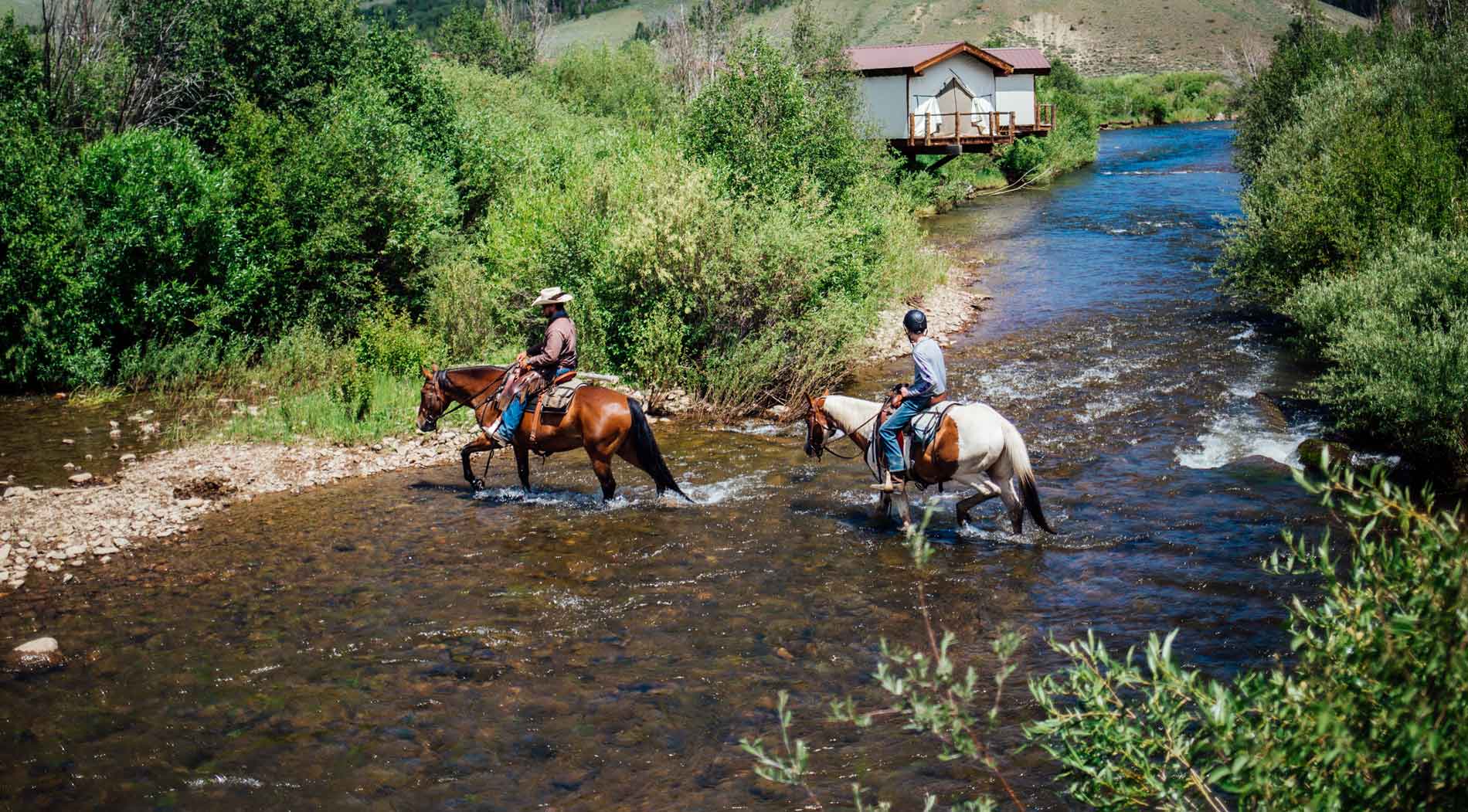
Narrowing down the best trail riding in the United States to just 20 destinations is a tough task, but these routes consistently stand out for their scenery, accessibility, and the equestrian communities nearby. I've drawn heavily on destinations featured on Best of America By Horseback and supplemented them with trails identified through rider recommendations and online research.
Check the local ranger station for permits and seasonal closures before you haul your trailer out. Weather in the high country turns fast, so I always pack for a temperature drop even in July.
- 1. Big South Fork National River and Recreation Area (Tennessee & Kentucky): Approximately 300 miles of trails, ranging from easy to challenging. Stunning views of the Big South Fork River gorge. Nearby equestrian communities: Oneida, TN; Stearns, KY.
- 2. Red River Gorge (Kentucky): Over 100 miles of trails through sandstone arches and cliffs. Moderate to challenging terrain. Lexington, KY, is a major equestrian hub nearby.
- 3. Lost Maples State Natural Area (Texas): 18 miles of trails. Go in the fall for the maples. It's right near Bandera.
- 4. Uinta-Wasatch-Cache National Forest (Utah): Hundreds of miles of trails, from alpine meadows to forested canyons. Varied difficulty levels. Park City, UT, offers excellent equestrian facilities.
- 5. Mogollon Rim (Arizona): Dramatic rim country with pine forests and canyons. Moderate to challenging trails. Payson, AZ, is a convenient base camp.
- 6. Deschutes National Forest (Oregon): Diverse trails through volcanic landscapes and forests. Moderate difficulty. Bend, OR, is a growing equestrian center.
- 7. Mount Hood National Forest (Oregon): Over 1,600 miles of trails. Riders can find everything from gentle meadows to challenging climbs. Sandy, OR, is a good starting point.
- 8. Olympic National Forest (Washington): Trails range from coastal beaches to rainforests and mountains. Moderate to challenging. Port Angeles, WA, is a gateway to the park.
- 9. White Mountain National Forest (New Hampshire): Rugged terrain and scenic views. Moderate to challenging trails. North Woodstock, NH, is a popular destination.
- 10. Green Mountain National Forest (Vermont): Rolling hills and forested trails. Easy to moderate difficulty. Woodstock, VT, is a charming equestrian village.
- 11. Monongahela National Forest (West Virginia): Remote and rugged trails. Moderate to challenging. Marlinton, WV, is a good base for exploring.
- 12. Black Hills National Forest (South Dakota): Trails through pine forests and granite peaks. Moderate difficulty. Custer, SD, is a historic western town.
- 13. Bighorn National Forest (Wyoming): High-elevation trails with stunning views. Moderate to challenging. Sheridan, WY, is a cowboy town with a strong equestrian tradition.
- 14. Sawtooth National Forest (Idaho): Alpine lakes and rugged mountains. Moderate to challenging trails. Stanley, ID, is a popular base for outdoor adventures.
- 15. Gifford Pinchot National Forest (Washington): Diverse trails through forests, meadows, and volcanic landscapes. Moderate difficulty. Vancouver, WA, is a convenient access point.
- 16. Superior National Forest (Minnesota): Trails through forests and along lakeshores. Easy to moderate. Ely, MN, is a gateway to the Boundary Waters Canoe Area Wilderness.
- 17. Daniel Boone National Forest (Kentucky): Rugged terrain and scenic vistas. Moderate to challenging trails. London, KY, is a central location.
- 18. Chattahoochee National Forest (Georgia): Trails through mountains and forests. Moderate difficulty. Dahlonega, GA, is a historic gold rush town.
- 19. Hoosier National Forest (Indiana): Rolling hills and forested trails. Easy to moderate. Brownstown, IN, is a good starting point.
- 20. Mark Twain National Forest (Missouri): Diverse trails through forests and along rivers. Easy to moderate. Potosi, MO, offers access to numerous trails.
Cities built around horses
Beyond the trails themselves, the strength of a local equestrian community can make or break a riding vacation – or even a long-term move. Some cities simply understand horses and the people who love them. It's not just about having enough boarding stables; it’s about a shared culture and a support network.
These cities aren’t just convenient locations; they're places where the equestrian lifestyle is woven into the fabric of the community.
Equestrian Hub Comparison: Access & Lifestyle (as of late 2026)
| Equestrian Community | Cost of Living (Horse Ownership) | Community Vibe | Access to Trails | Veterinary Care Availability | Event Calendar Strength |
|---|---|---|---|---|---|
| Ocala, Florida | Moderate to High | Competitive & Growing | High | High | Very Strong |
| Lexington, Kentucky | Moderate | Traditional & Competitive | Moderate | Very High | Exceptional |
| Tryon, North Carolina | Moderate | Relaxed & Welcoming | High | Moderate | Strong |
| Parker County, Texas | Moderate | Family-Oriented & Western | Moderate | Moderate | Moderate |
| Sonoma County, California | High | Relaxed & Scenic | Moderate | High | Moderate |
| Middleburg, Virginia | High | Historic & Competitive | High | Very High | Strong |
| Prescott, Arizona | Moderate | Western & Outdoor-Focused | High | Moderate | Moderate |
Illustrative comparison based on the article research brief. Verify current pricing, limits, and product details in the official docs before relying on it.
Top Equestrian Cities
Aiken, South Carolina: Aiken is practically synonymous with equestrianism. With a history dating back to the winter colonies of wealthy northerners seeking a milder climate for their horses, it boasts a remarkable concentration of equestrian facilities. The Aiken Horse Park Foundation maintains miles of trails, and the city hosts numerous horse shows and events throughout the year. The sheer number of experienced horse professionals – trainers, vets, farriers – is a major draw.
Ocala, Florida: Known as the 'Horse Capital of the World,' Ocala has a thriving equestrian scene, particularly focused on thoroughbreds and show jumping. The Florida Horse Park is a major venue for equestrian competitions, and the area is home to numerous horse farms and training centers. The climate allows for year-round riding.
Tryon, North Carolina: Tryon International Equestrian Center (TIEC) has put this town on the map as a premier equestrian destination. TIEC hosts world-class competitions in multiple disciplines, and the surrounding area offers a variety of trails and riding opportunities. The Blue Ridge Mountains provide a stunning backdrop.
Lexington, Kentucky: The heart of horse country, Lexington is surrounded by rolling bluegrass farms and thoroughbred breeding operations. The Kentucky Horse Park is a major attraction, and the city hosts the prestigious Rolex Kentucky Three-Day Event. It’s a place where horse racing isn't just a sport, it’s a way of life.
Parker, Colorado: Situated near Denver, Parker offers a blend of Western heritage and modern amenities. The town has invested heavily in equestrian facilities, including trails and arenas, and hosts numerous horse events. It’s a popular destination for riders seeking access to both urban conveniences and outdoor adventures.
Woodstock, Vermont: A quintessential New England town with a strong equestrian tradition. Woodstock offers a charming atmosphere and access to miles of scenic trails. The area is known for its fox hunting and combined training events.
Bandera, Texas: The self-proclaimed 'Cowboy Capital of Texas,' Bandera offers a taste of the Old West. Numerous guest ranches and riding stables provide opportunities for trail riding and horseback adventures. It’s a great place to experience authentic cowboy culture.
Essential Gear for Your Ultimate Trail Riding Adventure

MIPS technology for rotational force reduction · Full-coverage design for enhanced protection · Adjustable fit system for comfort
Prioritize safety with this helmet featuring advanced MIPS technology for superior head protection during your rides.

Durable synthetic construction · Complete package including saddle, girth, and stirrups · Designed for trail riding comfort
This synthetic trail saddle package offers a durable and comfortable option for long days on the trail, providing essential gear to get you started.

Comprehensive first-aid supplies for two people for two days · Includes trauma pad, medication, and a wilderness first-aid guide · Compact and organized for easy transport
Be prepared for any unexpected situations with this well-equipped medical kit, ensuring you can handle minor injuries on the trail.

Handheld GPS with TopoActive mapping · Satellite communication with inReach technology · Durable, renewed unit
Navigate confidently and stay connected with this reliable GPS device, featuring detailed maps and essential satellite communication capabilities.

Wide body design for enhanced stability · Available in Jump and Dressage styles · Durable leather construction
Improve your balance and comfort in the saddle with these wide stirrup leathers, designed to provide a more stable and secure riding experience.
As an Amazon Associate I earn from qualifying purchases. Prices may vary.
Gear that actually lasts
Having the right gear isn’t just about comfort; it's about safety. Trail riding demands equipment that can withstand the elements and provide adequate protection for both horse and rider. I'm not suggesting you need to break the bank, but investing in quality essentials is worthwhile.
Prices can vary dramatically, so I'll give a general range for each item.
- Trail Saddle: ($500 - $2,000+) A comfortable, well-fitting saddle designed for long hours in the saddle. Look for features like a padded seat and a secure horn.
- Bridle: ($100 - $500) A reliable bridle with a comfortable bit. Consider a bitless bridle if you prefer.
- Helmet ($75 - $400+): Buy a new one. Don't trust a used helmet's structural integrity.
- Boots: ($100 - $500+) Boots with a heel to prevent your foot from slipping through the stirrup.
- Clothing: ($50 - $300+) Moisture-wicking fabrics and layers are key. Consider a waterproof jacket and chaps for protection.
- First-Aid Kit (Horse): ($50 - $150) Include bandages, antiseptic, pain relievers, and a thermometer.
- First-Aid Kit (Rider): ($25 - $75) Include bandages, antiseptic wipes, pain relievers, and insect repellent.
- Navigation Tools: ($50 - $300+) A GPS device or a detailed map and compass.
- Water Bottles/Hydration Pack: ($20 - $100) Staying hydrated is crucial, especially on long rides.
Trail Etiquette & Safety First
Respect for the trail and fellow riders is paramount. Simple courtesy goes a long way. Yield to hikers and bikers, pack out all trash, and avoid disturbing wildlife. Maintaining the trails for future generations is a shared responsibility.
Safety should always be your top priority. Tell someone your route and expected return time. Carry a cell phone (though service can be spotty in some areas). Be aware of weather conditions and potential hazards like snakes, loose rocks, and water crossings. Know your horse’s limits and don’t push them beyond their capabilities.
- Yield to other trail users.
- Pack out all trash.
- Respect wildlife.
- Maintain trails.
- Tell someone your route.
- Carry a cell phone.
- Be aware of weather conditions.
- Know your horse’s limits.
Beyond the Ride: Lodging & Amenities
Planning a trail riding vacation involves more than just finding the perfect trail. You’ll need a comfortable place to stay and access to essential amenities. Fortunately, many areas cater specifically to equestrians.
Options range from horse-friendly hotels and motels to campgrounds with horse facilities and charming bed and breakfasts. Some establishments even offer horse boarding and guided trail rides.
- Horse-Friendly Hotels: Look for hotels that offer stalls or pasture space for your horse.
- Campgrounds with Horse Facilities: Many campgrounds now provide designated horse camping areas with stalls, hitching posts, and water sources.
- Bed & Breakfasts: Some B&Bs cater specifically to equestrians, offering comfortable accommodations and horse care services.
- Guided Trail Rides: A great option for those who don’t have their own horse or are unfamiliar with the area. The Little Lusk Trail Lodge and Campground, mentioned in a recent YouTube video from Best of America By Horseback, is a prime example of a facility that caters to this need.
No comments yet. Be the first to share your thoughts!