
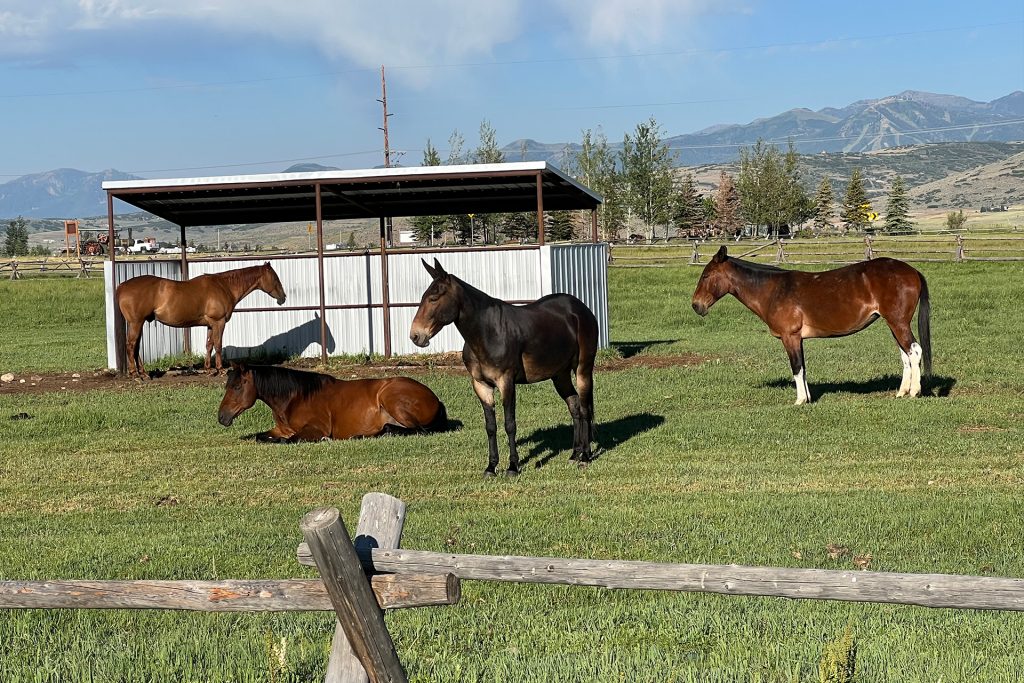

Where riders settle in 2026
Finding the right place to live with horses requires balancing three non-negotiable factors: year-round riding climate, zoning laws that permit stabling, and proximity to a dense equestrian community. A city might offer perfect weather, but if local ordinances restrict trailer parking or limit barn sizes, daily life becomes a logistical headache. Conversely, a town with generous zoning is less useful if the terrain is too rugged or the climate too harsh for consistent riding.
The most horse-friendly cities in 2026 share a specific infrastructure. They feature paved or well-maintained gravel trails that connect residential areas to public land, reducing the need for dangerous road riding. They also have a critical mass of local tack shops, farriers, and veterinarians, ensuring that care is accessible without driving hours away. This density creates a self-sustaining ecosystem where resources are shared and emergencies are handled quickly.
Climate dictates the gear you will need, which in turn affects your cost of living. In warmer inland regions like California’s Central Coast or Florida’s central belt, heat management is the priority. Riders here invest heavily in cooling sheets, ventilation-focused barn designs, and early morning riding schedules. In contrast, regions like Kentucky or Colorado require all-weather gear, including heavy-duty waterproof blankets and insulated footing, to maintain riding consistency during winter months.
When evaluating potential locations, look beyond the obvious tourist destinations. Small towns often offer better value and tighter-knit communities. Areas between towns like Brewster, Wassaic, and Rhinebeck in New York, or Love Valley in North Carolina, demonstrate how rural proximity can enhance urban convenience. These communities provide the space horses need while keeping riders connected to the broader equestrian world.
Lexington, Kentucky
Lexington is the undisputed capital of American horse culture. Known as the "Horse Capital of the World," this city offers a dense network of thoroughbred farms, world-class training centers, and a community built around the sport. For serious equestrians, the infrastructure here is unmatched, with miles of maintained trails and immediate access to veterinary and farrier services in every direction.
The property market reflects this prestige. Land prices are higher than in many other states, but the investment comes with established equestrian zoning and a neighborhood culture that prioritizes horse safety. You will find dedicated barn communities and properties with built-in amenities like indoor arenas and pastures designed for the region's specific soil and climate conditions.
Kentucky weather demands reliable gear. Mud season can be long, so all-weather riding boots and durable tack are essential. The following items are practical choices for maintaining your horse and equipment in this environment.


As an Amazon Associate, we may earn from qualifying purchases.
Ocala, Florida
Ocala holds the official title of "Horse Capital of the World," a distinction earned through decades of dominance in the thoroughbred breeding industry. Located in central Florida, the city serves as a major hub for equine commerce, with thousands of horses moving through local auctions and training facilities annually. This infrastructure means that finding specialized veterinary care, farriers, and high-quality feed is straightforward, even in a rural setting.
The climate offers a distinct advantage for riders: a nearly year-round riding season. Unlike northern states that face months of snow or freezing mud, Ocala provides consistent access to trails and arenas. The terrain consists largely of rolling hills and sandy loam soil, which drains well and reduces the risk of hoof issues common in wetter climates. This environment supports both casual trail riding and serious competitive training.
Land affordability is another key factor. While Florida coastal property can be expensive, Ocala’s rural outskirts offer large acreage at a fraction of the cost found in Kentucky or California. This allows owners to maintain spacious pastures and paddocks without the premium price tag associated with other equestrian capitals.
Riding in central Florida requires specific gear to manage the heat and humidity. Standard leather tack can become uncomfortably hot and heavy in high temperatures, making synthetic alternatives or breathable mesh-lined saddles essential for comfort. Fly control is also a year-round necessity due to the subtropical environment, requiring reliable sprays and masks to keep horses calm and protected during work.


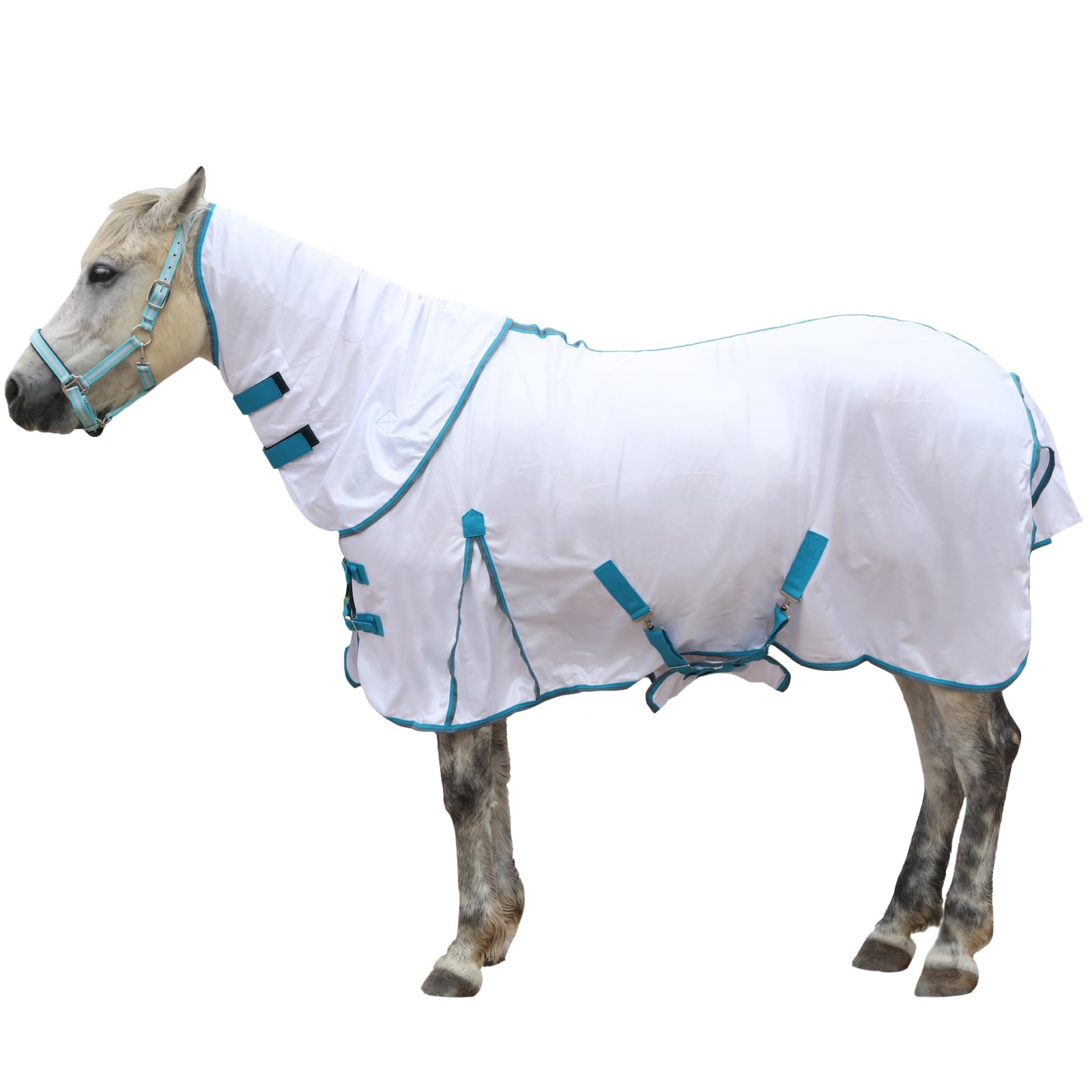
As an Amazon Associate, we may earn from qualifying purchases.
Wellington, Florida
Wellington stands as the undisputed capital of American show jumping. Often called the "Horse Capital of the World," this Palm Beach County community hosts the Winter Equestrian Festival, drawing elite competitors and their horses for months of high-stakes competition. The infrastructure here is built entirely around the sport, with world-class arenas, veterinary facilities, and specialized training centers lining the roads. For serious competitors, living in Wellington means being at the center of the action, with easy access to top-tier trainers and a community that understands the demands of the sport.
The lifestyle here is as much about networking and preparation as it is about riding. Many residents maintain large estates with multiple barns, allowing for year-round training in Florida’s mild winter climate. This environment fosters a tight-knit community where knowledge about horse health, nutrition, and competition strategy is shared openly. If you are looking to elevate your competitive career, Wellington offers an unparalleled ecosystem for growth and connection.
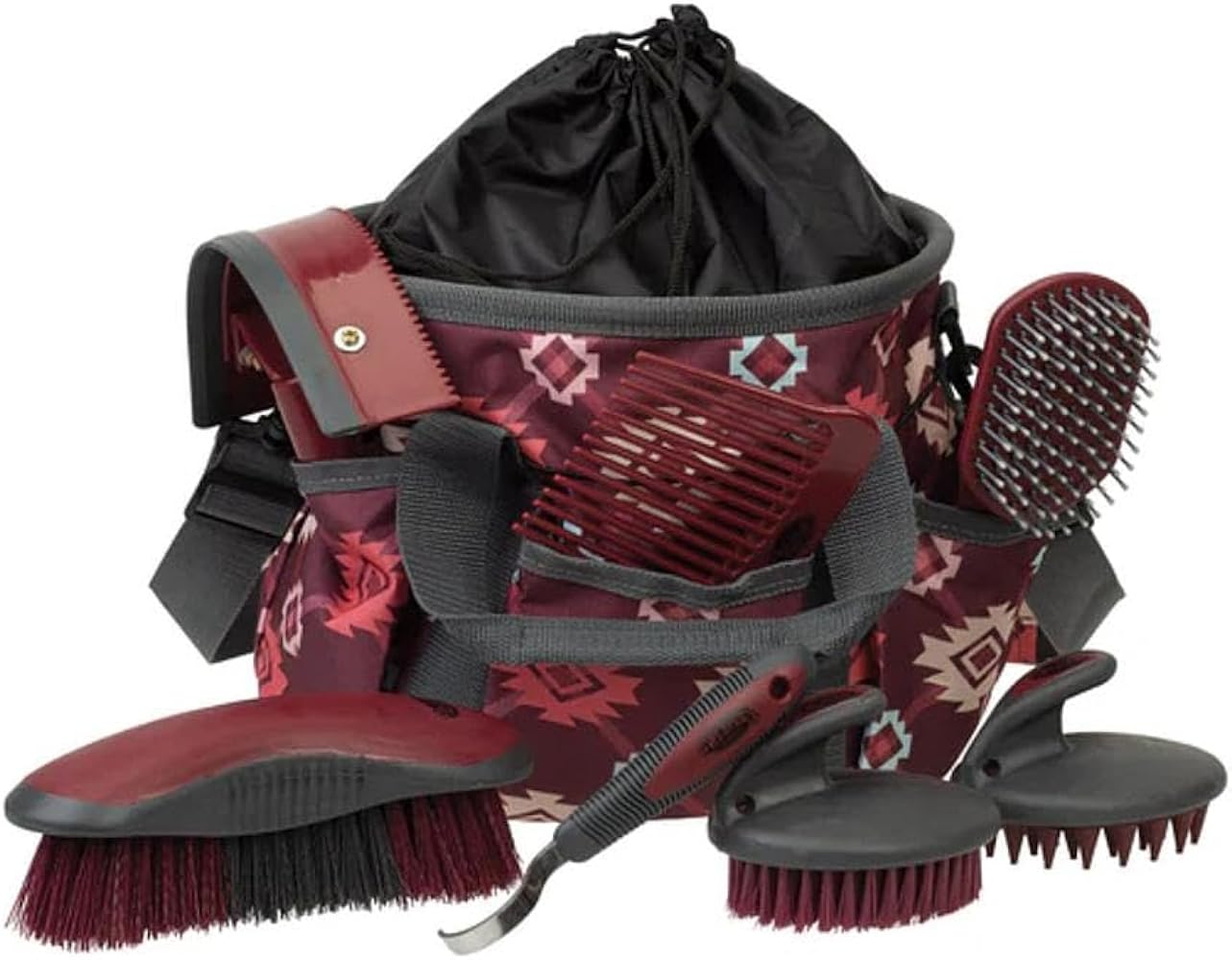
To support the rigorous demands of show jumping and daily training, having the right gear is essential. The following equipment is recommended for maintaining peak performance and presentation in Wellington’s competitive environment.


As an Amazon Associate, we may earn from qualifying purchases.
Aiken, South Carolina
Aiken offers a distinct alternative to the high-energy equestrian hubs of Florida or Kentucky, positioning itself as a historic, quieter community ideal for hunters, jumpers, and riders seeking a slower pace. The city’s mild winters allow for year-round riding without the harsh freezes found in northern states, while its rolling hills and dense tree cover provide extensive trails that feel worlds away from suburban sprawl.
The infrastructure here caters specifically to traditional disciplines. You will find numerous academies focused on fox hunting and show jumping, supported by a network of barns and stables that maintain the area’s aristocratic equestrian heritage. This environment attracts a community that values privacy and tradition, making it a top choice for those who want a serious riding life without the constant traffic and noise of larger metropolitan areas.
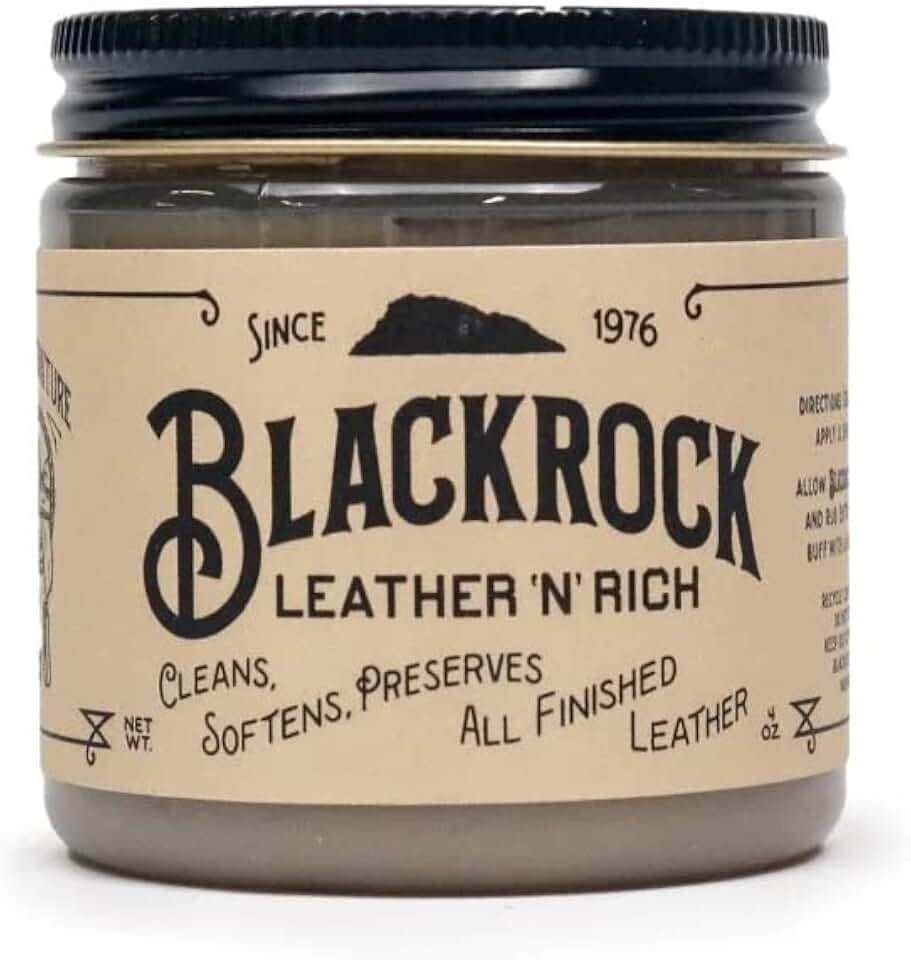
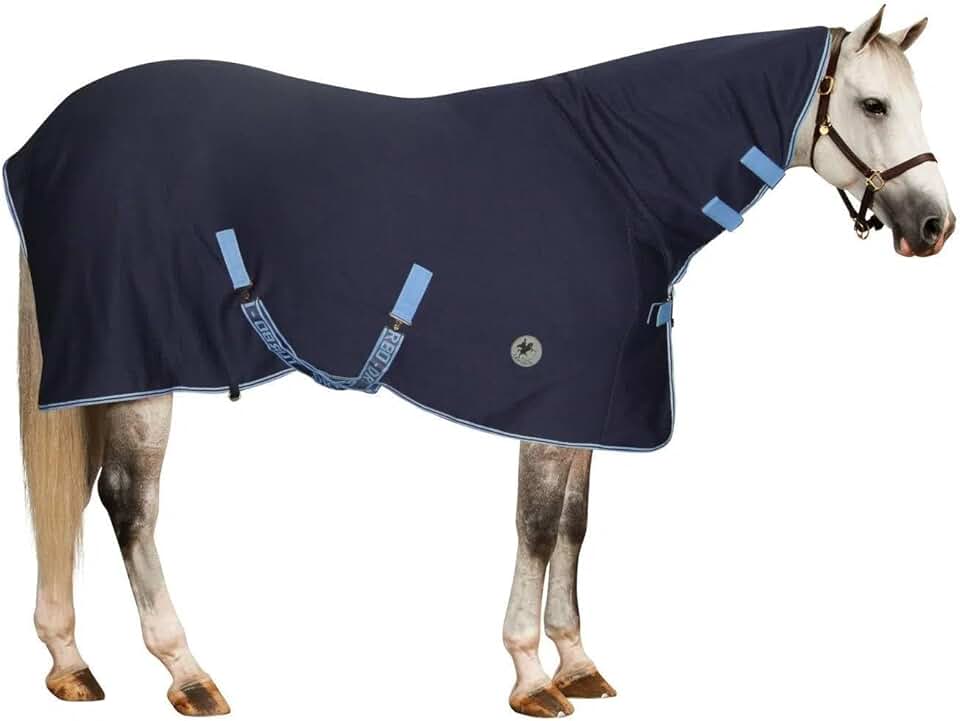
To thrive in Aiken’s specific climate and terrain, riders need gear that handles humidity and varied ground conditions. For trail riding and daily care, durable all-weather tack is essential to protect leather from the region’s moisture.

As an Amazon Associate, we may earn from qualifying purchases.
This combination of historic charm, specialized training facilities, and manageable weather makes Aiken a standout for riders who prioritize community and tradition over sheer volume of competition.
Comparing Top Equestrian Destinations
Choosing where to settle depends on balancing climate, budget, and the specific type of riding you plan to pursue. Lexington, Ocala, Wellington, and Aiken each offer distinct advantages for horse owners, from world-class training facilities to affordable land and mild winters. This comparison breaks down the key trade-offs to help you decide which city aligns with your lifestyle and equestrian goals.
| City | Climate | Cost of Living | Primary Equestrian Focus |
|---|---|---|---|
| Lexington, KY | Four seasons; hot summers, cold winters | High | Thoroughbred breeding, hunter/jumper |
| Ocala, FL | Humid subtropical; hot, rainy summers | Moderate | Eventing, general pleasure riding |
| Wellington, FL | Tropical; very hot, humid, rainy | Very High | Show jumping, equine industry hub |
| Aiken, SC | Mild winters, hot summers | Moderate | Horse racing, training centers |
Lexington remains the premier destination for those focused on Thoroughbred breeding and high-level hunter/jumper competitions, though the cost of living and harsh winter weather can be deterrents. Ocala offers a more moderate cost of living and a strong community for eventing and general pleasure riding, with the trade-off being intense summer humidity. Wellington attracts serious show jumpers and industry professionals willing to pay a premium for year-round riding conditions and top-tier facilities. Aiken provides a unique blend of racing history and training infrastructure with milder winters than the north, appealing to those seeking a balance between professional opportunities and a more relaxed pace.
Essential gear for your new ride
Moving to a horse-friendly city means packing more than just your Western saddle. The gear you need depends heavily on the local climate and terrain. Riders in humid regions like Florida or Texas require lightweight, moisture-wicking fabrics and high-visibility gear for dusty trails, while those in Kentucky or the Pacific Northwest need waterproof layers and insulated boots for mud and rain.
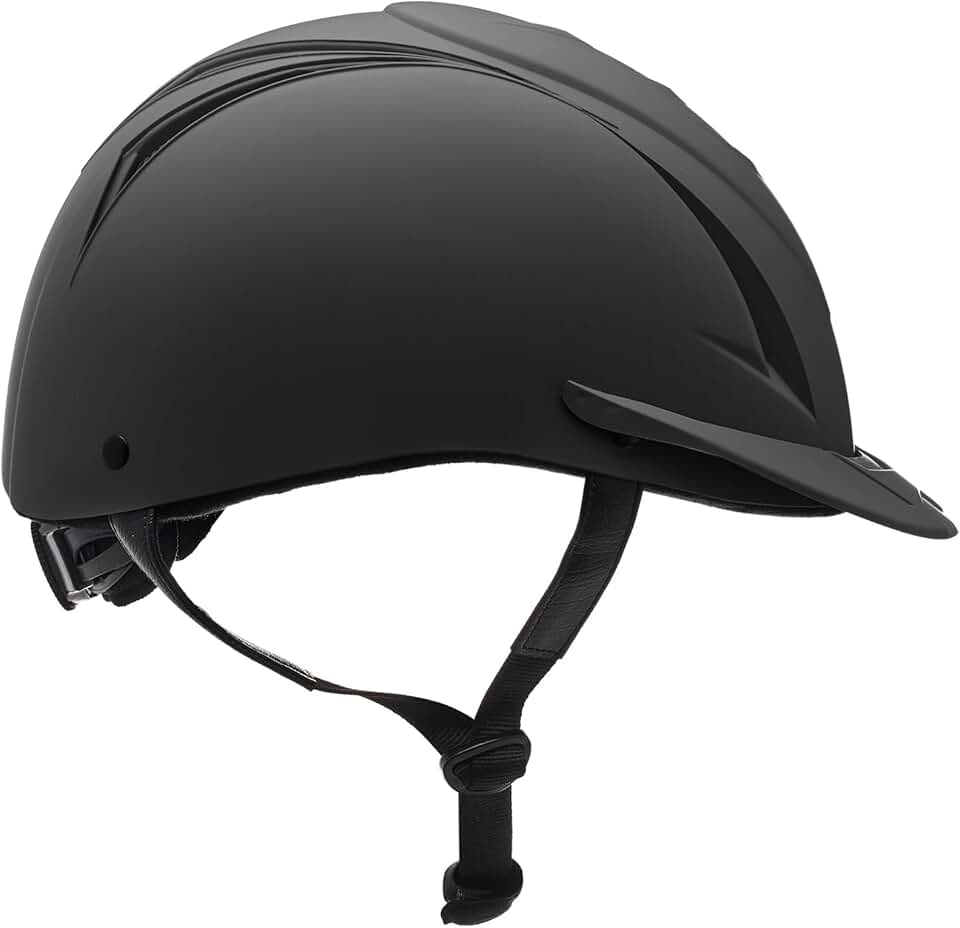
Start with safety. A properly fitted helmet is non-negotiable, regardless of where you ride. Pair it with durable riding boots that offer ankle support for trail work. For barn essentials, a sturdy lead rope, fly spray for summer months, and a reliable hoof pick are daily necessities. These items form the foundation of your new equestrian lifestyle.
To help you get started, here are some top-rated essentials for riders transitioning to a new area.


As an Amazon Associate, we may earn from qualifying purchases.
Frequently asked questions about horse-friendly cities
What are the best cities for horses?
Top destinations often cluster around specific climates and terrain. California’s Central Coast, including Paso Robles, Templeton, and Atascadero, offers warm inland riding, while cooler towns like San Luis Obispo and Nipomo provide relief in summer. Coastal communities such as Cambria and Morro Bay also support active horse lifestyles with scenic trails.
What state is the most horse friendly?
California leads due to its ideal climate and diverse landscapes, making daily rides accessible year-round. Florida follows closely with warm weather and extensive pastureland, while Texas, Kentucky, and Colorado round out the top five for their strong equestrian infrastructure and community support.
How do I find horse-friendly neighborhoods?
Look for areas with established equine history and dedicated infrastructure. Places like Rancho Santa Fe and Woodside in California have long traditions of horse ownership, offering easy access to trails and stables. In Arizona, Tucson’s north side provides convenient access to riding paths while remaining close to urban amenities.
No comments yet. Be the first to share your thoughts!