
Why location defines the best horse properties
The "best" horse property is not a universal standard; it is a local equation. A farm that thrives in the dry heat of Arizona may fail in the humid, rainy climate of Kentucky. When evaluating equestrian communities, you must weigh three non-negotiable factors: climate, terrain, and the local equestrian culture.
Climate dictates pasture quality and boarding costs. Regions with distinct seasons require winter housing and supplemental feeding, while warmer climates allow for year-round grazing but demand irrigation infrastructure. This choice fundamentally changes your monthly overhead and the physical toll on your horses. A
Understanding your local growing season helps you estimate feed bills and veterinary needs before you even sign a lease.Terrain affects both daily management and property value. Rolling hills offer natural drainage but can be difficult for aging horses or those with mobility issues. Flat land is easier to maintain but may require significant grading to prevent waterlogging. The right topography depends on your discipline; show jumpers often prefer firm, flat footing, while trail riders might prioritize scenic, varied landscapes.
Finally, the local equestrian culture shapes your lifestyle. Communities with established barns, veterinarians, and feed stores create a support network that is invaluable for new owners. Areas with a strong showing scene offer networking and competition opportunities, while rural enclaves provide solitude. Researching the local horse community ensures you are buying into a lifestyle that matches your goals.
For a comprehensive view of available properties across different regions, browse HorseProperties.net to compare listings based on these specific geographic and cultural factors.
Ocala, Florida: The World's Horse Capital
Ocala sits in the heart of Florida’s “Horse Capital of the World,” a title earned through decades of dedicated equestrian infrastructure. The region offers a unique combination of mild winters, sandy soil ideal for pasture drainage, and a high density of world-class facilities. For buyers seeking a community where horse ownership is the norm rather than the exception, Ocala provides an unmatched ecosystem.
The area is anchored by the World Equestrian Center, a premier venue that hosts major competitions year-round. This draws a constant stream of professional riders, trainers, and enthusiasts, creating a vibrant social and business network. Local real estate markets reflect this demand, with neighborhoods like Silver Springs Shores and Fox Run designed specifically for equestrian lifestyles, featuring built-in amenities like trails and community barns.
Ocala’s climate allows for outdoor riding and training in nearly every month of the year. Unlike regions with harsh winters, here you can maintain a consistent training schedule without seasonal interruptions. The soil composition—primarily sandy loam—provides excellent drainage, reducing the risk of mud-related hoof issues and pasture damage during rainy seasons.
Regional Comparison
When evaluating Ocala against other top equestrian destinations, cost and climate are often the deciding factors. The table below compares Ocala with Lexington, KY, and Tryon, NC, based on general market trends and environmental conditions.
| Region | Climate | Avg. Cost/Acre | Facility Density |
|---|---|---|---|
| Ocala, FL | Mild winters, warm summers | $5,000 - $15,000 | Very High |
| Lexington, KY | Four distinct seasons | $15,000 - $30,000 | High |
| Tryon, NC | Mild winters, humid summers | $10,000 - $25,000 | Medium-High |
| Scottsdale, AZ | Hot summers, mild winters | $20,000 - $50,000+ | Medium |
Note: Costs are approximate and vary significantly by property size, amenities, and location within the region. Source: Horse Properties Comparison.
Essential Gear for Ocala Living
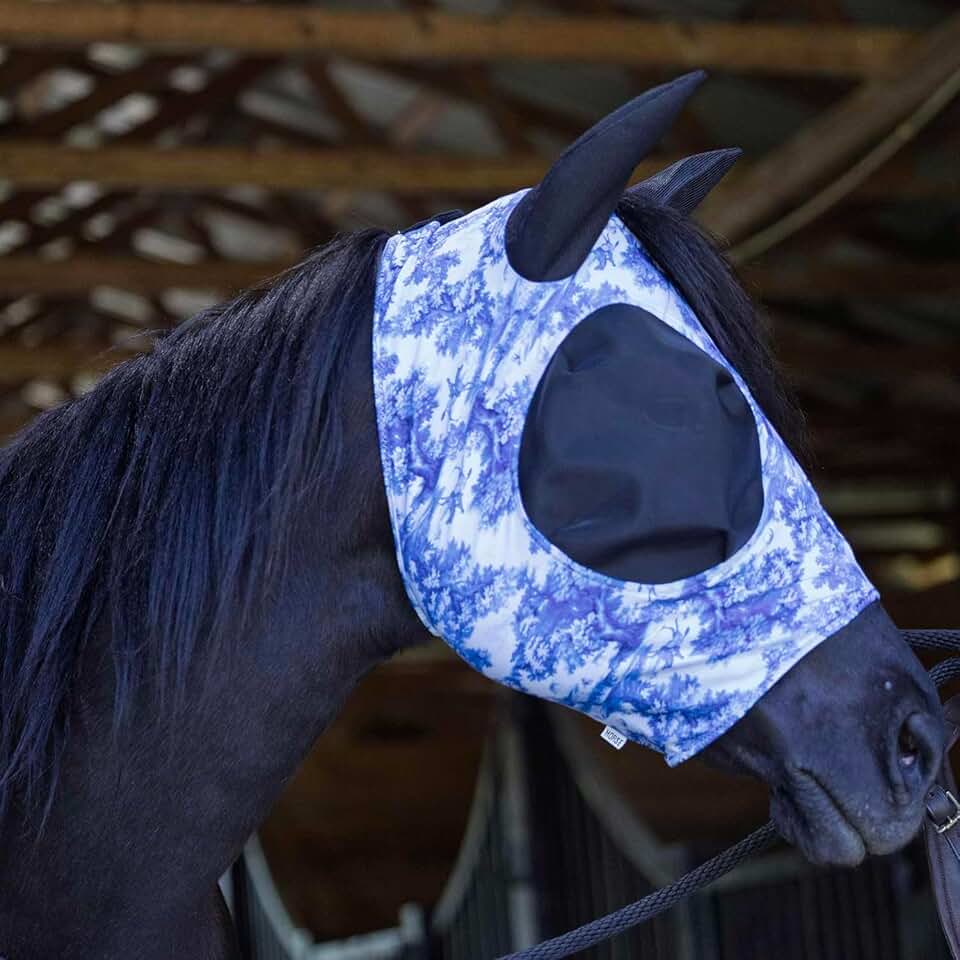
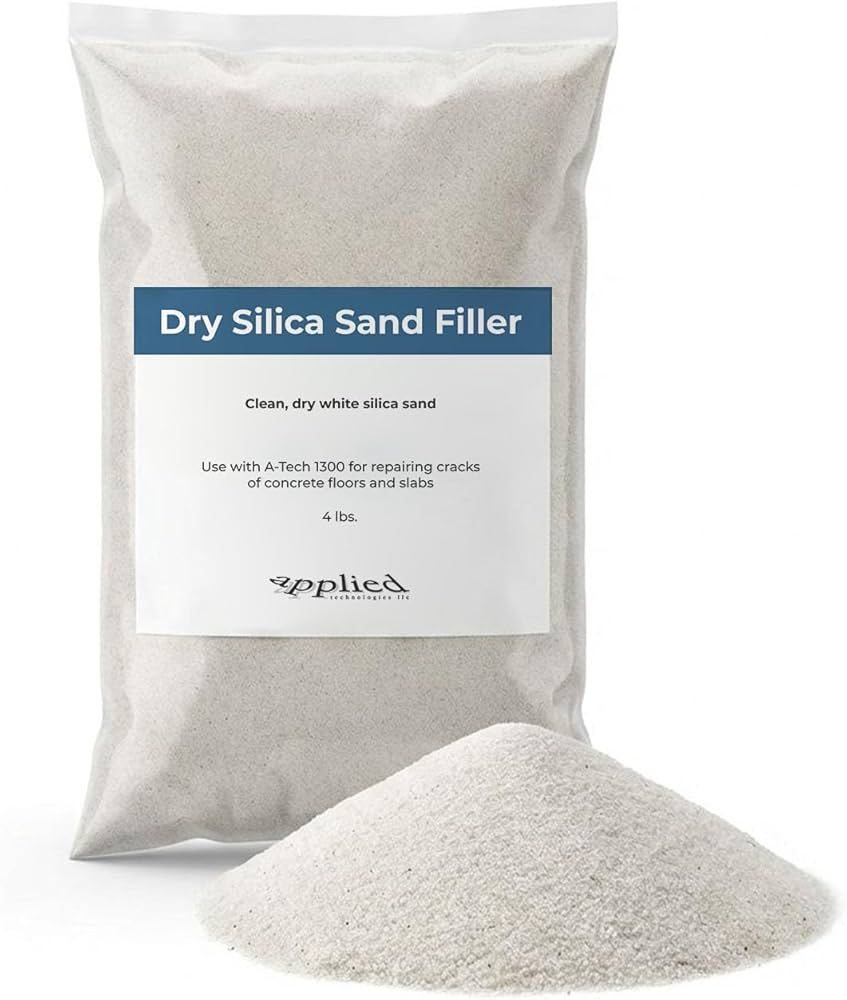
Ocala’s humid climate and sandy terrain require specific equipment to maintain your property and horse’s comfort. Unlike drier regions, you need gear that manages moisture and protects against heat. Here are the essential items to stock your tack room and barn.

As an Amazon Associate, we may earn from qualifying purchases.
Buyer Checklist for Ocala Properties
Before purchasing, verify these critical factors to ensure your investment aligns with equestrian standards.
-
Soil Test: Confirm sandy loam composition and drainage capacity.
-
Water Rights: Verify well capacity and quality for both horses and irrigation.
-
Zoning: Ensure property is zoned for equestrian use and boarding if desired.
-
Fencing: Check condition of perimeter and interior fencing (post and rail or electric).
-
Barn Facilities: Inspect stall ventilation, tack room security, and wash stall plumbing.
-
Access: Confirm year-round road access and proximity to veterinary services.
Community Insights
Local forums often highlight the social benefits of Ocala’s equestrian community. Members frequently discuss the ease of finding training partners and the supportive network among owners.
Frequently asked: what to check next
Ocala’s blend of infrastructure, climate, and community makes it a top contender for horse property buyers. Its established reputation as a horse capital ensures that you are investing in a region with deep roots in equestrian culture and ongoing development of world-class facilities.
Lexington, Kentucky: Thoroughbred Heritage
Lexington sits at the center of the Bluegrass region, a landscape defined by limestone-rich soil and rolling pastures that have supported thoroughbred breeding for centuries. For buyers seeking prestige and equestrian heritage, this area offers a unique combination of history and high-quality terrain. The region’s reputation is built on a deep connection to the sport, making it a natural choice for those who value tradition alongside modern amenities.
The appeal of Lexington extends beyond its famous thoroughbred legacy. The terrain here is ideal for horse health, with the limestone in the water and soil contributing to strong bone structure in horses. This natural advantage has attracted generations of breeders and owners, creating a community where equestrian expertise is woven into the local culture. Properties here often feature well-maintained paddocks and barns that reflect this long-standing commitment to equine welfare.
While Lexington is a top destination for serious equestrians, it is important to consider the financial implications of ownership versus boarding. For many buyers, the decision to purchase property comes after realizing that boarding costs can accumulate significantly over time. As noted by industry resources, serious equestrians often find that owning their own land becomes more cost-effective when they are already investing heavily in high-quality boarding. This shift in perspective drives many buyers to explore the Lexington market, where they can find properties that offer both space and status.
Tryon, North Carolina: The New Equestrian Hub
Tryon has transformed from a quiet mountain town into one of the most sought-after equestrian communities in the United States. Ranked third among the most popular regions for horse property, Tryon offers a modern, planned environment that appeals to buyers seeking high-end amenities without sacrificing the rural charm of the Carolinas [src-serp-4].
The community is anchored by the Tryon International Equestrian Center, a world-class facility that hosts major competitions and draws riders from across the globe. This infrastructure supports a vibrant local culture, with numerous stables, training centers, and equestrian-specific retail shops. For buyers, this means a ready-made network of support and social connection, which is often a deciding factor for those relocating to a new area.
Properties in Tryon range from compact hobby farms to sprawling estates, but they share a common thread: thoughtful planning. Many neighborhoods feature dedicated equestrian trails, strict architectural guidelines to preserve the aesthetic, and proximity to top-tier veterinary and farrier services. This blend of convenience and community makes Tryon a practical choice for serious equestrians.
Scottsdale, Arizona: Desert Riding and Dry Climates
Scottsdale ranks as the fourth most popular region for horse properties in the United States, offering a distinct alternative to the humid East Coast or the freezing Midwest. The primary draw is the dry climate, which minimizes the mud and hoof rot issues common in wetter regions. Riders here enjoy year-round trail access, with winter escapes becoming a major draw for those fleeing snow. The terrain varies from flat desert washes to rugged foothills, providing diverse riding conditions without the heavy maintenance of lush pastures.
Finding the right home involves balancing luxury with functionality. Many Scottsdale equestrian estates feature indoor arenas with climate control to combat the intense summer heat, alongside spacious stables designed for ventilation. Properties often include cross-country courses that utilize the natural landscape, turning the surrounding desert into part of the riding experience. When evaluating listings, look for water rights and irrigation infrastructure, as maintaining even drought-resistant landscaping requires careful planning.
For riders preparing for the unique demands of desert equestrian life, having the right gear is essential. The intense sun and abrasive sand require protective equipment that goes beyond standard riding wear. Below are essential items to consider for maintaining your horse and yourself in this environment.
As an Amazon Associate, we may earn from qualifying purchases.
While the climate offers many advantages, it also presents challenges. Water scarcity is a growing concern, and properties with reliable well water or municipal irrigation rights are significantly more valuable. Additionally, the dry air can exacerbate respiratory issues for some horses, making dust-free bedding and good stable ventilation critical. Buyers should also consider the proximity to veterinary services, as specialized equine care can be more limited in remote desert areas compared to larger equestrian hubs like Ocala or Lexington.
Essential gear for your new horse property
Moving from property selection to daily management requires the right tools. Your new acreage is a working environment, not just a residence. Equipping your barn and pastures correctly prevents minor issues from becoming costly repairs.
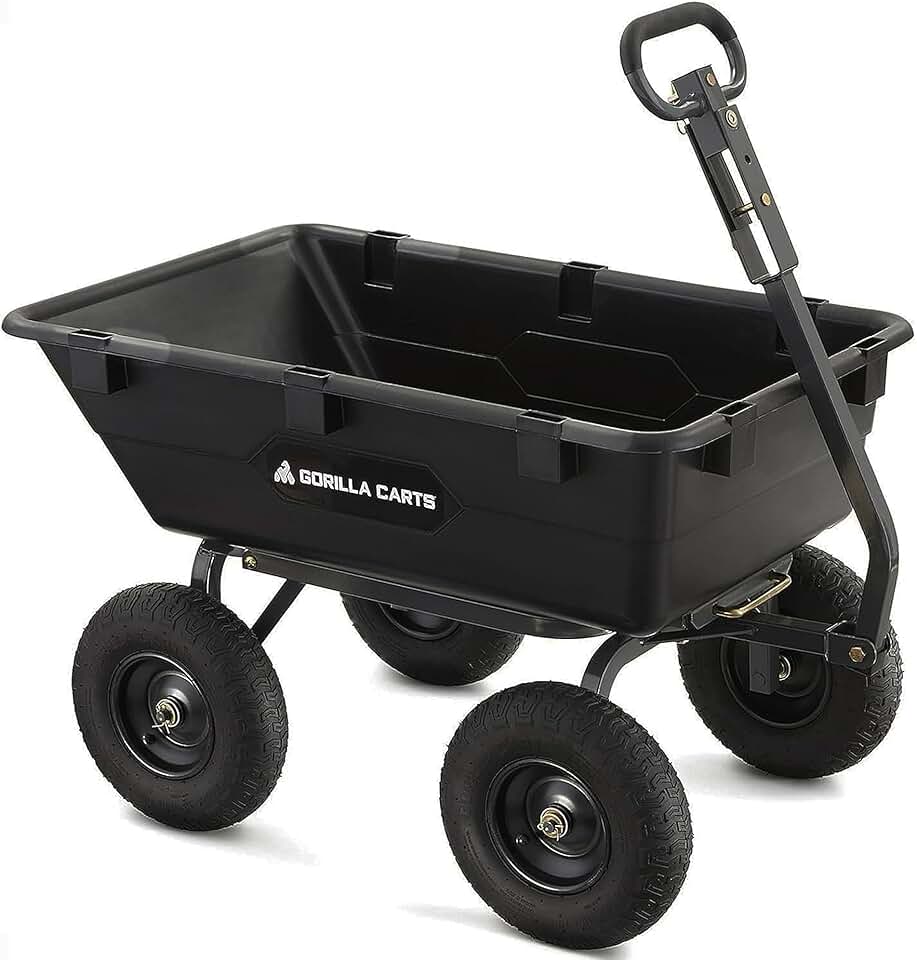
Start with the basics. A heavy-duty hitch wagon or utility trailer is essential for moving hay bales, feed, and equipment across the property. Pair this with high-visibility safety gear for yourself and any help. You will also need durable fencing tools, including post drivers and staples, to maintain pasture boundaries.
Maintenance supplies are equally important. Keep a reliable leaf blower or brush cutter for clearing riding arenas and walkways. A quality wheelbarrow helps with manure management and garden work. For the barn interior, invest in heavy-duty muck buckets and durable shavings for bedding.
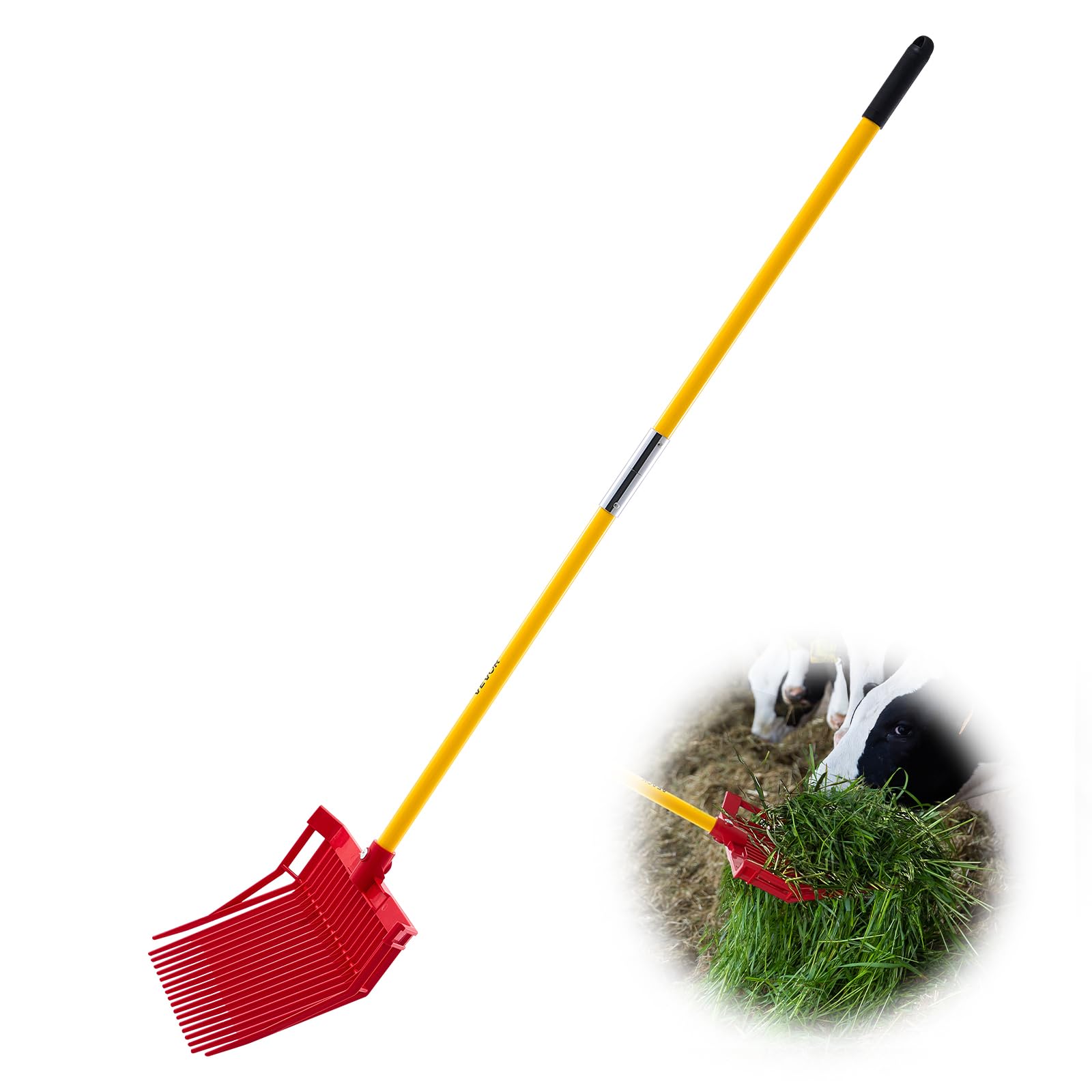
AmazonProductGrid showcases the specific items that experienced owners recommend for immediate setup. These products cover the core tasks of feeding, cleaning, and maintaining your new equestrian home.

As an Amazon Associate, we may earn from qualifying purchases.
These tools form the foundation of your daily routine. Buying quality equipment now saves time and money on replacements later. Check local listings for larger items like trailers, but online retailers offer the best selection for smaller gear.
Boarding costs versus property ownership
The financial decision between boarding and owning often hinges on volume. For casual riders, boarding remains the simpler, lower-commitment path. However, for serious equestrians with multiple horses or frequent training needs, the math shifts dramatically. As noted by HorseProperties.net, if you are already spending thousands per month on boarding, you may be closer to owning your dream horse property than you realize.
Boarding fees typically range from $300 to $800+ per horse per month, depending on whether the stall is bare, full, or includes lessons. Over three years, these costs can exceed the down payment on a modest equestrian estate. Ownership converts a recurring expense into a tangible asset. While maintenance, feed, and veterinary care are still required, you control the budget and the quality of care without paying a facility’s overhead markup.
Consider your long-term trajectory. If you plan to keep horses for more than five years, buying land often provides better long-term value. If your lifestyle is unpredictable or you only ride occasionally, boarding offers flexibility without the burden of property management. Evaluate your current monthly equestrian spend to see if the threshold for ownership is within reach.
Frequently asked questions about horse properties
Is it cheaper to board or own a horse property? For casual riders, boarding often remains the lower-cost option. However, serious equestrians frequently find that owning becomes more economical once boarding fees exceed several thousand dollars per month. If you are already paying premium boarding rates, you may be closer to owning your dream horse property than you think.
What is the minimum acreage needed for a horse property? Most experts recommend at least one to two acres per horse to maintain healthy pasture conditions and prevent overgrazing. This ensures adequate grazing space and allows for rotational management, which is critical for long-term soil health and horse well-being.
How do I find the best equestrian communities in the US? Specialized platforms like HorseProperties.net aggregate listings specifically for equestrian use, filtering for amenities like barns, arenas, and trails. These resources help you identify communities with established horse-friendly infrastructure and zoning laws that support your equestrian lifestyle.
No comments yet. Be the first to share your thoughts!