
What defines a true equestrian community
A true equestrian community is more than just rural land with a few barns; it is a planned development designed specifically for horse ownership. Unlike generic acreage, where you might find yourself miles from the nearest trail or dealing with unpredictable neighbors, equestrian communities offer shared infrastructure and zoning protections that make daily horse care easier and safer.
These developments typically feature shared trail networks, maintained common areas, and specific zoning that protects against incompatible development. This means you are less likely to encounter noise from heavy machinery or commercial operations encroaching on your property. The community structure often includes shared amenities like riding arenas, cross-country courses, or even veterinary clinics, creating a supportive environment for both novice and experienced riders.
The difference between buying a random farm and joining a planned equestrian community is significant. In these planned communities, the land is zoned and managed to support horses, ensuring that your neighbors are also horse owners who understand the needs of livestock. This shared understanding reduces conflicts and creates a cohesive neighborhood where equestrian activities are the norm, not the exception.
When evaluating a property, look for evidence of this planning. Are there designated turnout areas? Is there a community agreement regarding manure management and trail usage? These details signal that the community is truly set up for horse owners, providing a foundation for a sustainable and enjoyable equestrian lifestyle.
Best luxury equestrian estates in Florida
Florida’s high-end equestrian real estate centers on resort-style communities that prioritize turnkey facilities and privacy. Sarasota Ranch Club stands out as the premier destination for serious riders seeking luxury living without sacrificing professional-grade amenities. These estates are designed for immediate occupancy, featuring barns with ample stall space, climate-controlled riding arenas, and manicured pastures that withstand the subtropical climate.
Sarasota Ranch Club offers a gated, secure environment where properties typically sit on one to three-acre lots. The community infrastructure supports high-level training and leisure riding alike, with direct access to trails and shared facilities that maintain the property’s equestrian integrity. Buyers here are looking for more than just land; they want a ready-to-ride lifestyle where the barn is as luxurious as the main residence.
To maintain these properties in Florida’s heat and humidity, specific gear is essential. Lightweight tack prevents sweat buildup and skin irritation, while high-quality sun protection shields both horse and rider from intense UV exposure. The following tools are standard for keeping your equestrian estate in peak condition.


As an Amazon Associate, we may earn from qualifying purchases.
California trail networks and coastal riding
California’s equestrian lifestyle is defined by its year-round riding season and extensive trail systems that weave through diverse landscapes. Communities here are designed to give riders immediate access to groomed paths, coastal bluffs, and foothill routes without the commute. The mild climate allows for consistent training and turnout, making it a top destination for those prioritizing riding frequency over seasonal variety.
Top Equestrian Communities
The Estates at TerraNova Located in Temecula, this community offers a blend of expansive country estates and proximity to town centers. It features a world-class equestrian competition center, allowing residents to train and compete on-site. The area provides well-tended trail networks that connect directly to public lands, ideal for trail riding enthusiasts.
Burrowes-Era Communities Scattered across the state, these carefully designed horse communities focus on shared barns and direct trail access. They prioritize turnkey estates that minimize maintenance while maximizing riding time. Residents benefit from first-rate amenities and a strong sense of community among fellow equestrians.
Essential Gear for California Riding
Riding in California’s varied terrain requires durable, weather-appropriate equipment. Below are highly rated products suited for trail riding and daily care in the state’s climate.


As an Amazon Associate, we may earn from qualifying purchases.
Mountain and Lakefront Horse Communities
Developments nestled in mountain foothills or along lakefronts offer distinct advantages for equestrians seeking varied terrain. The elevation changes provide natural resistance training for horses, while the scenic backdrops often translate to higher property values and a quieter, more secluded lifestyle. These communities typically feature rolling pastures that drain well, reducing the risk of mud-related hoof issues common in flat, low-lying areas.
Rarity Bay on Tellico Lake in Tennessee exemplifies this niche. Residents enjoy direct lake access alongside equestrian amenities, with trails winding through dense forests and open meadows. The terrain here is rugged enough to build stamina but manageable for daily riding. Properties often include private docks and horse barns, blending water sports with traditional equestrian living. This combination appeals to riders who want to switch from trail riding to kayaking without leaving their neighborhood.
Mountain-adjacent communities in the Rockies and Appalachians similarly leverage topography. Steeper slopes mean fewer flat, muddy paddocks, but they require careful pasture management to prevent erosion. Many of these developments include specialized fencing and arena designs that accommodate inclines. The cooler climate also helps keep insects like flies and mosquitoes at bay, improving horse comfort during summer months.
How to evaluate horse property amenities
Finding the right equestrian community means looking past the main residence to the infrastructure that supports your horses. A property with a beautiful home but poor barn conditions or restrictive HOA rules can quickly become a liability. Use this checklist to inspect the critical features that determine whether a property will work for your riding lifestyle.
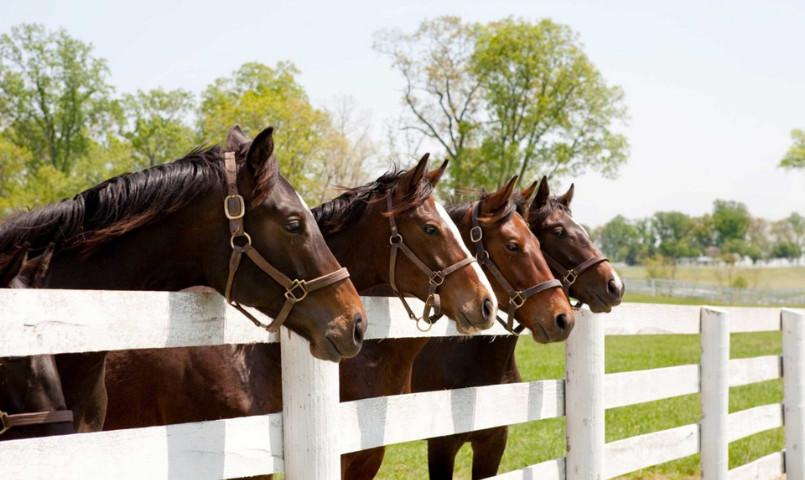
Walk the barn aisle and check for structural integrity. Look for dry, well-ventilated stalls with solid doors and secure latches. Evaluate the footing in the riding arena or paddocks; it should be firm but forgiving, free of deep mud or hard-packed clay. Check that water troughs are clean and heating systems (if present) are functional. A well-maintained barn protects your investment in both the property and your horses.
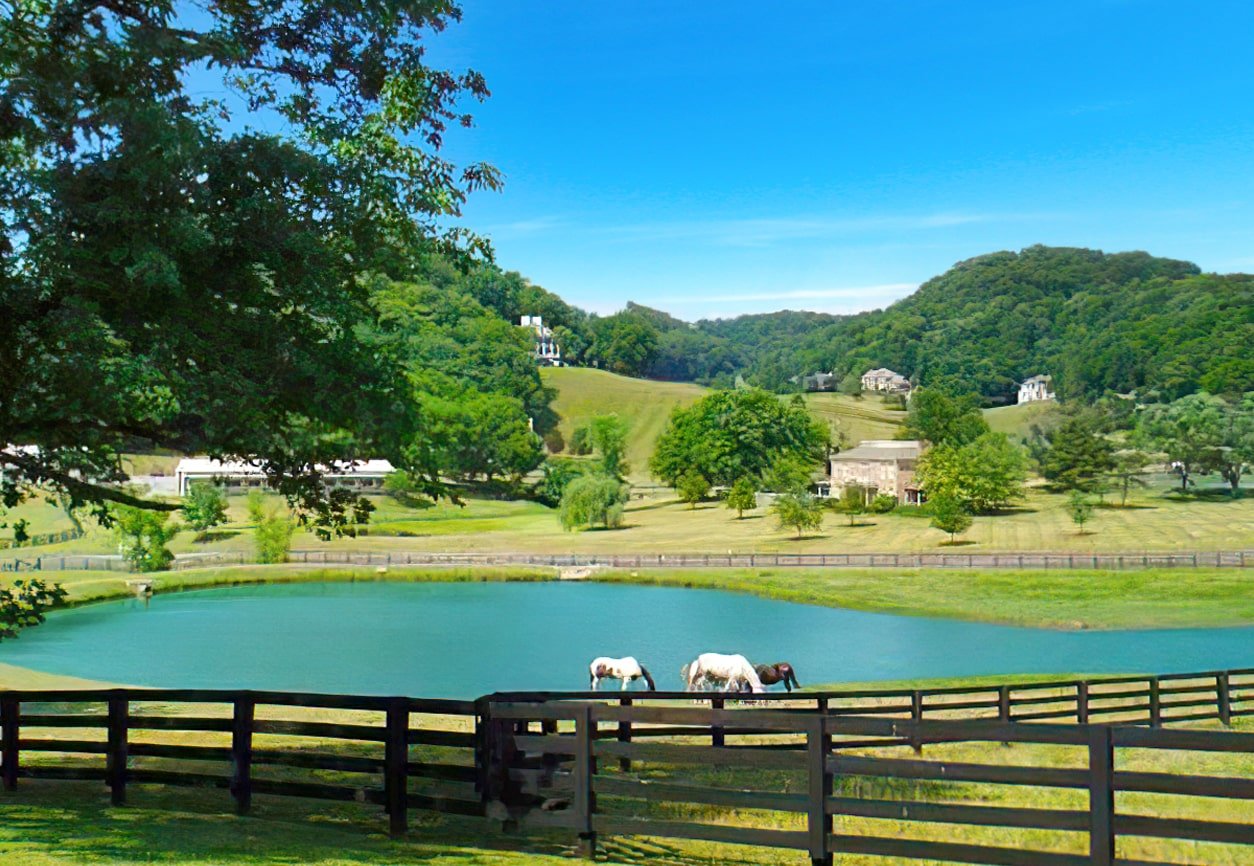
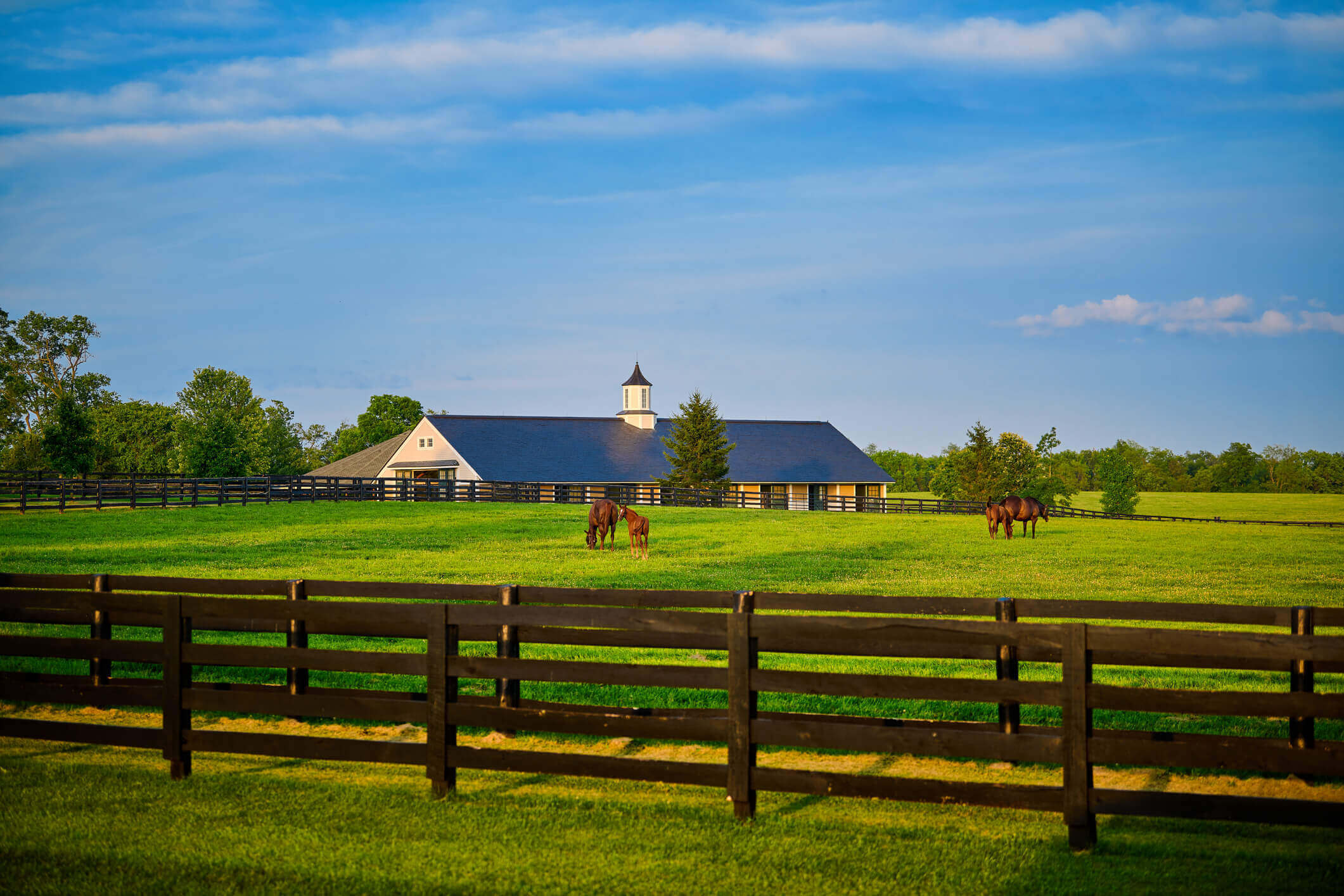
Walk the perimeter of the pastures. Fencing should be sturdy, with no broken rails, loose wires, or sharp edges that could injure horses. Check the grass quality; overgrazed or weed-choked pastures require significant immediate investment. Ensure there is adequate acreage per horse to prevent soil erosion and maintain forage quality. Look for designated turn-out areas that are separate from grazing fields if the property supports multiple horses.
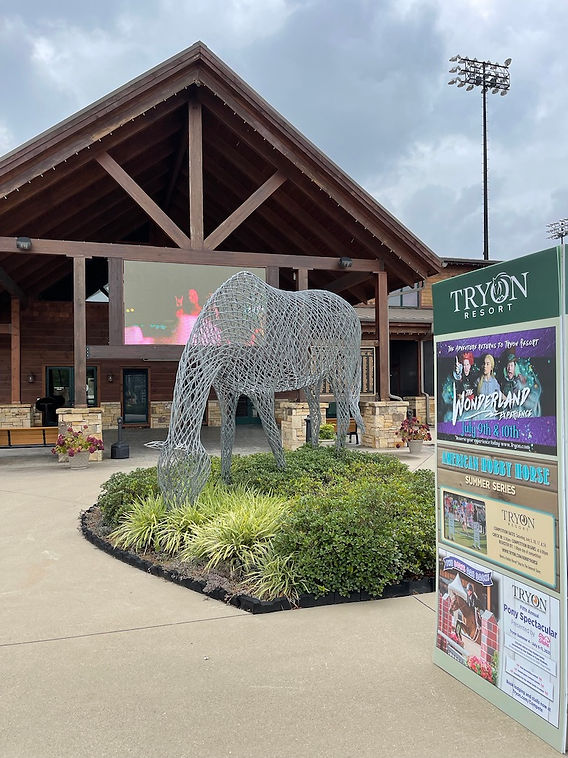
Direct access to public trails or private community trails adds significant value. Check if the trails are well-maintained, marked, and suitable for the type of riding you enjoy, whether that’s dressage, jumping, or trail riding. Ensure there are no hazardous road crossings that require frequent dismounting. A property with extensive, safe trail access reduces the need for long drives to riding spots.
Read the HOA covenants, conditions, and restrictions (CC&Rs) carefully. Some communities have strict limits on the number of horses, minimum acreage requirements, or bans on certain equestrian activities. Others may require specific fencing styles or barn aesthetics. Ensure the rules align with your plans for boarding, breeding, or competing. Conflicts with HOA rules can lead to fines or forced removal of horses.
When comparing properties, use a ComparisonTable to weigh these factors against each other. This helps you visualize which community offers the best balance of infrastructure, land, and community rules for your specific needs.
Frequently asked questions about horse communities
How much do HOA fees typically cost?
HOA fees in equestrian communities vary widely based on the level of shared infrastructure. You can expect monthly dues ranging from $100 to over $1,000. Higher fees usually cover maintained riding trails, shared arena lighting, and common area landscaping. For example, Sarasota Ranch Club offers resort-style amenities that justify higher costs, while simpler acreage developments may have minimal fees limited to basic road maintenance.
Are riding trails always private?
Not necessarily, but private trail networks are a major selling point for safety and convenience. Many communities like Meadow Wood Farms feature well-tended, exclusive trail systems that connect directly to your property or a shared barn. This setup allows you to ride without dealing with public traffic or unpredictable weather on county roads. Always verify if trails are deeded to homeowners or managed by the HOA.
What are common horse restrictions?
Restrictions typically focus on density and waste management. Most communities limit the number of horses per acre, often allowing one horse per one to two acres. Some luxury estates permit multiple horses, while others restrict ownership to specific breeds or sizes. Check for rules regarding manure removal, turnout hours, and whether you can keep livestock other than horses, such as goats or chickens, which are often prohibited.
No comments yet. Be the first to share your thoughts!