
The evolving smart barn
Horse care has always been about observation and responding to an animal’s needs. But the tools we have for that observation are changing rapidly. What we’re calling the "smart barn’ isn’t some futuristic fantasy, it’s a growing trend of integrating technology into every aspect of horse management. It’s a shift from reactive care – addressing problems as they arise – to proactive management, anticipating and preventing issues before they impact the horse"s wellbeing.
For years, barn management meant regular visual checks, monitoring feed consumption, and relying on experience to spot subtle changes in behavior. Now, sensors, automated systems, and data analysis are supplementing that experience. This isn’t simply about making things easier; it’s about improving the precision of care and allowing owners and managers to make more informed decisions.
The earliest technological additions to horse care were relatively simple – automatic waterers, electric fencing. But the current wave is far more sophisticated. We're seeing integrated systems that monitor everything from air quality to a horse’s vital signs, all feeding data into a central platform. This level of detail was unthinkable just a decade ago, and it’s fundamentally changing how we approach horse properties and equestrian communities.
Automated environmental control
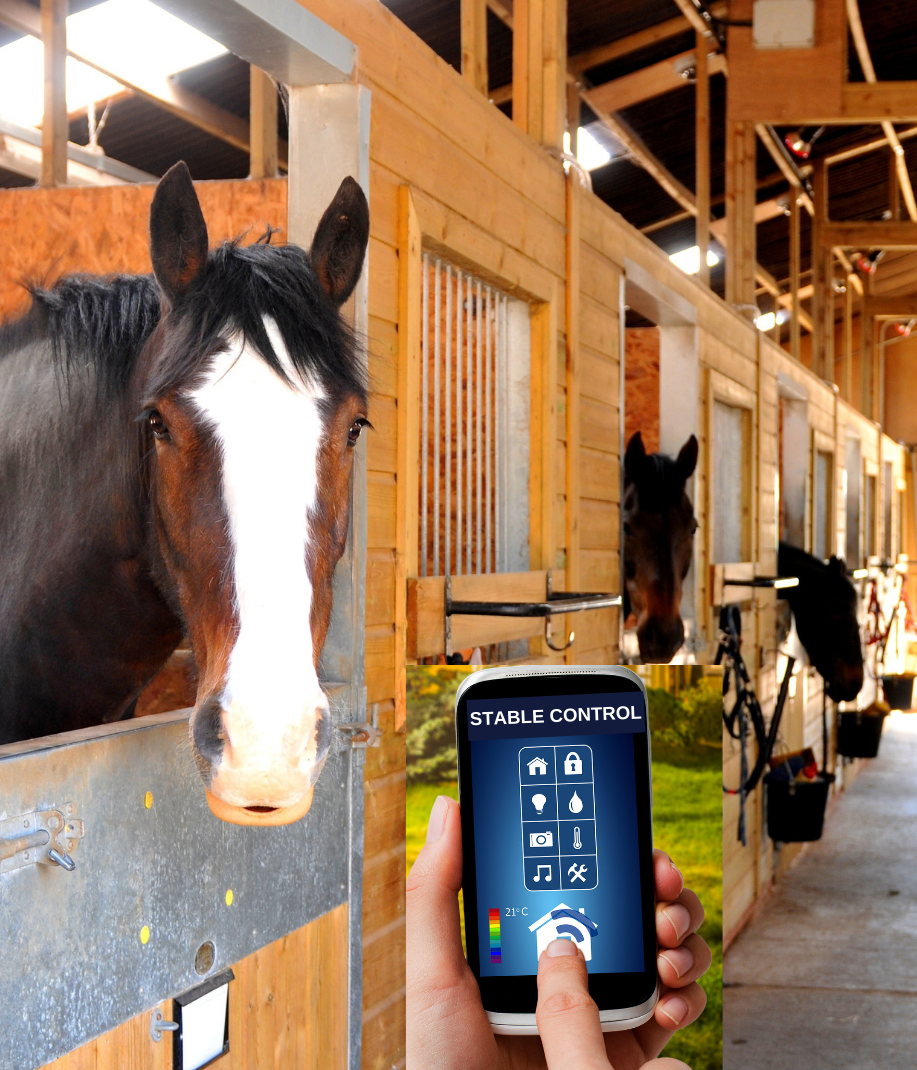
A horse’s respiratory health is directly linked to its environment. Poor ventilation, high ammonia levels, and fluctuating temperatures can all contribute to respiratory issues like heaves. Automated environmental control systems address these concerns by continuously monitoring and adjusting barn conditions.
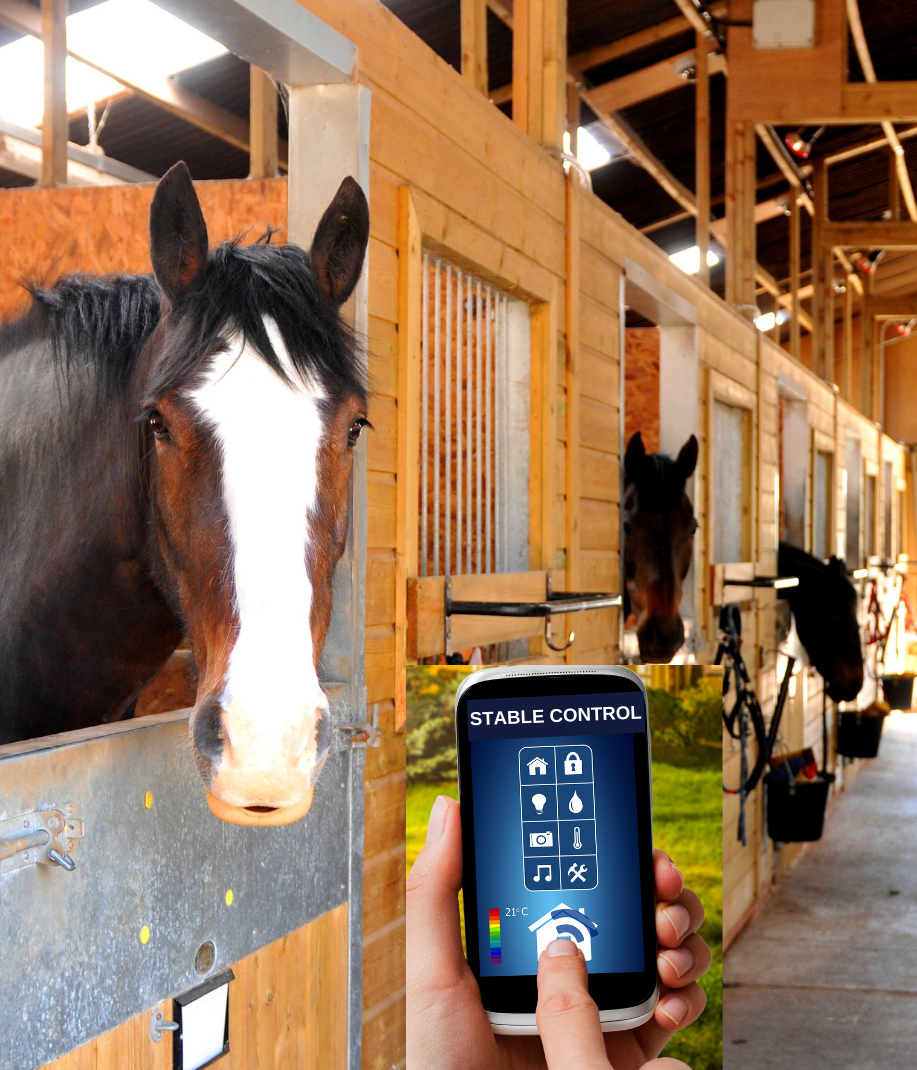
Smart ventilation systems are a prime example. These systems use sensors to detect ammonia, dust, and humidity levels, then automatically adjust fans and vents to maintain optimal air quality. Many modern systems allow for remote control and monitoring via smartphone apps. Temperature and humidity control can be integrated too, ensuring a comfortable environment year-round.
The data logging capabilities of these systems are incredibly valuable. By tracking environmental conditions over time, you can identify patterns, optimize settings, and proactively address potential problems. For instance, you might discover that ammonia levels spike during certain times of the day, prompting you to adjust bedding or ventilation strategies. This isn’t just about comfort; it's about preventative horse care.
Remote health monitoring
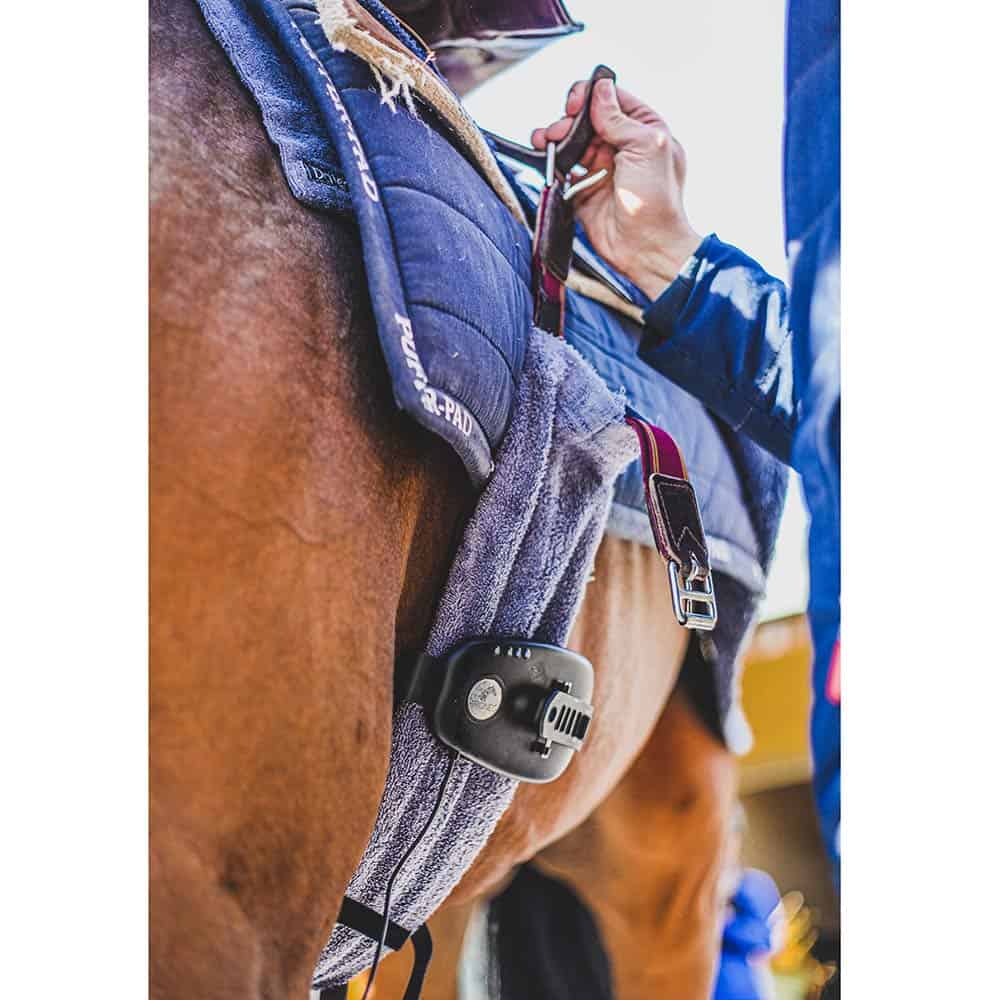
Wearable sensors are becoming increasingly common in equine healthcare, offering a level of insight previously unavailable. These devices, often attached to a horse’s halter or leg, can monitor heart rate, activity levels, and even subtle changes in gait. The goal is to detect early signs of illness or injury before they become serious.
Heart rate monitors can identify stress or potential cardiac issues, while activity trackers can alert you to decreases in movement that might indicate pain or discomfort. More advanced systems are being developed to detect early signs of colic based on changes in abdominal sounds or behavior. However, it’s important to be realistic about the limitations of these devices. They are tools to aid observation, not replace it.
The accuracy of these devices is constantly improving, but they aren’t foolproof. False positives and false negatives can occur, so it’s crucial to interpret the data in conjunction with a thorough visual examination and veterinary assessment. Ideally, this data should be integrated directly into the horse’s veterinary record, allowing vets to track trends and make more informed diagnoses. This kind of data sharing is still developing, but it’s a clear direction for the future of horse management.
I’ve spoken with several vets who are cautiously optimistic about these technologies, but emphasize the need for proper training and interpretation. A sudden spike in heart rate, for example, could be caused by excitement just as easily as by a medical issue.
- Heart rate monitors to catch stress or cardiac spikes
- Activity trackers that flag when a horse stops moving normally
- Gait analysis tools to spot subtle lameness before it's visible to the eye
Smart feeding and water systems
Consistent feeding schedules and adequate hydration are fundamental to horse health. Smart feeding and water systems automate these processes, reducing the risk of human error and ensuring that horses receive the nutrition they need, when they need it.
Automated feeding systems can dispense pre-programmed portions of feed at specific times, eliminating the need for manual feeding. Some systems can even deliver supplements automatically, ensuring that each horse receives the correct dosage. Smart waterers monitor water intake and can alert owners to potential dehydration.
Reliability is a major concern with these systems. What happens if the power goes out, or the system malfunctions? It’s essential to have a backup plan in place, such as a manual feeding system or a reserve water supply. Regular maintenance and inspections are also crucial to prevent breakdowns. Despite these concerns, the benefits of consistent feeding and hydration often outweigh the risks.
Security and stall management
Security is a growing concern for horse owners, particularly in rural areas. Security cameras, stall monitoring systems, and automated gate controls can help deter theft and provide peace of mind. These systems allow owners to remotely monitor their property and receive alerts if anything unusual is detected.
Stall sensors flag when a horse stays down too long, which is often the first sign of a problem. Automated gates keep the property closed to anyone without a code. If you're putting your barn on the cloud, check the encryption levels first so your gate codes and camera feeds stay private.
Emergency alerts ping your phone if a fence line loses power or a horse is cast in a stall. You can link these to your cameras for a full view of the property. I've noticed some high-strung horses get jumpy around clicking sensors or whirring cameras, so watch how they react when you first install them.
Digital records and management software
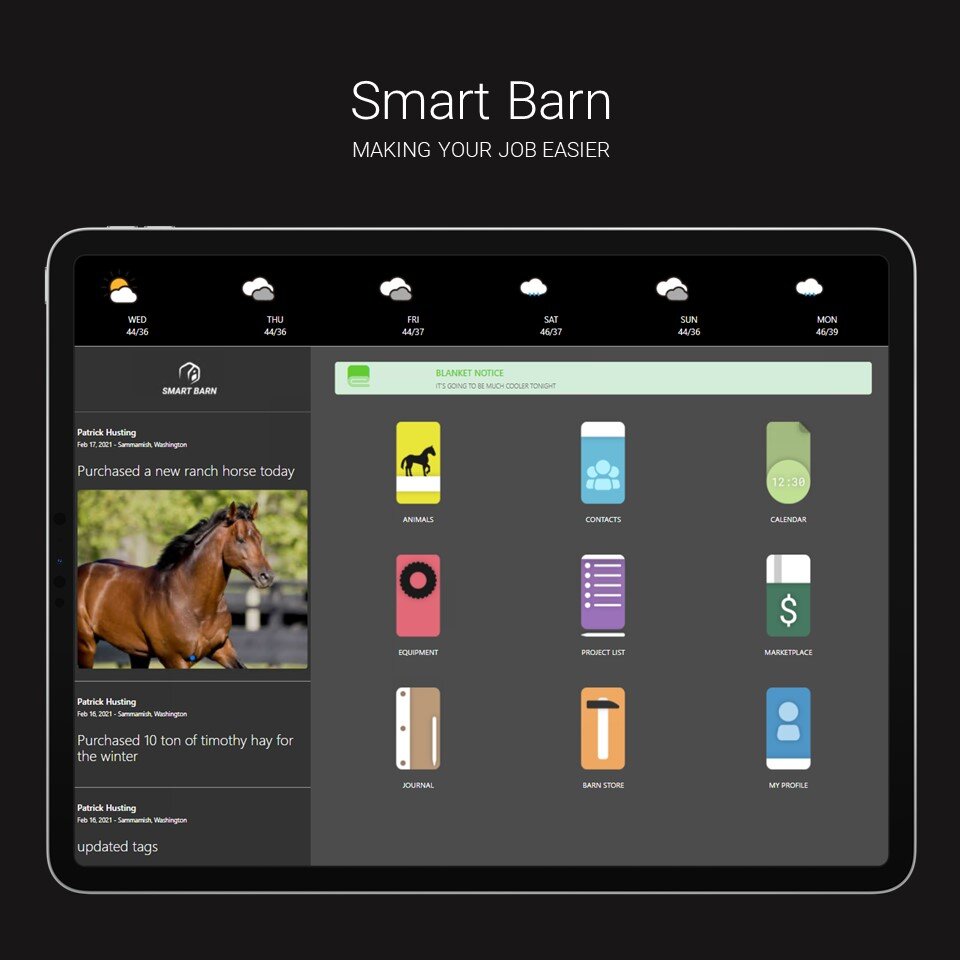
Managing a horse property involves a significant amount of paperwork – veterinary records, farrier appointments, breeding schedules, financial information, and more. Digital record keeping and farm management software streamline these processes, making it easier to stay organized and track important information.
Cloud-based solutions allow you to access your data from anywhere with an internet connection, and many platforms offer features like automated reminders, invoicing, and reporting. The ability to share this information with vets, farriers, and other professionals is a major advantage, fostering better collaboration and more informed decision-making.
Data security is a critical consideration when choosing farm management software. Look for platforms that offer robust security features, such as data encryption and regular backups. Compliance with privacy regulations, such as GDPR, is also important. Several options exist, from dedicated equine management software like Equine Insight to more general farm management tools adapted for horse properties.
Having everything in one place simplifies tasks like tax preparation and insurance claims. It also provides a valuable historical record of the horse’s health and performance.
What horse care technology are you most excited about in the next 5 years?
The future of equestrian property management is evolving rapidly. Whether you run a large breeding operation or maintain a small private barn, new technology is changing how we care for our horses. Vote below and let us know which innovation you are most looking forward to seeing on modern horse properties!
No comments yet. Be the first to share your thoughts!