
What makes a city horse-friendly
Selecting the best horse-friendly cities requires looking past simple acreage. A location with fifty acres of empty pasture is not necessarily a good home for a horse if the surrounding infrastructure cannot support the animal’s daily needs. The most livable cities for riders balance zoning laws that protect equestrian use with the practical reality of trail access, barn density, and community culture.
Infrastructure is the first filter. Cities like Norco, California, have built their identity around being "Horsetown USA," maintaining specific zoning that allows horses within municipal limits despite urban sprawl. This means riders can legally keep horses on smaller lots while still having access to paved streets for turnout and local trails. In contrast, many sprawling rural areas lack the paved trail networks or safe road crossings needed for daily exercise, forcing owners to drive to distant riding areas.
Community culture determines the long-term sustainability of keeping a horse. Places like Ocala, Florida, and Aiken, South Carolina, are renowned not just for land, but for the density of equine services. These cities host a high concentration of veterinarians, farriers, and specialized tack shops. When a city has a critical mass of riders, local businesses adapt to serve them, and social networks form around barns and stables. This density reduces the isolation often felt by horse owners in less populated areas.
Key factors: Trail access, barn density, and local equestrian events are more important than total land area.
Ultimately, a horse-friendly city is one where the infrastructure supports the animal’s routine and the community supports the owner’s lifestyle. It is not enough to have space; there must be a system in place to maintain the horse’s health and safety. Cities that prioritize equestrian zoning and service density create an environment where riding is a convenient part of daily life, not a logistical burden.
Ocala and Wellington in Florida
Florida’s climate and soil make it the undisputed center of gravity for American equestrian life. While the state hosts many horse communities, two cities dominate the national conversation for different reasons. Ocala is the breeding ground, known as the "Horse Capital of the World" due to its limestone-rich soil and sheer volume of equines. Wellington is the sport horse arena, where winter shows and high-level competition drive the local economy. Both are top horse-friendly cities, but they serve distinct purposes for riders.
Ocala’s appeal lies in its infrastructure for breeding and training. The area boasts the highest concentration of horses in the United States, with thousands of acres dedicated to thoroughbred and quarter horse operations. Riders here benefit from a lower cost of living compared to coastal areas and a community built around the cycle of breeding, raising, and training. It is a working horse country, where the rhythm of life is set by the barn rather than the show ring.
Wellington, located in Palm Beach County, offers a different experience. It is the winter headquarters for the world’s elite equestrian athletes. The town hosts major events like the Winter Equestrian Festival, attracting competitors in show jumping, dressage, and hunter/jumper disciplines. The infrastructure here is geared toward performance, with world-class facilities, veterinary services, and a social scene centered around the competitive circuit.
| Feature | Ocala | Wellington |
|---|---|---|
| Primary Focus | Breeding & Training | Sport Horse Competition |
| Climate | Warm, mild winters | Warm, dry winters |
| Property Cost | Moderate | High |
| Key Events | Horse of the Year | Winter Equestrian Festival |
| Community Vibe | Working ranch culture | High-performance sport |
The choice between these horse-friendly cities often comes down to whether you want to raise horses or compete in them. Ocala offers space and a connection to the industry’s roots, while Wellington provides proximity to the highest level of sport. Both cities offer the infrastructure and community support that serious riders need to thrive.
Aiken and Middleburg in the East
Aiken, South Carolina, and Middleburg, Virginia, stand as the historic centers of American equestrian culture. These communities offer a unique blend of prestigious tradition, high-level sport, and established infrastructure that appeals to serious riders. The East Coast’s deep-rooted equestrian history is most visible in these areas, where horse ownership is woven into the local identity and economy.
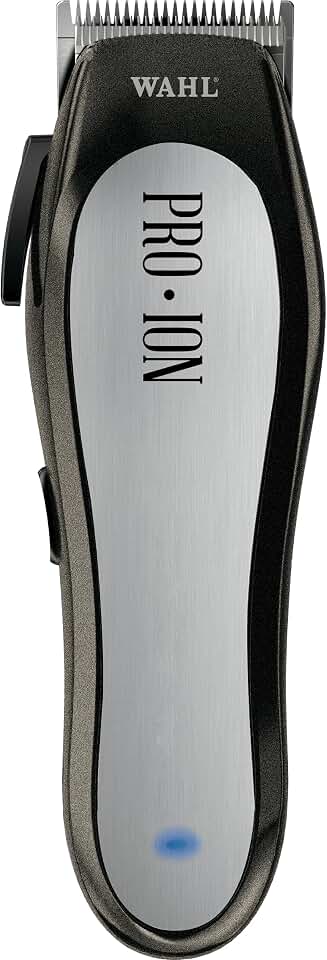
Aiken is renowned for its winter training grounds, particularly for Thoroughbreds. The city’s sandy soil and mild winters attract top trainers and owners from around the world. Riders here benefit from a dense network of facilities, including the Aiken Jockey Club and numerous private training centers. The town’s layout supports equestrian life, with wide roads and ample space for trail riding and exercise. For those looking to equip their horses or themselves, the local market offers high-end tack and apparel suited for competitive environments. Popular items include durable riding boots and specialized grooming kits that withstand the rigorous training schedules common in the area.
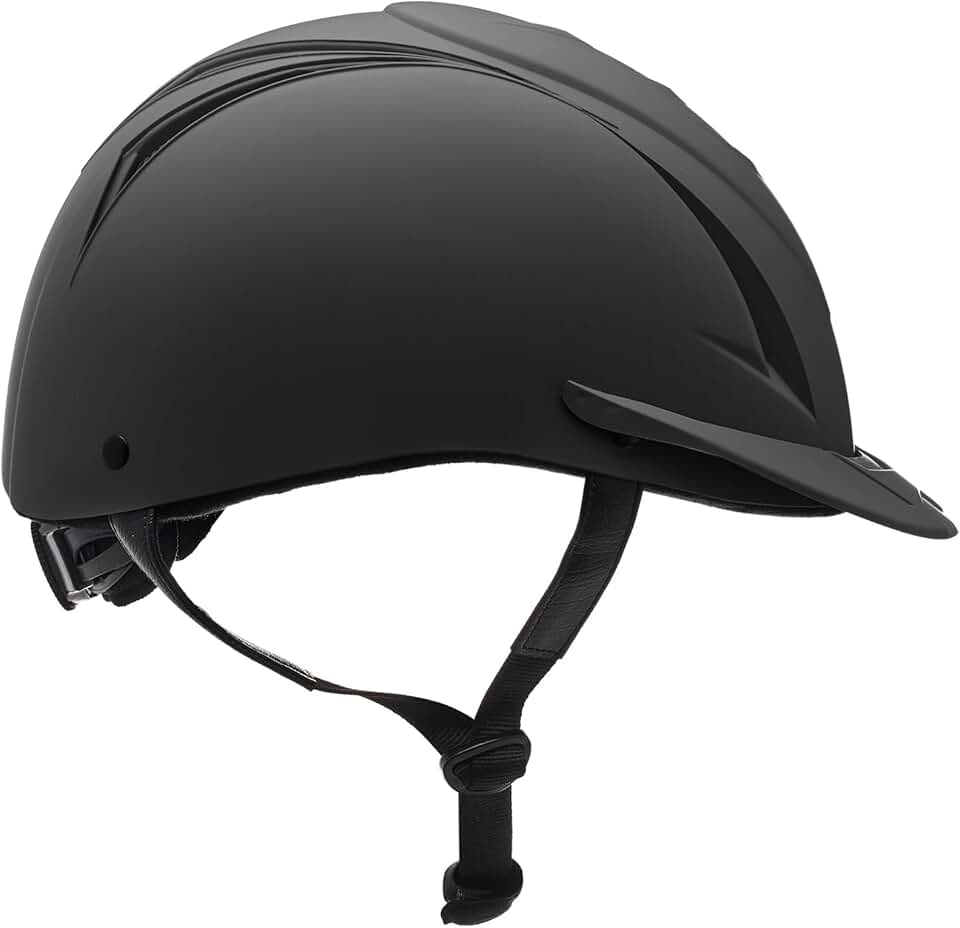
Middleburg, often called the "Horse Capital of the World" for fox hunting, provides a different but equally rich experience. Known for its rolling hills and historic estates, Middleburg is a hub for hunter-jumper competitions and fox hunting. The town’s equestrian community is tight-knit, with events like the National Horse Show drawing international attention. Residents enjoy access to world-class riding schools and breeding farms. When considering gear for this environment, riders often look for classic English tack and protective wear that meets the standards of high-level sport. Essential purchases might include high-quality saddles and safety helmets designed for jumping and cross-country events.
Both cities offer a lifestyle centered around horses, with strong community ties and a focus on equestrian excellence. Whether you are drawn to Aiken’s training culture or Middleburg’s hunting traditions, these communities provide the infrastructure and community support needed for a serious equestrian life.

As an Amazon Associate, we may earn from qualifying purchases.
Western hubs like Norco and Hailey
When you think of riding in a city, the image is often paved streets and heavy traffic. But in Norco, California, the streets are wide, the trails are integrated into the urban grid, and the culture is built around the saddle. Norco bills itself as “Horsetown USA,” serving as one of the last bastions for horse enthusiasts in Southern California. Here, the boundary between suburban life and equestrian activity is thin; you can often see riders heading to the barns right from the sidewalk.
Hailey, Idaho, offers a different kind of urban riding experience. Nestled in the Rocky Mountains, this town combines high-altitude terrain with a vibrant community where horses are a daily sight. The landscape naturally supports riding, with trails winding through town and access to vast public lands just minutes away. In both Norco and Hailey, the infrastructure respects the horse, making these among the most practical horse-friendly cities for riders who want to stay connected to urban amenities without leaving their passion behind.


As an Amazon Associate, we may earn from qualifying purchases.
How to evaluate horse properties
Buying a home in horse-friendly cities requires more than a standard inspection. You need to verify that the land can actually support equine life. A property might look perfect on paper, but poor soil or restrictive zoning can turn your dream into a logistical nightmare. Use this checklist to assess viability before you commit.
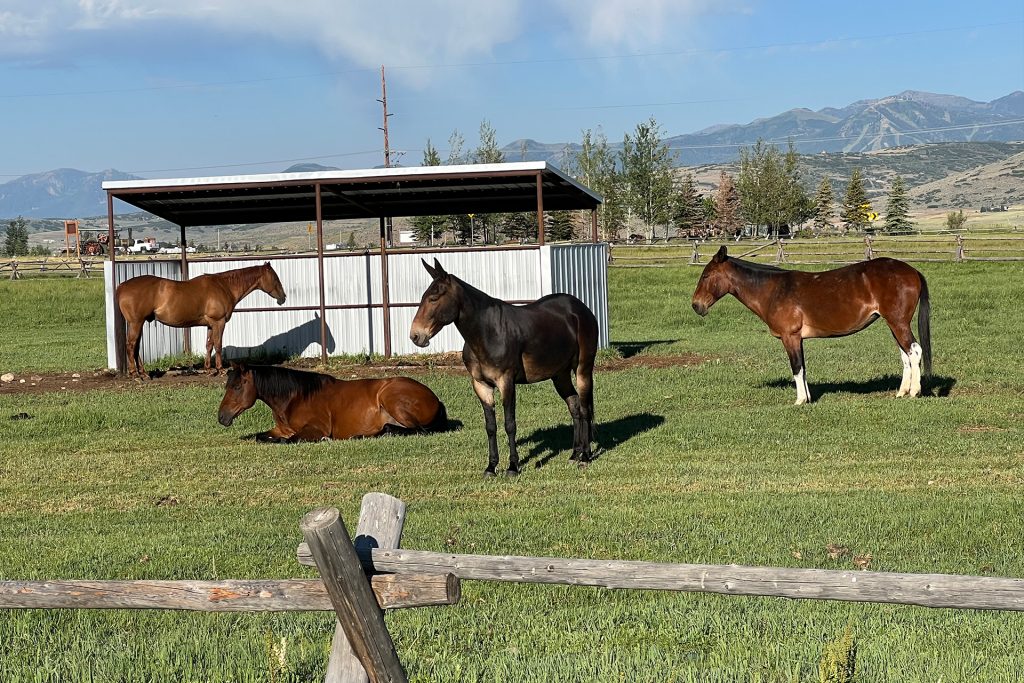
Avoid low-lying areas that stay wet. Horses need dry footing to prevent hoof rot and thrush. Look for well-draining sandy loam or clay soils that don’t turn into mud pits after rain. If the land floods, the cost of grading and drainage systems will eat your budget.
Horses drink a lot. Ensure there is a reliable water source, whether it’s a municipal supply, a well, or a creek. You will need heated buckets or automatic waterers in winter. Test the water quality for minerals and contaminants early in the process.
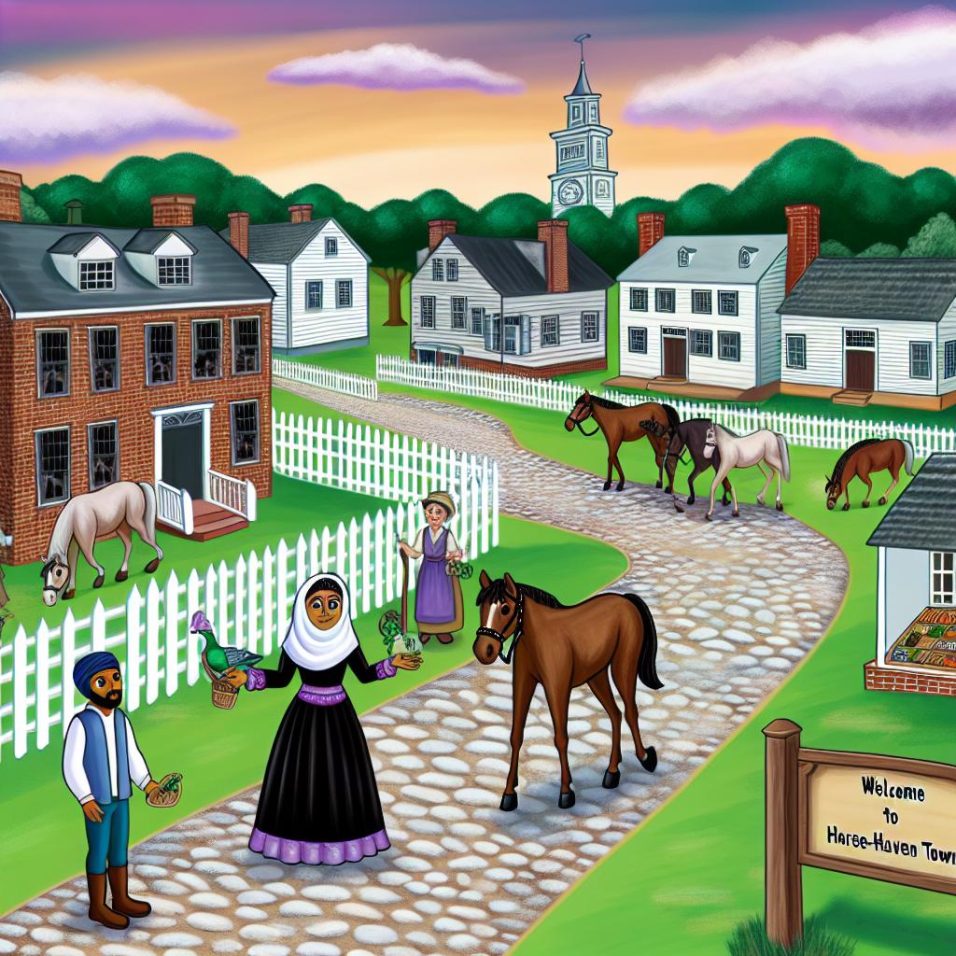
Some neighborhoods in horse-friendly cities have hidden restrictions. Check local ordinances for minimum acreage requirements and HOA rules about barns or pastures. Ensure you can legally keep the number of horses you plan to ride. Some areas limit livestock to one or two animals per lot.
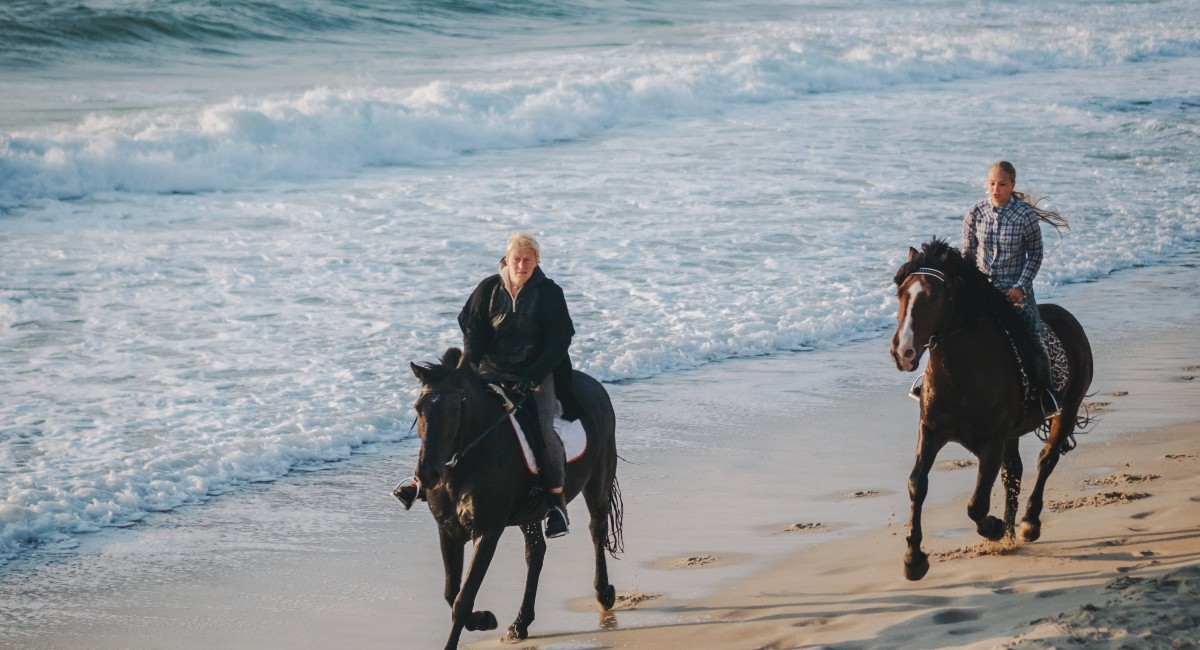
Can you ride from your property? Look for access to trails, roads, or neighboring land. If you have to trailer your horse to a trailhead every time, the property loses value for daily riders. Direct access to public trails or private riding networks is a major plus.
When you find a property that checks these boxes, you are ready to move forward. The right location in horse-friendly cities offers both a home and a lifestyle. Focus on the practicalities first, and the rest will follow.
Frequently asked questions about riding cities
What cities allow horses? Norco, California, bills itself as "Horsetown USA" and remains one of the last bastions for horse enthusiasts amidst the urban sprawl of Southern California. Other notable spots include Rancho Santa Fe and Woodside in California, as well as Love Valley, North Carolina, and Mackinac Island, Michigan, where horses are a primary mode of transport.
What cities are known as horse cities? Ocala, Florida, is widely recognized as the "Horse Capital of the World," boasting an estimated 80,260 equines. Aiken, South Carolina, and Wellington, Florida, are also leading equestrian hubs, while Louisville, Kentucky, maintains a strong reputation in the industry.
Where is the best place to live with horses in the world? Ocala, Florida, is often cited as the top choice due to its sun-drenched climate and limestone-rich soil, which promotes strong bone health in horses. The area is an equine epicenter with unparalleled access to trails and facilities.
What town is the Horse Capital of the world? Ocala and Marion County hold this title. The region’s mild year-round climate and calcium-rich soil make it ideal for equine health, supporting more horses than any other county in the country.
No comments yet. Be the first to share your thoughts!