

The new reality of property risk
Owning a horse farm in the US looks different than it did twenty years ago. We are dealing with more floods, longer droughts, and fires that move faster than they used to. These shifts aren't just headlines; they change how we build barns and where we can safely turn horses out.
The impact is already visible. According to the National Oceanic and Atmospheric Administration (NOAA), the number of billion-dollar weather and climate disasters in the US has been steadily rising. FEMA reports increasing claims related to flooding, and the areas considered at high risk are expanding. Even more subtly, shifting USDA plant hardiness zones mean that pasture grasses and hay crops that thrived in a region a decade ago may struggle to survive now.
These changes aren't uniform across the country. Coastal areas face increased risks from hurricanes and sea-level rise, while the Southwest contends with prolonged drought and escalating wildfire danger. The Midwest is experiencing more frequent and intense thunderstorms and flooding events. Understanding these regional variations is the first step toward building resilience. Ignoring these trends is simply no longer an option for anyone invested in horse properties.
The financial implications are significant. Beyond the immediate costs of repairs and recovery after a disaster, property values in high-risk areas are likely to be affected. Insurance costs are rising, and in some cases, coverage may become unavailable. Thoughtful planning and proactive mitigation are crucial not only for protecting horses but also for safeguarding investments.
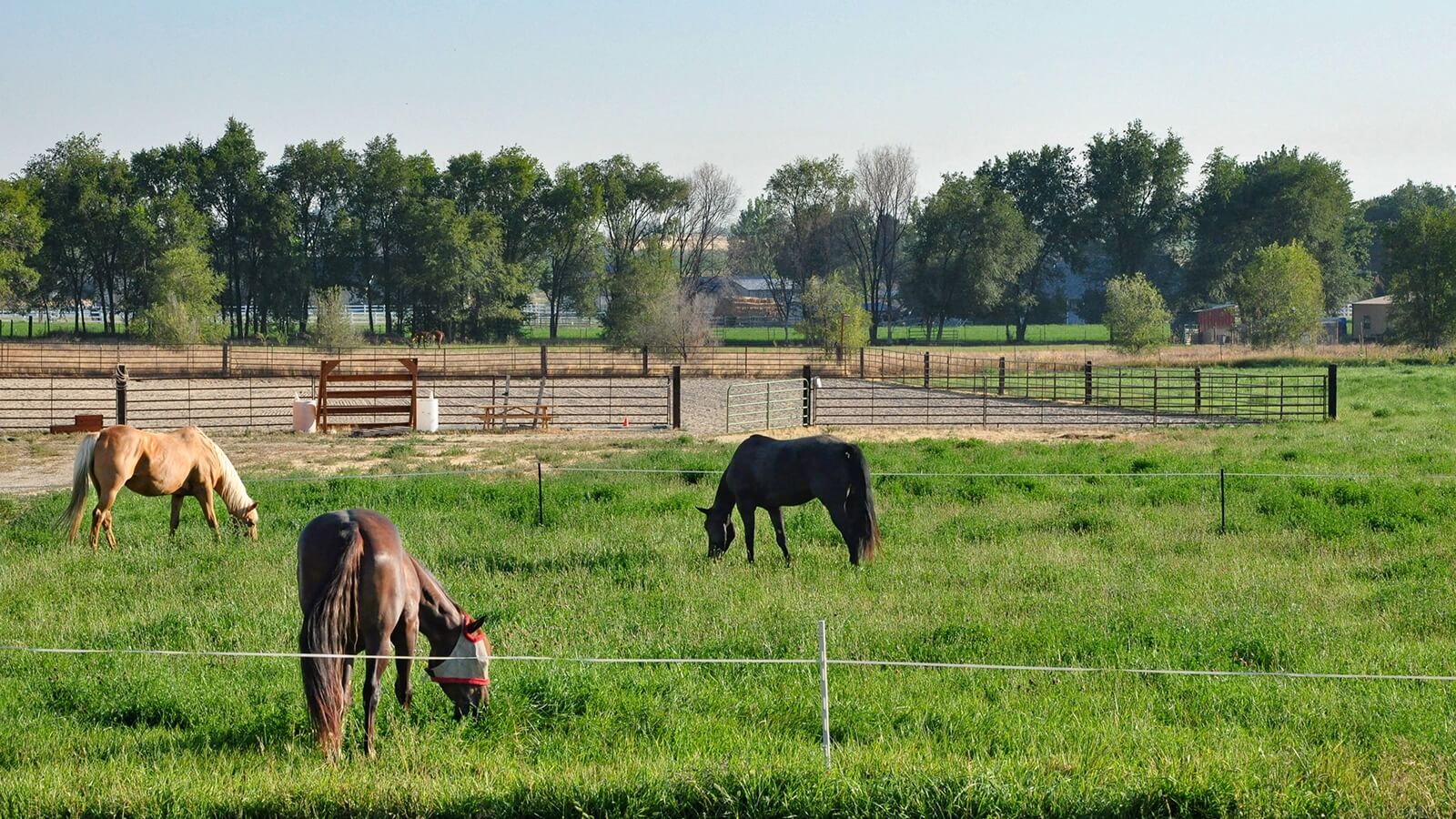
Managing flood zones
Flooding is a major concern for horse properties, and the risks are growing. Even if your land isn't currently within a designated FEMA flood zone, it doesn't mean it's safe. FEMA flood maps are constantly being updated to reflect changing conditions and new data, and many areas previously considered low-risk are now being reevaluated. You can explore these maps yourself at the FEMA Flood Map Service Center:
Flooding can devastate pastures, rendering them unusable for grazing and hay production. Barns and arenas can suffer structural damage, and stored feed can be ruined. More importantly, flooding poses a direct threat to horse health. Prolonged exposure to wet conditions can lead to conditions like mud fever, and standing water can harbor bacteria and parasites that cause waterborne illnesses. Horses can also be injured or even drown in floodwaters.
Mitigation strategies range from relatively simple to more complex. Improving drainage is essential, and ensuring that pastures slope away from buildings can help divert water. Building on higher ground or elevating barns on stilts can provide protection, though these are significant investments. Consider the potential for upstream flooding – what happens if a nearby river overflows? Understanding the broader watershed is crucial.
Flood insurance is usually mandatory in high-risk zones, but I'd buy it even if the bank doesn't force the issue. Standard homeowner policies rarely cover a barn or a ruined indoor arena. Check your specific policy limits before the rain starts.
- Check the latest FEMA maps for your specific parcel regularly.
- Improve Drainage: Ensure proper drainage on your property.
- Elevate Structures: Consider raising barns and other buildings.
- Secure Feed Storage: Protect feed from water damage.
- Emergency Evacuation Plan: Have a plan for quickly and safely evacuating horses.
Securing water rights
Drought conditions are particularly acute in the Western US, but they're becoming more widespread. The US Drought Monitor () provides detailed maps and data on drought severity across the country. In areas experiencing prolonged drought, access to water can become a major limiting factor for horse properties.
Water rights are a complex legal issue, and they vary significantly from state to state. Some states adhere to the principle of 'prior appropriation,' meaning that the first person to use water has the senior right. Others follow a 'riparian' system, where water rights are tied to land ownership along a water source. Understanding the water rights associated with your property is essential, and it’s best to consult with a qualified attorney specializing in water law.
Beyond legal considerations, practical water conservation measures are crucial. Drought-resistant pasture grasses, such as bermudagrass and certain varieties of fescue, can reduce the need for irrigation. Rainwater harvesting systems can provide a supplemental water source, and greywater systems (reusing water from showers and laundry) can be used for non-potable purposes, like watering pastures. However, regulations regarding greywater use vary by location.
The cost of hauling water can quickly become prohibitive during prolonged droughts. Well viability is also a concern, as groundwater levels decline. Before purchasing a property, investigate the reliability of the local water supply and the potential for future water restrictions.
- Stick to drought-hardy grasses like bermudagrass or specific fescue varieties.
- Rainwater Harvesting: Collect and store rainwater.
- Greywater Systems: Reuse water for non-potable purposes (check local regulations).
- Water Well Assessment: Evaluate the well's capacity and reliability.
- Water Rights Verification: Consult with a legal expert to understand your rights.
Drought-Resistant Pasture Grass Comparison for Horse Properties
| Grass Type | Water Needs | Growth Rate | Nutritional Value for Horses | Approximate Seed Cost per Acre |
|---|---|---|---|---|
| Bermuda Grass | Low; highly drought tolerant once established. | Fast; actively grows during warm season. | Moderate; requires fertilization to maintain adequate levels. Can accumulate oxalate. | $30 - $75 |
| Bahia Grass | Low to Moderate; good drought tolerance. | Moderate; slower to establish than Bermuda. | Moderate; generally palatable, but can become stemmy if not managed with grazing or haying. | $20 - $50 |
| Tall Fescue | Moderate; some drought tolerance, especially newer varieties. | Moderate to Fast; cool-season grass. | Good; provides fiber and energy. Endophyte-free varieties are crucial for horse health. | $40 - $80 |
| Orchardgrass | Moderate; requires more moisture than Bermuda or Bahia. | Fast; cool-season grass, responds well to moisture. | High; palatable and nutritious, but can be prone to overgrazing. | $50 - $100 |
| Native Bluestem (Little Bluestem, Big Bluestem) | Low; deeply rooted and very drought tolerant. | Moderate; slower to establish. | Good; provides valuable forage, but palatability can vary depending on maturity and species. | $60 - $150 (can vary greatly by region and seed source) |
| Switchgrass | Low; excellent drought tolerance. | Moderate to Fast; warm-season grass. | Moderate; palatable when young, but can become less so with maturity. Good fiber content. | $40 - $80 |
Illustrative comparison based on the article research brief. Verify current pricing, limits, and product details in the official docs before relying on it.
Wildfire and defensible space
Wildfires pose an increasing threat to horse properties, particularly in California, the Southwest, and now even in areas like the Pacific Northwest and the Southeast. According to Cal Fire, California has seen a dramatic increase in the acreage burned by wildfires in recent years. The National Interagency Fire Center (NIFC) provides national wildfire statistics and forecasts.
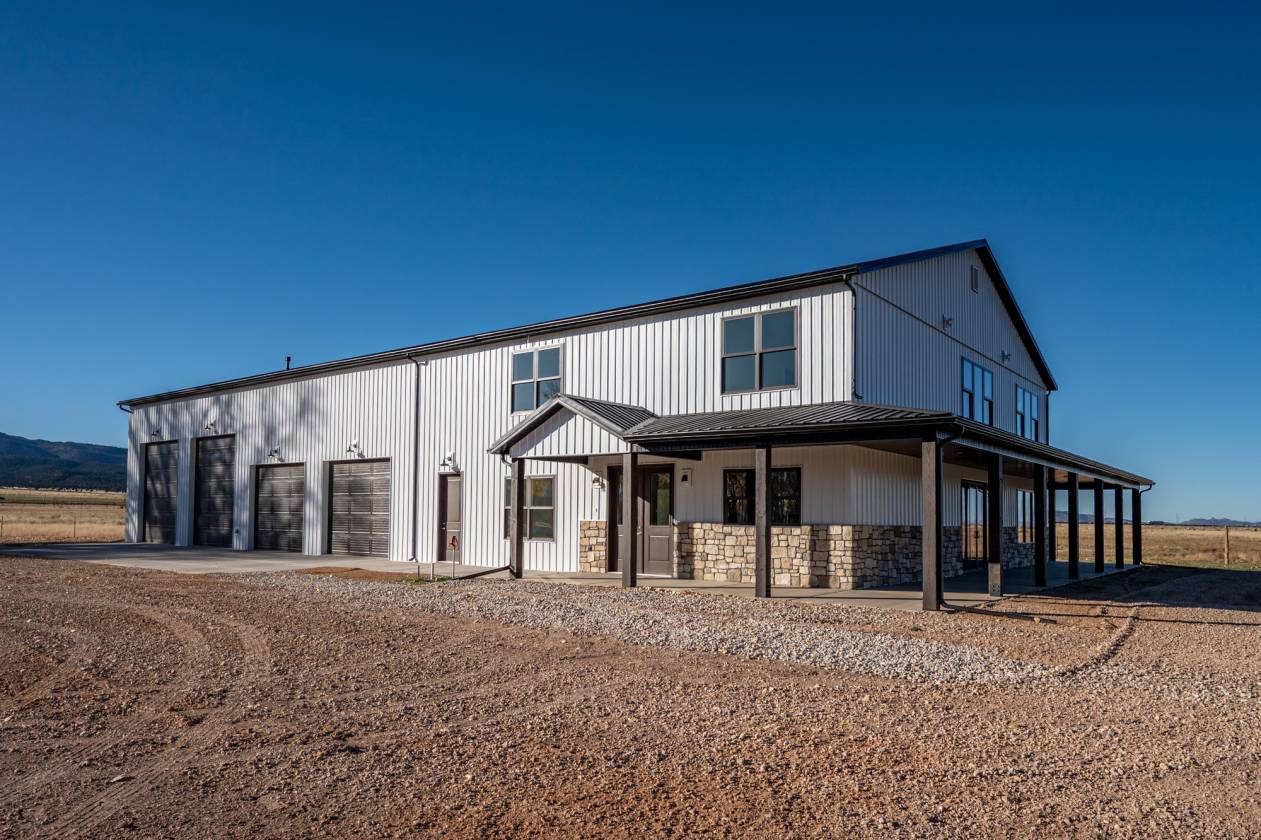
Creating defensible space around buildings is the most effective way to protect your property. This involves removing vegetation, thinning trees, and creating a buffer zone free of flammable materials. Local regulations often specify the required width of defensible space, and it’s essential to comply with these requirements. Building materials also matter – metal roofs and stucco siding are more fire-resistant than wood shingles or vinyl siding.
Evacuation planning is critical. Have a plan for quickly and safely evacuating your horses, and ensure that you have a designated evacuation route. Consider the possibility of road closures and the need for alternative routes. Identify a safe location where you can shelter your horses, and make sure you have the necessary supplies (food, water, medications).
Getting insurance in fire country is getting harder. Some companies are pulling out of zip codes entirely. I recommend taking photos of your metal roof and cleared brush lines; showing an agent that you've actually done the work can sometimes help you keep a policy or lower a premium.
Handling temperature swings
Climate change isn't just about warmer temperatures; it's about more variable temperatures and an increase in extreme weather events on both ends of the spectrum. Horses are susceptible to both heat stress and cold stress, and owners need to be prepared for both. Heat stress can lead to heatstroke, a life-threatening condition, while extreme cold can cause hypothermia and frostbite.
In hot weather, provide horses with plenty of shade and access to fresh, cool water. Barn ventilation is crucial, and fans can help circulate air. Cooling systems, such as misters or evaporative coolers, can provide additional relief. Monitor horses closely for signs of heat stress, such as excessive sweating, rapid breathing, and lethargy. In cold weather, ensure horses have access to shelter from the wind and precipitation.
Winter blanketing can help horses maintain their body temperature, but it’s important to use blankets appropriately. Over-blanketing can lead to overheating and sweating, while under-blanketing can leave horses vulnerable to the cold. Consider the horse’s age, health, and body condition when choosing a blanket. Provide access to unfrozen water and ample forage, as digestion generates heat.
The key is proactive management. Regularly check weather forecasts and adjust your management practices accordingly. Be prepared to provide supplemental cooling or heating as needed, and always prioritize the health and safety of your horses. Remember that horses acclimate to gradual temperature changes better than sudden shifts.
- Monitor Weather: Stay informed about upcoming temperature changes.
- Provide Shade & Water: Ensure access to shade and fresh water in hot weather.
- Ventilate Barns: Improve air circulation in barns.
- Use Blankets Appropriately: Provide winter protection based on horse's needs.
- Observe for Signs of Stress: Monitor horses closely for signs of heat or cold stress.
Why location is everything
Choosing the right equestrian community is just as important as selecting the right property. Look for communities that are actively preparing for the impacts of climate change. Are local governments investing in infrastructure improvements, such as improved drainage systems, upgraded power grids, and wildfire mitigation measures? Are they developing and implementing climate action plans?
A strong local emergency response system is also crucial. How quickly can emergency services respond to a disaster? Are there evacuation plans in place for horses and other livestock? Are there designated emergency shelters that can accommodate animals? A community that prioritizes preparedness will be better equipped to cope with the challenges of a changing climate.
Some communities are already leading the way in climate resilience. For example, certain towns in Washington State are investing heavily in wildfire mitigation, while coastal communities in Florida are implementing sea-level rise adaptation strategies. While I don’t want to endorse specific locations without further research, looking at communities with proactive plans is a good starting point. Best of Horse’s community profiles are a great resource, but consider adding a climate resilience lens to your evaluation.
Talk to local residents and ask about their experiences with extreme weather events. What challenges have they faced, and how has the community responded? A strong sense of community and a willingness to work together are essential for building resilience. A community that’s actively engaged in planning for the future is a good sign.
Insurance & Future-Proofing
Insurance plays a critical role in mitigating climate risk, but the landscape is changing. Insurance companies are increasingly factoring climate risk into their premiums, and coverage may become more difficult to obtain in high-risk areas. It's worth exploring whether your insurance provider offers discounts for properties with climate-resilient features, such as metal roofs, defensible space, or backup power systems.
Beyond insurance, there are steps you can take to future-proof your property. Investing in renewable energy, such as solar panels, can reduce your reliance on the grid and lower your energy bills. Improving water conservation measures, such as rainwater harvesting and greywater systems, can reduce your water costs and ensure a reliable water supply.
Consider implementing sustainable land management practices, such as rotational grazing and cover cropping, to improve soil health and reduce erosion. These practices can also enhance the property’s ability to absorb water and withstand drought conditions. Regular maintenance of buildings and infrastructure is also crucial. Addressing minor repairs promptly can prevent them from escalating into major problems.
Ultimately, building a climate-resilient horse property is an ongoing process. It requires proactive planning, ongoing maintenance, and a willingness to adapt to changing conditions. By taking these steps, you can protect your horses, your investment, and your way of life for years to come. It's about recognizing that climate change is here, and preparing for the future, rather than hoping it will go away.
- Explore Insurance Discounts: Inquire about incentives for climate-resilient features.
- Invest in Renewable Energy: Consider solar panels or other renewable sources.
- Improve Water Conservation: Implement rainwater harvesting or greywater systems.
- Sustainable Land Management: Practice rotational grazing and cover cropping.
- Regular Maintenance: Address repairs promptly.
No comments yet. Be the first to share your thoughts!