
Where to buy horse property
Finding the best horse properties means looking beyond the fence line. You need land that supports your specific discipline, whether that’s high-dollar thoroughbred breeding, eventing, or leisure riding. The right location offers established infrastructure, from reputable veterinarians to specialized farriers and consistent footing.
Ocala, Florida, sits at the top of most popularity lists. Known as the "Horse Capital of the World," it offers warm weather year-round and a dense network of equestrian services. Nearby, Lexington, Kentucky, provides the prestige and soil quality essential for thoroughbred and quarter horse breeding. For those seeking a balance of climate and community, Tryon, North Carolina, has emerged as a major eventing hub, while Scottsdale, Arizona, appeals to riders who prefer desert landscapes and year-round riding conditions.
Choosing among these top regions often comes down to budget and climate preference. The table below compares the primary focus and general cost indicators for these four leading markets.
| Region | Primary Discipline | Land Cost Indicator | Climate |
|---|---|---|---|
| Ocala, Florida | Show Jumping, Hunters, Reining | Moderate to High | Warm, Humid |
| Lexington, Kentucky | Thoroughbred Breeding, Dressage | High | Four Seasons |
| Tryon, North Carolina | Eventing, Show Jumping | Moderate | Mild, Four Seasons |
| Scottsdale, Arizona | Western, Trail, Endurance | High | Arid, Warm |
Florida and the Southeast market
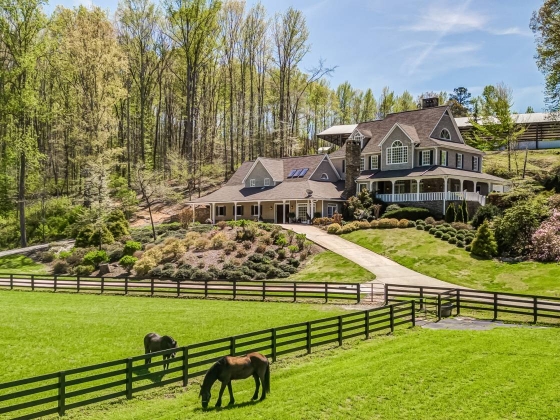
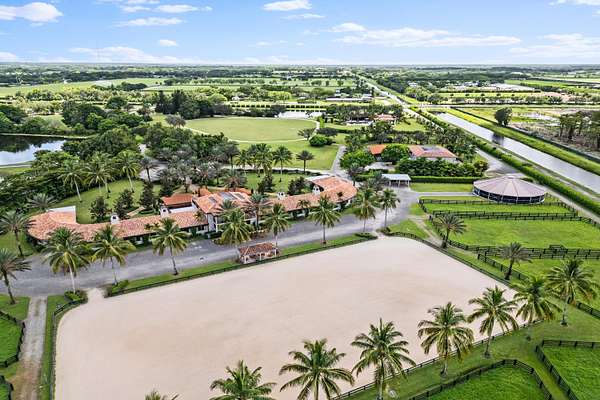
Florida dominates the best horse properties market by offering year-round riding conditions that most other states simply cannot match. The climate allows for consistent training schedules regardless of the season, a primary driver for equestrians seeking reliability in their daily routines. This geographic advantage is compounded by an established infrastructure of high-quality facilities, from sprawling equestrian estates with multiple pastures to smaller, charming country homes with functional barns and riding arenas [src-serp-8].
The Southeast also provides a dense network of specialized services, including veterinary care, farriers, and competitive venues that support serious horse ownership. Properties here often feature mature landscaping and established trails, reducing the initial setup time required for new owners. The combination of favorable weather and ready-made infrastructure makes the region a top choice for those prioritizing usability over raw land size.
Kentucky and the Bluegrass region
Kentucky’s Bluegrass region remains the undisputed heart of American thoroughbred culture, making it a top destination for those seeking the best horse properties. Lexington, frequently cited as the second most popular equestrian region in the country, offers a unique blend of historic prestige and modern luxury. Here, horse ownership is not just a hobby but a deeply rooted tradition that influences everything from land zoning to community standards.
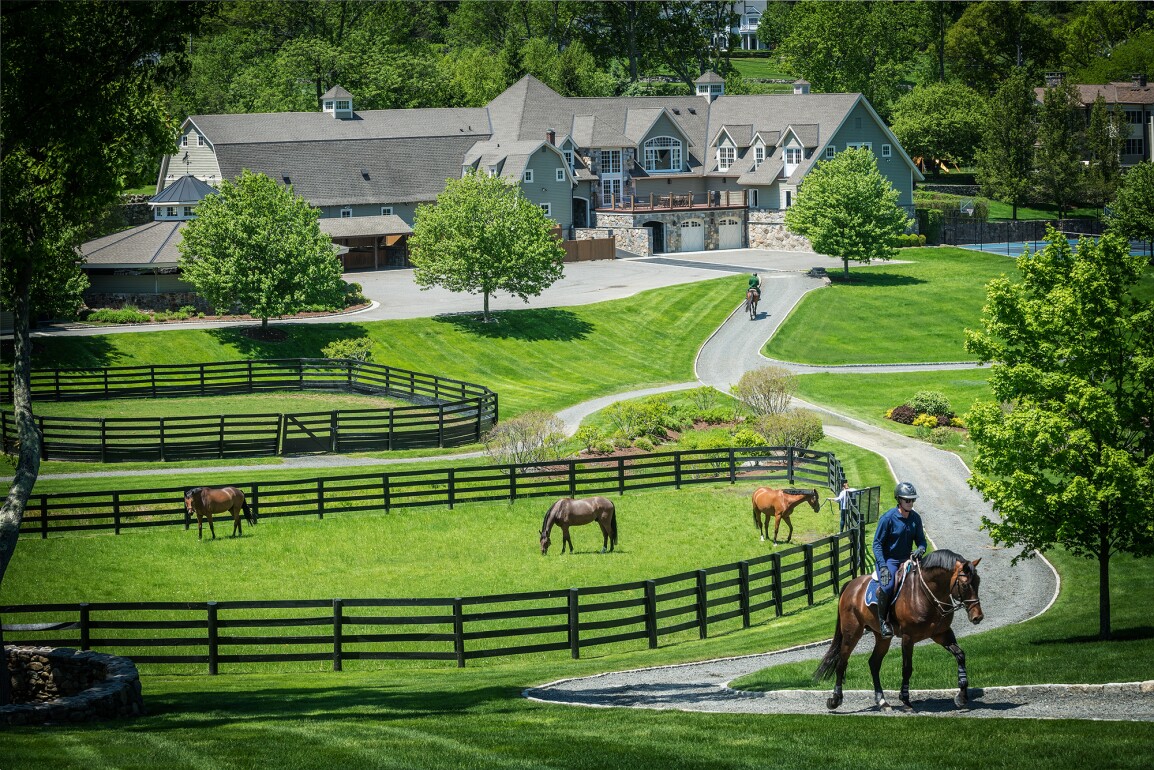
Properties in this region are defined by their world-class infrastructure. Buyers often find verdant riding fields, state-of-the-art stables, and custom indoor and outdoor arenas that rival professional training facilities. The appeal lies in the ability to maintain high-performance standards without leaving the comfort of home. Whether you are breeding thoroughbreds or managing a leisure riding program, the local expertise and resources are unmatched.
The landscape itself is a major draw, with rolling hills and limestone-rich soil that supports lush pastures. This natural beauty is complemented by a vibrant social scene centered around horse shows, auctions, and breeding events. Owning an equestrian property in Kentucky means joining a community that values the sport and the lifestyle it entails.
Texas and Western equestrian land
Texas and the broader Western market define the best horse properties for riders who prioritize scale and terrain. Here, acreage is abundant, and the land itself is a primary asset. Unlike the confined pastures of the Northeast, Western equestrian communities offer the space necessary for diverse riding disciplines, from trail riding across rugged canyons to working cattle on open ranches.
The versatility of these properties is unmatched. Buyers can find everything from compact 5-acre hobby farms to sprawling 1,000-acre working ranches. This variety allows for a wide range of equestrian lifestyles. Whether you need a quiet retreat with a turnkey barn or a large-scale operation with multiple corrals and riding arenas, the Western market delivers the infrastructure to support serious horse keeping.
The landscape itself dictates the daily rhythm of life. Rolling hills, pine forests, and desert plains provide natural obstacles and scenic beauty that enhance trail riding. This terrain requires a different approach to property management, focusing on water rights, soil quality for forage, and fencing that can withstand harsh weather. For many, the appeal is not just the horse facilities, but the freedom to use the land as an extension of the riding experience.
Essential gear for new horse owners
Owning the best horse properties is only half the equation; the other half is keeping your equine partner safe and comfortable. When you first move into an equestrian community, you need to build a reliable inventory of maintenance and tack items. Think of this gear as your safety net—having the right tools on hand prevents small issues from becoming expensive vet bills.
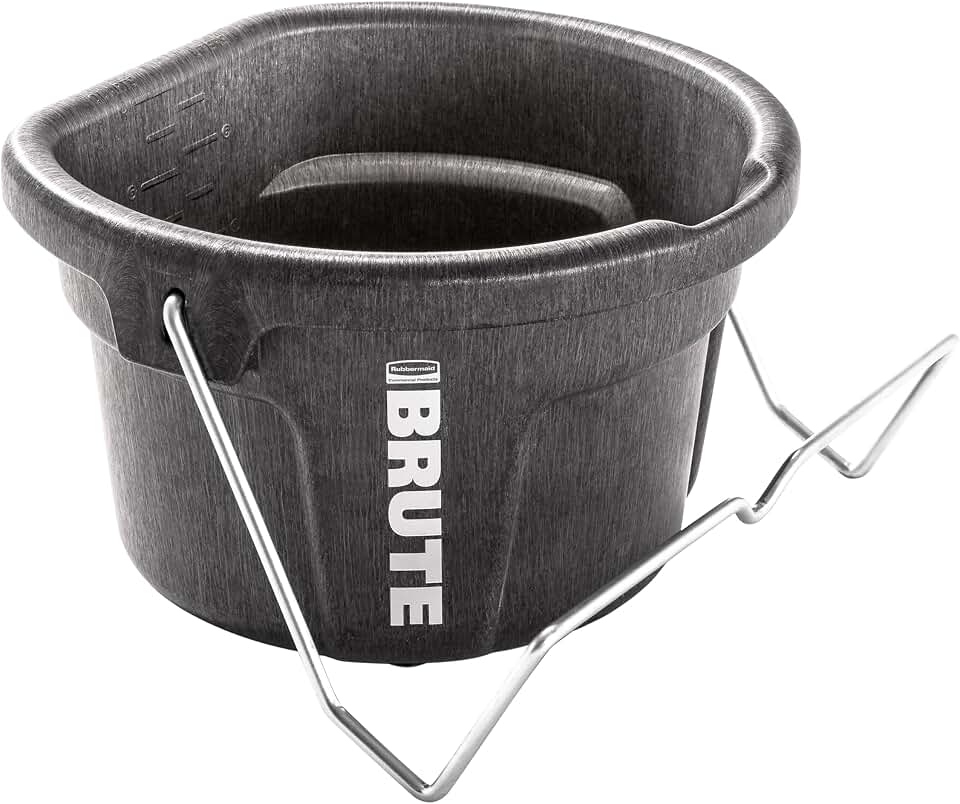
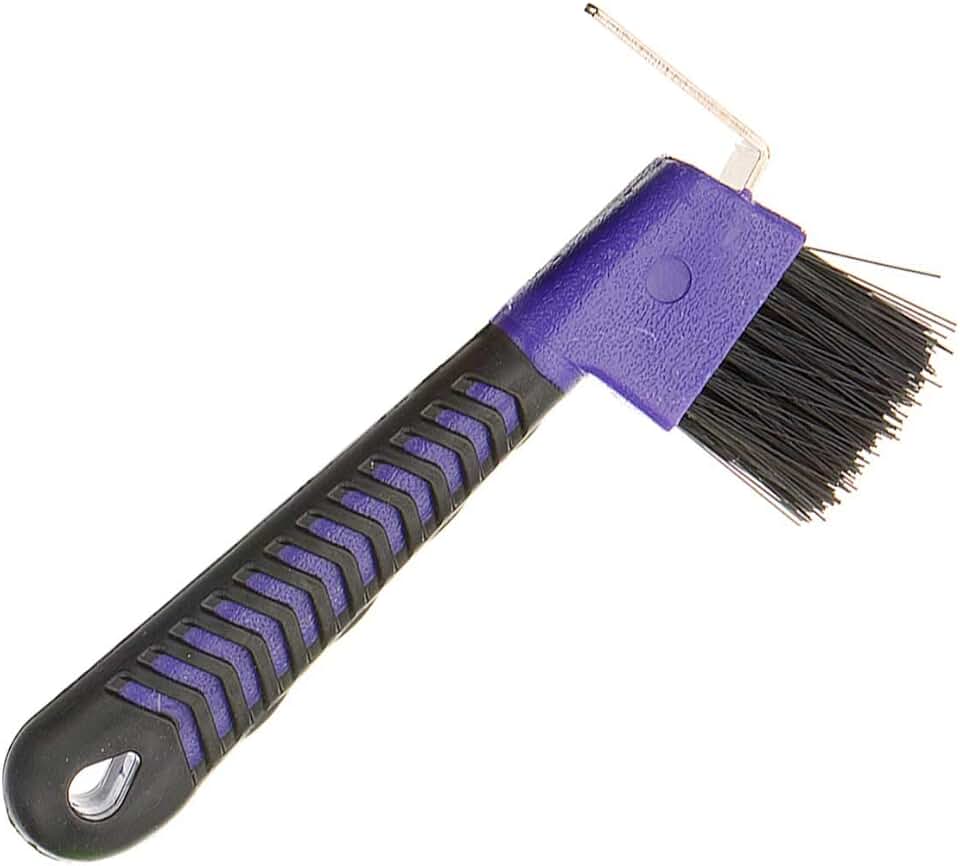
Start with the basics of daily care. A high-quality curry comb and dandy brush remove dirt and stimulate the skin, while a sturdy hoof pick is non-negotiable for preventing thrush and checking for stones. For feeding, invest in a durable rubber feed bucket that won’t crack in freezing temperatures or shatter if dropped.
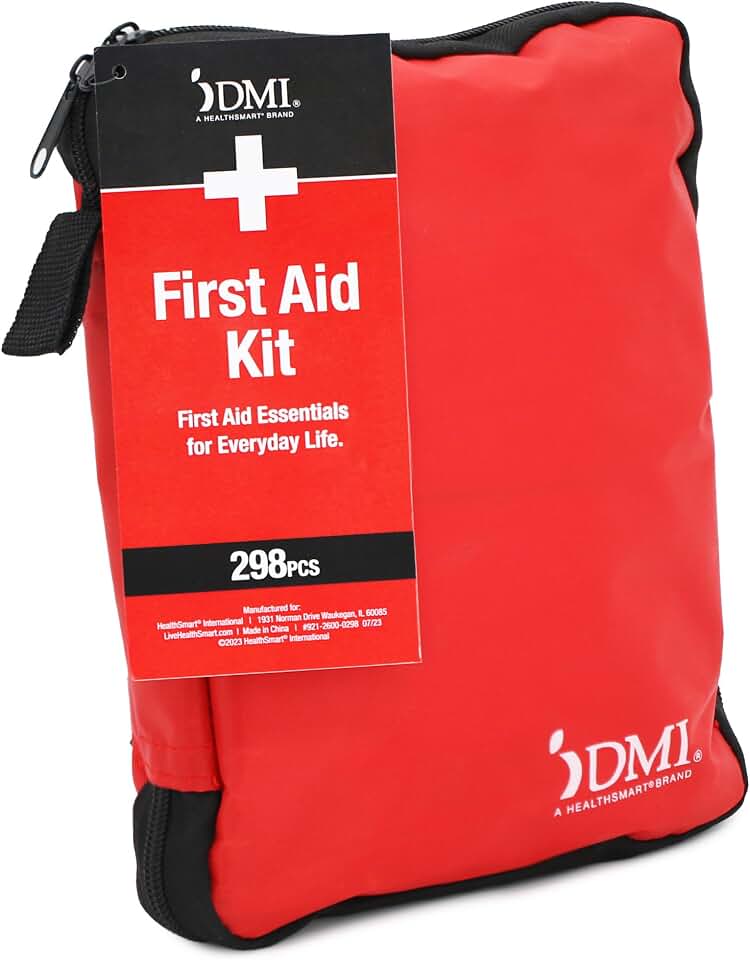
Safety and visibility are critical, especially if you ride in low-light conditions or have multiple horses in a shared pasture. Reflective halters and tail wraps ensure you are seen by neighbors and other riders. A well-stocked first aid kit for both horse and human should include wound spray, vet wrap, and electrolytes to handle minor cuts or dehydration quickly.

As an Amazon Associate, we may earn from qualifying purchases.
Checklist for buying equestrian land
Buying the best horse properties requires more than a scenic view; you need infrastructure that supports both livestock and your daily routine. Use this workflow to vet potential sites before committing to a purchase.
Check local zoning ordinances to ensure equestrian use is permitted. Confirm water rights and well capacity can support multiple horses, especially during dry seasons.
Walk every fence line. Look for rot, loose nails, or weak posts. Safe, durable fencing is non-negotiable for preventing injury.
Poor drainage turns pastures into mud pits, damaging hooves and increasing veterinary costs. Test soil permeability and check low spots after rain.
Inspect the barn for ventilation, stall integrity, and feed storage. Ensure there is adequate space for hay, tack, and equipment.
Verify road maintenance responsibilities and winter accessibility. Proximity to riding trails adds significant value to your daily routine.


As an Amazon Associate, we may earn from qualifying purchases.
Questions about buying horse property
Financing an equestrian property often requires a specialized loan, as many standard mortgages do not account for the value of barns, arenas, or pasture land. Lenders typically view these structures as improvements rather than primary collateral, so you may need a higher down payment or a specific agricultural loan product to cover the full cost of the best horse properties.
Insurance is another critical factor that separates horse property from standard residential real estate. You will need a policy that covers both the residential dwelling and the agricultural operations, including liability for boarders, training activities, and potential injuries to horses or visitors. Standard homeowner’s insurance rarely suffices for these risks.
Zoning laws dictate what you can legally do with the land. Before purchasing, verify that the property is zoned for agricultural use and allows for the number of horses you intend to keep. Some residential zones have strict limits on livestock, while others permit full-scale boarding operations, making due diligence essential for finding the right fit.
No comments yet. Be the first to share your thoughts!