
What a Horse Property Actually Costs
Price tags for horse properties vary wildly based on location, acreage, and the condition of the facilities. You can find a modest property with basic fencing and a small barn for under $300,000 in rural areas, while premier equestrian estates in places like Kentucky or California often exceed $2 million. The key is understanding what drives the cost: land value versus built amenities.
Essential Gear for Your New Property
Owning a horse property requires specific tools and equipment to maintain the land and care for the animals. Here are some essential items to consider for your new home:


As an Amazon Associate, we may earn from qualifying purchases.
Maintenance and Upkeep Costs
Beyond the purchase price, ongoing maintenance is a significant factor. Fencing repairs, pasture management, and barn upkeep can add thousands to your annual budget. Regular inspections and timely repairs prevent small issues from becoming expensive problems. Consider setting aside a maintenance fund to cover these recurring costs.
Location and Accessibility
The location of your horse property also affects its value and your quality of life. Proximity to veterinary services, feed stores, and equestrian trails can add convenience and value. However, being too close to urban areas may increase noise and traffic, which can stress horses. Balance accessibility with a peaceful environment for your animals.
Shortlist real options
Choosing a horse property requires balancing land quality, zoning laws, and local equestrian infrastructure. Rather than scrolling through thousands of generic listings, focus on regions with established equestrian communities and clear property amenities. The following comparison highlights four distinct market profiles, ranging from affordable rural tracts to luxury estates, to help you narrow your search.
Regional Comparison: Horse Property Markets
| Market Profile | Best For | Typical Land Size | Key Amenities | Cost Indicator |
|---|---|---|---|---|
| Louisiana Rural | Budget buyers, small hobby farms | 5–20 acres | Pasture, basic fencing, barns | Moderate |
| Shreveport Area | Equestrian estates, mixed-use | 10–50 acres | Luxury barns, arenas, guest houses | High |
| National Listings | Broad search, specialized needs | 1–100+ acres | Varies by listing | Variable |
| International | High-end investment, niche climates | 50+ acres | Full-service ranch facilities | Premium |
Why Louisiana Stands Out
Louisiana offers a unique combination of affordable land and a strong equestrian culture. Platforms like HorseProperties.net and local Facebook groups actively list properties that cater specifically to horse owners, rather than general real estate. The climate allows for year-round grazing in many areas, reducing winter feed costs.
Shreveport: The Equestrian Estate Hub
Shreveport and its surrounding parishes have emerged as a hotspot for larger equestrian estates. Sites like LandSearch highlight properties with premium amenities, including indoor arenas, multiple barns, and luxury homes. This market is ideal for buyers seeking a turnkey ranch experience without the price tag of coastal regions.
Broadening Your Search
If your needs are highly specific, such as requiring a particular soil type or zoning classification, broader aggregators like HorsePropertiesInternational.com allow filtering by stall count, pasture type, and barn size. This approach saves time by eliminating properties that lack essential equestrian infrastructure.
| Market | Best For | Typical Land Size | Key Amenities | Cost Indicator |
|---|---|---|---|---|
| Louisiana Rural | Budget buyers, small hobby farms | 5–20 acres | Pasture, basic fencing, barns | Moderate |
| Shreveport Area | Equestrian estates, mixed-use | 10–50 acres | Luxury barns, arenas, guest houses | High |
| National Listings | Broad search, specialized needs | 1–100+ acres | Varies by listing | Variable |
| International | High-end investment, niche climates | 50+ acres | Full-service ranch facilities | Premium |
Inspect the expensive parts
Buying a horse property is a real estate transaction wrapped in specialized infrastructure. The land is the baseline; the equestrian amenities are where budgets collapse if you skip the details. A $50,000 barn renovation or a $10,000 water system repair can erase your profit margin before you ever tack up.
Treat this section as your due diligence checklist. Focus on the high-cost failure points: structural integrity, water reliability, and drainage. These are the items that require professional eyes and specialized knowledge, not just a standard home inspection.
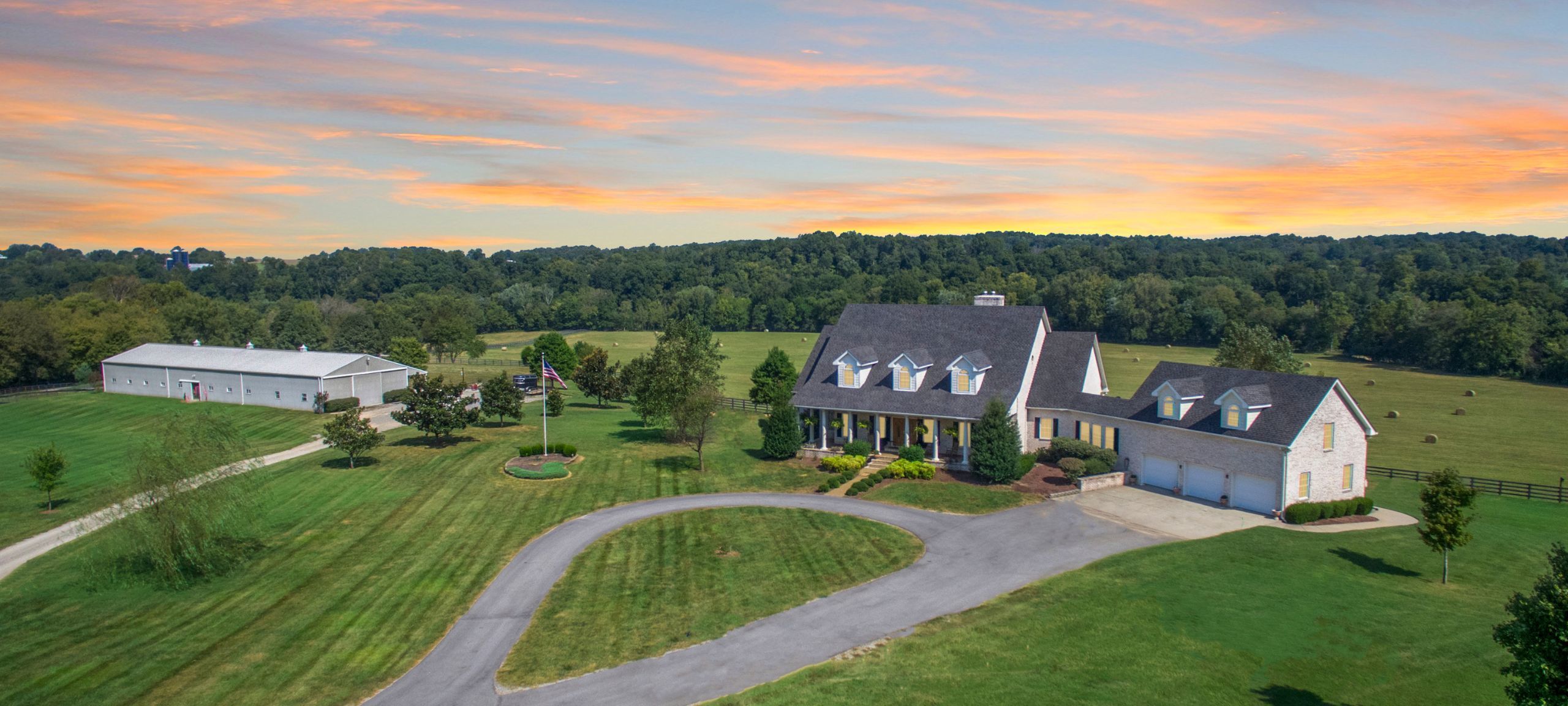
Look for rot in support posts, sagging roofs, and cracked concrete slabs. Check the footing material—sand, rubber, or wood chips—underneath the stalls and aisles. Poor footing leads to serious equine injury and costly replacement. Ensure ventilation is adequate to prevent respiratory issues, which are expensive to treat long-term.
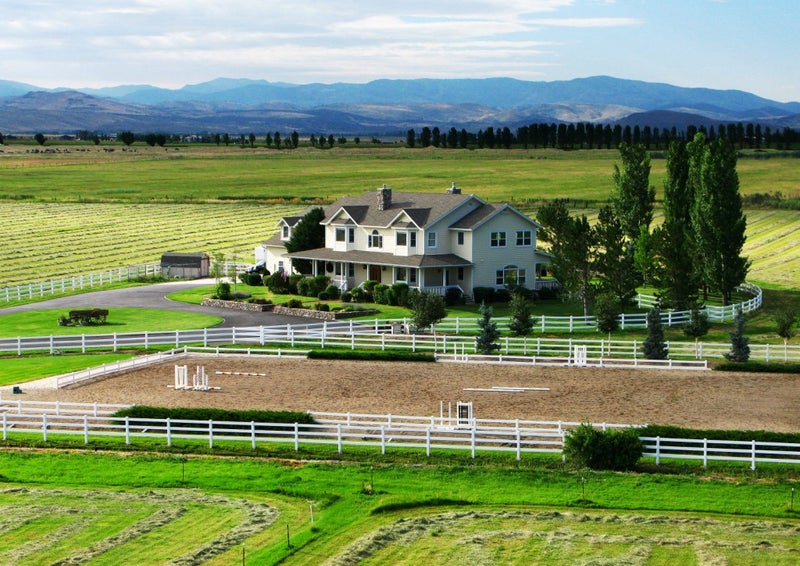
Run every tap, hose bib, and automatic waterer simultaneously. Horses drink large volumes; weak pressure means you’re filling buckets manually. Test the water source for bacteria and nitrates. A failing well or contaminated supply requires drilling a new well or installing a commercial filtration system, both of which are major capital expenses.
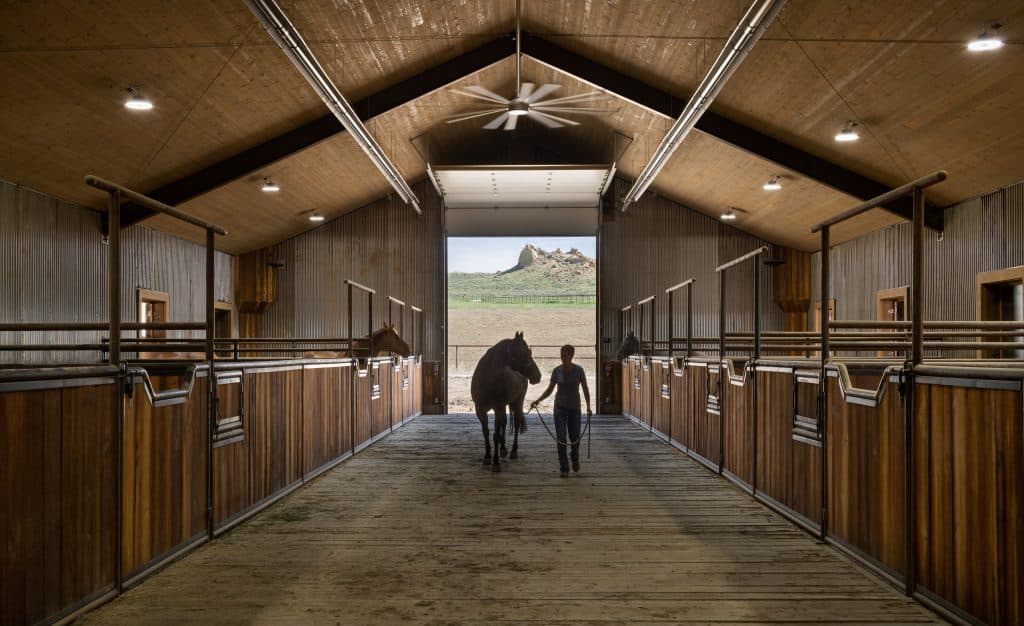
Walk the entire perimeter. Look for loose rails, exposed wire ends, and rusted posts. Horse-specific fencing (like rubber or padded wood) costs significantly more to replace than standard agricultural wire. Check gate latches; they must be secure but easy for humans to operate. A single broken fence line can allow a horse to escape, risking life and liability.
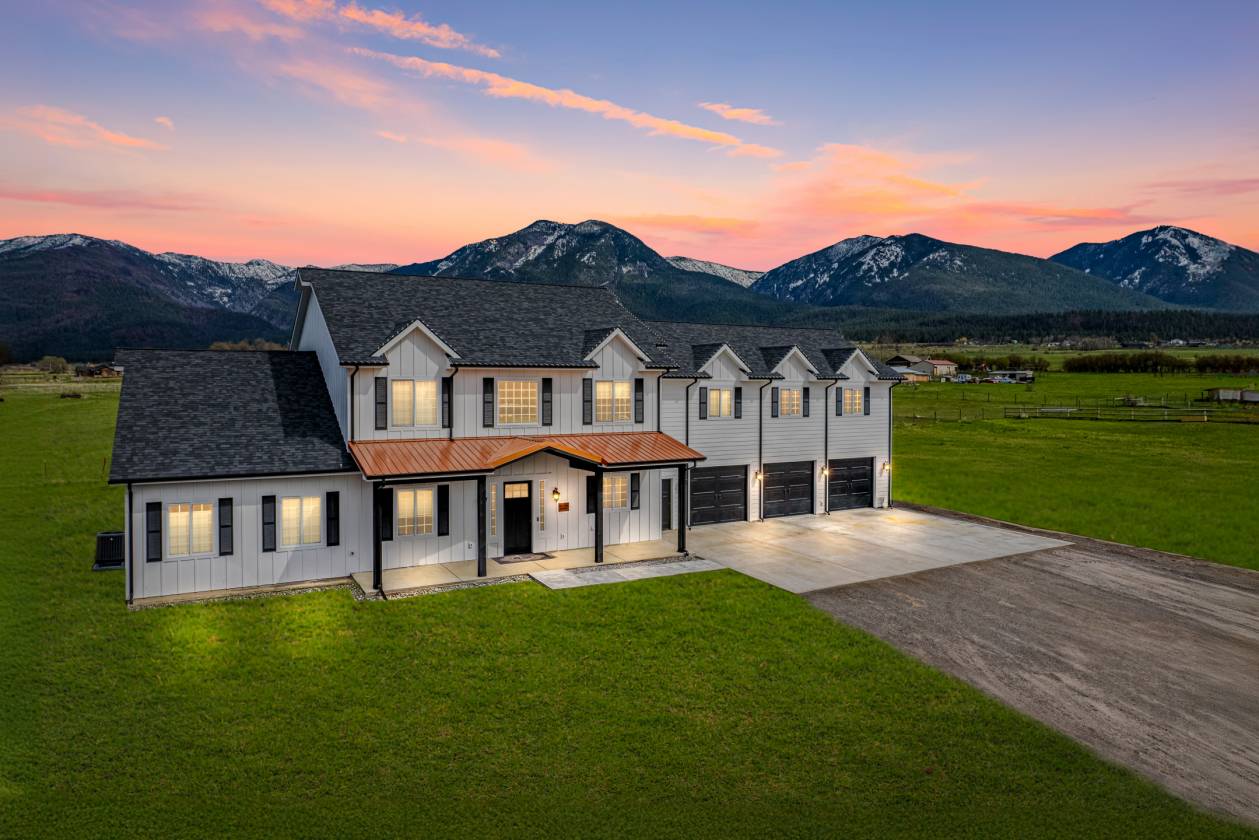
Stand in the pastures and arena after rain. Do you see standing water or mud pits? Poor drainage destroys pasture quality and creates hoof problems like thrush and abscesses. Fixing drainage often requires extensive grading, installing culverts, or adding stone base, which can cost tens of thousands of dollars.
Ownership Costs
A low purchase price rarely means a low cost of entry. Horse properties carry ongoing expenses that standard homes do not, turning a bargain listing into a financial anchor within months. When evaluating a property, look past the asking price and calculate the true monthly burn rate of keeping the horses alive and healthy.
The barn is the first major expense. Even a modest 4-stall barn requires regular maintenance, bedding, and feed storage. If the property lacks adequate pasture, you will be buying hay year-round, which can cost $200 to $400 per horse monthly depending on regional forage prices. Add in routine farrier visits every six to eight weeks and annual vaccinations, and the baseline cost rises quickly.
Unexpected repairs are where budgets break. A cracked fence line, a leaking water trough, or a roof leak in the tack room can cost thousands to fix. Unlike a standard house where a leaky faucet is an annoyance, a broken water source for a horse is an emergency. Always budget 10-15% of your annual income for property maintenance and emergency vet bills.
Essential Horse Property Gear
Proper equipment reduces long-term costs by improving efficiency and safety. These items are standard for any horse property owner.


As an Amazon Associate, we may earn from qualifying purchases.
When a cheap buy stops being cheap, it is usually because the infrastructure is failing. A property with a dilapidated barn might seem like a fixer-upper opportunity, but the cost of rebuilding or extensively renovating often exceeds the savings on the purchase price. Prioritize properties with sound, well-maintained equestrian infrastructure over cosmetic appeal. The bones of the barn matter more than the paint on the house.
Horse properties: what to check next
Buying a home with a barn or pasture is a major financial and lifestyle shift. Before you sign papers, it helps to know how equestrian properties differ from standard real estate transactions. These answers address the practical hurdles most buyers face when looking for a horse-friendly city or community.
What is the minimum acreage needed for horses?
The legal minimum varies by county zoning, but most equestrian communities require at least one acre per horse to maintain soil health and pasture quality. In dense urban fringe areas, some zones allow "mini-horses" on smaller lots, but you must check local ordinances. Always verify the zoning classification before buying land, as converting agricultural land to residential or vice versa can be costly and time-consuming.
How do HOA rules affect horse ownership?
Homeowners Associations (HOAs) can strictly prohibit livestock or impose heavy fees for boarding. Many equestrian communities have their own HOAs with specific rules about stall counts, manure management, and fence types. If you buy in a standard subdivision, an HOA might ban horses entirely. Always read the CC&Rs (Covenants, Conditions, and Restrictions) carefully to ensure your intended use is permitted.
What should I look for in a horse property inspection?
Standard home inspections miss critical equestrian details. Hire a specialist to check structural integrity of barns, specifically roof load capacity for hay storage and floor drainage in stalls. Inspect fencing for sharp edges or weak posts that could injure animals. Also, test water sources for flow rate and quality, as horses need consistent access to clean water, and check for local fire hydrant access for emergency safety.
Is horse property more expensive to maintain?
Yes, but costs depend on usage. Keeping a horse on-site means ongoing expenses for feed, farrier services, and veterinary care, plus higher insurance premiums. Maintenance includes mending fences, mowing pastures, and managing manure. However, owning the land often appreciates faster than urban residential lots. Factor in these recurring costs alongside the mortgage to determine if the property fits your long-term budget.
No comments yet. Be the first to share your thoughts!