

What defines an equestrian community
Equestrian communities blend residential living with dedicated equine infrastructure, offering residents trail networks, barns, and zoning that supports horse ownership. When evaluating these neighborhoods, distinguish between essential requirements—such as soil quality, trail maintenance, and HOA policies—and desirable amenities like clubhouses or social events. A practical choice must withstand real-world constraints, including maintenance costs, timing, and budget limitations. If a community only functions in ideal scenarios, identify fallback options or alternative locations that better suit your specific needs.
Kentucky’s premier horse communities
Kentucky remains the gold standard for equestrian real estate, particularly in the Bluegrass region where rich limestone soil supports superior pasture growth. Communities here are often defined by their proximity to world-class racing tracks, breeding farms, and established equestrian culture. Buyers in this region prioritize properties with ample acreage, high-quality fencing, and access to professional veterinary and farrier services. The climate offers distinct seasons, requiring robust barn infrastructure to protect horses during winter months. Key areas like Lexington and Versailles host numerous gated communities that cater to serious horse enthusiasts, offering both privacy and a strong sense of community among residents.
Florida’s Resort-Style Equestrian Living
Florida offers a distinct advantage for equestrian property buyers: the ability to ride year-round in warm weather, often just miles from the Gulf of Mexico or the Atlantic Ocean. This climate allows for consistent training schedules and social riding without the interruptions of snow or ice. The state’s luxury equestrian communities are designed to maximize this benefit, blending high-end residential amenities with robust equine infrastructure.
Sarasota Ranch Club stands out as a premier example of this lifestyle. Located in Sarasota, this community is built around the concept of resort-style living for horse owners. Residents enjoy extensive trail systems that wind through preserved natural landscapes, offering scenic rides without leaving the neighborhood. The club features a full-service equestrian center with indoor and outdoor arenas, ensuring that training can continue regardless of sudden summer thunderstorms.
Beyond the barn facilities, these communities emphasize a social and active lifestyle. Clubhouses often include fitness centers, tennis courts, and dining options, creating a holistic environment for residents who want more than just a place to keep horses. The proximity to beaches and cultural attractions in Sarasota adds a layer of leisure that complements the dedication required for horse ownership.
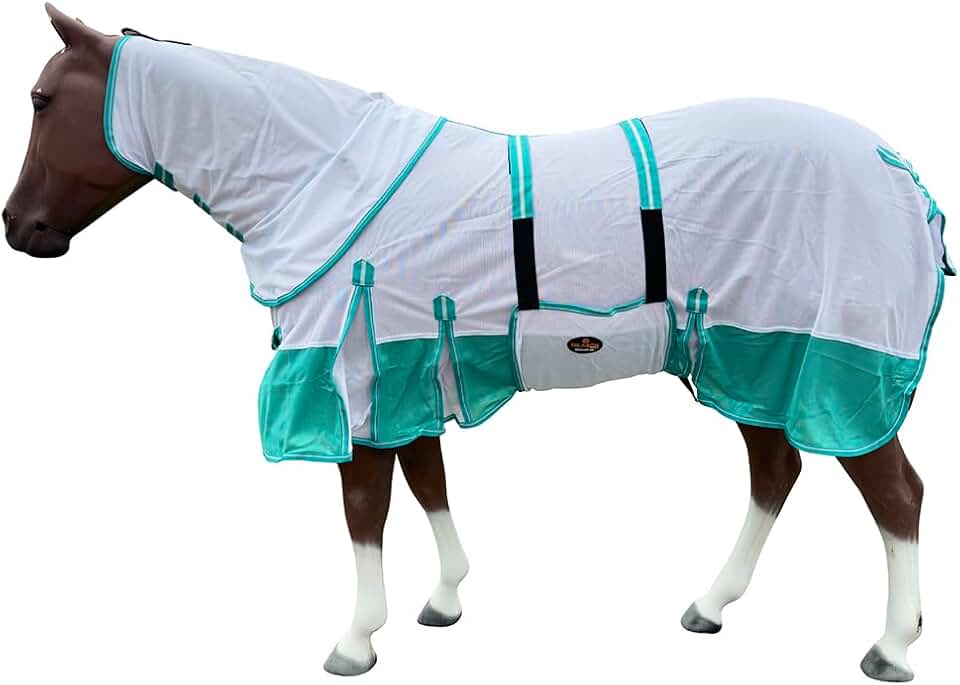
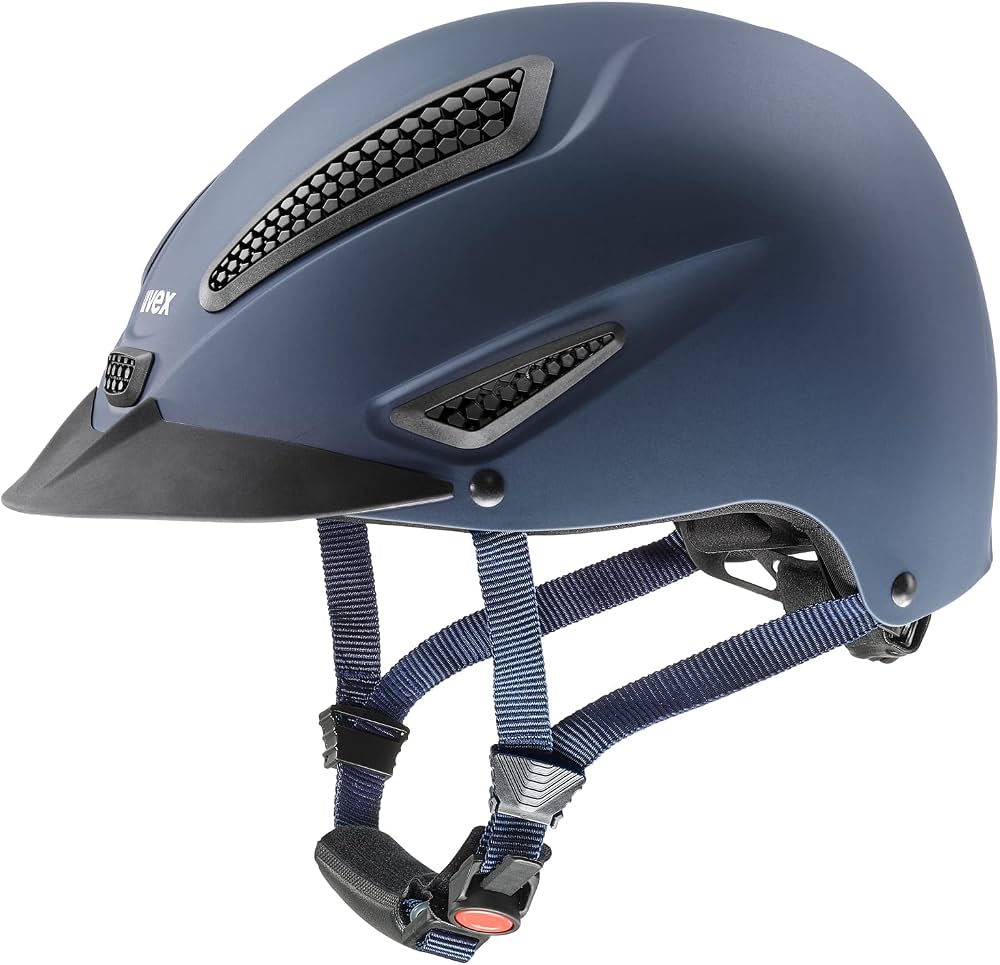
For those considering a move to Florida’s equestrian hubs, having the right gear is essential for comfort in the heat and humidity. Lightweight, breathable apparel and effective sun protection are critical for both rider and horse.

As an Amazon Associate, we may earn from qualifying purchases.
Other top regions for horse property
While Kentucky and Florida dominate the high-end market, other regions offer unique value propositions for equestrian buyers. Texas provides vast acreage and a strong ranching culture, with communities like The Woodlands offering extensive trail systems within a suburban framework. California’s Northern regions, particularly near San Luis Obispo, attract buyers seeking mild climates and proximity to coastal trails. In the Northeast, areas in New York and Pennsylvania offer historic estates with established equestrian traditions, though lot sizes are generally smaller and winters require more intensive barn management. Each region presents distinct trade-offs between climate, cost, and community size, requiring buyers to align their lifestyle preferences with local realities.
How to evaluate equestrian amenities
Buying a home with horses requires looking past the main house to the infrastructure that keeps your animals healthy and your lifestyle practical. A luxury estate with poor footing or restrictive covenants can become a liability. Use this framework to assess the critical amenities that define a functional equestrian community, from trail networks to soil quality.
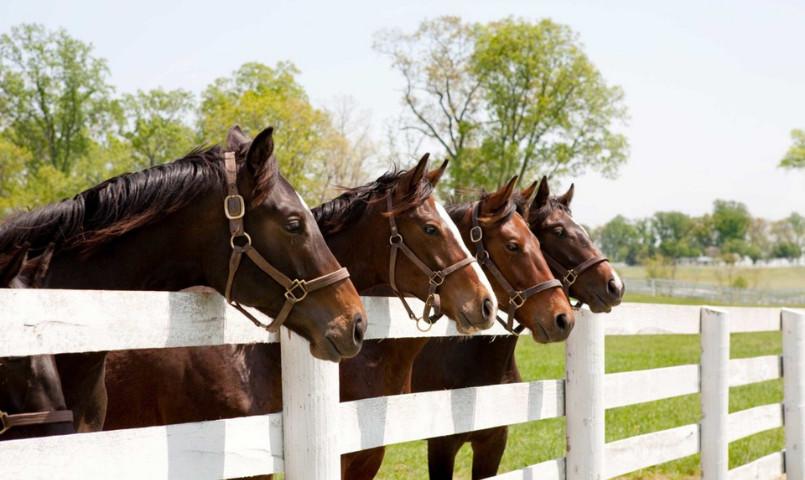
A robust trail system allows for daily exercise without navigating public roads. Look for communities that maintain paved or crushed limestone paths separate from vehicle traffic. In established areas like Sarasota Ranch Club or Meadow Wood Farms, check if the HOA has a dedicated budget for trail grading and drainage to prevent mud and erosion during rainy seasons.
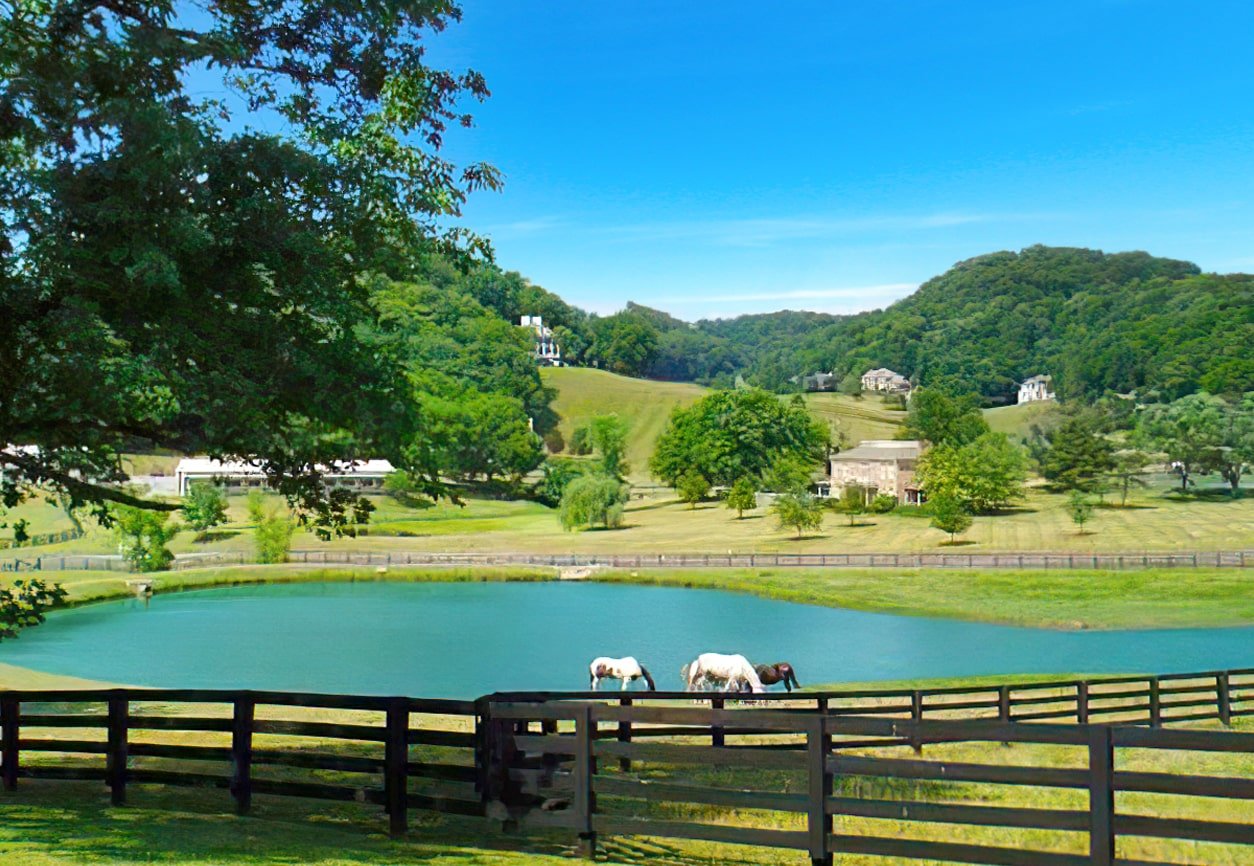
Even if you plan to keep horses in your own barn, shared community barns serve as emergency boarding or social hubs. Evaluate the stall dimensions, ensuring they meet minimum standards (typically 12x12 feet) and feature adequate ventilation. Communities like Rarity Bay on Tellico Lake often include shared amenities that require strict adherence to cleanliness protocols to maintain property values.
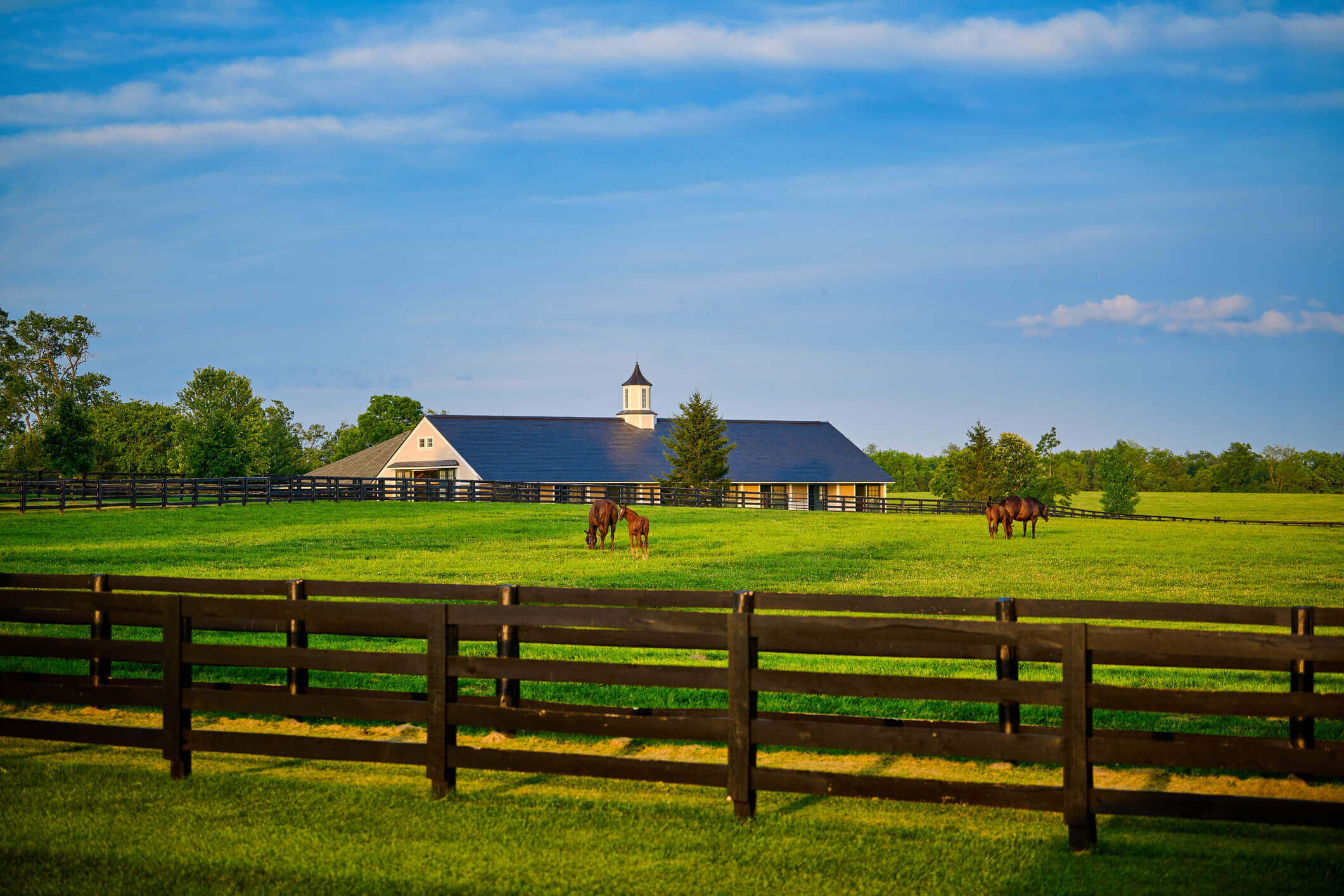
Soil composition dictates pasture health and footing safety. Clay-heavy soils retain water, creating mud that damages hooves and makes trails impassable, while sandy soils drain quickly but may lack nutrient density for grazing. Before purchasing, ask for a soil report or visit the property after a heavy rain to observe standing water. Good drainage is non-negotiable for long-term land usability.
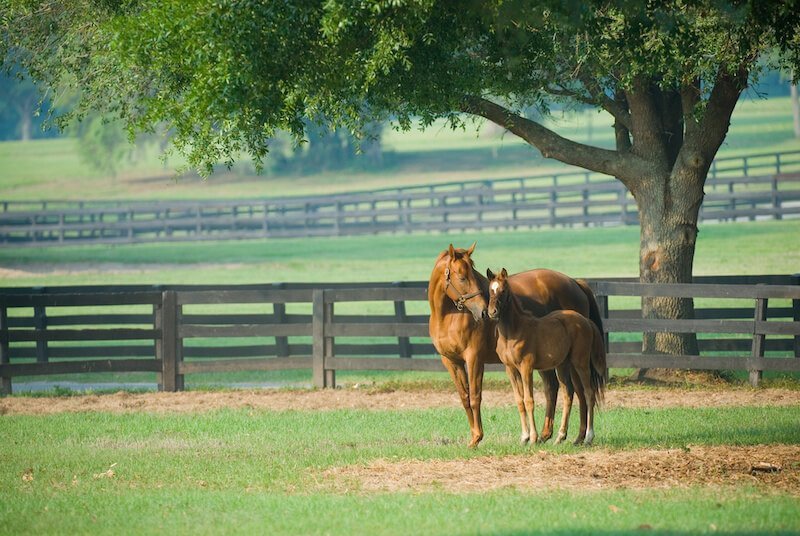
Strict HOA covenants can limit the number of horses, restrict breeding, or ban certain equestrian activities. Some communities cap livestock at one horse per acre, while others prohibit boarding non-resident horses entirely. Verify these restrictions in writing. Communities like Spring Island offer exclusive equestrian zones with tailored rules that balance privacy with community standards.
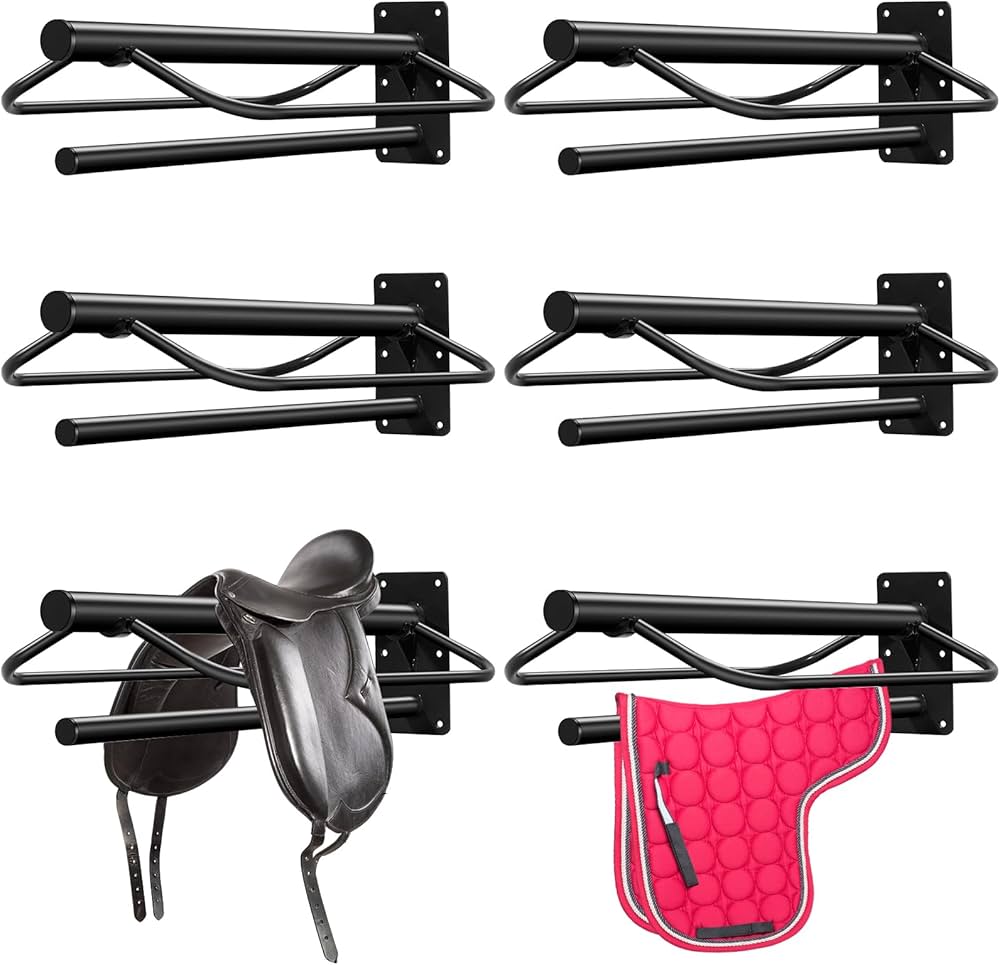


As an Amazon Associate, we may earn from qualifying purchases.
Evaluating these factors ensures your investment supports both your horse's well-being and your property's resale value. Prioritize communities with active maintenance records and clear, horse-friendly governance.
Frequently asked questions about horse communities
What amenities should I look for in an equestrian community?
Prioritize communities with maintained shared trail systems, turnout pastures, and proximity to equine veterinarians or farriers. Many established communities, such as those in Del Webb’s equestrian master-planned developments, offer clubhouses with riding arenas, wash racks, and social events tailored to horse owners.
Are equestrian communities more expensive than regular neighborhoods?
Yes, equestrian properties often command a premium due to larger lot sizes, specialized infrastructure like barns and fencing, and the scarcity of land zoned for livestock. While entry prices vary by region, the cost reflects the convenience of integrated horse facilities and the privacy of conserved acreage.
Can I rent in an equestrian community?
Rental options exist but are limited compared to standard residential areas. Many equestrian communities are owner-occupied to maintain the quality of shared trails and facilities. If you are new to the area, look for communities that allow short-term rentals or have dedicated rental properties with access to shared amenities.
What gear do I need for living in an equestrian community?
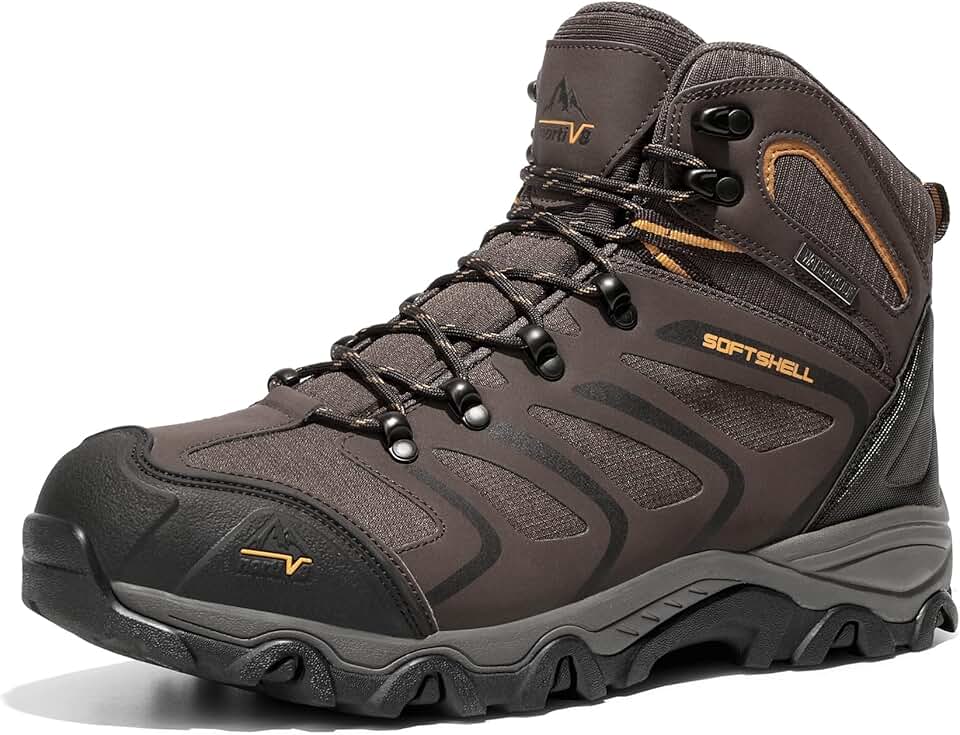
Beyond standard tack, you will need durable fencing materials, feed storage, and trail maintenance tools. Essential gear includes high-visibility vests for riding on shared paths, sturdy boots for trail work, and reliable grooming supplies. For those managing larger properties, consider investing in quality mowing equipment or brush cutters to maintain pastures.


As an Amazon Associate, we may earn from qualifying purchases.
No comments yet. Be the first to share your thoughts!