
Where to find the best horse properties
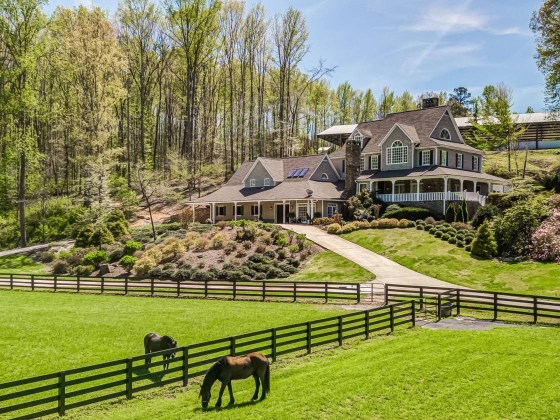
Finding the right equestrian community requires looking beyond the main house to the land’s capacity to support a horse’s daily needs. The best states for horse properties share specific infrastructure: durable footing, reliable water access, and zoning that protects against residential encroachment.
California leads the market with high demand for properties featuring large barns and top-of-the-line riding arenas. The state’s climate allows for year-round riding, a major draw for serious equestrians who cannot rely on seasonal weather windows. Listings here often emphasize indoor facilities and premium footing materials to withstand heavy use.
Kentucky remains the traditional hub for thoroughbred and sport horse operations. The region’s limestone-rich soil creates natural, high-quality pasture that supports hoof health and muscle development. Properties here are often evaluated on acreage size and the presence of established equestrian networks, including vets, farriers, and trainers within a short drive.
Texas offers a mix of vast ranch-style estates and smaller hobby farms. The state’s diverse geography allows for everything from flat grazing land to rolling hills suitable for trail riding. Buyers in Texas often prioritize properties with established water rights and sturdy fencing capable of handling large herds or individual performance horses.
When evaluating these regions, focus on the physical attributes of the land. Soil type determines pasture quality and drainage, preventing muddy paddocks that lead to hoof issues. Water rights are critical in western states, ensuring your horses have access to clean water even during droughts. Equestrian zoning laws protect your property from future residential development, preserving the quiet and space necessary for horse care.
For more detailed listings and market insights, resources like HorseProperties.net provide extensive databases of equestrian real estate across the United States. These platforms allow you to filter by specific amenities such as arena size, barn layout, and pasture acreage.
Top equestrian communities by region
Finding the right equestrian community means looking beyond the property lines to the infrastructure that supports your horses. The best locations offer a combination of zoning that permits boarding, accessible trail networks, and proximity to specialized veterinary care. Whether you are looking for the rugged terrain of the West or the established estates of the East, specific regions have built ecosystems for horse owners.
California: The West Coast Hub
California remains a primary destination for equestrian real estate, particularly in the Los Angeles and Napa Valley areas. The climate allows for year-round riding, and the region has a high concentration of specialized equine services. In Los Angeles County, there are numerous properties zoned specifically for horses, often featuring built-in stables and turn-out pastures. Realtor.com lists dozens of active listings with dedicated horse facilities, catering to both hobbyists and professional riders.
Further north, Napa Valley offers luxury equestrian estates. Properties here often sit on larger acreages, providing privacy and space for multiple horses. While the cost of entry is higher, the availability of high-end boarding facilities and equine veterinarians in the wine country is unmatched. The combination of mild weather and established equestrian culture makes this a top tier choice for serious horse owners.
Florida: The Winter Haven
Florida’s central and southern regions offer a different appeal, particularly for those seeking a winter base. The flat terrain and extensive trail systems in areas like Martin County provide excellent riding conditions without the elevation changes found in other parts of the country. Properties here often feature large barns with ample storage for feed and tack, designed to handle the humid subtropical climate.
The veterinary infrastructure in Florida is robust, with many clinics specializing in equine sports medicine and emergency care. This makes it a practical choice for owners who travel with their horses or need immediate access to specialized care. The availability of indoor arenas in many communities also ensures that riding is not disrupted by seasonal rain.
Texas: Space and Tradition
Texas offers vast acreage at a lower price point than California or Florida, making it ideal for those who want room to breathe. The Hill Country around Austin and San Antonio is particularly popular for its rolling hills and natural trails. Many communities here are built around ranch-style living, with properties designed to accommodate large herds and extensive fencing.
The equestrian culture in Texas is deeply rooted, meaning that amenities like farriers, trainers, and feed stores are readily available in even smaller towns. This accessibility reduces the need to travel long distances for basic horse care, a significant advantage for full-time boarders.
Comparison of Key Amenities
| Region | Trail Access | Boarding Availability | Vet Specialty | Avg. Acreage |
|---|---|---|---|---|
| California (LA/Napa) | Extensive | High | Very High | 1-10+ |
| Florida (Central/South) | Moderate | High | High | 2-5+ |
| Texas (Hill Country) | Natural/Rugged | Moderate | High | 5-20+ |
The choice of region should depend on your primary riding style and the specific needs of your horses. If you prioritize climate and luxury amenities, California leads. For winter escapes and flat terrain, Florida is ideal. If you want space and tradition, Texas offers the best value.
Essential gear for your new horse property
Buying the land is only the first step. Before your horses arrive, you need to secure the perimeter and set up the daily infrastructure. A horse property functions like a small farm, requiring durable fencing, reliable feeding systems, and maintenance tools that can handle outdoor wear and tear.
Fencing and Safety
Safe fencing is the most critical investment for any horse owner. Wood and vinyl are popular for their aesthetics, but electric tape or polywire is often necessary for temporary grazing areas or to reinforce existing boundaries. You will also need a sturdy gate latch system that horses cannot nudge open. For those managing larger pastures, a portable electric fencing kit allows you to rotate grazing areas easily, keeping the land healthy and the horses engaged.
Feeding and Watering
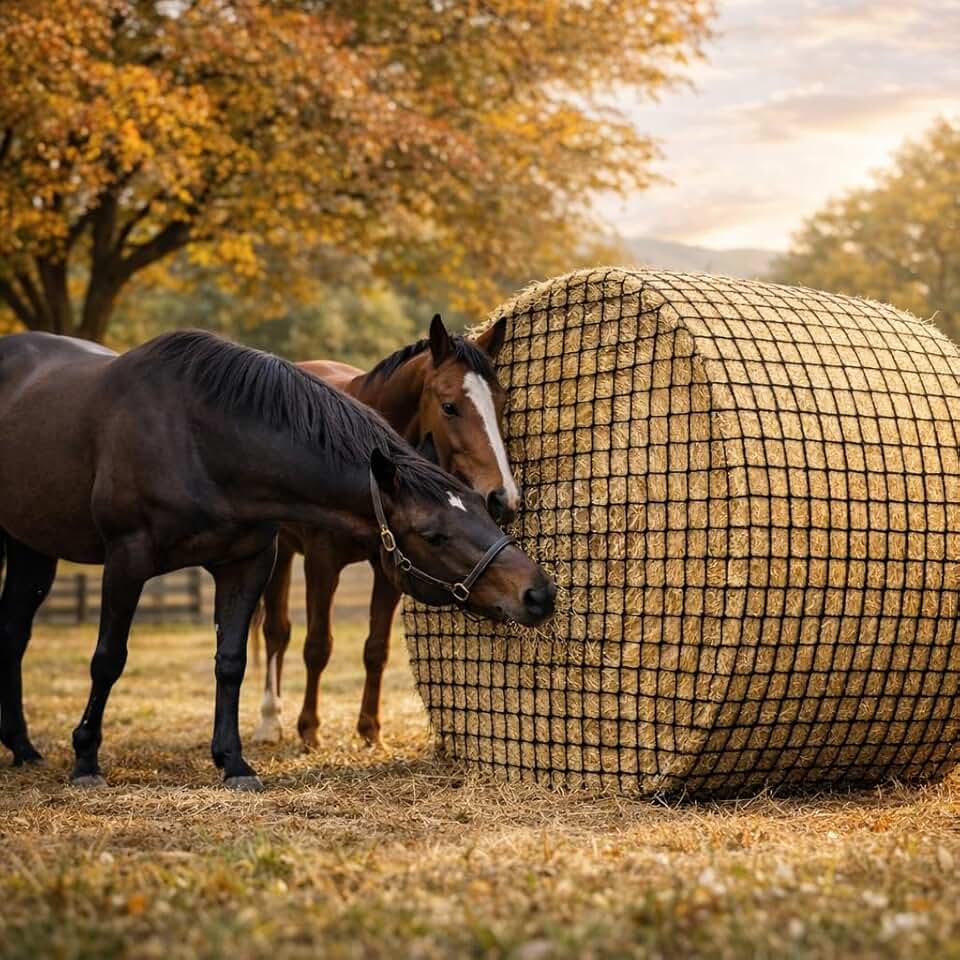
Horses spend a significant portion of their day eating, so your feeding setup needs to be both convenient and hygienic. Rubber or heavy-duty plastic feeders protect the hay from ground contamination and reduce waste. For water, automatic waterers or heated bucket systems ensure fresh water is available year-round, even in colder climates. A simple hay net slows down eating, mimicking natural grazing patterns and promoting better digestive health.
Barn and Pasture Maintenance
A well-equipped barn area requires durable tools for daily upkeep. A heavy-duty wheelbarrow is indispensable for moving feed, manure, and bedding. For pasture management, a drag harrow helps distribute manure evenly and breaks up clumps, which reduces parasite loads and encourages even grass growth. Finally, a reliable power washer makes cleaning stalls, tack rooms, and outdoor surfaces much faster and more effective.


As an Amazon Associate, we may earn from qualifying purchases.
How to evaluate horse property value
Equestrian real estate commands a premium because the infrastructure required to house livestock is expensive to build and maintain. When you look at a listing in a hub like Los Angeles County, where average prices can exceed $2.9 million, the cost per acre often reflects more than just dirt—it reflects the functionality of the facilities on it. A property with a dilapidated barn and poor drainage will not appraise at the same level as one with modern, dry-lot amenities, even if the acreage is identical.
The primary driver of value is the quality of the barn and stalls. Buyers are looking for durable materials, proper ventilation, and safe footing. A well-built barn with individual stalls, a tack room, and wash racks adds significant equity because replacing these structures can cost tens of thousands of dollars. If the existing facilities are outdated or unsafe, the value of the property drops, as the buyer will factor in immediate renovation costs.
Land usability is the second critical metric. Not all pasture is equal. Soil type, slope, and drainage determine whether the land can support horses year-round without turning into a mud pit. Properties with natural water sources, such as creeks or ponds, are more valuable, provided the water is clean and accessible. Additionally, the layout of the paddocks and riding arenas matters; flat, well-drained land is easier to maintain and safer for training, making it more desirable to serious equestrians.
Finally, consider the zoning and legal restrictions. Some equestrian communities have strict rules about the number of horses allowed, while others may permit boarding or commercial operations. Understanding these regulations is essential, as they directly impact the utility and resale potential of the property. Always verify zoning laws and any homeowners association restrictions before making an offer.
Questions about buying horse property
Buying land for horses involves specific regulations that don't apply to standard residential real estate. Before making an offer, verify three critical factors: zoning permissions, water access, and community restrictions.
Can I keep horses in my new neighborhood?
Zoning laws dictate whether livestock are allowed on a specific parcel. In many areas, "rural residential" zones permit one horse per acre, while suburban HOAs may ban them entirely. Check the county zoning map and review any HOA covenants before signing a contract. Platforms like Zillow often tag listings as "zoned for horses" or "equestrian estate," but these tags should always be verified with local planning departments.
Do I need separate water rights for the barn?
Water is essential for both drinking and pasture irrigation. In western states, water rights are often tied to the land deed and may be separate from the household water supply. Ensure the property has adequate well capacity or irrigation rights to support livestock. A dry well or insufficient rights can make a property unsuitable for horses, regardless of its aesthetic appeal.
No comments yet. Be the first to share your thoughts!