

Finding your equestrian hub
Finding a home for your horses is a long-term investment in your sanity and your animals' health. A good town needs more than just open space; it needs the right vets, reliable hay suppliers, and neighbors who won't complain about the smell of manure.
What constitutes a horse-friendly city is incredibly personal. For some, access to extensive trail systems is paramount, while others prioritize proximity to top-tier veterinary care or a competitive show circuit. Still others might value a quiet, rural setting where they can enjoy peaceful rides without the hustle and bustle of city life. This variety is why we’ve aimed for a diverse list, representing different regions and equestrian disciplines.
To build this list of the top 15 horse-friendly cities for 2026, we considered several factors: the availability of horse properties, the strength of the local equestrian community, access to veterinary and farrier services, the presence of riding trails and equestrian events, and the overall cost of living. We also looked at local zoning regulations and how supportive the community is of equine activities. It's a complex equation, and rankings are always subjective, but we've done our best to provide a comprehensive and informative guide.
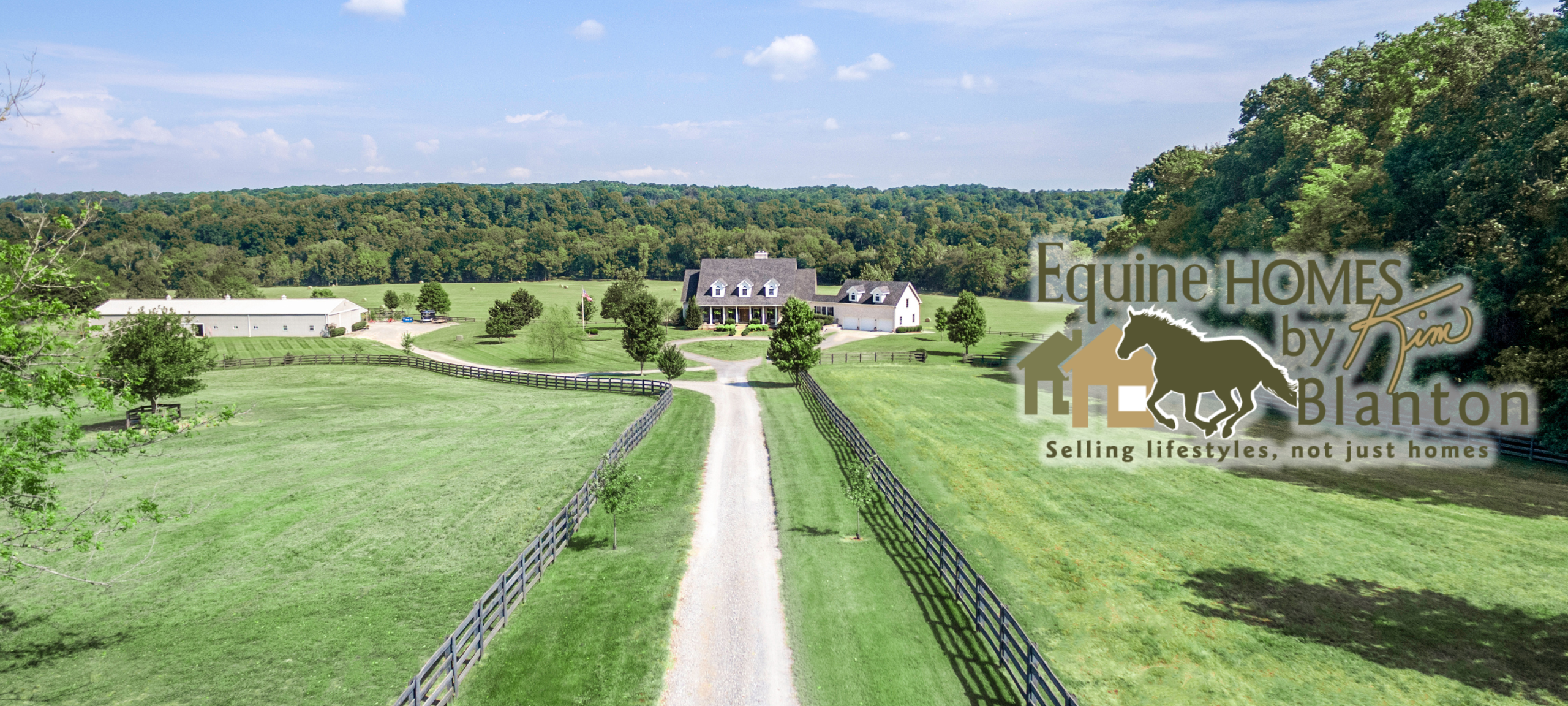
The top 15 horse-friendly cities for 2026
Here's our ranking of the top 15 horse-friendly cities in the United States for 2026, starting with number 15 and building towards our top pick. Prices are based on recent listings and averages as of late 2025 and are subject to change, of course. Keep in mind that 'average acreage price' is a broad metric and can vary wildly based on location, property condition, and amenities.
15. Dartmouth, Massachusetts: Located in southeastern Massachusetts, Dartmouth offers a surprising amount of horse property within close proximity to New England's urban centers. The area boasts a strong local equestrian community, with several barns and training facilities. Average acreage prices currently range from $300,000 to $600,000 according to recent listings on Zillow. The Facebook group 'Horse-friendly towns in Central Massachusetts?' frequently mentions Dartmouth as a preferred location.
14. Pilot Point, Texas: Just north of Dallas, Pilot Point is experiencing growth as an equestrian destination. It offers a more affordable option than some of the other cities on this list, with acreage prices averaging between $200,000 and $400,000. The town has a distinctly rural feel and is popular with those looking to escape the city without sacrificing convenience.
13. Thousand Oaks, California: Combining the allure of Southern California with equestrian pursuits, Thousand Oaks offers a unique lifestyle. However, be prepared for higher property costs – average acreage prices can exceed $1.5 million. The area is known for its scenic trails and access to the Santa Monica Mountains.
12. Redmond, Washington: East of Seattle, Redmond offers a blend of urban amenities and rural charm. While acreage is limited and expensive (averaging $800,000+ per acre), the area is popular with riders who want access to both city life and outdoor recreation. The Pacific Northwest’s climate allows for year-round riding, though it does mean dealing with rain.
11. Georgetown, Kentucky: A stone's throw from Lexington, Georgetown provides a more affordable entry point into Kentucky's horse country. Acreage prices average around $400,000 to $700,000. The town has a strong agricultural heritage and a growing equestrian community.
10. Chester County, Pennsylvania: Located in the heart of Pennsylvania's hunt country, Chester County is known for its rolling hills and prestigious equestrian events. Property prices are high, with average acreage exceeding $1 million, but the location and community are highly sought after.
9. Temecula, California: Southern California wine country also happens to be excellent horse country. Temecula offers a warmer climate and a more relaxed atmosphere than some of the other California options. Acreage prices average around $900,000 to $1.2 million.
8. Tryon, North Carolina: Home to the Tryon International Equestrian Center, this city has quickly become a major player in the equestrian world. The center hosts numerous competitions throughout the year, attracting riders from around the globe. Acreage prices range from $350,000 to $650,000.
7. Middleburg, Virginia: Deep in Virginia's hunt country, Middleburg exudes equestrian elegance. This is where you'll find steeplechase races, fox hunts, and a refined equestrian culture. Expect to pay a premium for property here, with acreage prices starting around $1.2 million.
6. Parker, Colorado: Often referred to as a 'Horse Property Haven,' Parker offers a wide range of equestrian properties at relatively affordable prices. Acreage prices average between $500,000 and $800,000. The city has a strong commitment to preserving open space and providing equestrian facilities.
5. Charlottesville, Virginia: With its beautiful scenery and proximity to the Blue Ridge Mountains, Charlottesville is a popular destination for horse lovers. The area boasts a thriving equestrian community and a variety of riding disciplines. Acreage prices range from $600,000 to $1 million.
4. Wellington, Florida: The 'Winter Equestrian Capital' of the world, Wellington is a mecca for show jumpers and dressage riders. The city hosts numerous high-profile competitions throughout the winter season. Property prices are steep, with acreage averaging over $1.5 million.
3. Aiken, South Carolina: Known as the 'Winter Equestrian Colony,' Aiken has a long and storied history as a center for equestrian pursuits. The town offers a mild climate, sandy soil, and a welcoming community. Acreage prices average between $400,000 and $700,000.
2. Ocala, Florida: 'Thoroughbred Country' is experiencing a surge in popularity, attracting not only racehorse trainers but also show jumpers and dressage riders. The area offers a variety of equestrian properties and a growing number of events. Acreage prices range from $300,000 to $600,000, but are quickly rising.
1. Lexington, Kentucky: The 'Horse Capital of the World' consistently ranks as a top destination for horse owners. Lexington boasts a rich equestrian heritage, world-class veterinary care, and access to some of the most beautiful horse farms in the country. The average acreage price in Lexington is around $700,000 to $1.1 million, but the investment is worthwhile for those seeking the ultimate equestrian lifestyle.
Top 10 Horse-Friendly Cities in the United States - 2026 Outlook
| City, State | Avg. Acreage Price (per acre) | Number of Equestrian Facilities (approx.) | Proximity to Major Trails | Community Vibe (1-5) |
|---|---|---|---|---|
| Lexington, Kentucky | Varies widely; $10,000 - $100,000+ | 200+ | Extensive; close to Kentucky Horse Park trails | 5/5 - Highly active, deeply rooted equestrian culture |
| Aiken, South Carolina | Generally $5,000 - $30,000+ | 150+ | Excellent; Hitchcock Woods & numerous bridle paths | 4/5 - Welcoming, traditional equestrian community |
| Wellington, Florida | High; $50,000 - $300,000+ | 100+ | Close to extensive show grounds and trails | 4/5 - Competitive, focused on high-level equestrian sport |
| Middleburg, Virginia | High; $20,000 - $150,000+ | 80+ | Excellent; surrounded by hunt country & trails | 4/5 - Sophisticated, historic hunt country vibe |
| Ocala, Florida | Moderate; $8,000 - $40,000+ | 120+ | Good; proximity to the Florida Horse Park & trails | 3/5 - Growing, more relaxed equestrian scene |
| Parker, Colorado | Moderate; $15,000 - $60,000+ | 70+ | Good; access to state parks and open space trails | 3/5 - Family-friendly, western riding focus |
| Tryon, North Carolina | Moderate; $10,000 - $50,000+ | 60+ | Excellent; home to Tryon International Equestrian Center | 4/5 - Growing, international equestrian destination |
| Woodside, California | Very High; $100,000 - $500,000+ | 40+ | Good; access to open space preserves | 3/5 - Exclusive, Silicon Valley influence |
| Norco, California | Moderate; $20,000 - $80,000+ | 50+ | Good; numerous trails in the surrounding hills | 3/5 - Rural, horse-keeping tradition |
| Scottsdale, Arizona | Moderate to High; $30,000 - $120,000+ | 60+ | Moderate; access to desert trails | 3/5 - Western lifestyle, growing equestrian interest |
Illustrative comparison based on the article research brief. Verify current pricing, limits, and product details in the official docs before relying on it.
Essential amenities
Beyond acreage and scenic trails, a truly horse-friendly city provides a robust network of essential amenities. Access to qualified veterinary care is paramount. Look for cities with equine specialists who can handle everything from routine checkups to emergency surgeries. The American Association of Equine Practitioners (AAEP) website is a good resource for finding board-certified equine vets.
Equally important is the availability of skilled farriers. A good farrier can help maintain your horse’s hoof health and prevent lameness. Finding a reliable farrier often relies on word-of-mouth referrals from other horse owners. Don't underestimate the convenience of having readily available feed stores carrying a variety of high-quality feeds and supplements.
Consider the proximity of boarding facilities if you need temporary or long-term care for your horse. Emergency care is another critical factor. Is there a 24/7 equine hospital within a reasonable driving distance? Finally, be sure to research local zoning ordinances regarding horses. Some cities have restrictions on the number of horses allowed per acre or require specific fencing standards. The American Trails organization offers a 'Planning and Zoning Guide for Horse Friendly Communities' which can be a useful starting point.
- Equine veterinary specialists within a 30-minute drive
- Qualified farriers
- Accessible feed stores
- Reliable boarding facilities
- 24/7 emergency equine care
- Horse-friendly zoning ordinances
What to look for in a property
When searching for horse properties, it’s crucial to understand the different options available. Acreage size is a primary consideration, depending on the number of horses you plan to keep and your riding preferences. Smaller acreages (5-10 acres) may be sufficient for a few horses, while larger properties (20+ acres) offer more space for riding and grazing.
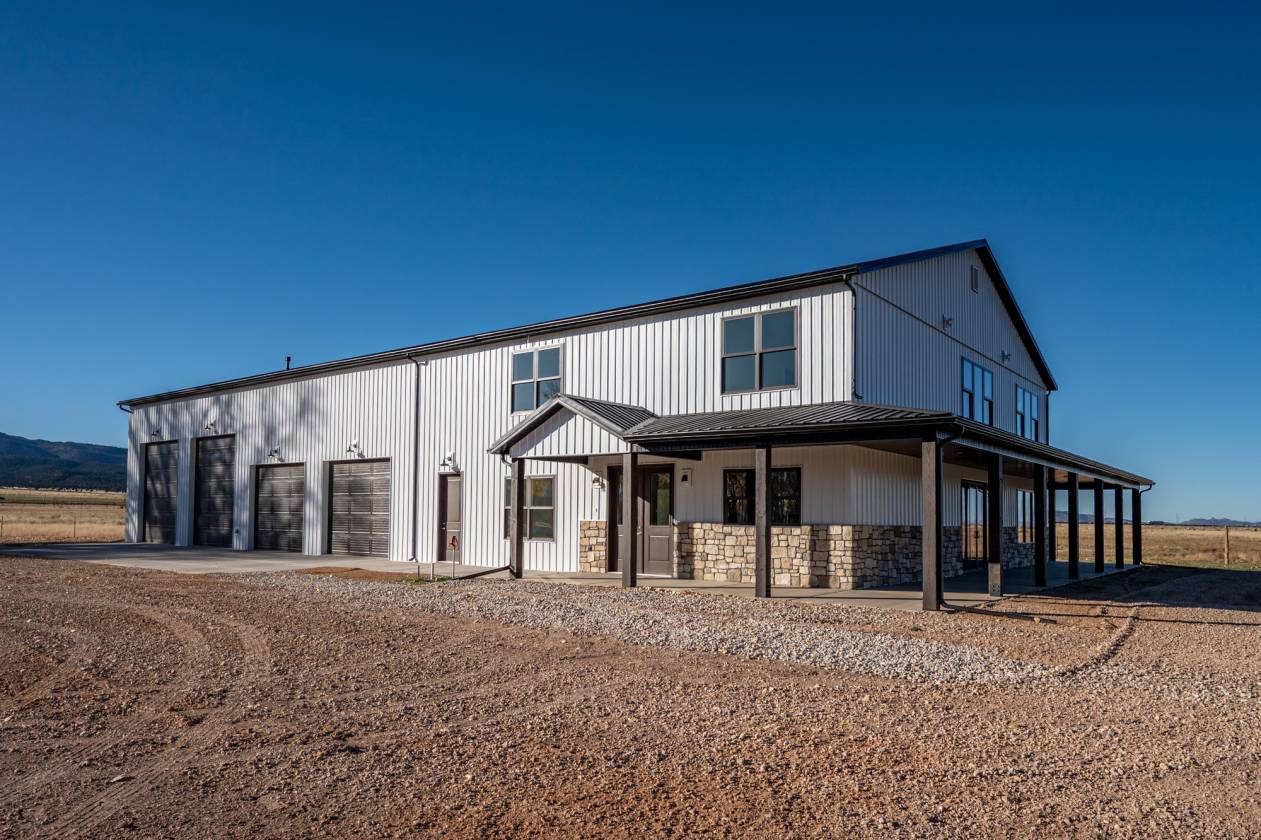
Barn styles vary widely, from simple run-in sheds to elaborate stables with stalls, tack rooms, and wash stalls. Consider your needs and budget when choosing a barn. Fencing options are also important. Traditional wood fencing is aesthetically pleasing but requires more maintenance than vinyl or electric fencing. Ensure adequate water and electricity access to your barn and pastures.
Don't overlook the importance of soil quality and drainage. Poorly drained soil can lead to muddy pastures and health problems for your horse. A soil test can help you assess the suitability of a property for equine use. Currently, a 10-acre property in Ocala, Florida, with a barn and fencing is listed for around $550,000 on Zillow. A similar property in Lexington, Kentucky, could easily cost upwards of $900,000. Working with a real estate agent experienced in equine properties is invaluable.
- Acreage size (5-10 acres vs. 20+ acres)
- Barn style (run-in shed vs. elaborate stable)
- Fencing options (wood, vinyl, electric)
- Water and electricity access
- Soil quality and drainage
Community and Networking
A strong equestrian community can significantly enhance your horse ownership experience. Beyond the physical amenities, having a network of fellow horse lovers can provide support, camaraderie, and valuable knowledge. Look for cities with active horse clubs, riding groups, and event calendars.
Local horse shows, trail rides, and clinics are great ways to meet other equestrians and learn new skills. Social media platforms like Facebook can also be a valuable resource for finding local equestrian groups. Search for groups related to specific disciplines or geographic areas.
Networking with local veterinarians, farriers, and trainers can also be beneficial. Building relationships with these professionals can ensure that your horse receives the best possible care. A quick search on Facebook reveals numerous local equestrian event announcements and groups in most of the cities we’ve highlighted.
Essential Horse Property Maintenance Tools for Equestrian Living

Designed for fencing applications · Durable construction for demanding tasks · 10-1/4 inch size for leverage
This fencing plier is ideal for maintaining fences on your horse property, ensuring a secure environment for your horses.
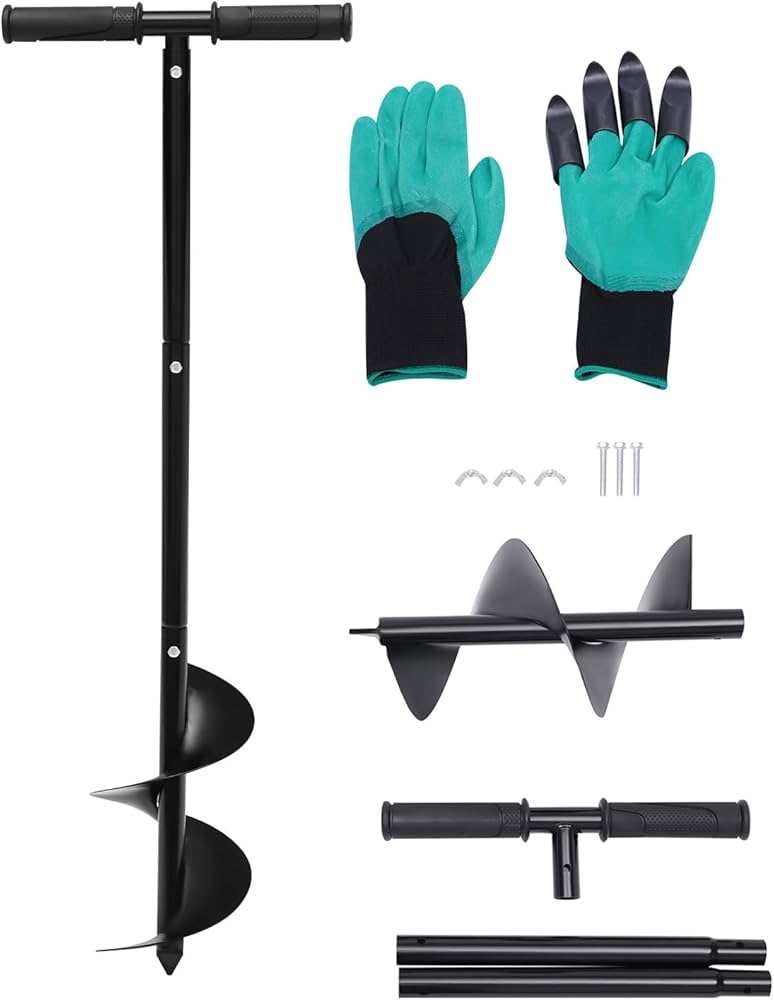
Manual operation for controlled digging · Digs holes for fence posts and other needs · Durable construction for repeated use
A manual post hole digger is essential for installing and repairing fences, crucial for managing your horse property.

Durable fork for efficient manure removal · Designed for stable and barn use · 3-count package for convenience
This bedding fork is vital for keeping stables clean and hygienic, contributing to your horse's health and comfort.

Heavy-duty construction with a 900lb capacity · No-flat tires for reliable maneuverability · Quick-release dumping feature for easy unloading
This garden dump cart simplifies hauling materials around your property, making property maintenance tasks more efficient.

Large 12-gallon capacity for ample water supply · Durable stainless steel construction · 39-inch length suitable for multiple animals
This livestock water trough ensures your horses have consistent access to fresh water, a fundamental aspect of their care.
As an Amazon Associate I earn from qualifying purchases. Prices may vary.
No comments yet. Be the first to share your thoughts!