
Dream Horse Towns: 2026's Rankings
Finding the right place to live with horses means more than just a town that allows them; it requires a community that embraces the equestrian lifestyle. For 2026, we ranked the top 15 horse-friendly cities in the United States based on factors important to horse owners.
Our ranking considered more than just acreage. We focused on practicality and lifestyle, assessing land availability and cost, the quality and accessibility of equestrian facilities like arenas, veterinary services, and farriers, and the strength of the local horse community. Access to trails, both public and private, was also important.
We also considered the support system for horse owners, including feed and tack stores, equine veterinarians, and farriers. A town’s "vibe" was important too: Is it a competitive show jumping hub, a laid-back trail riding destination, or a working ranch community? Below are our top 15, each offering something unique for those building a life with their horses.
This list is about finding a place to thrive with your horse, connect with fellow enthusiasts, enjoy miles of riding trails, and feel supported by a community that understands your passion.
The Top 15: A Detailed Look
Here’s a closer look at each of our top 15 horse-friendly cities. Property prices are approximate, based on recent listings for 5-10 acre parcels suitable for horses. These numbers can fluctuate, so research is recommended.
1. Lexington, Kentucky (Horse Capital of the World): Lexington lives up to its name. Located in the heart of Bluegrass Country, it’s a global center for Thoroughbred breeding and racing. Property prices average $250,000 - $750,000+ for acreage with facilities. Key facilities include Keeneland Race Course and numerous world-class breeding farms. The community hosts countless horse shows, sales, and events throughout the year. The vibe is steeped in tradition and prestige, but welcoming to all levels of riders.
2. Wellington, Florida (Winter Equestrian Capital): Wellington is the destination for serious equestrian competitors, particularly in show jumping and dressage. During the winter season, it transforms into a bustling hub for international riders. Expect to pay $500,000 - $2,000,000+ for properties with horse facilities. The Palm Beach International Equestrian Center is the centerpiece, but there are also many smaller training facilities. The vibe is highly competitive and focused on performance.
3. Aiken, South Carolina (Historic Equestrian Community): Aiken has a rich equestrian history, dating back to the winter colonies of the late 19th and early 20th centuries. It’s known for its beautiful rolling hills, sandy soil, and miles of unfenced bridle paths. Properties range from $300,000 - $1,000,000+. Key facilities include the Aiken Horse Park and several established hunt clubs. The vibe is relaxed, friendly, and deeply rooted in tradition.
4. Ocala, Florida (Thoroughbred Country): Ocala is another major center for Thoroughbred breeding and training, offering a more laid-back alternative to Wellington. Property prices are generally more affordable, ranging from $200,000 - $600,000+. The Ocala Breeders’ Sales (OBS) is a major event. The vibe is a mix of working horse farms and recreational riding.
5. Parker, Colorado (Western Lifestyle Hub): Parker offers a taste of the Western lifestyle with views of the Rocky Mountains. It’s a popular choice for those who enjoy trail riding and western disciplines. Properties typically fall in the $400,000 - $1,200,000+ range. There are several large equestrian centers and access to extensive trail systems. The vibe is outdoorsy, family-friendly, and focused on western riding.
6. Middleburg, Virginia (Hunt Country): Middleburg is the heart of Virginia’s hunt country, known for its beautiful countryside and historic estates. It’s a popular destination for foxhunting and eventing. Properties are expensive, averaging $750,000 - $3,000,000+. The Middleburg Hunt and many equestrian events are central to the community. The vibe is elegant, traditional, and focused on foxhunting and eventing.
7. Tryon, North Carolina (International Equestrian Center): Tryon is home to the Tryon International Equestrian Center (TIEC), a world-class facility that hosts major equestrian competitions. Property prices range from $250,000 - $800,000+. The TIEC is the main attraction, but there are also many smaller farms and stables. The vibe is growing and becoming a major player in the equestrian world.
8. Paso Robles, California (Wine Country Equestrian Living): Paso Robles offers a unique combination of wine country charm and equestrian amenities. It’s a great option for those who enjoy both activities. Properties average $500,000 - $1,500,000+. There are several equestrian centers and access to beautiful riding trails through vineyards and rolling hills. The vibe is relaxed, sophisticated, and offers a unique lifestyle.
9. Pilot Point, Texas (North Texas Horse Country): Pilot Point is a charming town in North Texas known for its strong equestrian community. Property prices are relatively affordable, ranging from $200,000 - $500,000+. There are many horse shows, rodeos, and other equestrian events. The vibe is down-to-earth, friendly, and focused on western riding.
10. Redmond, Washington (Pacific Northwest Equestrian Hub): Redmond provides access to the scenery of the Pacific Northwest and a thriving equestrian scene. Properties range from $500,000 - $1,500,000+. The city hosts several horse shows and events, and there are many riding trails in the surrounding area. The vibe is outdoorsy and laid-back.
11. Hamilton, Montana (Big Sky Horse Country): Hamilton offers wide-open spaces and a true Western experience. Property prices are generally affordable, ranging from $200,000 - $600,000+. There are many ranches and horse properties, and access to vast public lands for riding. The vibe is remote, rugged, and ideal for those seeking a simpler lifestyle.
12. Newberry, Florida (Growing Equestrian Scene): Newberry is a
13. Shelbyville, Tennessee (Tennessee Walking Horse Capital): Shelbyville is known as the “Walking Horse Capital of the World”, and is a hub for the Tennessee Walking Horse breed. Properties range from $150,000 - $400,000+. The community hosts numerous horse shows and events centered around the Tennessee Walking Horse. The vibe is deeply rooted in the Tennessee Walking Horse tradition.
14. Culpeper, Virginia (Virginia Horse Country): Situated in the heart of Virginia’s horse country, Culpeper offers a blend of history and equestrian amenities. Though areas closer to Washington D.C. are expensive, more rural areas remain accessible. Property prices average $300,000 - $800,000+. The area boasts numerous hunt clubs and riding trails. As mentioned in discussions on Facebook, Culpeper, Madison, Orange, and Fauquier counties are all popular choices for horse owners.
15. Camarillo, California (Southern California Equestrian Gem): Camarillo offers a surprising pocket of equestrian life in Southern California. Properties range from $600,000 - $2,000,000+. The area hosts several horse shows and events, and there are access to riding trails in the surrounding hills. The vibe is a blend of California lifestyle and equestrian passion.
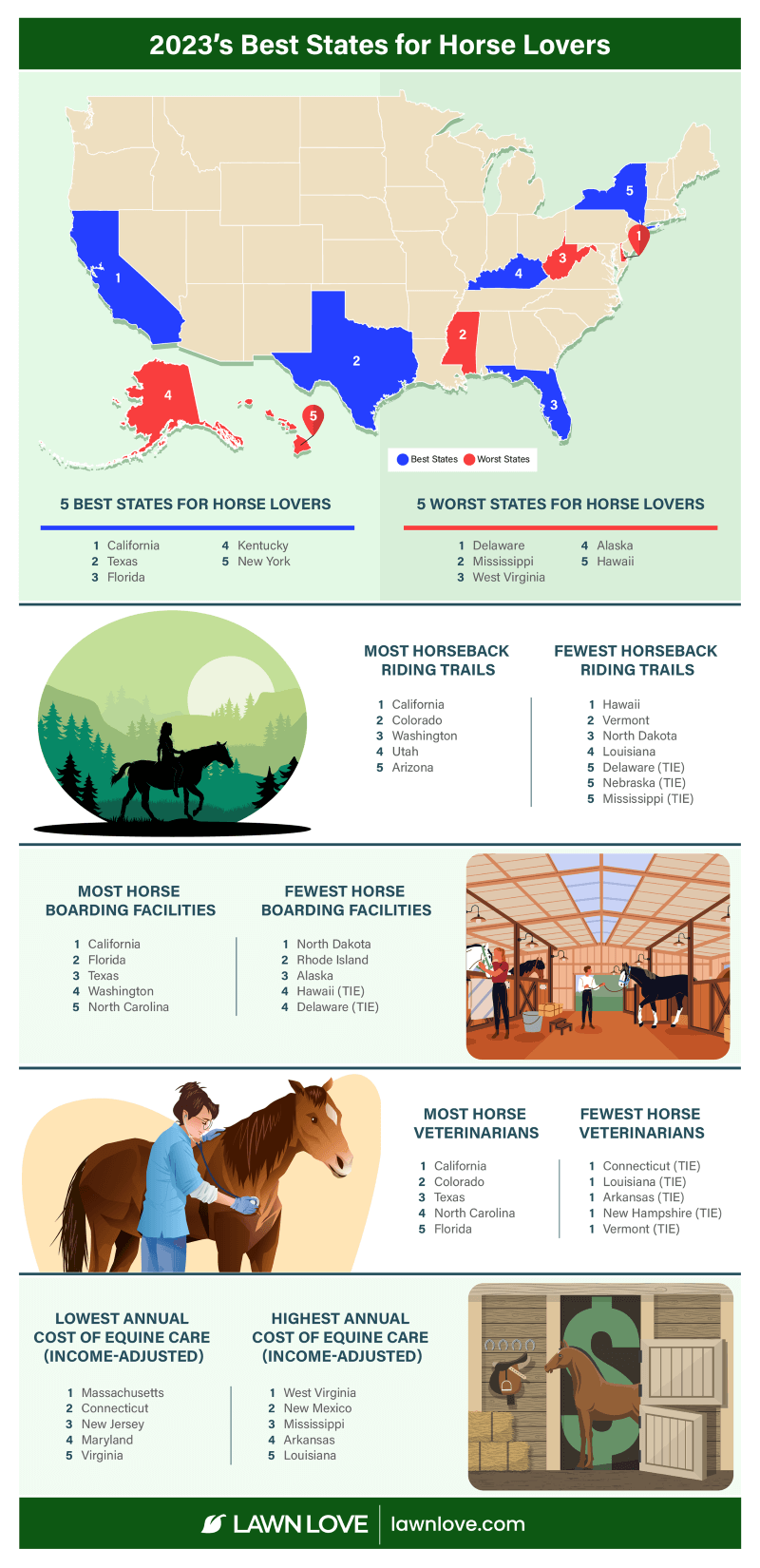
Beyond the Rankings: Standout States
While our rankings focus on specific cities, several states consistently stand out as excellent places for horse owners, regardless of location. Virginia is a perennial favorite, thanks to its rich equestrian history, rolling hills, and strong hunt culture. The Facebook discussions confirm the popularity of counties like Culpeper, Fauquier, and Madison.
Kentucky is, of course, synonymous with horses. Beyond Lexington, the entire state benefits from fertile land, a supportive agricultural community, and a deep understanding of equine needs. Florida offers year-round riding weather and a thriving equestrian industry, particularly in the central part of the state. Texas provides affordable land, a strong western riding tradition, and a growing equestrian scene.
These states often have robust trail systems, state-level horse shows, and agricultural support programs designed to benefit horse owners. They also tend to have a higher concentration of equine veterinarians, farriers, and other essential services.
Zoning & Regulations: What to Expect
Navigating local zoning laws is absolutely critical before purchasing a horse property. Regulations vary widely from county to county and even within municipalities. Common restrictions include limits on the number of horses allowed per acre, setback requirements for stables and manure piles, and regulations regarding manure management to protect water quality.
Some areas may have restrictions on the type of fencing allowed or require permits for building arenas or other equestrian facilities. It’s also important to check for any homeowners’ association (HOA) rules that may impact horse ownership. The American Trails Planning and Zoning Guide for Horse Friendly Communities is a valuable resource for understanding these regulations.
Due diligence is paramount. Don’t rely on assumptions. Contact the local zoning department and review the relevant ordinances before making an offer on a property. Understanding these regulations upfront can prevent costly surprises and ensure you can legally and comfortably enjoy your horses on your new land.
- Check local zoning ordinances: Understand the rules regarding horse ownership in the specific county and municipality.
- Verify acreage requirements: Ensure the property meets the minimum acreage requirements for keeping horses.
- Review setback regulations: Confirm the required distances between stables, manure piles, and property lines.
- Investigate HOA rules: If applicable, understand any restrictions imposed by a homeowners’ association.
Essential Gear: Equipping Your New Property
Once you’ve secured your property, you’ll need to outfit it with the essentials. Fencing is the first priority, ensuring the safety and containment of your horses. Options range from traditional wood fencing to more affordable and durable options like PVC or high-tensile wire. Consider the type of horses you have and their behavior when choosing a fencing material.
Stable supplies are also crucial, including stalls, feeders, waterers, and bedding. Invest in high-quality stalls that are safe and comfortable for your horses. Don’t skimp on bedding; proper bedding is essential for hygiene and comfort. A well-stocked grooming kit is a must, including brushes, combs, hoof picks, and clippers.
Finally, a comprehensive first-aid kit is essential for dealing with minor injuries and emergencies. Include items like bandages, antiseptic, wound ointment, and a thermometer. Having these supplies on hand can make a significant difference in your horse’s well-being. Prioritize quality and durability when making these purchases – your horse’s safety and comfort depend on it.
Essential Gear for Your Equestrian Lifestyle in Top Horse-Friendly Cities

48"H x 100'L electric fence starter kit · Includes solar energizer, FiberTuff™ support posts, and tester · Extra line posts to reduce sag
Ensure secure containment for your horses with this comprehensive electric fence starter kit, featuring durable components and easy setup.
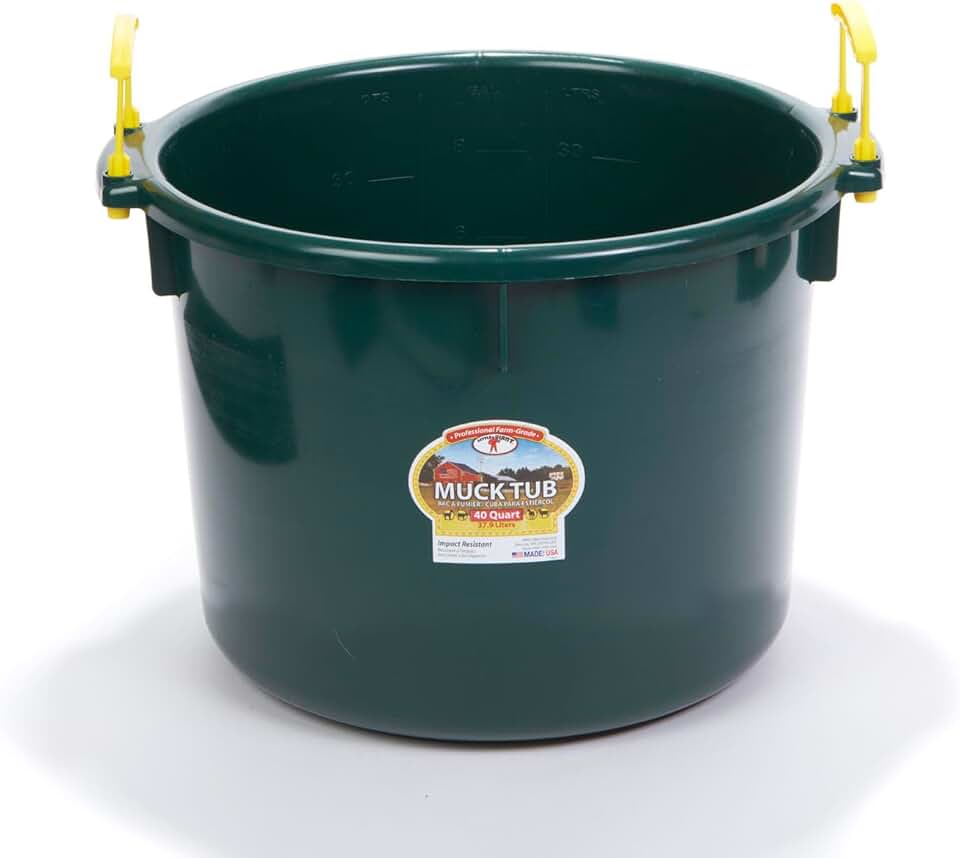
40-quart capacity · Durable plastic construction · Features sturdy handles for easy transport
This versatile muck tub is essential for barn chores, offering durability and convenient handling for feed, water, or waste.

7-piece horse brush set · Includes hoof pick, comb, and sweat scraper · Comes with an organizer tote bag
Maintain your horse's coat and health with this complete grooming kit, designed for daily care and conveniently stored in its tote.

430-piece comprehensive kit · Waterproof and compact design · Well-organized for quick access to supplies
Be prepared for any equestrian emergency with this extensive first aid kit, offering a wide range of supplies in a durable, portable case.

Ultra slow feed design with 2.36"x2.36" holes · Heavy-duty, strong, and durable construction · 40" size suitable for stall, trailer, or pasture
Promote healthier digestion and reduce waste with these ultra slow feed hay nets, designed for durability and extended feeding times.
As an Amazon Associate I earn from qualifying purchases. Prices may vary.
Finding Your Tribe: Equestrian Communities
Horse ownership is often more enjoyable when shared with others. Connecting with local equestrian communities can provide valuable support, friendship, and opportunities to learn. Horse clubs are a great way to meet fellow riders and participate in group activities. Riding associations often organize shows, clinics, and trail rides.
Breed organizations are a valuable resource for owners of specific breeds, providing information, events, and networking opportunities. Don’t overlook the power of online forums and social media groups. These platforms can connect you with horse owners in your area and provide a forum for sharing information and advice.
Building relationships within the equestrian community can greatly enhance your horse ownership experience. It’s a chance to learn from others, share your passion, and create lasting friendships.
- Local Horse Clubs
- Riding Associations
- Breed Organizations
- Online Equestrian Forums
- Social Media Groups
Future Trends: What’s on the Horizon?
The equestrian landscape is constantly evolving. We're seeing increased demand for smaller horse properties – sometimes called "hobby farms’ – as more people seek a manageable lifestyle. There"s a growing interest in natural horsemanship and holistic horse care practices, reflecting a shift towards more compassionate and intuitive approaches.
Technology is also playing a larger role, with advancements in equine health monitoring, stable management systems, and online training resources. I’m not sure exactly how these trends will unfold, but it seems likely that the future of equestrian living will be characterized by a greater emphasis on sustainability, wellness, and connection.
No comments yet. Be the first to share your thoughts!