
What makes a top equestrian community
The best equestrian communities are defined by infrastructure that supports the daily reality of horse care, not just acreage. While land size matters, the presence of state-of-the-art stables, custom indoor and outdoor arenas, and dedicated riding fields separates functional properties from mere pastures. A true equestrian estate prioritizes the animal's comfort and the owner's convenience through specialized design.
Zoning and infrastructure form the backbone of these communities. Reliable access to three-phase power is essential for electric fencing, automated feeders, and climate-controlled barns. Proximity to world-class veterinary services and farriers ensures that health needs are met without long travel times. Communities like Ocala, Florida, and Lexington, Kentucky, have built their reputations on this dense network of support, making them hubs for thoroughbred breeding and performance horses.
Community support extends beyond physical amenities. Successful equestrian neighborhoods foster a culture of shared knowledge and mutual assistance. This includes organized trail systems that connect private properties, reducing the need to ride on public roads. It also involves local regulations that protect the rural character of the area, preventing incompatible development that could disturb the horses.
When evaluating a property, look for these concrete indicators. A wash rack with hot and cold water, a large equipment storage shed, and secure fencing are non-negotiable. These features indicate that the community understands the specific needs of horse owners, ensuring that your investment supports a sustainable and enjoyable equestrian lifestyle.
Ocala, Florida: The Horse Capital of the World
Ocala sits in the heart of Florida’s rolling horse country, often called the "Horse Capital of the World." Unlike the clay-heavy soil of Kentucky, Ocala’s red clay and limestone base provide excellent drainage and firm footing, which is critical for maintaining healthy joints in sport horses. This region has evolved from a quiet agricultural area into a global hub for thoroughbred breeding and equestrian sport, drawing buyers who want proximity to world-class facilities without the harsh winters of the north.
The area is home to the Florida Horse Park, a 200-acre facility that hosts national and international competitions year-round. Its presence ensures that Ocala remains a serious destination for competitive riders, not just passive owners. The local economy revolves around the horse industry, meaning you’ll find specialized veterinarians, farriers, and feed suppliers within minutes of most properties. This infrastructure reduces the friction of ownership, allowing you to focus on training rather than logistics.
For those investing in this market, the value extends beyond the land. Ocala’s reputation attracts consistent demand, making it a stable choice for long-term appreciation. Whether you are looking for a small acreage for a single companion horse or a sprawling breeding farm, the region offers a unique blend of climate, community, and competitive infrastructure.
Essential Equipment for Ocala Living
Living in Ocala means dealing with humidity and intense sun. Your gear needs to withstand these conditions while supporting the specific demands of horse care in this climate. Here are practical tools to consider for your new property.


As an Amazon Associate, we may earn from qualifying purchases.
Lexington, Kentucky: Thoroughbred Heritage
Lexington sits at the heart of America’s thoroughbred industry, a region where breeding history and modern equestrian living intersect. Often called the Horse Capital of the World, the area offers a concentration of world-class facilities, including the Kentucky Horse Park and historic stud farms. For buyers seeking a property embedded in this culture, Lexington provides immediate access to a network of veterinarians, farriers, and trainers who specialize in high-performance horses.
The appeal extends beyond the racetrack. The landscape is defined by rolling pastures and limestone-rich soil, which contributes to strong bone structure in the horses raised here. Properties in this region often feature large acreage, multiple barns, and specialized training grounds. The real estate market caters specifically to equestrian needs, with many listings offering turnkey facilities for both breeding and leisure riding.
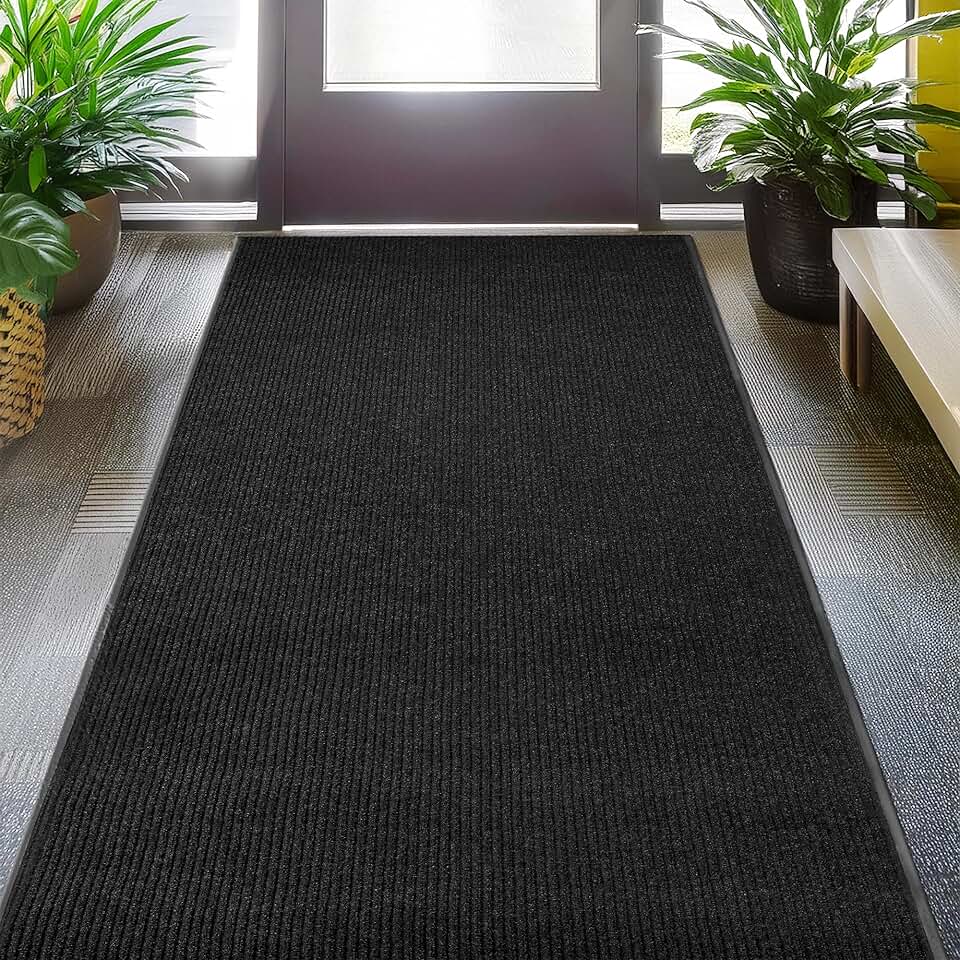
Maintaining a thoroughbred property requires specific gear and maintenance tools. Owners often invest in high-quality tack, specialized footing materials, and durable fencing solutions to protect their investments. The following items are essential for managing a high-standard equestrian facility in this region.


As an Amazon Associate, we may earn from qualifying purchases.
Tryon North Carolina: Western and English Hub
Use this section to make the Best Horse Properties in the US decision easier to compare in real life, not just on paper. Start with the reader's actual constraint, then separate must-have requirements from details that are merely nice to have. A practical choice should survive normal use, maintenance, timing, and budget. If a recommendation only works in an ideal situation, call that out plainly and give the reader a fallback path.
The simplest way to use this section is to write down the must-have criteria first, then compare each option against those criteria before weighing nice-to-have features.
Scottsdale, Arizona: Desert Riding and Luxury
Scottsdale ranks among the top four most popular regions for horse property in the United States, offering a distinct alternative to the breeding hubs of Florida and Kentucky. The appeal lies in the year-round riding climate and the dramatic backdrop of the McDowell and Superstition Mountains. Properties here are defined by large acreage, often exceeding ten acres, providing ample space for turnout and trail access without the humidity that challenges riders in the Southeast.
The equestrian infrastructure in Scottsdale supports both sport and leisure. Communities like Carefree and North Scottsdale feature private clubs with extensive trail systems, arenas, and stables designed for western pleasure, endurance riding, and polo. The soil conditions vary, requiring specific footing management, but the dry air significantly reduces the risk of certain hoof ailments common in wetter climates.
Maintaining a horse in the desert requires specialized gear to handle intense sun and abrasive dust. The following equipment is essential for protecting both rider and animal in this environment.


As an Amazon Associate, we may earn from qualifying purchases.
Essential gear for your new horse property
Purchasing land is only the first step. The true cost of ownership lies in the daily maintenance required to keep the property and animals safe. Whether you are in Ocala’s breeding country or Lexington’s thoroughbred heartland, the gear you choose determines how efficiently you manage the property.
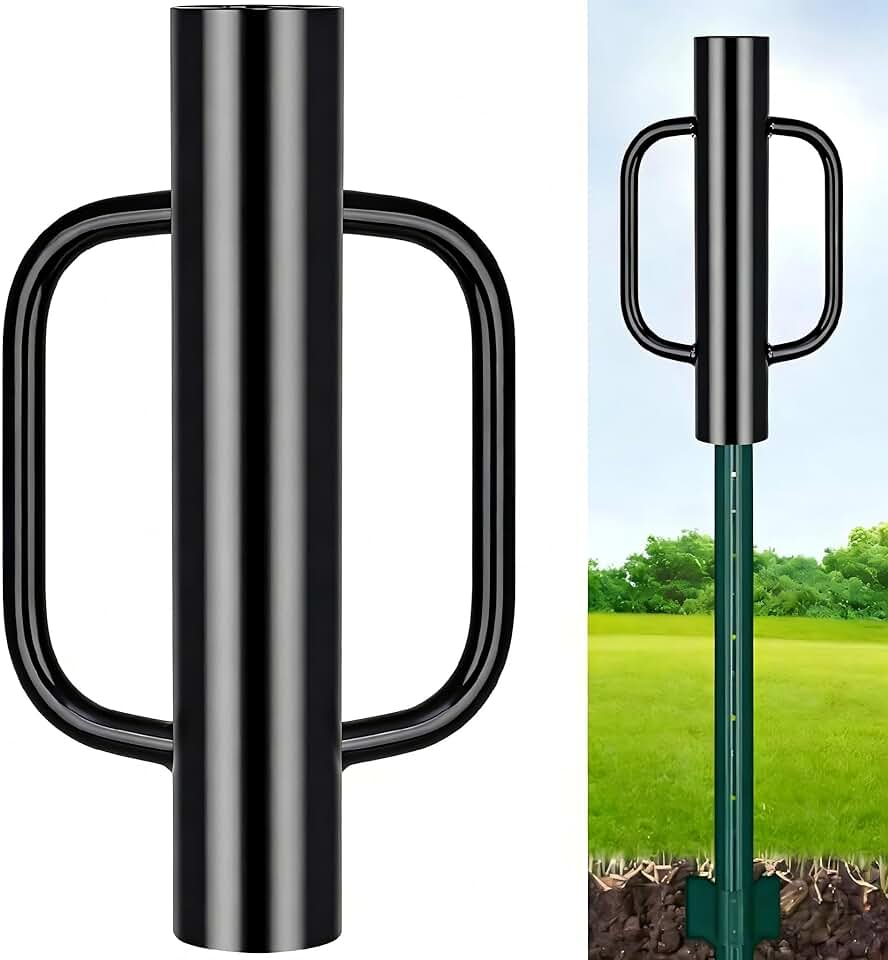
Focus on durable, high-quality tools that handle the specific demands of equestrian living. A reliable trailer jack prevents accidents during loading, while heavy-duty fencing staples and a quality post driver ensure your pastures remain secure against wandering horses. These are not luxury items; they are the difference between a well-managed farm and a constant source of repair headaches.
The following Amazon products represent the core toolkit for any new horse property owner. These items cover the essential tasks of fencing, trailer safety, and general maintenance.



As an Amazon Associate, we may earn from qualifying purchases.
Investing in these foundational items upfront saves time and money in the long run. Prioritize durability over price, as these tools will see heavy daily use in often muddy or dusty conditions. A well-equipped property allows you to focus on the horses rather than fixing broken equipment.
Checklist for buying your first horse property
Owning a horse property in regions like Ocala’s breeding hubs or Kentucky’s thoroughbred country requires more than just finding land with a view. The infrastructure must support the daily needs of livestock, not just human comfort. This checklist ensures you evaluate the specific equestrian features that protect your investment and your animals.
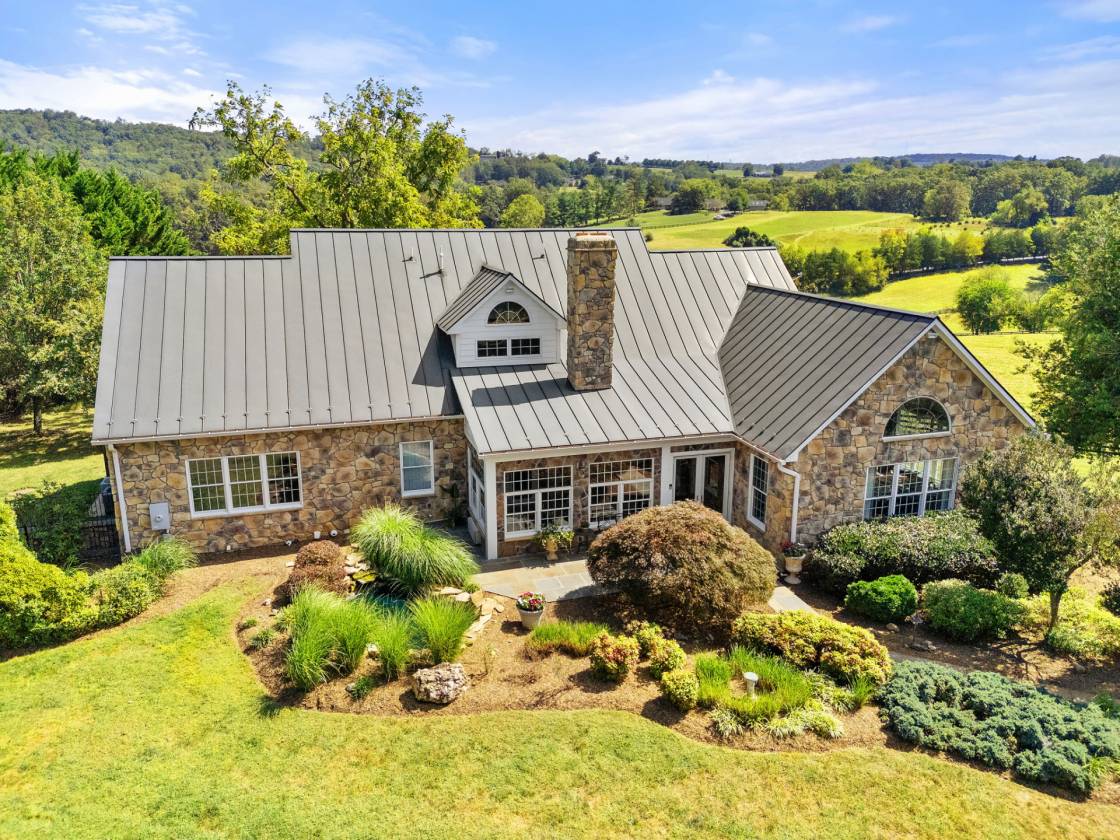
Inspect every mile of fencing for rot, loose nails, or weak posts. In high-traffic breeding areas, four-board wood or high-tensile electric fencing is standard. Check pasture drainage to prevent mud, which causes hoof rot, and verify soil quality for safe grazing.
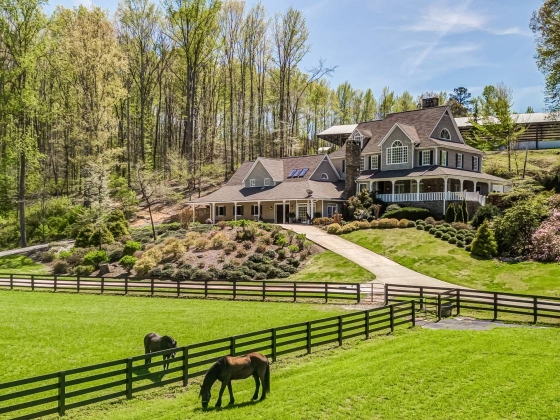
Look beyond the stall count. Evaluate ventilation, lighting, and footing in both indoor and outdoor arenas. Poor footing in a Kentucky training facility can lead to serious injury. Ensure the barn has adequate fire safety measures and secure latching on all gates.
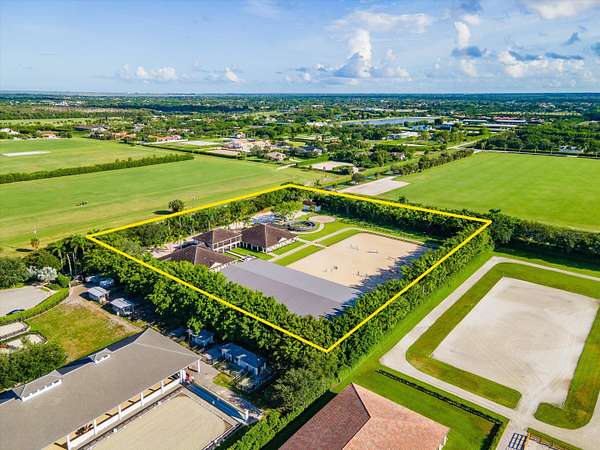
Horses drink significant amounts of water daily. Verify that wells are deep enough to survive regional droughts and that water lines are clean and free of lead. In arid regions like Scottsdale, confirm irrigation rights for pastures are transferable with the property.
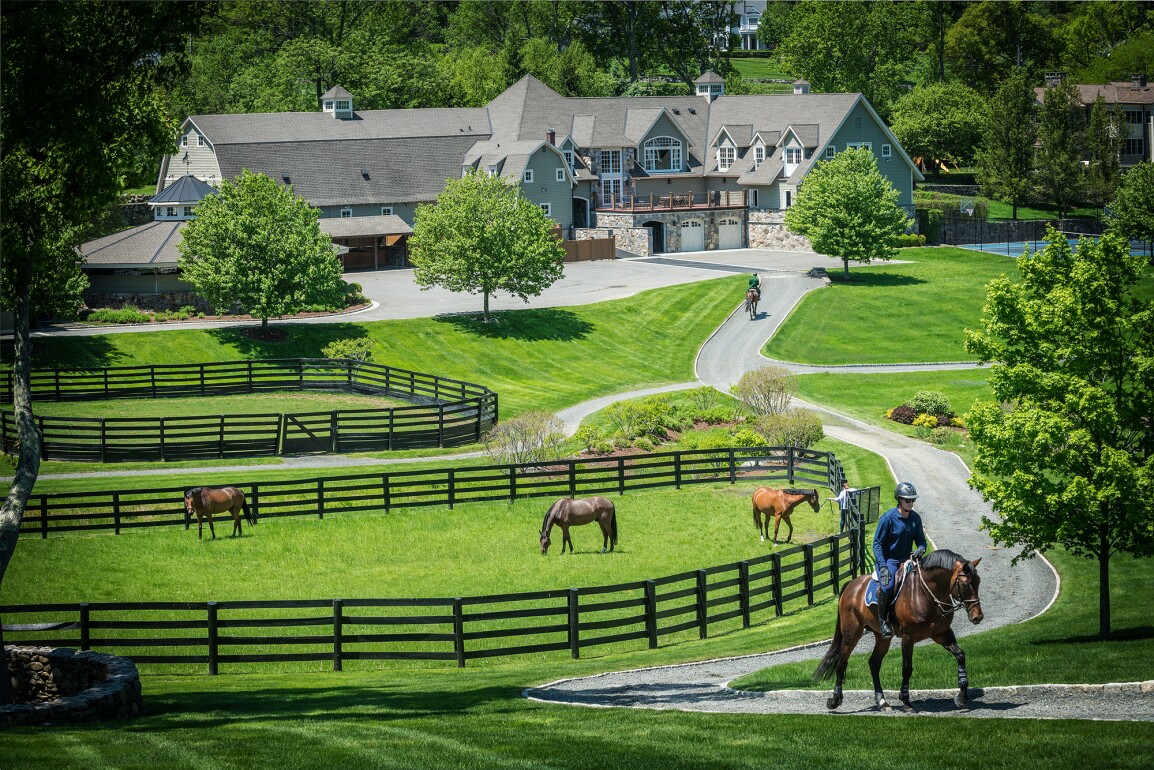
Some equestrian communities restrict the number of horses or prohibit commercial boarding. Ensure the property is zoned for your intended use, whether that is a private riding hobby or a professional breeding operation. HOA rules may also ban certain fencing types or arena surfaces.
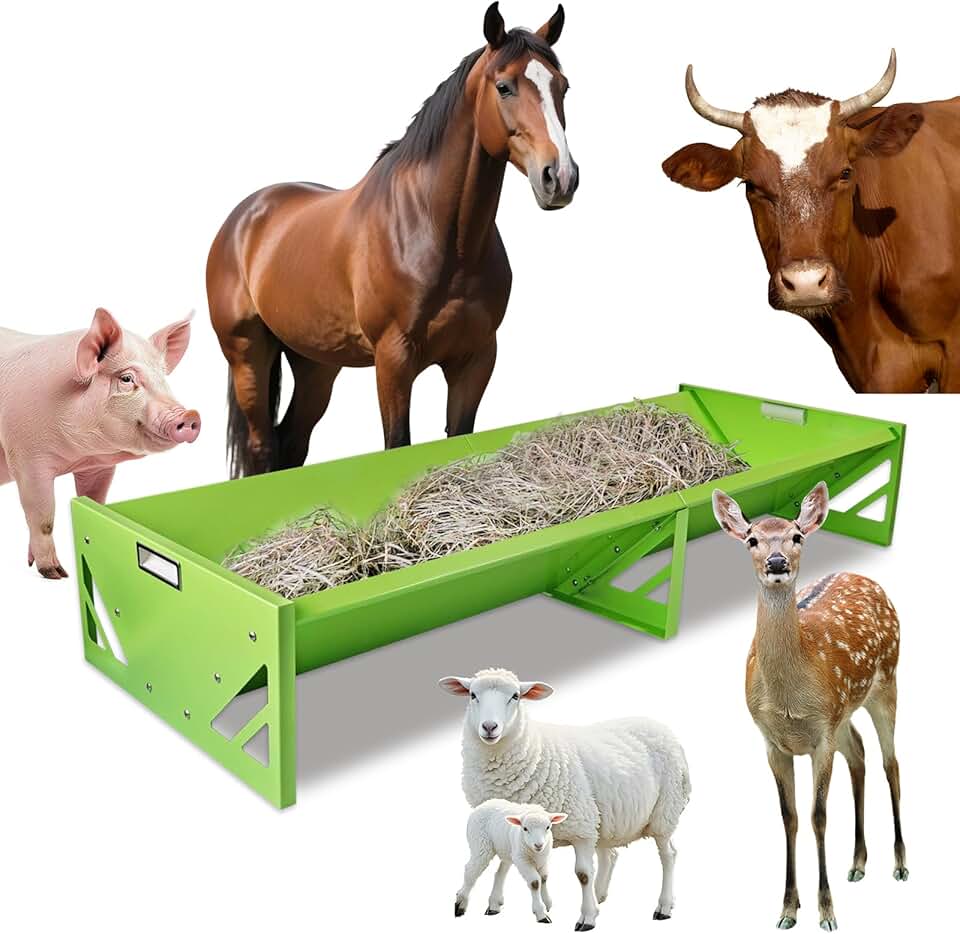
Equipping your new property correctly is just as important as the land itself. For immediate safety and maintenance needs, consider these essential tools:


As an Amazon Associate, we may earn from qualifying purchases.
Common questions about equestrian real estate
Buying a horse property involves more than just square footage; it requires navigating specific legal and environmental constraints that vary by region. In established breeding hubs like Ocala, Florida, or Lexington, Kentucky, local zoning laws are often tightly integrated with agricultural preservation efforts. These areas typically permit larger herd sizes and specialized structures, such as indoor arenas and foaling stalls, that might be restricted in standard rural residential zones. Understanding these nuances is essential for maintaining the operational integrity of your equestrian lifestyle.
Homeowners Association (HOA) rules can significantly impact your ability to keep livestock. Many equestrian communities are designed with specific equine amenities, but they also enforce strict guidelines on manure management, noise levels, and property maintenance. Some HOAs limit the number of horses per acre or prohibit certain types of fencing to maintain aesthetic standards. Always review the CC&Rs (Covenants, Conditions, and Restrictions) carefully to ensure your intended use of the land aligns with community regulations.
Water rights are another critical consideration, particularly in western states like Arizona and Texas. Access to reliable water sources—whether through municipal supply, wells, or riparian rights—directly affects land value and usability. In regions prone to drought, verifying water rights and well capacity is non-negotiable. A property with insufficient water infrastructure may require costly upgrades to support both domestic use and pasture irrigation, impacting your long-term budget.
No comments yet. Be the first to share your thoughts!