
Horse Property Values: A Rising Tide?
The horse property market is showing resilience despite broader real estate uncertainties. While residential markets fluctuated in 2023 and early 2024, equestrian properties have largely held their value, and some areas even appreciated. This isn't a universal trend; variation exists depending on location and property specifics, but the overall picture is stability, with growth in desirable areas.
Demand is relatively inelastic. People who want to own horses and have the land to do so responsibly are often less sensitive to interest rate hikes than first-time homebuyers, creating a more stable market. Recent sales data from Kentucky and Texas show that well-maintained properties with desirable features still command strong prices.
'Horse property' is a broad category. A ten-acre parcel with a run-in shed behaves very differently than a 200-acre farm with a custom barn and indoor arena. The market for smaller 'hobby farms' ties more closely to general housing trends, while larger equestrian facilities often attract different buyers – investors, breeders, or those seeking a specific lifestyle.
The current market has challenges. Low inventory in many areas pushes prices up. Finding a horse property often requires patience and compromise. For those prepared to invest, the long-term outlook is positive. The desire for a rural lifestyle, combined with the enduring appeal of horses, will continue to support demand.
Florida's Equine Boom & Branding
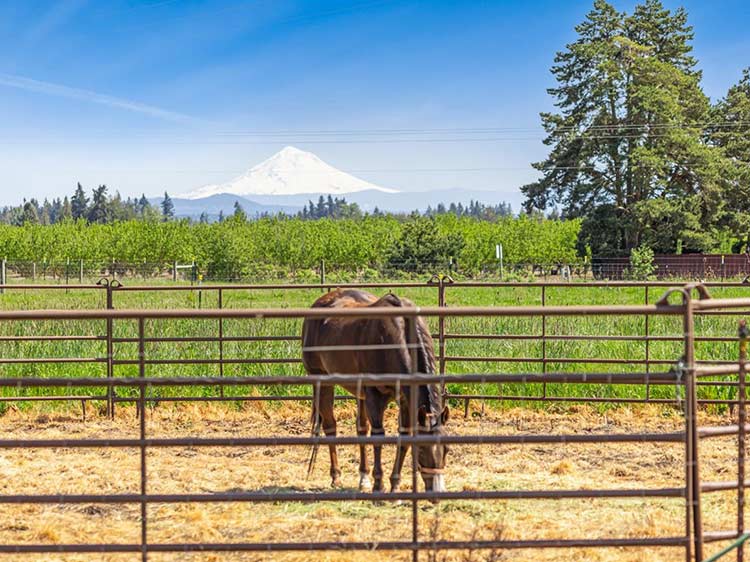
Florida is experiencing a significant surge in equine activity, and the numbers back it up. Data from the Florida Department of Agriculture and Consumer Services (FDACS) shows a steady increase in horse registrations and brands. This isn't just anecdotal; it's a clear indicator of a growing horse population and investment in the state’s equine infrastructure.
Several factors are driving this trend. Florida's warm climate allows for year-round riding and training, a huge draw for both amateur and professional equestrians. The state also hosts numerous equestrian events, from local shows to international competitions, attracting riders and trainers from around the globe. Population growth within Florida itself also plays a role, with more residents discovering the joys of horse ownership.
The increase in branding activity is significant. Branding is a traditional method of identifying horses, and a rise in registrations suggests owners are investing in their animals and planning for the long term. This signals confidence in the state’s equine industry. Several breeders in Ocala confirm they are seeing unprecedented demand.
This increased demand is, naturally, impacting property values. Land suitable for equestrian use is becoming increasingly scarce and expensive, especially in central Florida around Ocala, which is widely considered the 'Horse Capital of the World'. The concentration of horse farms and related businesses in this area creates a unique market dynamic.
Off Market 44 acres with a home, horse barn, barn with living quarters, infinity edge pool, and beautiful pond stocked with fish!!! This is the perfect horse property, hunting property, or just family get away! Give me a call to schedule a showing 830-955-7005. pic.twitter.com/TH5yUBnC20
— Chris Callan (@CallanHighRidge) March 24, 2026
The 'Lifestyle Property' Premium
Equestrian properties often command a premium compared to similar-sized parcels of land without equestrian facilities. This isn’t simply about the cost of building a barn; it’s about the lifestyle they offer. Buyers are willing to pay extra for the convenience, privacy, and recreational opportunities that come with owning a property designed for horses.
What features are buyers prioritizing? Well-maintained barns are essential, of course, but so are fenced pastures, riding arenas (both indoor and outdoor), and access to trails. Water features, such as ponds or streams, are also highly desirable. Increasingly, buyers are looking for properties with guest accommodations – a small cottage or apartment – for visiting trainers or family members.
Demand for 'lifestyle properties' has amplified since the pandemic. Many people are re-evaluating their priorities and seeking a more rural, self-sufficient lifestyle. A horse property offers an opportunity to connect with nature, enjoy outdoor activities, and escape city life. It's a retreat as much as a working farm.
This trend extends beyond physical features. Buyers also look for properties within an equestrian community – a place to connect with other horse enthusiasts, participate in events, and share their passion. That sense of community is a huge selling point. A well-located horse property isn’t just land; it’s a gateway to a specific way of life.
- Barns (size, condition, features)
- Fenced pastures (quality of fencing)
- Riding arenas (indoor/outdoor, footing)
- Trails (on-property or nearby)
- Water features (ponds, streams)
- Guest accommodations
Regional Hotspots: Where Buyers Are Looking
Florida is a clear hotspot, but other regions also see strong demand for horse properties. Kentucky, with its equestrian heritage and thoroughbred industry, remains a favorite. Central Kentucky, around Lexington, attracts buyers willing to pay a premium for quality farms. Prices range from $500,000 for a smaller hobby farm to millions for a breeding operation.
Virginia’s horse country, including Middleburg and The Plains, is another popular destination. Its proximity to Washington D.C. and rolling hills and landscapes make it an attractive option for those seeking a weekend retreat or a permanent lifestyle change. Property values are generally high, reflecting the area’s desirability.
Texas is emerging as a significant player in the horse property market. The state’s growing economy and affordable land prices attract buyers from across the country. Areas around Dallas-Fort Worth and San Antonio see strong activity. A wider range of price points exists in Texas, from modest ranches to expansive estates.
California, despite its high cost of living, holds appeal for some buyers, especially in Temecula and Paso Robles. The climate and access to riding trails are major draws. Land is expensive and zoning regulations can be complex. North Carolina, with its milder climate and growing equestrian scene, is gaining traction as an affordable alternative to more established hotspots. These areas share a common thread: a strong equestrian culture and a commitment to preserving open space.
2026 Equestrian Real Estate Hotspot Comparison
| State | Climate | Equestrian Focus | Acreage Cost | Lifestyle Factors |
|---|---|---|---|---|
| Florida | Subtropical, Humid | Racing, Polo, Eventing | Generally Higher | Rural to Suburban, Growing Population |
| Texas | Varied, Hot Summers | Ranching, Western Riding, Trail Riding | Moderate | Predominantly Rural, Increasing Suburban Areas |
| Kentucky | Temperate, Four Seasons | Thoroughbreds, Hunter/Jumper, Three-Day Eventing | Moderate to Higher | Rural, Horse Farm Culture, Proximity to Cities |
| Virginia | Temperate, Mild Winters | Hunter/Jumper, Fox Hunting, Steeplechase | Higher | Rural, Historic Equestrian Tradition, Close to Major Metropolitan Areas |
| North Carolina | Temperate, Moderate Humidity | Eventing, Hunter/Jumper, Trail Riding | Moderate | Mix of Rural and Suburban, Growing Equestrian Community |
| Tennessee | Temperate, Four Seasons | Western, Trail Riding, Hunter/Jumper | Generally Lower | Rural, Affordable Land Options, Increasing Popularity |
| Oregon | Temperate, Mild, Wet Winters | Trail Riding, Dressage, Natural Horsemanship | Moderate to Higher | Rural, Outdoor Lifestyle, Scenic Beauty |
Qualitative comparison based on the article research brief. Confirm current product details in the official docs before making implementation choices.
Financing Equestrian Dreams
Financing a horse property is more complex than financing a standard residential property. Traditional lenders may not fully understand the needs of equestrian buyers, such as the cost of building and maintaining barns, arenas, and other facilities. Working with a lender who specializes in agricultural or rural real estate is beneficial.
Available loans include farm loans (offered by the USDA), land loans, and traditional mortgages. Farm loans typically have flexible terms and lower down payment requirements, but come with stricter eligibility criteria. Land loans are often used to purchase vacant land to build a horse property.
Lenders consider factors when evaluating a horse property, including acreage, land quality, water sources, and the condition of existing structures. They’ll also assess your income, credit history, and debt-to-income ratio. Provide detailed documentation, including a business plan if you plan to operate a commercial horse operation.
Finding the right financing can make or break your dream of owning a horse property. Shop around and compare rates and terms from multiple lenders. Seek advice from a financial advisor familiar with agricultural lending.
Land Use & Zoning: Navigating the Rules
Understanding local zoning regulations and land use restrictions is important before purchasing a horse property. These regulations vary significantly between counties or municipalities and can impact what you’re allowed to do with your land.
What equestrian activities are permitted in different zones? Are there restrictions on the number
Some areas may have agricultural zoning that allows for a wide range of farming activities, including horse ownership. Others may have more restrictive zoning that limits the number of animals you can keep or prohibits certain types of structures. It’s essential to verify that your intended use of the property is permitted under local regulations.
Working with a real estate agent who is familiar with local zoning laws is invaluable. They can help you navigate the complexities of the permitting process and ensure that you’re not violating any regulations. Ignoring zoning regulations can lead to costly fines or even the forced removal of structures.
Future-Proofing Your Investment
The horse property market is not immune to broader economic and environmental trends. Changing demographics, climate change, and economic conditions are all likely to impact the market in the coming years. Being prepared for these challenges can help you protect your investment.
Maintaining the property is essential. Regular maintenance of barns, fences, and other facilities will not only keep your horses safe and healthy, but it will also preserve the value of your property. Consider investing in energy-efficient upgrades to reduce your operating costs and environmental footprint.
Diversifying income streams can also provide a financial buffer. Consider offering boarding, training, or lessons to generate additional revenue. Or, explore opportunities for agritourism, such as hosting equestrian events or offering trail rides. Staying informed about local regulations is also vital. Zoning laws and land use restrictions can change over time, so it’s important to stay up-to-date.
Finally, consider the impact of climate change. Increased frequency of extreme weather events, such as droughts and floods, could impact the availability of water and forage. Planning for these contingencies – such as investing in water storage or drought-resistant pastures – can help you mitigate the risks. A proactive approach to property management is the best way to ensure your investment remains valuable for years to come.

No comments yet. Be the first to share your thoughts!