

More than just a good eye
I remember my grandmother, a lifelong horsewoman, spending hours each day simply observing her horses. Checking for subtle changes in appetite, coat condition, or attitude was her primary method of care. That level of dedication is still vital, but horse ownership today demands so much more of our time. We’re juggling work, family, and other commitments, and the traditional methods, while still important, can feel stretched thin.
Smart tech doesn't replace a good eye; it sharpens it. We get data faster, which helps us make better calls on health. Farmers have used sensors for years to manage crops and cattle. Now, those same tools are finally cheap enough for the average barn.
I'm not interested in flashy gadgets. I want a way to spot a problem before it turns into a vet emergency. We're moving from reacting to crises to preventing them. It's a slow shift, but the payoff is a healthier horse and a barn that's easier to run.
The move towards integrating technology is happening gradually. Many owners are starting with simple tools like automatic waterers, and then expanding as they become more comfortable with the possibilities. The early adopters are seeing real results in terms of time savings, reduced stress, and improved horse health, which is driving further interest within equestrian communities.
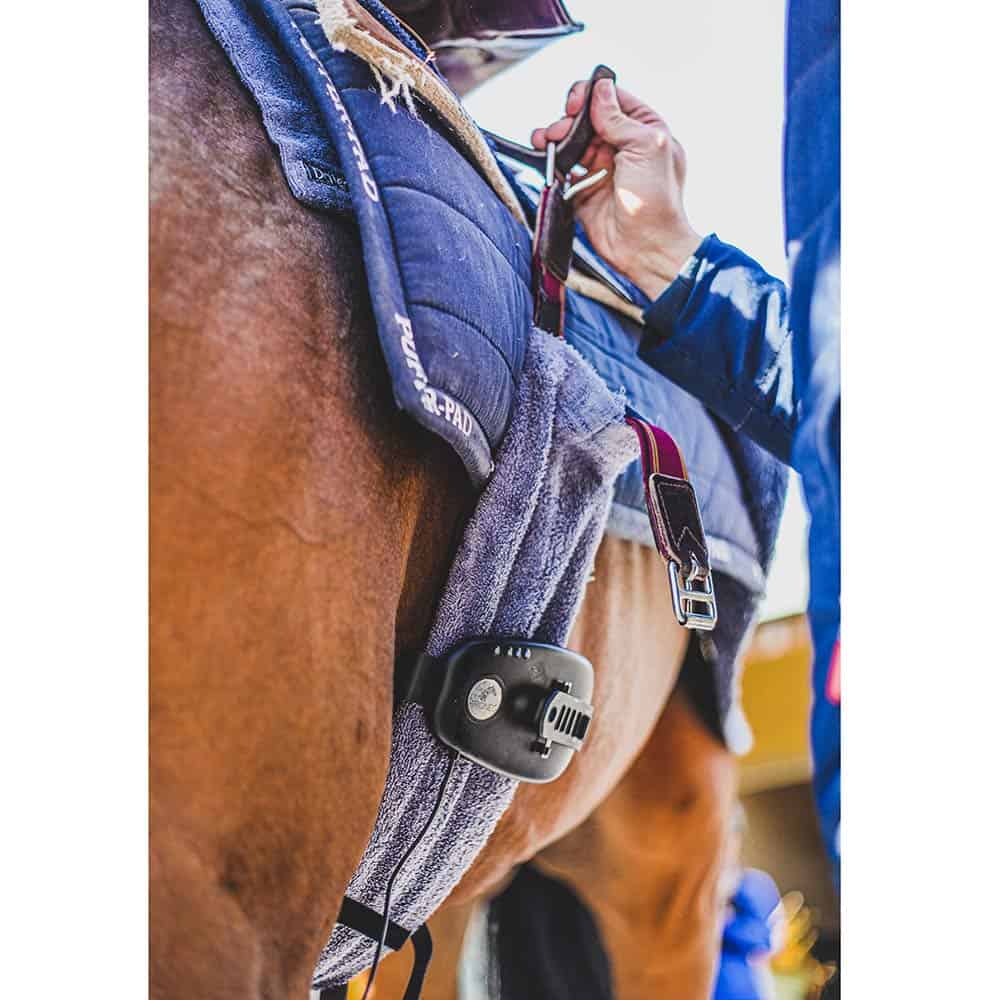
Tracking vitals with wearables
Wearable sensors are arguably the most visible aspect of smart technology in horse care. These devices, typically attached to the horse’s halter or chest band, can continuously monitor vital signs like heart rate, respiratory rate, body temperature, and activity levels. The data collected provides a baseline understanding of what’s normal for that individual horse, which is absolutely crucial.
Baselines matter because horses are masters at hiding pain. A resting heart rate that creeps up by five beats might be the only warning you get before colic hits. If a horse moves 20% less than usual overnight, you check for lameness. These sensors catch a fever hours before you'd notice a warm ear or a dull eye.
However, there are challenges. Battery life is a constant concern, as is the durability of the sensors themselves. Horses are tough on equipment! Ensuring a comfortable and secure fit is also essential to prevent chafing or irritation. Data overload is another potential issue – simply having a lot of data isn’t helpful if you don’t know how to interpret it. That’s where user-friendly software and analytical tools come into play.
Companies like Equine Helper and others are developing increasingly sophisticated wearable technologies. The ability to consistently track these metrics allows for a level of preventative care that wasn’t possible before. It’s about shifting from reactive treatment to proactive management.
- Heart rate monitors catch stress or pain before the horse shows outward signs.
- Activity trackers show if a horse is pacing or standing unusually still.
- Temperature sensors alert you to a fever the moment it spikes.
Automating the barn
Beyond monitoring the horse itself, smart technology can also streamline barn management. Automatic waterers, for example, ensure that horses always have access to fresh water, and many models include freeze protection – a huge benefit in colder climates. Smart feeders can dispense measured amounts of feed at scheduled times, reducing waste and ensuring consistent nutrition.
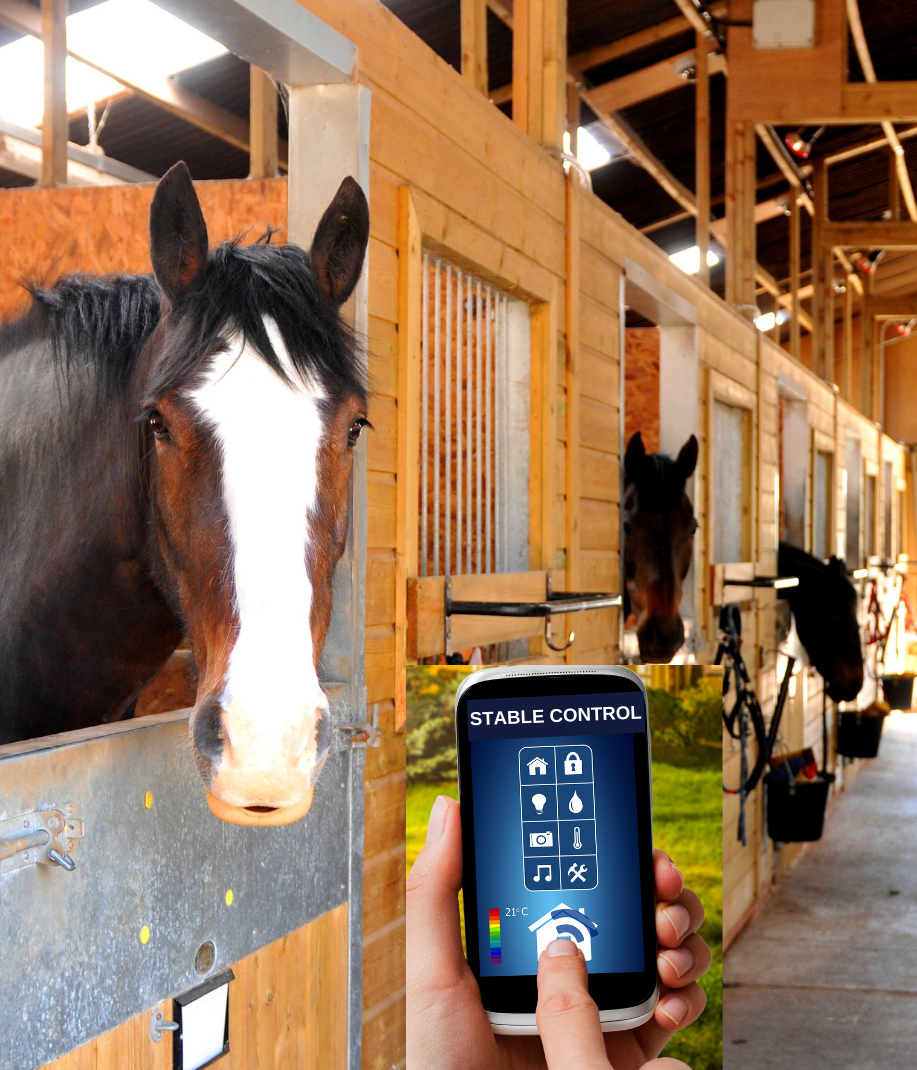
Stall monitoring systems are becoming increasingly popular, particularly for broodmares. These systems use sensors to detect movement patterns, and can send alerts if a mare shows signs of foaling, or if there’s unusual activity during the night. Remote control of lights and fans allows you to adjust the barn environment from anywhere, improving comfort and potentially reducing energy costs.
The upfront cost is high. There's no way around that. But I've found that automating the boring stuff—like filling water buckets or timing grain—gives me an extra hour a day to actually ride. That's where the value is.
These systems aren’t just about convenience, they’re about peace of mind. Knowing that your horse has access to water, is receiving the correct amount of feed, and that you’ll be alerted to any potential problems can significantly reduce anxiety and improve overall management.
Pasture & Grazing: Location & Analysis
GPS tracking for horses in pasture is a surprisingly versatile tool. While it’s often used to prevent escapes, it can also provide valuable insights into grazing patterns. By tracking where horses spend their time, you can identify areas of overgrazing and implement rotational grazing strategies to promote pasture health.
Virtual fencing systems are another emerging technology. These systems use GPS and wireless technology to create virtual boundaries, allowing you to manage grazing areas without the need for physical fences. This can be particularly useful for managing large pastures or for creating temporary grazing paddocks.
The data collected from pasture tracking can also contribute to better land stewardship. By understanding how horses utilize the pasture, you can optimize grazing management, reduce the need for supplemental feed, and improve overall land health. It’s a win-win for both the horses and the environment.
I'm not sure how common virtual fencing is at the moment, but the potential is there to revolutionize pasture management, particularly for owners with larger properties. The ability to remotely manage grazing areas and prevent overgrazing is a significant advantage.
Connecting the dots
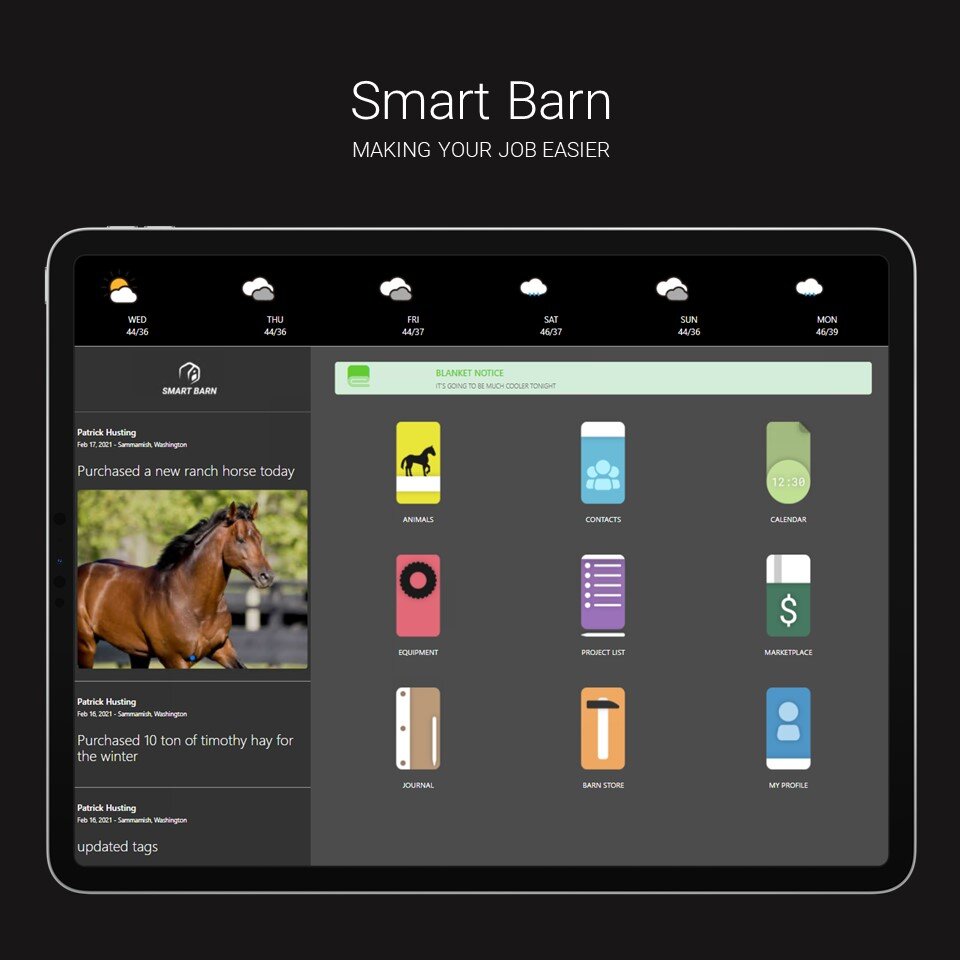
The true power of smart technology lies in data integration. If you’re collecting data from wearable sensors, barn automation systems, and pasture tracking, you can start to see a much more complete picture of your horse’s health and well-being. The goal is to move beyond simply collecting data to actually analyzing it.
Imagine being able to combine data on a horse’s activity level, heart rate, and grazing patterns to identify potential risks. For example, a horse that is showing a decrease in activity, an increase in heart rate, and is spending less time grazing might be at risk of developing colic. Predictive analytics can help you identify these risks before they become obvious, allowing you to intervene early.
Of course, data privacy and security are paramount. It’s essential to choose systems that protect your data and comply with relevant privacy regulations. User-friendly dashboards and reporting tools are also crucial. The data is only useful if you can easily understand it and use it to make informed decisions.
The ability to share data with your veterinarian is another key benefit. A veterinarian who has access to a horse’s historical data can make more accurate diagnoses and develop more effective treatment plans. Ultimately, the goal is to use data to improve the quality of life for our horses.
Riding & Training: Performance Tracking
Technology can also play a role in enhancing riding and training. Sensors can analyze rider position and movement, providing feedback on balance, posture, and rein contact. Video analysis tools allow you to review your rides and identify areas for improvement. Systems that track horse performance metrics – stride length, jump height, speed – can provide objective data on progress.
It’s important to remember that technology is a tool, not a replacement for good horsemanship. A sensor can tell you what is happening, but it can’t tell you why. It’s up to the rider and trainer to interpret the data and use it to improve their skills.
Some systems offer personalized training recommendations based on the data collected. While these recommendations can be helpful, it’s important to use them as a starting point and to adjust them based on your own experience and judgment. It’s about using technology to augment your existing knowledge, not replace it.
The best systems focus on providing actionable insights, rather than simply presenting raw data. They help you understand what you’re doing well and what you need to work on, empowering you to become a better rider and trainer.
Performance Tracking System Comparison – 2026
| System Name | Ease of Use | Data Accuracy | Key Features | Discipline Compatibility |
|---|---|---|---|---|
| Equilab | Generally user-friendly interface, particularly for data visualization. | Relies on sensor data; accuracy dependent on proper sensor placement and calibration. | Stride length analysis, jump height measurement, speed tracking, basic heart rate monitoring. | Suitable for jumping, eventing, and general riding; less focused on dressage-specific nuances. |
| Horse Analytics | Moderate learning curve; requires understanding of data interpretation. | High accuracy with validated algorithms, regularly updated. | Detailed gait analysis, asymmetry detection, force platform integration (with additional hardware), rider motion analysis. | Versatile, applicable to dressage, jumping, and rehabilitation programs. |
| StableEye | Intuitive mobile application; straightforward data input. | Accuracy varies based on user input and video quality for manual analysis. | Video recording with annotation tools, basic performance metrics, customizable reports. | Broad compatibility, useful across disciplines for training and assessment. |
| StrideWise | Requires some technical expertise for initial setup and data synchronization. | Good accuracy with consistent sensor use; potential for drift over time. | Focus on stride parameters, distance tracking, and speed analysis; GPS integration for trail riding. | Best suited for endurance riding, trail riding, and monitoring overall fitness. |
| JumpVision | Designed specifically for jumping; easy to use for jump analysis. | Accuracy dependent on camera angle and lighting conditions. | Jump height and distance measurement, approach angle analysis, fault detection, video replay. | Primarily for show jumping and hunter disciplines. |
| MotionMetrics | Moderate ease of use; data presentation can be complex. | Utilizes inertial measurement units (IMUs) for precise motion capture. | Detailed kinematic analysis, biomechanical assessments, lameness detection (requires veterinary expertise). | Applicable to a wide range of disciplines, particularly useful for identifying subtle performance issues. |
Illustrative comparison based on the article research brief. Verify current pricing, limits, and product details in the official docs before relying on it.

No comments yet. Be the first to share your thoughts!