
The changing stable
For centuries, horse care relied on observation and experience. A good horseman knew his animals – their appetites, their energy levels, the quality of their coats – and made decisions based on that knowledge. It was a hands-on, intuitive process. But things are changing, and quickly.
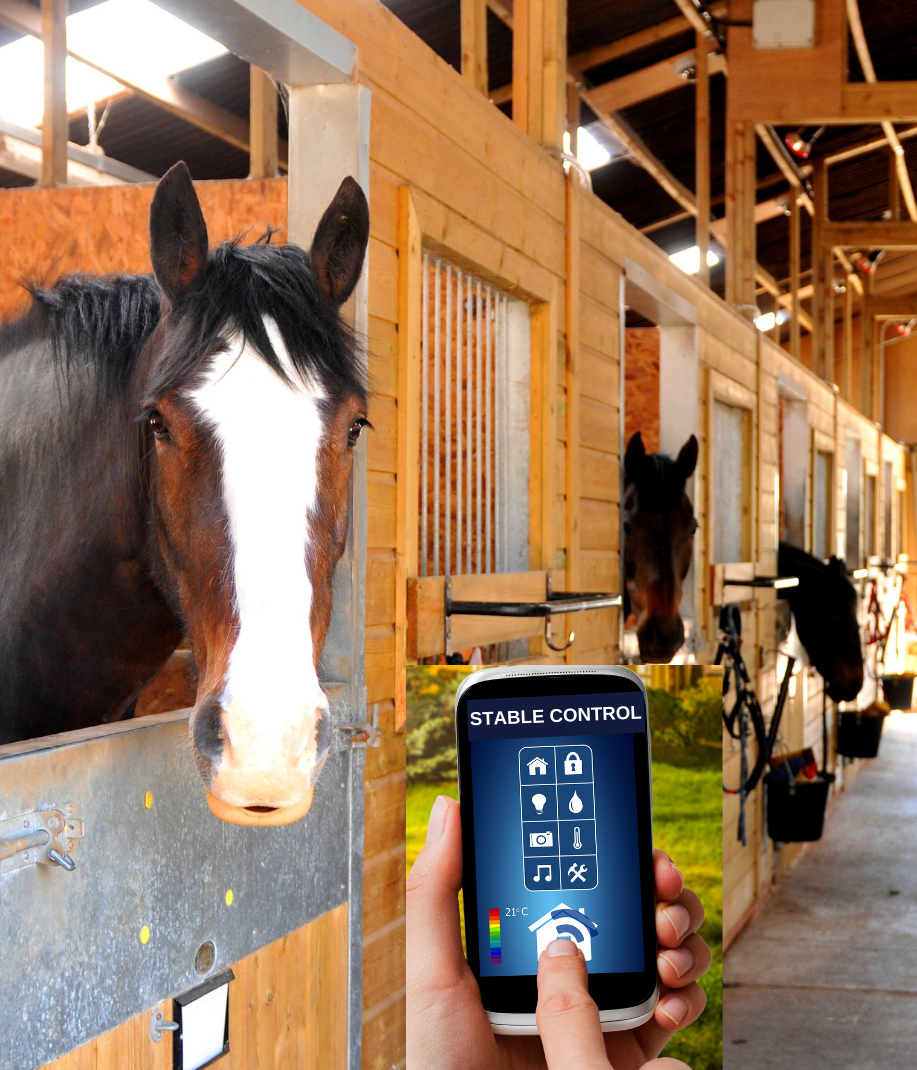
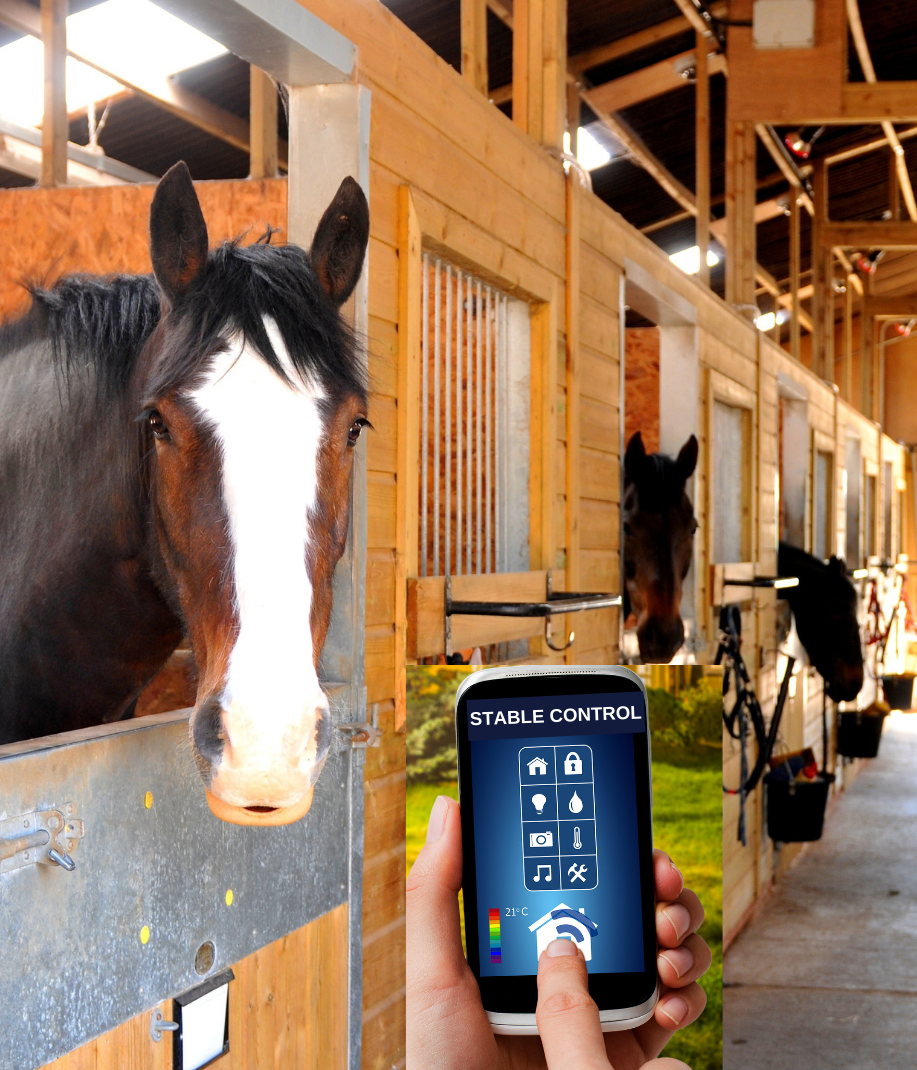
We’re now seeing the emergence of what I think of as the "smart stable’. This isn’t about replacing that traditional knowledge, but augmenting it with technology. It"s about using data to enhance horse welfare, improve efficiency, and provide peace of mind to owners and caretakers.
The cost of horse ownership is substantial, and investing in technology feels frivolous to some. However, I believe that these tools aren’t just about convenience, they're about responsible horse management. Better monitoring can lead to quicker intervention when something is wrong, potentially preventing costly veterinary bills and, more importantly, ensuring the health and happiness of our horses. This is a shift from reactive care to proactive management.
Health monitoring beyond the thermometer
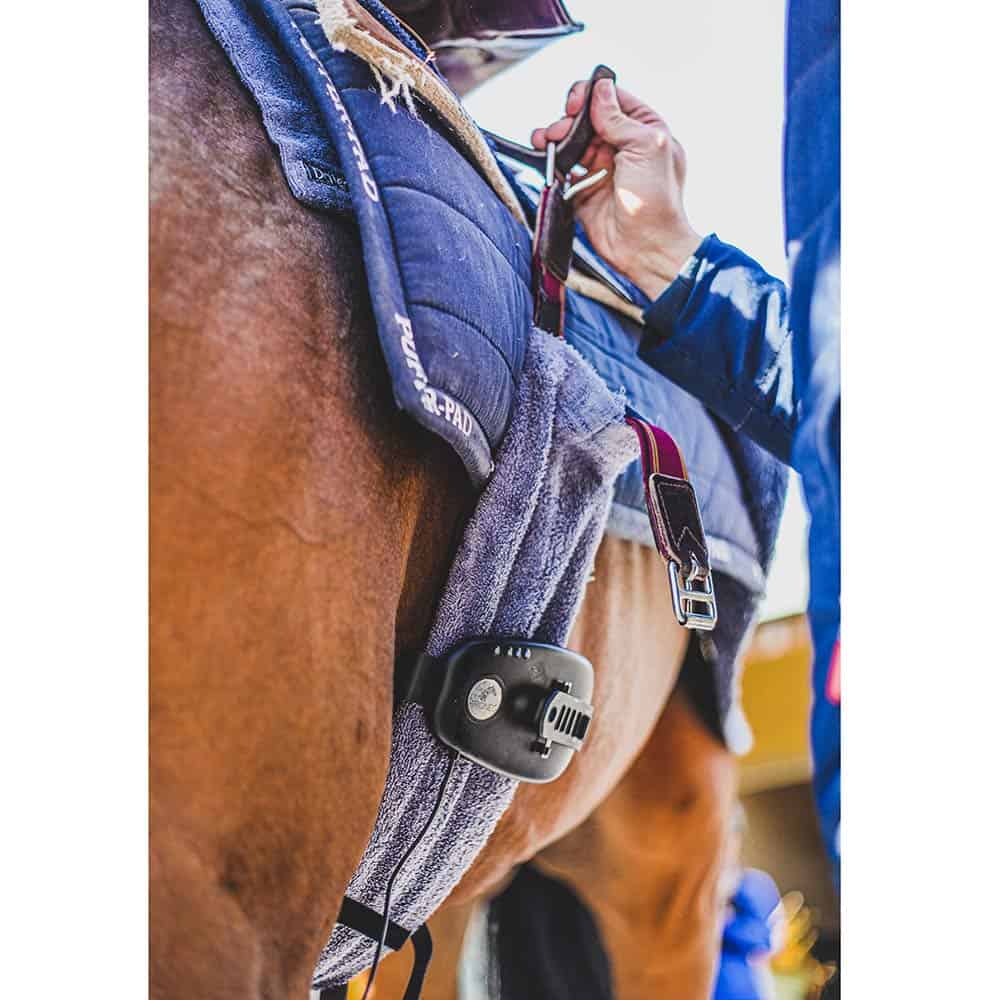
The traditional method of checking a horse’s health – taking its temperature, listening to its gut sounds, observing its behavior – remains important. But wearable sensors are now providing a much more continuous and detailed picture. These devices, often attached to a halter or leg, can track vital signs like temperature, pulse, and respiration rate in real-time.
Activity monitoring is another key benefit. These sensors can measure how much a horse is moving, how much time it spends grazing, and even detect subtle changes in gait that might indicate early signs of lameness. A study by the Equine Biomechanics Group at the University of Central Lancashire demonstrated the effectiveness of inertial sensors in identifying subtle lameness indicators before they become visually apparent to the human eye.
These tools are not a substitute for a vet. If the sensor shows a fever or the horse stops moving, call a professional. The tech just gives you the data to make that call sooner.
I’ve seen some systems offer geofencing capabilities. This allows owners to receive alerts if a horse leaves a designated area, which can be particularly useful for turnout or trail riding.
- Sensors track temperature to catch fevers early.
- Pulse & Respiration: Tracking vital signs for early illness indicators.
- Activity Levels: Measuring movement to identify changes in behavior or potential lameness.
- Gait Analysis: Detecting subtle changes in stride that might indicate pain.
Automated feeding and watering
Automated feeding systems are becoming increasingly popular, particularly for larger stables. These systems can dispense pre-programmed portions of feed at scheduled times, ensuring consistent nutrition and reducing the risk of overfeeding. Remote management capabilities allow owners to adjust feeding schedules and portion sizes from their smartphones.
This is especially beneficial for horses with metabolic issues like insulin resistance or laminitis. Precise portion control is critical for managing these conditions, and automated systems can help ensure accuracy. Mad Barn, a well-regarded equine nutrition company, emphasizes the importance of consistent feeding schedules for maintaining metabolic health.
Smart waterers offer similar benefits. They monitor water levels, ensuring that horses always have access to fresh, clean water. Some systems also include temperature control, which can be particularly important in extreme weather. Leak detection is another useful feature, preventing water waste and potential damage to the stable.
I’ve noticed a growing trend towards systems that can automatically adjust water flow based on environmental conditions and individual horse needs. While these are still relatively expensive, they represent a significant advancement in equine care.
Stable Environment Control
Maintaining good air quality is essential for preventing respiratory problems in horses. Sensors can now continuously monitor temperature, humidity, and ammonia levels within the stable. High ammonia levels, produced by urine and manure, can irritate the respiratory tract and contribute to conditions like heaves.
Automated climate control systems can respond to these sensor readings, adjusting ventilation and temperature to maintain optimal conditions. This might involve opening vents, turning on fans, or activating heaters. Proper ventilation is key to removing stale air and introducing fresh oxygen.
However, these systems can be a significant investment. The initial cost of sensors and climate control equipment can be substantial, and ongoing maintenance is required. It’s important to weigh the benefits against the costs and consider whether the investment is justified for your specific needs and budget. The energy costs of running these systems should also be factored in.
A well-maintained, naturally ventilated stable is often sufficient, but for horses with respiratory sensitivities or in regions with extreme weather, automated control can provide an added layer of protection.
- Temperature: Maintaining a comfortable range (50-70°F is often ideal).
- Humidity: Keeping levels between 40-60% to prevent respiratory issues.
- Ammonia sensors help you decide when to strip a stall or increase airflow.
- Ventilation: Ensuring adequate airflow to remove stale air.
Stable Environment Control Feature Comparison - Cost & Complexity
| Feature | Low Cost/Complexity | Medium Cost/Complexity | High Cost/Complexity |
|---|---|---|---|
| Ventilation Control | Natural ventilation (windows, doors), basic fans | Automated fan systems with timer controls, simple exhaust fans | Sophisticated HVAC systems with air exchange monitoring and automated adjustments |
| Humidity Control | Regular stall cleaning, good drainage | Dehumidifiers with manual settings, moisture sensors with alerts | Integrated HVAC systems with precise humidity control and automated responses |
| Temperature Regulation | Strategic barn orientation, insulation | Fans and heaters with thermostat controls | Geothermal systems, advanced HVAC with zone control and remote monitoring |
| Ammonia Level Monitoring | Regular observation of stall conditions, smell tests | Basic ammonia sensors with visual indicators | Continuous ammonia sensors with data logging and automated ventilation adjustments |
| Air Quality Monitoring (Particulate Matter) | None | Standalone particulate matter sensors with alerts | Integrated air quality monitoring systems with data logging and reporting |
| System Integration | Independent systems, manual adjustments | Basic data logging, limited integration between systems | Fully integrated system with centralized control and remote access via mobile app |
Illustrative comparison based on the article research brief. Verify current pricing, limits, and product details in the official docs before relying on it.
Barn security and safety
Security is a major concern for horse owners. Remote cameras, motion sensors, and gate automation can significantly enhance barn security. Remote cameras allow you to monitor your property from anywhere with an internet connection, while motion sensors can alert you to any unauthorized activity.
Automated gate systems can be programmed to open and close at specific times or controlled remotely via a smartphone app. This can prevent unwanted visitors and ensure that horses remain safely contained. Many systems also integrate with security alarms.
Fire detection and suppression systems are also crucial. Traditional smoke detectors may not be sensitive enough to detect smoldering hay, which is a common cause of barn fires. Specialized fire detection systems are designed to detect these types of fires early on, and automated suppression systems can help extinguish them quickly.
The peace of mind that comes with knowing your property is secure and your horses are safe is invaluable.
Data Integration & Management
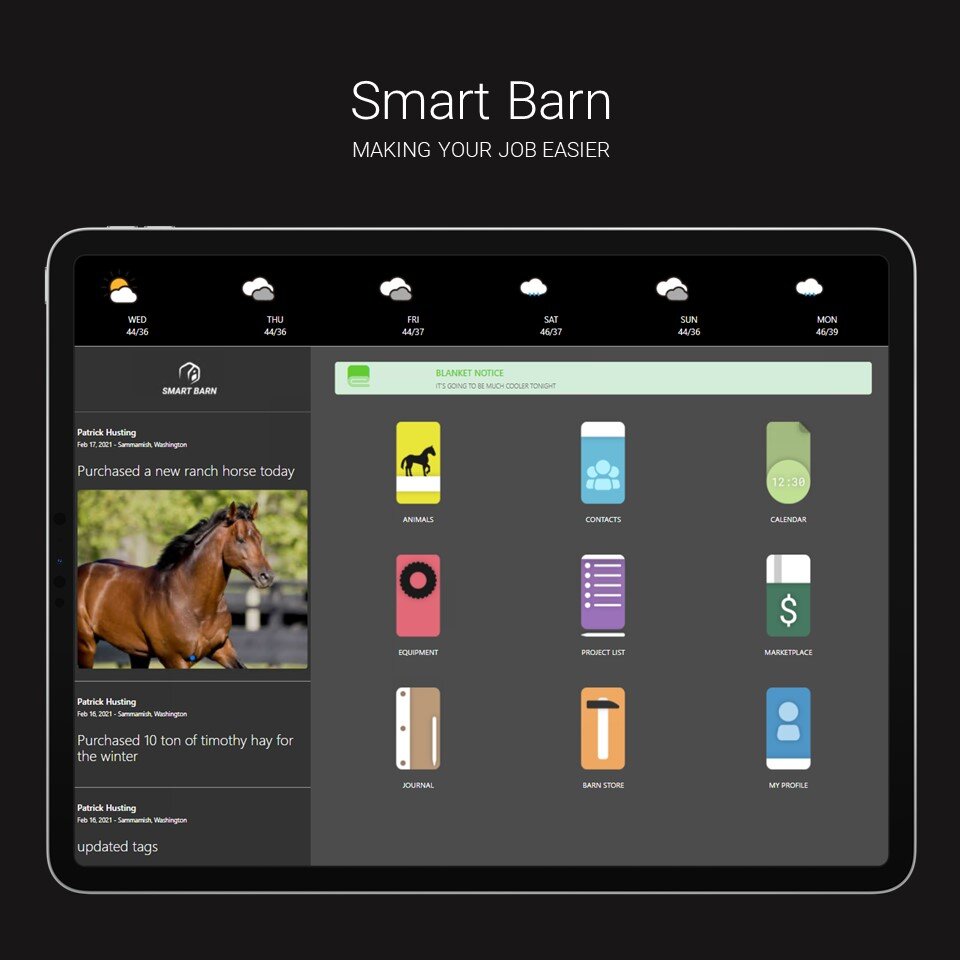
The real power of these smart technologies lies in their ability to integrate data from multiple sources. Having all of your horse’s health, feeding, and environmental data in one central location allows for a more holistic view of their well-being.
This centralized management can facilitate better decision-making. For example, if a horse’s activity level decreases and their temperature rises, you can quickly identify a potential problem and contact your veterinarian. If feeding and water consumption patterns change, it could indicate a digestive issue.
I haven’t seen a dominant software platform emerge yet. Currently, many systems operate independently, requiring owners to log into multiple apps or websites to access different data sets. The development of a unified platform that can seamlessly integrate data from various devices would be a significant step forward.
The ability to share this data with your veterinarian is also crucial. This allows them to provide more informed advice and make more accurate diagnoses. Secure data sharing protocols are essential to protect your horse's privacy.
What is coming next
Looking ahead, I anticipate that AI-powered health monitoring will become increasingly sophisticated. AI algorithms could analyze data from wearable sensors to predict potential health problems before they become clinically apparent. This could allow for proactive interventions to prevent injuries and illnesses.
Predictive analytics could also be used to identify horses that are at risk of developing specific conditions, such as laminitis or colic. By analyzing historical data and identifying patterns, these systems could provide early warnings and personalized recommendations.
More sophisticated automation is also on the horizon. Imagine a system that automatically adjusts feeding schedules based on a horse’s metabolic rate or adjusts ventilation based on weather conditions and air quality.
The main hurdle is the price tag. We also need more independent studies to prove these sensors actually improve long-term health outcomes rather than just providing more graphs to look at.
No comments yet. Be the first to share your thoughts!