
The rise of the equestrian nomad
The idea of combining a passion for horses with the freedom of remote work isn't new, but it’s rapidly becoming a mainstream aspiration. We’re seeing a growing number of people—what I call 'digital nomad equestrians'—actively seeking properties that support both their professional and equestrian lifestyles. This shift is fueled by the increasing acceptance of remote work arrangements and, frankly, a desire for more space and a different pace of life after the disruptions of recent years.
For many, the appeal is simple: trade crowded city commutes for morning rides, and stuffy office buildings for open pastures. It’s about intentionally designing a life where work doesn't overshadow passion. But it’s not just about lifestyle; it’s about practicality. Reliable internet is the foundation of remote work, and finding properties that deliver that in rural areas requires careful consideration.
Finding the right land is about more than just the barn; it's about the infrastructure that keeps a career moving while the horses are in the pasture.
Internet needs for the remote office
A beautiful property is useless if the internet drops during a board meeting. Starlink has changed the game for rural acreage, though heavy storms still cause outages that satellite users have to live with.
Fixed wireless internet, provided by local providers, is another possibility. It's generally more affordable than satellite, but availability is limited to areas within range of a transmitter. Fiber optic is the gold standard, offering the fastest and most reliable speeds, but it’s still not widely available in many rural areas. You really need to investigate what’s available at the specific property you’re considering.
Speed requirements depend on your job. Basic email and web browsing might only need 25 Mbps, but video conferencing and large file transfers require significantly more – think 100 Mbps or higher. I've spoken to digital nomads who run entire marketing agencies from their ranches, and they need speeds comparable to what you'd find in a city office. Don't rely on advertised speeds; ask neighbors about their real-world experience. The Perth NRM report on Horses, Land, Water Action Planner is a good starting point for understanding land management considerations, but it doesn't cover internet infrastructure.
Researching internet availability can be frustrating. Websites like BroadbandNow can provide some information, but it's often inaccurate. Contacting local internet providers directly and even driving to the property to test speeds with a mobile hotspot are crucial steps. Don't underestimate this; a poor connection can quickly turn your dream property into a professional nightmare.
Property priorities beyond the barn
Many people starting a horse property search focus solely on the barn and pasture. While those are essential, a remote-working equestrian needs to think more holistically. A dedicated office space is paramount, ideally separate from the main living area to minimize distractions. It doesn't need to be large, but it should be functional and comfortable for extended periods.
Consider a workshop space for tack repair, equipment maintenance, and general projects. This can save you money and allow you to be self-sufficient. Guest accommodations are also valuable, whether for visiting clients, family, or potential renters. The ability to generate income from your property – through boarding, lessons, or even a small equine therapy business – can help offset the costs of ownership.
Zoning regulations are critical. Some areas restrict home-based businesses or limit the number of horses you can keep. Check with the local planning department before making any offers. You also need to think about infrastructure: water sources, fencing, and access to veterinary and farrier services. A well-planned property will anticipate your needs and provide flexibility for the future.
- A dedicated office space separate from the main living area to keep work and home life distinct.
- Workshop for tack repair
- Guest accommodations
- Income-generating potential
- Fencing and water sources
Where to buy in 2026
Choosing the right state is a big decision. A few consistently rise to the top for remote-working equestrians. Colorado, for example, offers a strong equestrian culture, stunning scenery, and increasingly reliable internet access, though property prices are climbing. The average horse property in Colorado currently runs around $850,000 according to horseproperties.net, but prices vary widely depending on location and amenities.
Texas provides a more affordable option, particularly in the Hill Country and East Texas. Internet infrastructure is improving, and the state boasts a thriving horse industry. Property prices are significantly lower than in Colorado, averaging around $550,000 for a decent horse property. Florida is another contender, with warm weather and a large equestrian community, but hurricane risk and increasing population density are considerations.
North Carolina offers a good balance of affordability, climate, and equestrian opportunities. The western part of the state, in particular, is known for its rolling hills and horse farms. Montana is the choice for those seeking wide-open spaces and a rugged lifestyle. Internet access can be challenging in some areas, but the state is investing in broadband infrastructure. Average prices are around $680,000.
The 'best' state depends on whether you value dry mountain air or year-round grazing. Tennessee and Kentucky are often more affordable than Colorado, provided you can find a pocket with fiber-optic lines.
Don't overlook the social aspect. Joining local horse clubs and participating in events can enrich your experience and provide valuable support. A quick search on Best of Horse’s community pages can help you find local groups and resources in your target states. The YouTube channel LUXURY STABLE TOURS provides a glimpse into some exceptional equestrian properties, which can be inspiring, even if they're aspirational.
Features that actually add value
Certain property features can significantly enhance the value and usability of your remote equestrian estate. A well-insulated barn is a must-have, providing year-round comfort for your horses and protecting them from extreme weather. A covered arena allows for all-weather riding, which is a huge benefit, especially in areas with harsh winters or hot summers.
A secure perimeter fence is essential for safety and peace of mind. Consider investing in a smart home system for remote monitoring of security cameras, lighting, and climate control. This can be particularly useful if you travel frequently for work. A backup power generator is also a smart investment, ensuring that you can maintain essential services during power outages.
These features come with a cost. A covered arena can easily add $50,000 or more to the property price, while a smart home system can range from a few thousand to tens of thousands of dollars. A backup generator might cost $5,000-$10,000 installed. Prioritize based on your needs and budget. A covered arena is a 'nice-to-have' for many, but a secure fence and reliable power are often essential.
Remote Work & Equestrian Essentials for Your Ranch Property
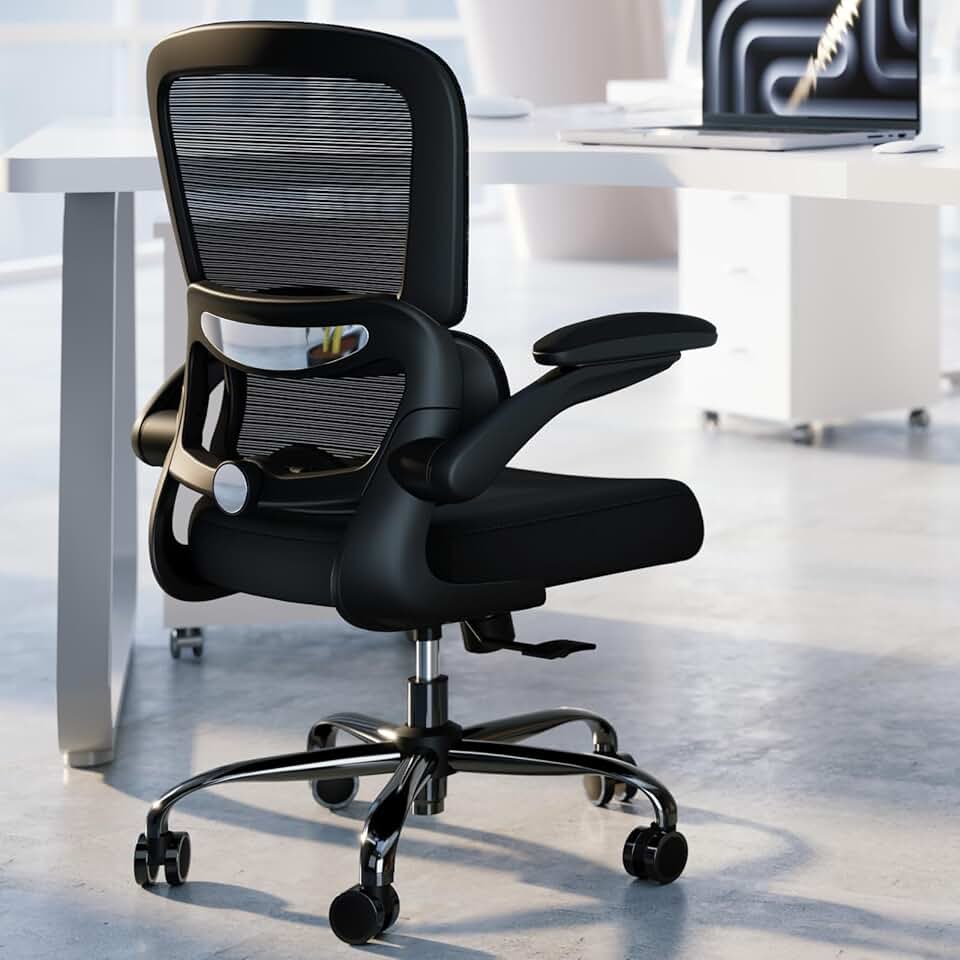
Ergonomic design with adjustable lumbar support · Breathable mesh back for comfort · Executive style suitable for home offices
This ergonomic chair provides essential comfort and support for long workdays, ensuring productivity in your home office setup.

Portable 5G hotspot for reliable internet access · Includes lifetime data (12GB/year) and global data · Connects over 300 mobile carriers in 140+ countries
Stay connected anywhere with this portable 5G hotspot, offering reliable internet crucial for remote work, even in rural ranch locations.

2K resolution wireless outdoor security cameras · Color night vision and motion detection · IP65 waterproof rating for all-weather durability
These wireless security cameras offer peace of mind with remote monitoring and robust features to protect your property and assets.

Automatic waterer with heating element for cold weather · Designed for cattle and horses · Durable construction for farm and ranch use
Ensure your horses have access to fresh, unfrozen water year-round with this automatic heated waterer, essential for their health and well-being.

Wound powder with blood coagulant properties · Aids in the treatment of proud flesh and granulated tissue · Suitable for horses and show stock
This wound powder is a practical first-aid essential for minor horse injuries, helping to manage wounds effectively on your property.
As an Amazon Associate I earn from qualifying purchases. Prices may vary.
Financing and Legal Considerations
Financing horse property can be different from financing a traditional home. Land loans typically require a larger down payment and have higher interest rates than conventional mortgages. Be prepared to provide detailed documentation of your income and credit history. A property survey is crucial to verify boundaries and identify any potential easements or encroachments.
Environmental concerns are also important. Water rights can be complex, especially in arid regions. Investigate any potential environmental hazards, such as contaminated soil or wetlands. Liability insurance is essential to protect yourself from potential lawsuits. Talk to your insurance provider about coverage options.
I strongly recommend working with a real estate attorney who specializes in equestrian properties. They can help you navigate the legal complexities of buying and selling land, and ensure that your interests are protected. Due diligence is key. Don’t rush the process, and don’t be afraid to ask questions.
No comments yet. Be the first to share your thoughts!