

Horse property values: The 2024 surge
The equestrian real estate market has experienced a notable upswing in recent years, and 2024 saw particularly strong gains. It’s not just anecdotal; data confirms a significant rise in horse property values across the United States. This isn’t a repeat of the broader housing boom of the mid-2000s, though. That was largely fueled by speculative investment and relaxed lending standards. This current increase is driven by more fundamental shifts in lifestyle preferences and a genuine demand for equestrian-focused properties.
Several factors are converging to create this market. The pandemic accelerated a trend already underway – a desire for more rural living and outdoor space. Simultaneously, the equestrian population continues to grow, with more people taking up riding and horse ownership. This demand is colliding with a limited supply of suitable land, especially properties already set up for horses. Basic economics, of course, means prices go up when demand exceeds supply.
Inflation has also played a role, increasing the cost of building materials and land development, which naturally translates to higher property prices. While the general real estate market has cooled in some areas, horse properties have proven surprisingly resilient. We’re seeing especially strong growth in Wyoming, Texas, and Florida, states that are capturing a significant share of this increased investment. These states represent different facets of equestrian life, and their surging values set the stage for a closer look.
The increase isn't uniform. Smaller hobby farms are seeing gains, but larger working ranches are appreciating at a faster rate. This suggests that the demand isn't just about having a place for a few horses; it's about a lifestyle and, for some, a business opportunity. Investors are clearly recognizing this potential, and the market is responding accordingly. It's a good time to be a seller, but finding the right property is becoming increasingly competitive.
Wyoming: A growing market
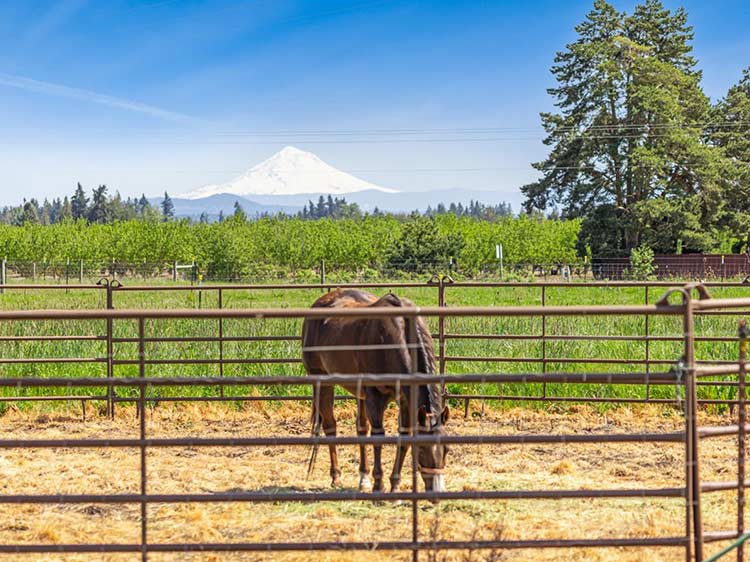
Wyoming has emerged as a particularly attractive market for horse property investment. The state’s appeal lies in a combination of factors: relatively low taxes, vast landscapes with large land parcels, and a growing interest in the western lifestyle. It's a place where you can still find acreage without being excessively close to major urban centers, which appeals to many horse owners.
Data from Land & Farm shows a significant increase in horse property listings and sales prices in several Wyoming counties. For example, the average price per acre for horse properties in Sheridan County increased by 18% between 2023 and 2024. Sublette County saw a 22% increase, and Park County, home to Cody and Yellowstone National Park, experienced a 15% jump. These numbers are indicative of a broader trend across the state.
Larger ranches, typically 35 acres or more, are seeing the biggest gains, often attracting buyers looking for self-sufficiency and the ability to run a small operation. Smaller hobby farms, while still appreciating, haven't seen the same dramatic increases. This suggests that the demand is being driven by those seeking a more substantial equestrian lifestyle, not just a weekend getaway.
Zoning regulations in Wyoming are generally more relaxed than in many other states, which is another draw for buyers. However, it’s crucial to check local county regulations regarding livestock, building permits, and water rights before purchasing property. Water rights, in particular, are a critical consideration in Wyoming, as they can significantly impact the value and usability of a property. It’s worth consulting with a local real estate attorney specializing in agricultural land.
Wyoming Horse Property Market Trends: 2020-2026 (Projected)
| County | Avg. Property Price (2020) | Avg. Property Price (2026 - Projected) | Average Acreage | Typical Barn Size | Water Rights (Acre-Feet) |
|---|---|---|---|---|---|
| Park County | $450,000 | Increasing, expected to be significantly higher than 2020 values | 35 acres | 1,200 sq ft | 20+ acre-feet |
| Big Horn County | $380,000 | Moderate increase anticipated | 40 acres | 900 sq ft | 15+ acre-feet |
| Sublette County | $320,000 | Steady growth projected | 60 acres | 800 sq ft | 10+ acre-feet |
| Natrona County | $280,000 | Potential for growth, dependent on energy sector | 20 acres | 600 sq ft | 5+ acre-feet |
| Laramie County | $400,000 | Continued appreciation expected, driven by proximity to Cheyenne | 25 acres | 1,000 sq ft | 10+ acre-feet |
| Fremont County | $300,000 | Moderate growth expected | 50 acres | 700 sq ft | 8+ acre-feet |
Illustrative comparison based on the article research brief. Verify current pricing, limits, and product details in the official docs before relying on it.
Texas: Demand outstrips supply
Texas presents a complex but compelling market for horse property. The state’s population growth, driven by job opportunities and a favorable business climate, is putting immense pressure on rural land, especially around major metropolitan areas like Dallas-Fort Worth, Houston, Austin, and San Antonio. This urban sprawl is pushing prices upward as developers and individuals alike compete for available acreage.
Finding suitable land with reliable water access is a major challenge in many parts of Texas. Drought conditions are a recurring concern, and water rights can be complicated. Properties with existing water wells or access to surface water are commanding a premium. The demand for land capable of supporting horses – pasture, barns, and riding areas – is particularly strong in the exurbs of these cities.
Texas has a long and rich equestrian tradition, with a thriving community of horse owners and a robust calendar of equine sports and events. Events like the Fort Worth Stock Show & Rodeo and numerous barrel racing competitions contribute to the demand for horse properties. The Texas Department of Agriculture estimates there are over 700,000 horses in the state, indicating a significant equestrian presence.
Property values are increasing rapidly in counties surrounding Austin and Dallas-Fort Worth. Williamson County, north of Austin, has seen horse property prices rise by an average of 12% in the last year. Hays County, also near Austin, has experienced similar growth. The competition is fierce, and properties often sell quickly. It's a market where being prepared to act decisively is essential.
Texas Equestrian Real Estate Price Prediction 2026
Bull / Base / Bear scenario analysis (per acre baseline)
| Timeframe | Bull Case | Base Case | Bear Case | Key Driver |
|---|---|---|---|---|
| 1 Month | $18,500 | $17,200 | $15,800 | Spring buying season and low inventory levels |
| 3 Months | $19,800 | $18,100 | $16,200 | Peak equestrian season demand and infrastructure improvements |
| 6 Months | $21,500 | $19,400 | $17,100 | Interest rate stabilization and rural development incentives |
| 1 Year | $24,200 | $21,800 | $18,900 | Long-term demographic shifts and equestrian sport growth |
Price Prediction Summary
Texas equestrian properties are expected to appreciate 15-40% over the next year, driven by limited supply, growing interest in rural lifestyles, and expanding equestrian activities. Premium properties with water access and established facilities command significant premiums.
Key Factors Affecting Texas Equestrian Real Estate Stock Price
- Limited inventory of quality equestrian properties
- Growing interest in rural and recreational lifestyles post-pandemic
- Texas population growth and urban expansion pressure
- Rising costs of land development and infrastructure
Disclaimer: Predictions are speculative and not financial advice. Stock price predictions are based on current market analysis and may vary significantly due to market volatility, economic conditions, and other unpredictable factors. Always do your own research before making investment decisions.
Florida: A different equestrian focus
Florida’s horse property market is distinctive, largely shaped by its focus on high-end equestrian disciplines like show jumping, dressage, and polo. The Winter Equestrian Festival (WEF) in Wellington is a major driver of demand, attracting riders and investors from around the world. This event, and others like it, create a concentrated demand for properties in Palm Beach County.
Prices in and around Wellington are significantly higher than in other parts of the state. Luxury estates with state-of-the-art equestrian facilities can easily exceed several million dollars. However, the market extends beyond Wellington, with increasing interest in properties in Ocala, known as the "Horse Capital of Florida," and other areas with established equestrian communities.
Florida presents unique challenges for property owners, including the risk of hurricanes and flooding. Properties located in coastal areas or flood zones require careful consideration and adequate insurance coverage. Building codes are also more stringent in many parts of the state to mitigate the impact of severe weather events.
According to the Florida Horse Council, the equine industry contributes over $2.3 billion to the state’s economy annually. There are an estimated 500,000 horses in Florida, and over 300 equestrian businesses, including stables, training facilities, and veterinary clinics. This demonstrates the significant economic impact of the equestrian community and the ongoing demand for horse properties.
Essential Equine Property Protection and Care for Florida

Customizable length and height for precise fit · Overlapping design for enhanced storm protection · Easy DIY installation for windows and doors
These custom hurricane shutters provide essential protection against severe weather, ensuring the safety of your property.

Reusable flood barriers for effective water management · 6 ft length for versatile placement · Designed for outdoor use and flood prevention
These flood barriers offer a practical and reusable solution for protecting your home from water damage during rainy seasons.

1/6 HP motor with 1350 GPH pumping capacity · Multi-Flo Technology for efficient water removal and transfer · Submersible design for easy operation
This submersible pump is ideal for quickly removing excess water, crucial for maintaining dry conditions on your property.

Waterless shampoo for convenient grooming · 5-in-1 formula for coat, mane, and tail · 32oz bottle for ample supply
Absorbine ShowSheen Miracle Groom offers a quick and effective way to maintain your horse's coat, mane, and tail in pristine condition.

Durable 600 Denier Poly construction · Spacious compartments for organizing grooming supplies · Convenient tote design for easy transport
This grooming tote provides a durable and organized solution for storing and transporting all your essential equestrian care items.
As an Amazon Associate I earn from qualifying purchases. Prices may vary.
Undervalued markets to watch
While Wyoming, Texas, and Florida are attracting significant attention, several other states offer promising opportunities for horse property investment. States like North Carolina, South Carolina, Tennessee, and Kentucky haven’t yet experienced the same level of price increases, potentially presenting a chance to get in on the ground floor.
North and South Carolina offer a combination of affordability, mild climates, and established equestrian communities. The western parts of both states, particularly the foothills of the Blue Ridge Mountains, provide scenic riding terrain and a growing number of horse farms. Land prices are generally lower than in the aforementioned hotspots.
Tennessee is becoming increasingly popular with horse owners, drawn by its rolling hills, abundant pastureland, and relatively low cost of living. The state also has a strong tradition of walking horse shows and other equestrian events. Middle Tennessee, in particular, is seeing increased demand for horse properties.
Kentucky, of course, is synonymous with horses, particularly Thoroughbreds. The Bluegrass region offers a wealth of equestrian amenities and a thriving horse industry. While land prices in the heart of the Bluegrass are high, opportunities can be found in surrounding counties. The key is to identify areas with good access to riding trails and equestrian facilities.
Financing your horse property
Financing a horse property can be more complex than securing a traditional mortgage. Lenders often require a larger down payment and have stricter lending criteria. Several types of loans are available, including farm loans, land loans, and traditional mortgages.
Farm loans, offered by institutions like the Farm Credit System, are specifically designed for agricultural properties, including horse farms. Land loans are used to purchase vacant land, while traditional mortgages can be used for properties with existing structures. Interest rates vary depending on the lender, the borrower’s creditworthiness, and the current market conditions.
Lenders will typically assess your credit score, debt-to-income ratio, and the potential income-generating capacity of the property. Having a solid business plan, outlining your horse-related activities and potential revenue streams, can significantly improve your chances of approval. Demonstrating experience in horse ownership and management is also beneficial.
It’s important to shop around and compare offers from multiple lenders. Consider working with a lender specializing in agricultural or equestrian properties, as they will have a better understanding of the unique requirements and challenges associated with these types of loans. Online resources and local real estate agents can help you find suitable lenders.
Future-proofing your investment
Purchasing a horse property is a significant investment, and it’s essential to consider long-term maintenance and value preservation. Implementing sound land management practices, such as rotational grazing and erosion control, can help maintain the health and productivity of your pastureland. Regular barn maintenance is also crucial to prevent costly repairs down the road.
Water conservation is becoming increasingly important, especially in drought-prone areas. Consider installing water-efficient irrigation systems and harvesting rainwater. Exploring potential income-generating opportunities, such as boarding horses, offering riding lessons, or providing training services, can help offset the costs of ownership.
Staying informed about local zoning regulations and environmental concerns is vital. Changes in regulations can impact your ability to use your property as intended. Being proactive and engaging with local authorities can help ensure that your interests are protected. The YouTube video about investing in property, while broad, highlights the benefit of due diligence.
Ultimately, a successful horse property investment requires careful planning, ongoing maintenance, and a commitment to responsible land stewardship. It's a lifestyle choice as much as a financial one. By focusing on these factors, you can increase the long-term value of your property and enjoy the rewards of equestrian living for years to come.
What is your biggest concern when investing in horse property?
Vote below to share which factor matters most to you when evaluating equestrian real estate in 2026.


No comments yet. Be the first to share your thoughts!