

Where to find the best horse properties
Finding the right home for your horses requires looking beyond the price tag to the infrastructure that supports them. The most desirable equestrian communities share specific traits: established zoning that protects against urban encroachment, proximity to maintained trail networks, and a density of neighbors who understand equine needs. Climate and terrain also play decisive roles in daily management, from mud control in the winter to heat management in the summer.
The geographic landscape of US horse property is dominated by a few key corridors. In the Southeast, Ocala, Florida, remains the undisputed hub for thoroughbred and sport horse breeding, offering flat terrain and year-round riding. Kentucky’s Lexington region continues to attract buyers seeking the prestige of the Bluegrass with its rolling hills and world-class veterinary care. Meanwhile, the Southeast is seeing a surge in popularity in Tryon, North Carolina, which has built a reputation for high-end facilities and a growing community of competitive riders.
In the West, the appeal shifts toward dry climates and expansive acreage. Scottsdale, Arizona, offers a vibrant social scene for equestrians with numerous club facilities and mild winters, while Salt Lake County in Utah provides a mix of valley access and immediate mountain trailhead connectivity. Sandy, Utah, specifically, has emerged as a top pick for families wanting established neighborhoods with easy access to equestrian amenities.
Once you have narrowed your search to a region, evaluating the specific features of the property itself becomes critical. Whether you are looking for a small hobby farm or a full-scale breeding operation, the right tools and equipment are essential for maintaining a safe and healthy environment for your horses. The following products are selected to support the daily care and management needs common in these top equestrian markets.
Key features of a perfect horse property
Finding the right horse property requires looking past the main residence to evaluate the infrastructure that keeps horses healthy and safe. A functional equestrian estate is defined by its logistical capacity: adequate pasture acreage, durable fencing, and reliable water access. These elements form the foundation of daily horse care, ensuring that the animals have space to graze and move freely without risk of injury.
Pasture and Fencing Standards
The quality of grazing land and the integrity of boundary fences are the first things serious equestrians inspect. Pasture should offer sufficient acreage per horse to prevent overgrazing and soil erosion, typically requiring at least one to two acres per animal depending on climate and soil type. Fencing must be non-toxic and durable; materials like board fencing, woven wire, or high-tensile electric tape are standard choices that minimize injury risks compared to older, splintered wood options.
Stabling and Arena Facilities
Modern stables need more than just shelter; they require proper ventilation, durable flooring, and easy access for cleaning. A well-designed barn includes a feed room, tack room, and wash stall to streamline daily routines. For training and exercise, the property should include either an outdoor dirt arena or an indoor facility with all-weather footing. These spaces allow for consistent training regardless of weather conditions, protecting both the horse’s joints and the rider’s schedule.
Essential Equipment and Supplies
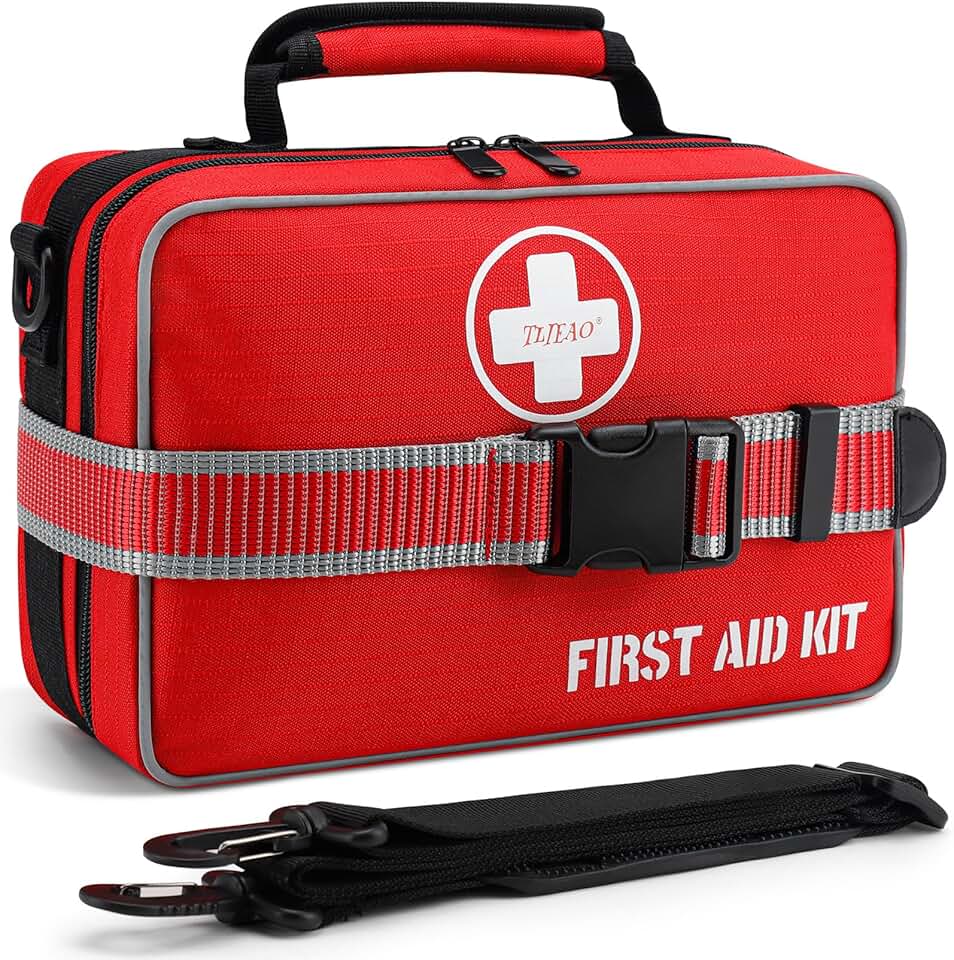
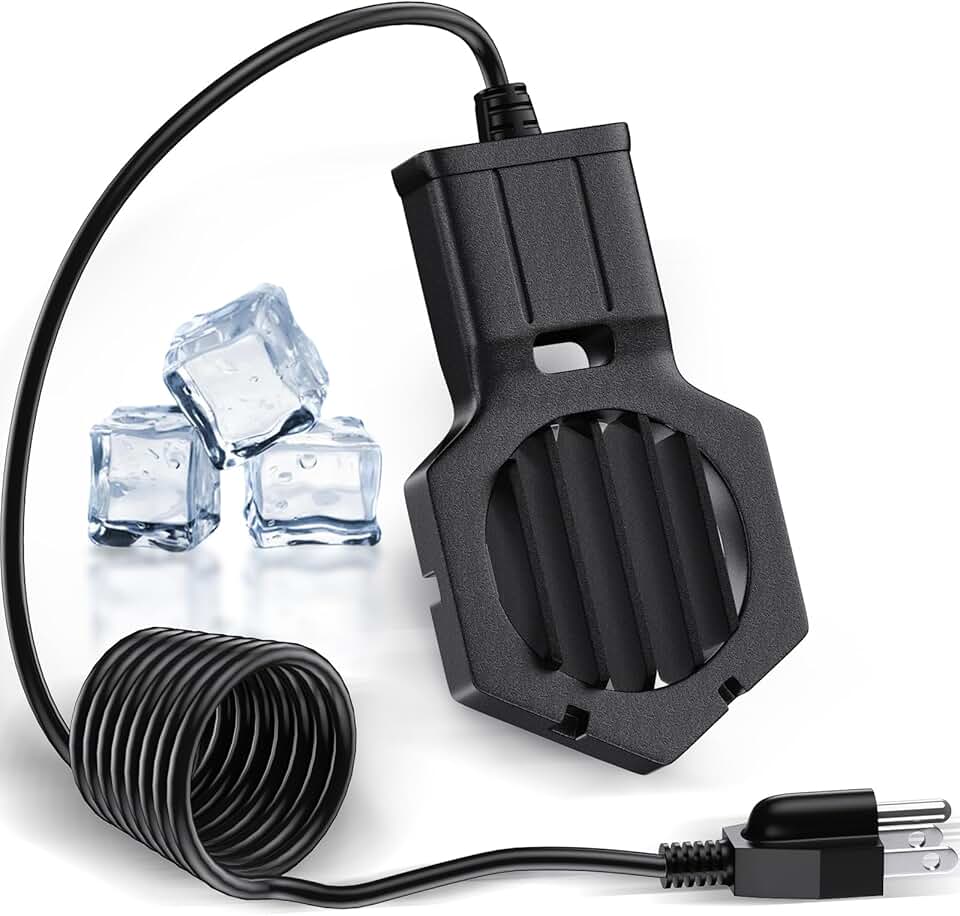
Maintaining a horse property involves specific tools and safety gear that go beyond basic farm supplies. The following items are essential for daily management and emergency preparedness:
As an Amazon Associate, we may earn from qualifying purchases.
Water and Utility Access
Reliable water sources are critical. Horses drink significant amounts of water daily, so automatic waterers or large troughs with consistent flow are necessary. Utilities such as electricity for barn lighting, fans, and water heaters must be robust and up to code. Proximity to a veterinary clinic and feed store also impacts the property’s long-term usability, reducing travel time during emergencies or daily supply runs.
Gated communities and specialized equestrian neighborhoods
Gated equestrian communities offer a specific blend of security and neighbor compatibility that open-market properties rarely provide. For serious riders, the value lies in shared infrastructure and the assurance that neighbors understand horse care. These enclaves often feature private roads, shared arena access, and strict deed restrictions that protect property values by preventing incompatible land uses.
Park City area equestrian communities
Properties in the greater Park City area across Summit and Wasatch County cater specifically to the equestrian lifestyle. Listings range from gated communities with shared amenities to in-town horse lots and working ranches. The primary advantage here is the density of equestrian-focused real estate agents and service providers, ensuring that maintenance and training resources are readily available. This concentration makes it easier to find specialists who understand the unique needs of horse properties in high-altitude environments.
Essential gear for horse property maintenance
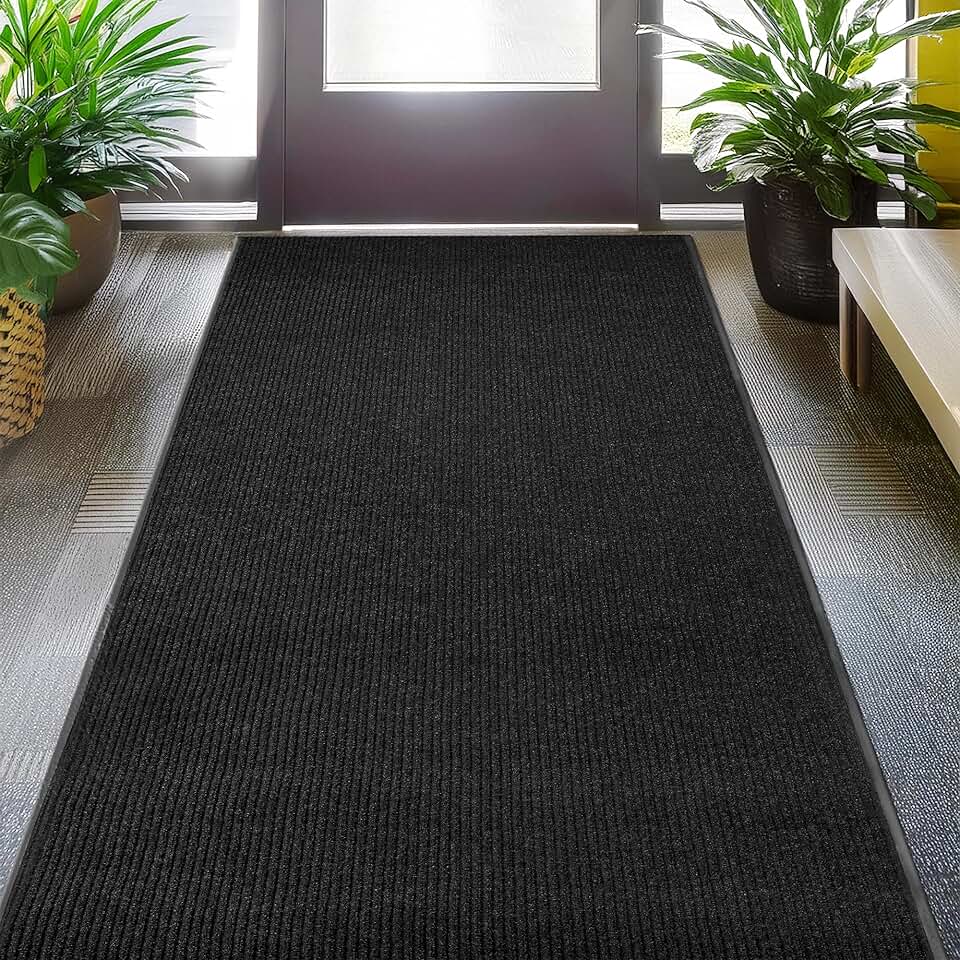
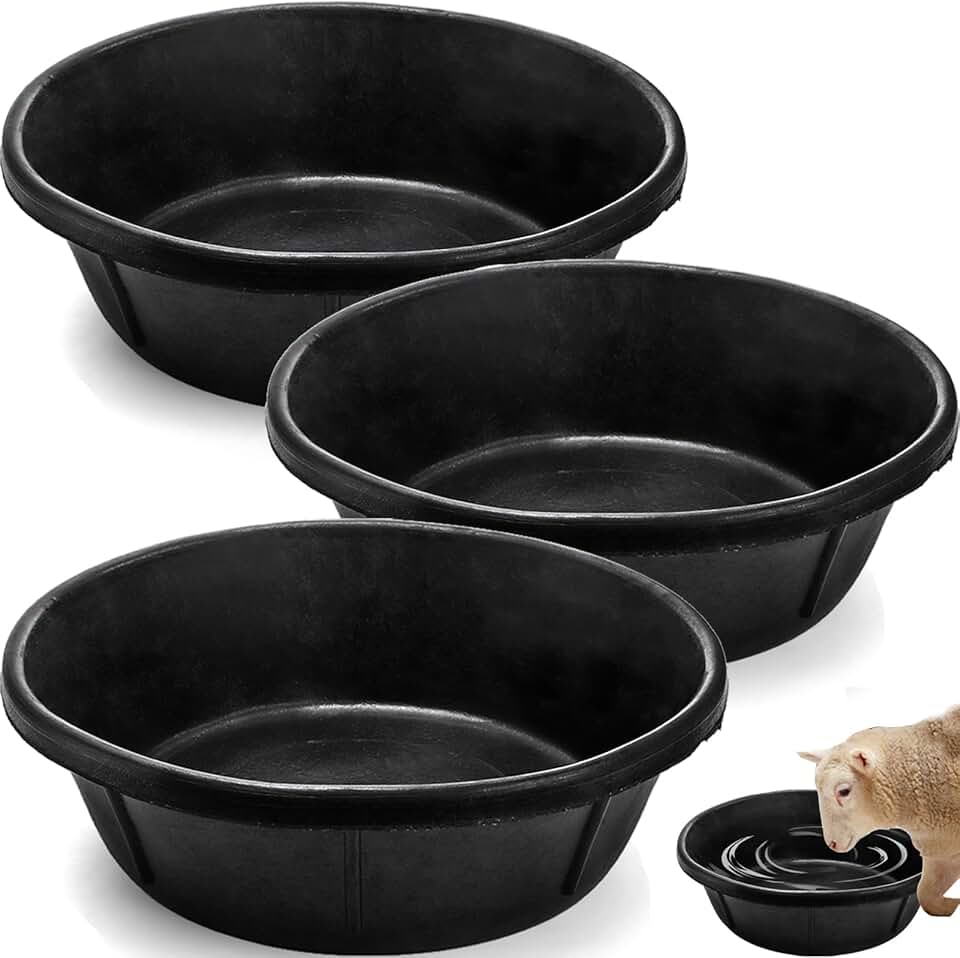
Living on a horse property requires specific tools for daily upkeep and emergency care. Having the right equipment on hand can save time and prevent minor issues from becoming major expenses. The following items are staples for maintaining a safe and functional equestrian environment.

As an Amazon Associate, we may earn from qualifying purchases.
Essential gear for your new horse property
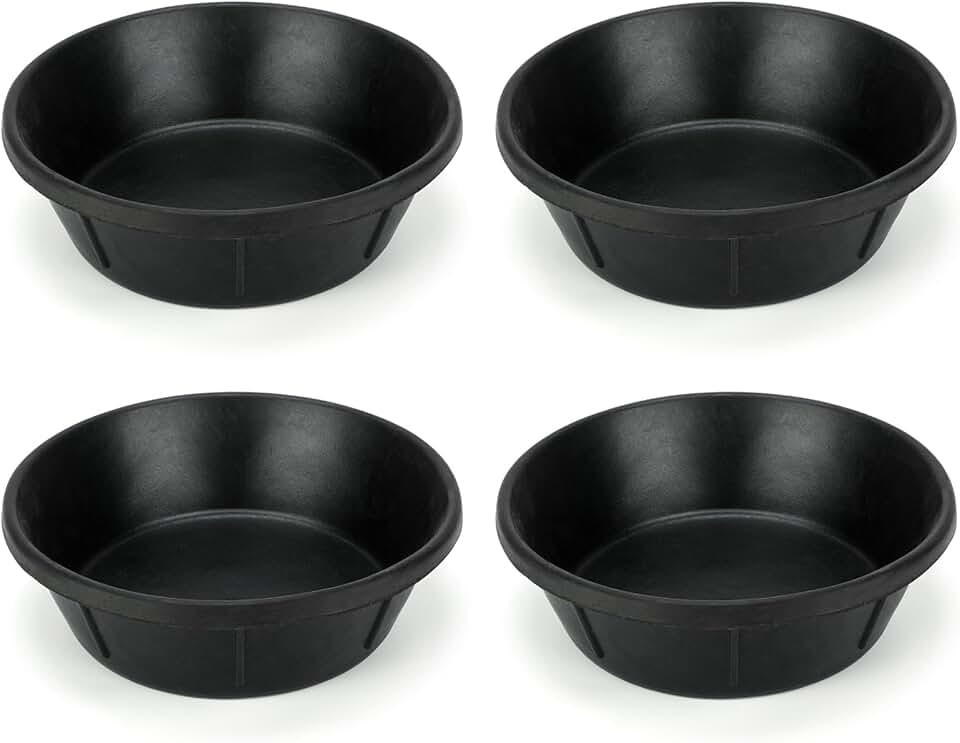
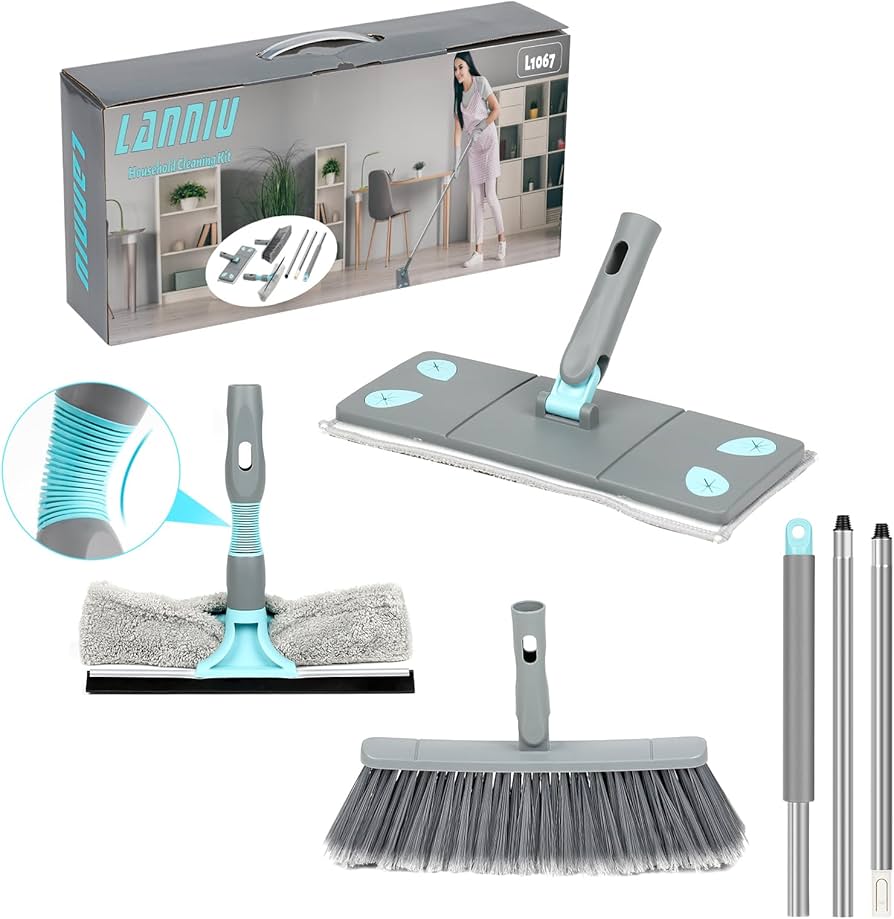
Moving into an equestrian community like Sandy, Utah, or Ocala, Florida, shifts the focus from acreage to daily management. The right equipment turns a large property into a functional home for your animals. You do not need to buy everything at once, but starting with durable, purpose-built tools saves time and keeps horses safe.


As an Amazon Associate, we may earn from qualifying purchases.
These items cover the immediate needs of feeding, watering, and cleaning. Investing in quality now reduces the frequency of replacements and ensures your horses remain comfortable in their new environment.
Checklist for buying horse property
Purchasing a horse property requires more than evaluating the land; you are buying a specialized infrastructure system. Treat your due diligence like a structural audit. If the water fails, the herd fails. If the soil cannot support turnout, your veterinary bills will skyrocket. This workflow ensures you are not just buying land, but a functional equestrian facility.
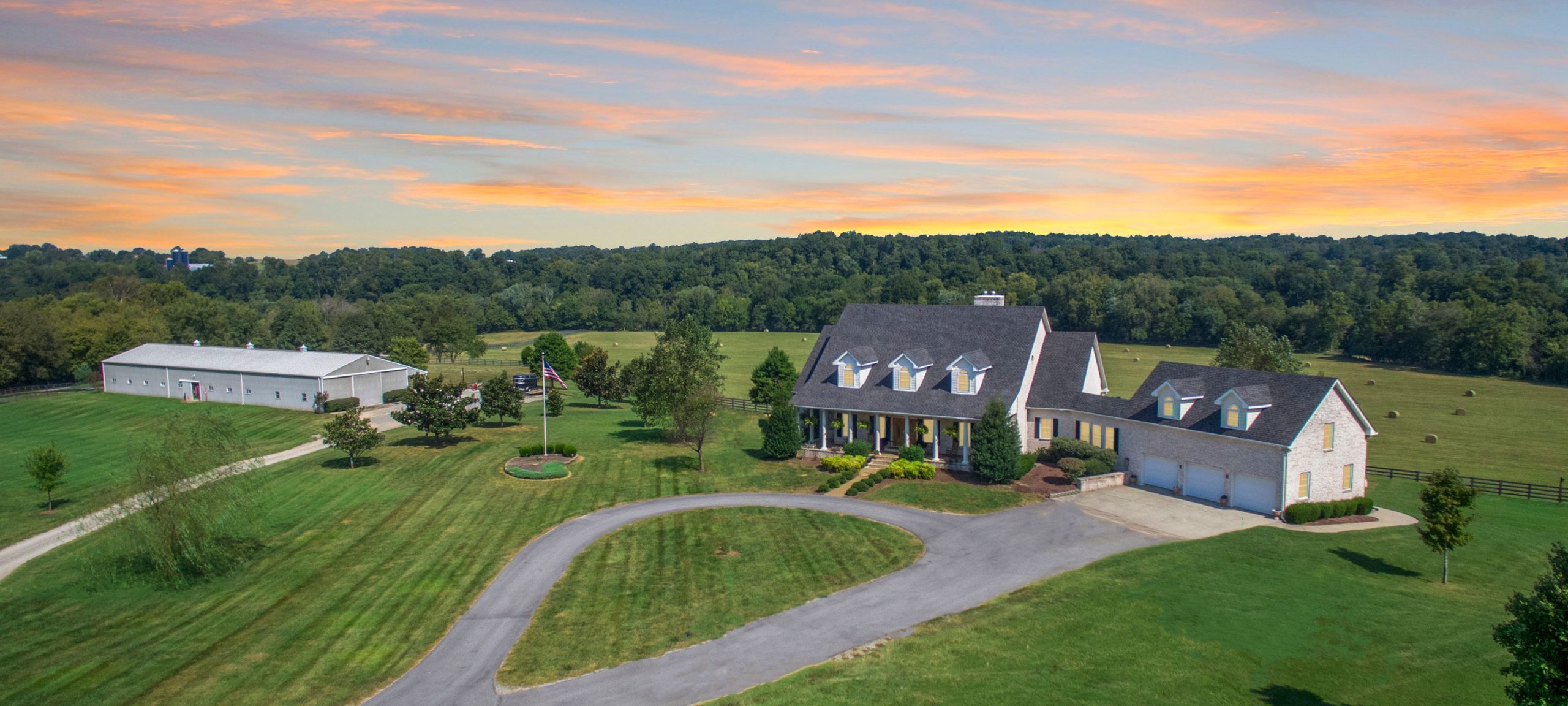
Water is the non-negotiable asset. Confirm you have legal water rights, not just a shared well agreement. Check the well’s flow rate (gallons per minute) against the needs of your herd and irrigation. Inspect the condition of storage tanks, pumps, and fencing around water sources to prevent contamination or drowning hazards.
Heavy clay or poor drainage creates mud pits that destroy hooves and make turnout impossible. Look for properties with loamy, well-draining soil or those that have been professionally aerated. Calculate the acreage per horse based on your region’s forage quality; in dry climates, you may need 5-10 acres per horse, while lush pastures might support one horse per two acres.
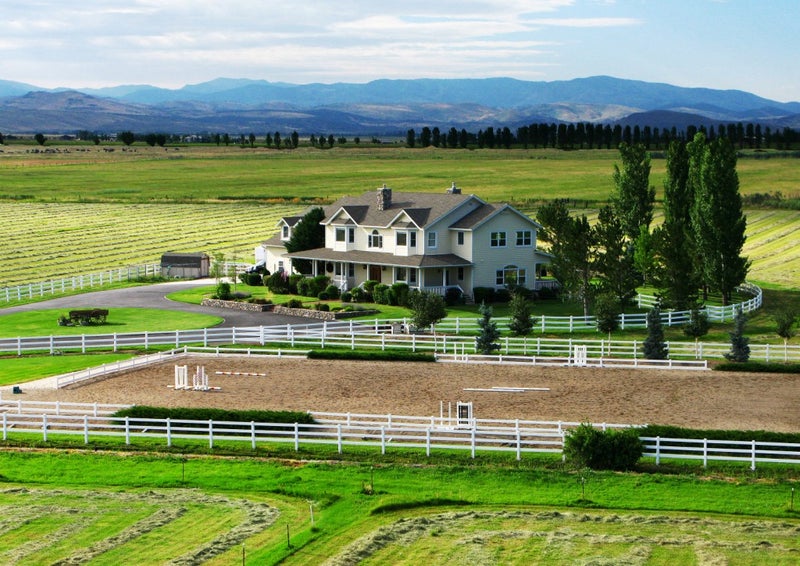
A barn is a respiratory hazard if poorly designed. Check for adequate cross-ventilation, dust-free bedding options, and proper lighting. Stalls should be at least 12x12 feet for most adult horses, with 14x14 feet for larger breeds. Ensure there is a separate, well-ventilated tack room to protect leather goods from humidity and manure gases.
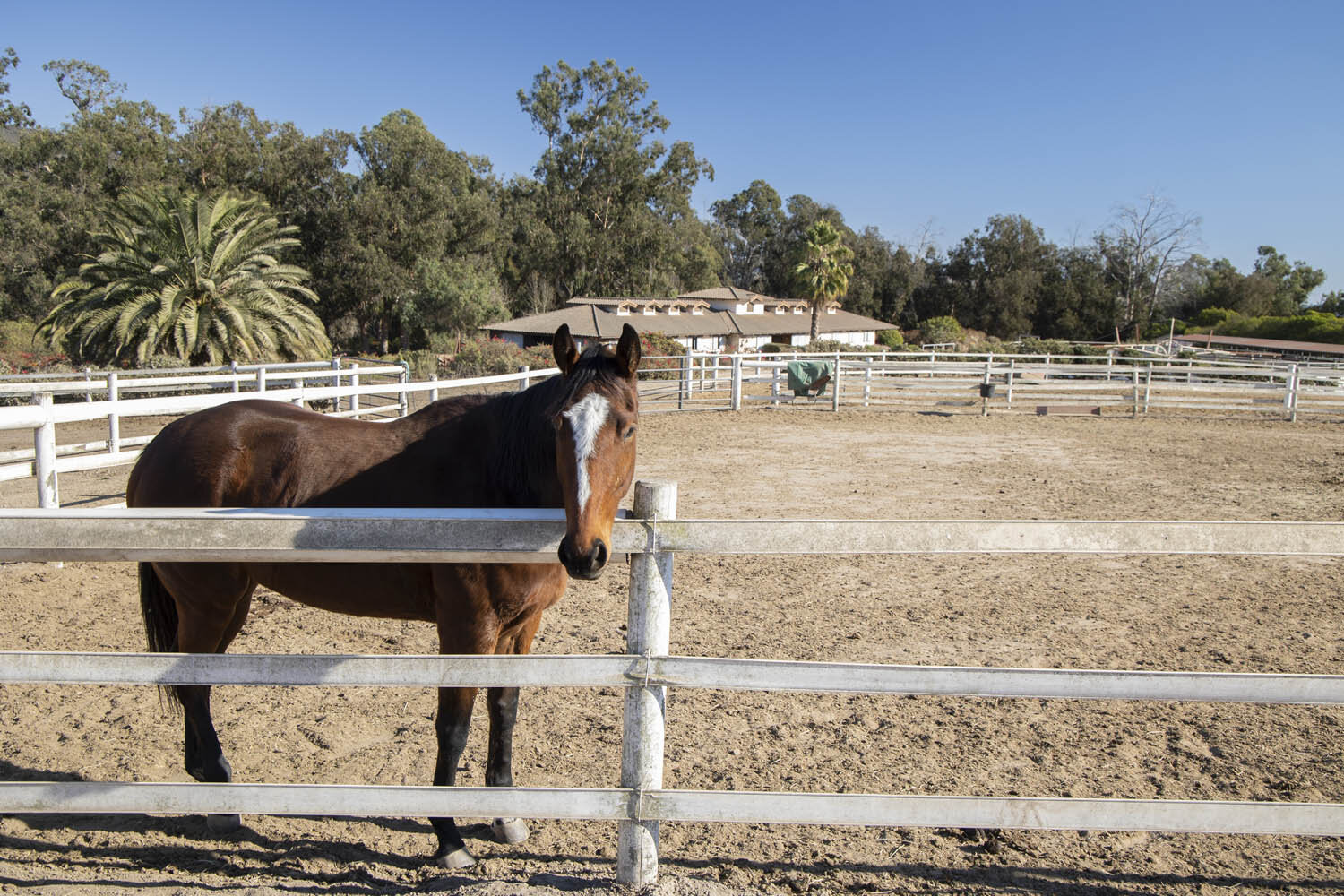
Even in rural areas, zoning laws can restrict the number of horses, require minimum lot sizes, or ban commercial boarding. Verify that the property is zoned for agricultural or equestrian use. Check for any restrictive covenants (HOA rules) that might limit fence types, barn sizes, or the presence of livestock entirely.
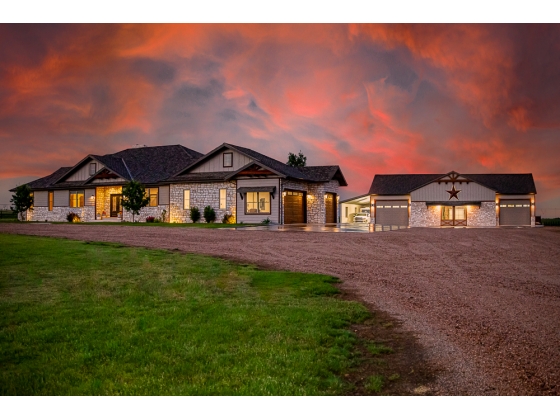
Distance matters when an emergency strikes. Map the route to the nearest large-animal veterinarian and emergency equine hospital. Check the proximity to a reputable feed store, farrier, and tack shop. In remote areas like parts of Montana or Texas, a two-hour drive for a vet visit can be the difference between life and death.
To maintain the infrastructure you are buying, you need the right tools. The following products are essential for daily care and maintenance of a professional-grade horse property.


As an Amazon Associate, we may earn from qualifying purchases.
No comments yet. Be the first to share your thoughts!