
10 Best Equestrian Communities for Horse Lovers in 2026
Finding the right equestrian community requires balancing lifestyle preferences with practical infrastructure needs. Below are ten specific communities across the United States that offer distinct advantages for horse owners, ranging from Florida’s show-ring hubs to California’s scenic trails.
-
Ocala, Florida Widely recognized as the largest equestrian city in the United States, Ocala is the epicenter of the thoroughbred industry and competitive horse shows. The area features the World Equestrian Center, a massive complex hosting top-level competitions. Residents benefit from a dense network of equine veterinarians, farriers, and supply stores. The climate allows for year-round riding, and many developments offer large acreage suitable for breeding or training operations.
-
Sarasota Ranch Club, Florida Located in North Port, this planned community is designed specifically for equestrians. It features a structured HOA that enforces equestrian-friendly standards, including dedicated trail systems and barn regulations. The community offers a mix of residential lots and equestrian estates, providing a cohesive social environment for horse owners. Proximity to Sarasota-Bradenton International Airport makes it accessible for travel.
-
Meadow Wood Farms, Florida Situated in the heart of Ocala’s horse country, Meadow Wood Farms offers a rural feel with modern amenities. The development is known for its extensive, well-maintained trail network that connects to public lands. Lots are zoned for horses, and the community emphasizes privacy and space. It is an ideal choice for those seeking a quieter, more traditional equestrian lifestyle within a structured neighborhood.
-
Norco, California Often called "Horsetown USA," Norco is a historic equestrian hub in Riverside County. The community is characterized by its large lot sizes and deep-rooted horse culture. While it lacks the planned infrastructure of newer developments, it offers authentic rural living with direct access to the Santa Ana Mountains for trail riding. The area is home to numerous riding stables and equestrian events.
-
Spring Island, South Carolina This private, gated community on the South Carolina coast offers a unique blend of beach living and equestrian activities. Spring Island features a dedicated equestrian center with trails through maritime forests and along the coast. The community maintains strict environmental standards, ensuring that horse operations are integrated harmoniously with the natural landscape. It is ideal for riders seeking a resort-style equestrian experience.
-
Rarity Bay, South Carolina Located near Myrtle Beach, Rarity Bay is a newer equestrian community designed for those who want coastal access with horse facilities. The development includes a community barn and trail system that connects to nearby public lands. Lots are sized to accommodate horses, and the HOA provides clear guidelines for equestrian living. It offers a balance of modern convenience and rural equestrian charm.
-
Aiken, South Carolina Known as the "Horse Capital of the World," Aiken is famous for its thoroughbred breeding industry and winter training facilities. The community offers a rich equestrian heritage with numerous riding academies and show rings. Properties often feature large acreage suitable for breeding or training. The area attracts a sophisticated equestrian crowd, with a strong focus on hunter/jumper and thoroughbred disciplines.
-
Boone County, Kentucky Part of the Bluegrass region, Boone County is home to some of the most prestigious horse farms in the world. The area is ideal for those involved in thoroughbred breeding or training. Properties are typically large and set in rolling hills with rich soil. The community is deeply rooted in equestrian tradition, with easy access to major racing tracks and training centers. It offers a high-end lifestyle for serious horse professionals.
-
Santa Barbara County, California The Central Coast of California offers a mild climate and scenic riding trails. Communities in this region, such as those near Solvang or Santa Ynez, provide a blend of vineyard views and equestrian amenities. The area is known for its dressage and western riding communities. Properties often feature custom barns and trails through oak woodlands. The lifestyle is relaxed, with a strong emphasis on outdoor recreation and community events.
-
Loudoun County, Virginia Located just outside Washington D.C., Loudoun County is a hub for equestrian enthusiasts seeking proximity to urban amenities. The area is famous for its hunter/jumper scene and large estate properties. Communities here often feature extensive trail networks and high-end equestrian facilities. The region offers a unique blend of rural equestrian living and access to major metropolitan services, making it ideal for those who commute or travel frequently.
What makes a horse-friendly community
An equestrian community is a planned real estate development designed for people who live with their horses on their property or at a facility within the rural or suburban development, with a shared trails network for pleasure riding. Unlike scattered rural properties, these communities offer a structured environment where equestrian infrastructure is integrated into the neighborhood design. This setup provides a distinct alternative to being squeezed out of rural areas as urban sprawl encroaches on traditional farmland.
These developments vary widely in style and scope. Some range from beach and golf resort-style properties that include horse facilities to large, conserved acreage solely dedicated to horses. The common thread is the intentional planning: zoning laws, soil composition, and trail access are all considered before a single home is built. This ensures that residents can ride safely without navigating heavy traffic or dealing with incompatible neighbors.
Note: Equestrian communities are planned real estate developments designed for people who live with their horses on their property or at a facility within the rural or suburban development, with a shared trails network for pleasure riding.
When evaluating what makes a community truly horse-friendly, look beyond the presence of a few barns. The best equestrian communities feature dedicated maintenance for shared trails, secure fencing standards, and proximity to veterinary and supply services. They create a cohesive ecosystem where horse ownership is not just tolerated but supported by the community’s physical and social infrastructure.
How to choose your equestrian community
Selecting the right equestrian community requires looking beyond the property lines to the infrastructure that supports your horse. A successful match depends on three concrete factors: the specific rules governing your animals, the quality of the trail system, and the proximity to veterinary care. Treating these elements as a checklist prevents costly surprises after closing.
HOA equestrian rules
Homeowners Association (HOA) regulations vary significantly and can dictate your daily life with horses. Some communities allow multiple horses per acre, while others restrict you to one or none at all. Review the covenants carefully to understand restrictions on barn size, manure management, and even the number of stalls permitted. A community like Sarasota Ranch Club, for instance, is known for its structured equestrian lifestyle, but you must verify if the HOA enforces specific tack room or fencing standards that align with your needs.
Trail quality and maintenance
The trail network is the artery of any equestrian community. Look for developments that maintain dedicated paths separate from vehicle traffic to ensure safety. Poorly maintained trails with mud, standing water, or overgrowth can make riding a chore rather than a pleasure. Check if the HOA funds regular grading and drainage work. Communities like Meadow Wood Farms often highlight their extensive trail systems as a primary selling point, so verify the current condition and accessibility of these paths before committing.
Proximity to veterinary services
Access to equine veterinary care is non-negotiable. Emergencies do not adhere to business hours or community boundaries. Ensure there is a reputable equine vet or emergency clinic within a 30-minute drive. In some rural equestrian hubs, traffic or terrain can slow response times. Research the local veterinary landscape; if the nearest specialist is an hour away, you may need to adjust your expectations or budget for private on-call services. This logistical reality often outweighs the aesthetic appeal of the community itself.
Equestrian gear essentials
Moving into an equestrian community means settling into a lifestyle where your horse’s needs are as central as your own. Whether you are buying a property in Sarasota Ranch Club or renting a stall in Meadow Wood Farms, having the right equipment is non-negotiable for safety and care. You do not need to buy everything at once, but a few core items will make your transition smoother.
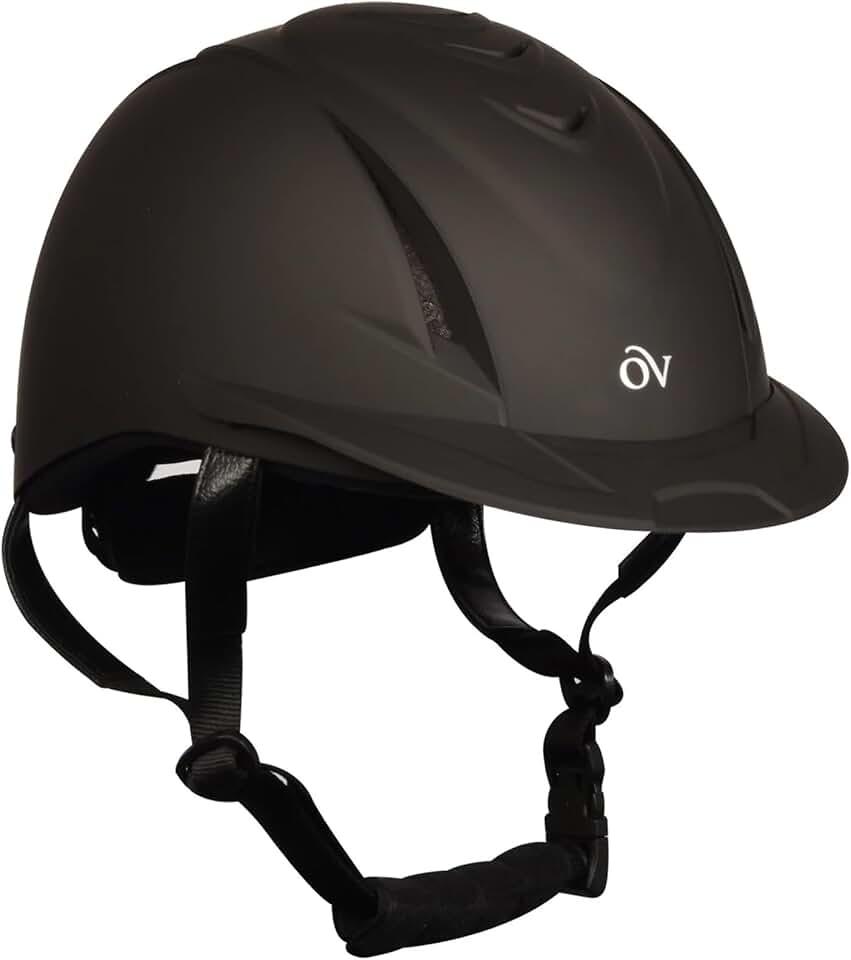
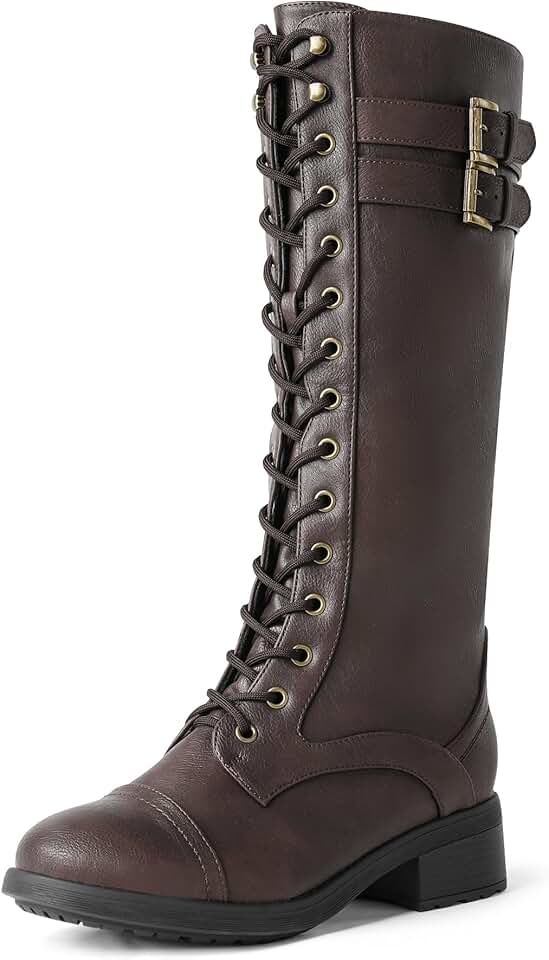
Start with a properly fitted helmet and durable riding boots. These are your primary safety investments. Beyond personal gear, consider the daily maintenance items that keep your horse comfortable in a new environment. A high-quality saddle pad, a reliable grooming kit, and sturdy lead ropes are the foundation of daily care. As you settle into your specific community, you may add specialized tack based on local trail conditions or facility rules.

As an Amazon Associate, we may earn from qualifying purchases.
These essentials apply to riders in any equestrian community, from the beachside properties of Spring Island to the conserved acreage of Rarity Bay. Focus on quality over quantity. Your horse will appreciate the consistency of good gear, and you will appreciate the peace of mind it provides.
Common questions about horse communities
Equestrian communities blend residential living with dedicated equestrian infrastructure, offering a specific lifestyle for horse owners. Understanding where these communities are concentrated and what they entail helps narrow down your search for the right fit.
No comments yet. Be the first to share your thoughts!