
Horse-friendly cities budget
Finding the right balance between land, amenities, and price requires looking beyond the headline cost of the property. Cities like Ocala, Florida, and Aiken, South Carolina, offer established equestrian infrastructure but come with higher entry costs due to their reputation as "Horse Capitals." In contrast, emerging communities in the Hudson Valley, New York, or rural Texas provide more affordable acreage, though you may need to invest in building out basic riding trails and storage.
When evaluating a budget, consider the "20% rule" not just for riding weight, but for financial sustainability. An average adult light riding horse can comfortably carry about 20 percent of their ideal bodyweight; similarly, your property budget should comfortably absorb 20 percent of your total housing cost without straining your finances. This ensures you have room for feed, farrier services, and veterinary care, which are the true drivers of long-term affordability.
Price also dictates condition. In high-demand markets like Wellington, Florida, you might pay a premium for turnkey barns with climate-controlled stalls. In other regions, you might find cheaper properties that require significant renovation to meet modern safety standards for fencing and footing. Always factor in the cost of these upgrades when comparing listings across different equestrian hubs.
Shortlist real options
Finding a home base for your horse requires balancing land availability, climate, and local equestrian infrastructure. The strongest horse-friendly cities typically offer a mix of established riding trails, veterinary support, and zoning that protects rural character. Below is a comparison of top contenders across different regions.
| City | State | Equestrian Reputation | Primary Terrain | Best For |
|---|---|---|---|---|
| Ocala | Florida | Horse Capital of the World | Rolling hills, limestone soil | Thoroughbred breeding and sport horse training |
| Wellington | Florida | World Equestrian Center hub | Flat, manicured estates | Show jumping and hunter/jumper circuits |
| Aiken | South Carolina | Historic racing and riding center | Pine forests, red clay | Winter training and thoroughbred racing |
| Bandera | Texas | Cowboy Capital of the World | Hill country brush, rugged trails | Ranch work and western disciplines |
| Paso Robles | California | Wine country riding | Vineyards, coastal hills | Leisure riding and mixed-terrain trails |
Ocala remains the undisputed leader for breeding due to its limestone-rich soil, which supports strong bone development in foals. Wellington offers unmatched show facilities but comes with high land costs and strict HOA regulations. Aiken provides a unique winter training season with a deep historical connection to American racing. Bandera appeals to those seeking a rugged, western lifestyle with abundant public land access. Paso Robles combines riding with a vibrant wine country culture, ideal for those who want trail access near amenities.
Reddit discussions often highlight smaller towns in New York and Pennsylvania as hidden gems for those seeking lower costs and tight-knit communities. These areas offer ample pasture land but may lack the large-scale training facilities found in Florida or Kentucky.
Inspect the expensive parts
Buying a horse property is less about the house and more about the infrastructure that keeps your horse safe and your wallet intact. Most buyers focus on the main residence, but the real costs hide in the fences, footing, and drainage systems. A failing fence line or a flooded paddock can cost tens of thousands to fix after closing. Use this checklist to inspect the expensive failure points before you sign.
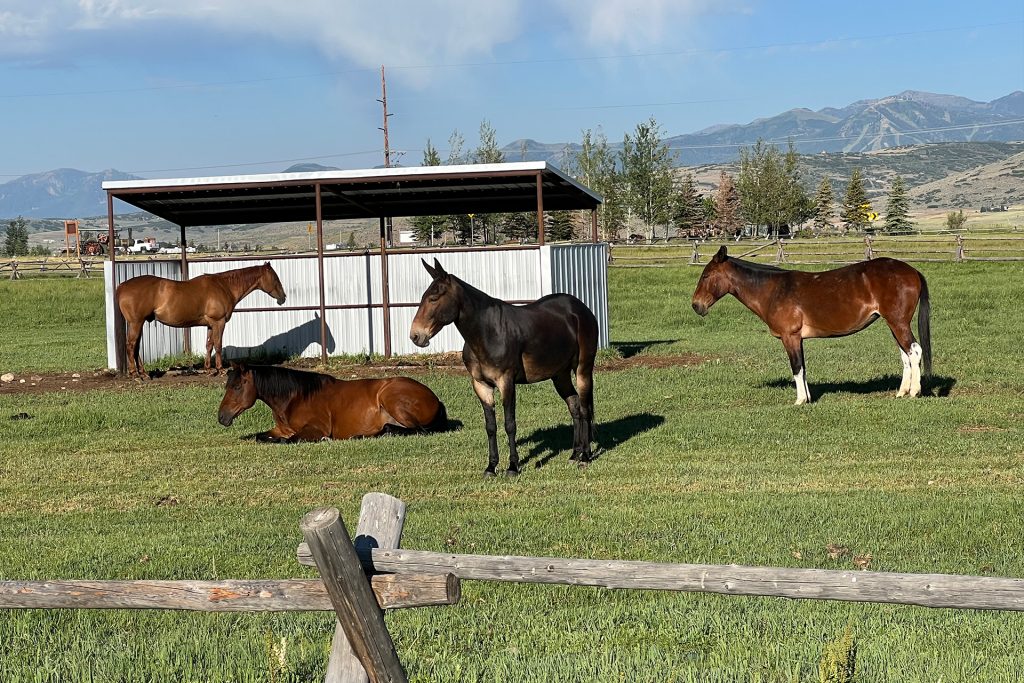
Wood rots, wire rusts, and electric tape frays. Inspect every post for rot at the soil line and check that rails are tight. Replace or repair broken sections now. Vinyl and aluminum are low-maintenance but expensive upfront; wood is cheaper but requires annual staining or replacement. Ensure gates latch securely and have no sharp edges that could injure a horse.
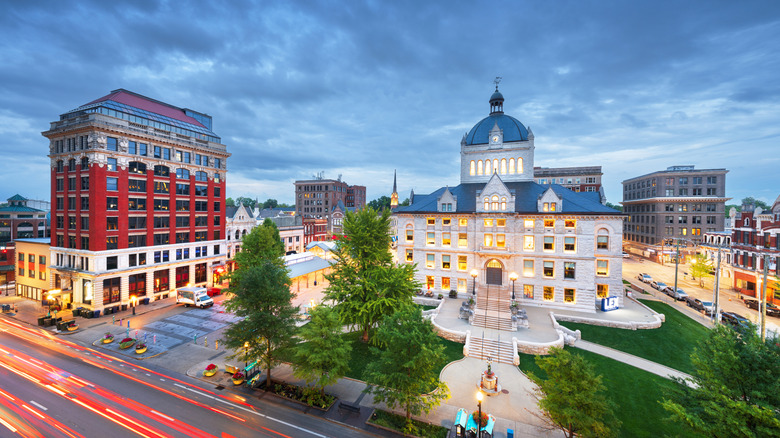
Stand in the lowest part of the paddock after a rain. If water pools for more than 24 hours, the soil is poorly drained. Horses standing in mud develop thrush and hoof rot. Check for compacted soil where horses congregate near shelters. Good drainage prevents costly veterinary bills and footing repairs later. Consider adding gravel or geotextile fabric if the soil is clay-heavy.
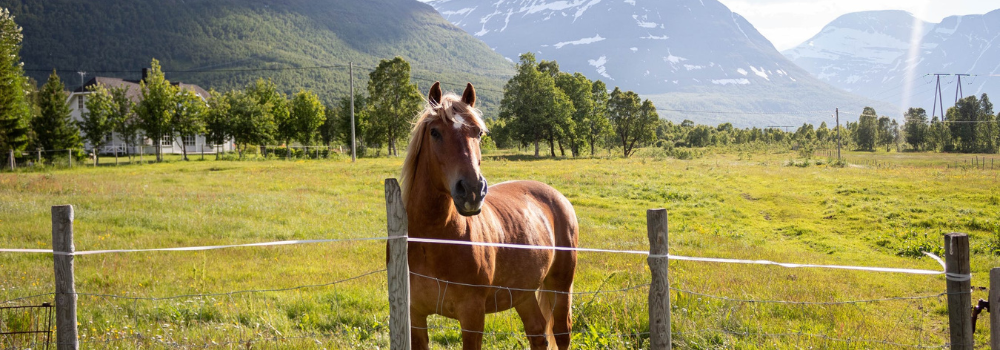
Arena footing should be deep enough to cushion hooves but not so deep that it strains tendons. Push a shovel into the surface; it should offer resistance but release cleanly. Check for rocks, debris, or uneven settling. Poor footing leads to tendon injuries and expensive veterinary care. If the arena is dirt, consider adding sand or fiber mixes for better consistency.
Horses drink heavily. Turn on all troughs and check for leaks, low pressure, or frozen pipes in winter. Test water quality for nitrates and bacteria if the source is a well. Broken water lines can waste thousands of gallons and damage the landscape. Ensure automatic waterers are functioning and have backup power options for outages.
Barns accumulate ammonia from urine, which damages horse lungs. Check for adequate airflow through windows, vents, or ridge vents. Look for exposed wiring, unsecured electrical panels, or missing fire extinguishers. Horse barns are high-risk for fires due to bedding and dust. Ensure smoke detectors are installed and batteries are fresh. Proper ventilation and fire safety protect your investment and your animals.
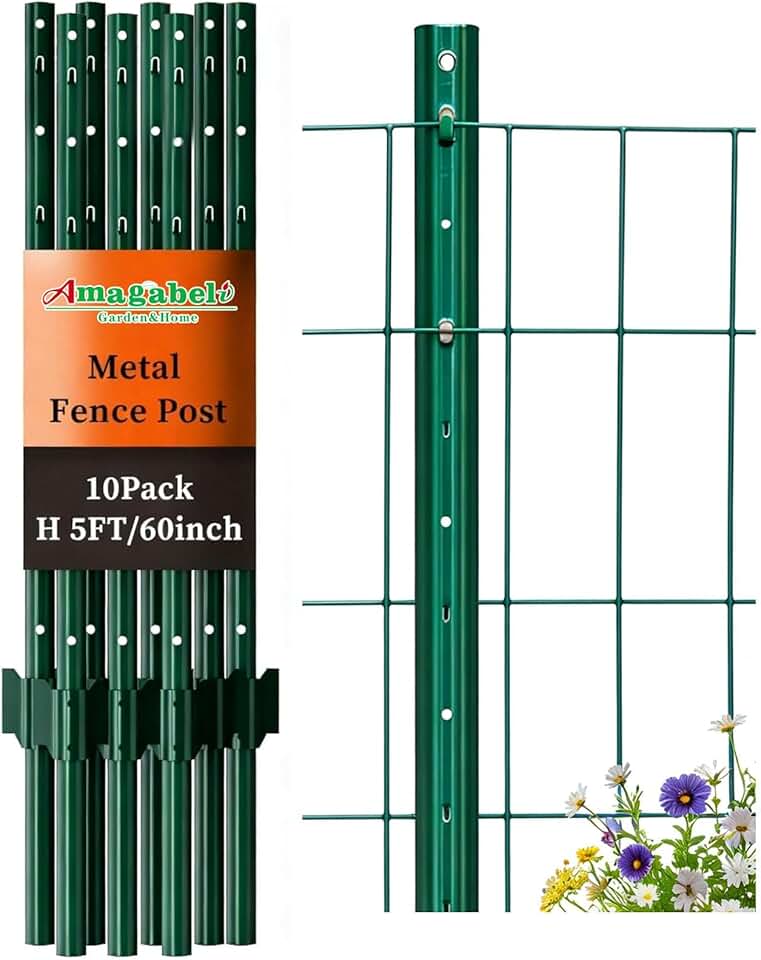

As an Amazon Associate, we may earn from qualifying purchases.
Plan for ownership costs and maintenance surprises
A horse property’s true cost often hides in the maintenance, not the mortgage. While buying a cheap fixer-upper might look appealing, the ongoing expenses of keeping a property horse-ready can quickly erase any initial savings. You need to budget for more than just land; you must account for the infrastructure that supports both the animal and the ecosystem.
Start with the basics: fencing, footing, and feed storage. Post-and-rail or high-tensile electric fencing requires regular inspection and repair, especially in areas with heavy snow or wildlife. Indoor arenas or well-drained outdoor paddocks prevent mud, which is the enemy of hoof health and a major source of veterinary bills. If your property lacks a dedicated hay storage area with good ventilation, you will lose product to spoilage and mold, driving up your monthly feed budget significantly.
Don’t forget the hidden costs of water and waste management. Horses drink large amounts of water, so ensure your property has reliable, clean water sources and adequate troughs. Manure management is another ongoing task; whether you compost on-site or pay for removal, it’s a logistical and financial commitment. A cheap buy stops being cheap when these maintenance loops become unmanageable or when you need to hire help to keep the property functional.
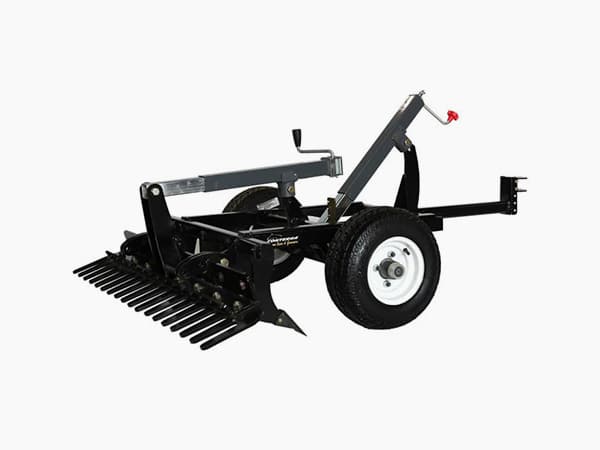
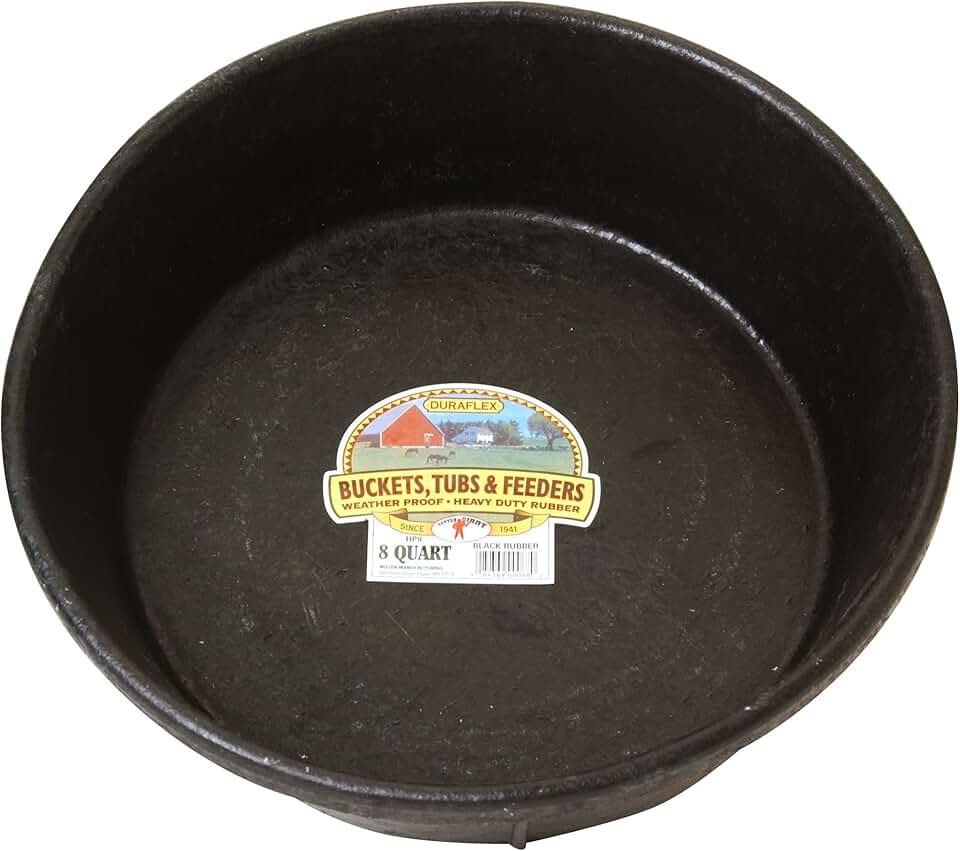
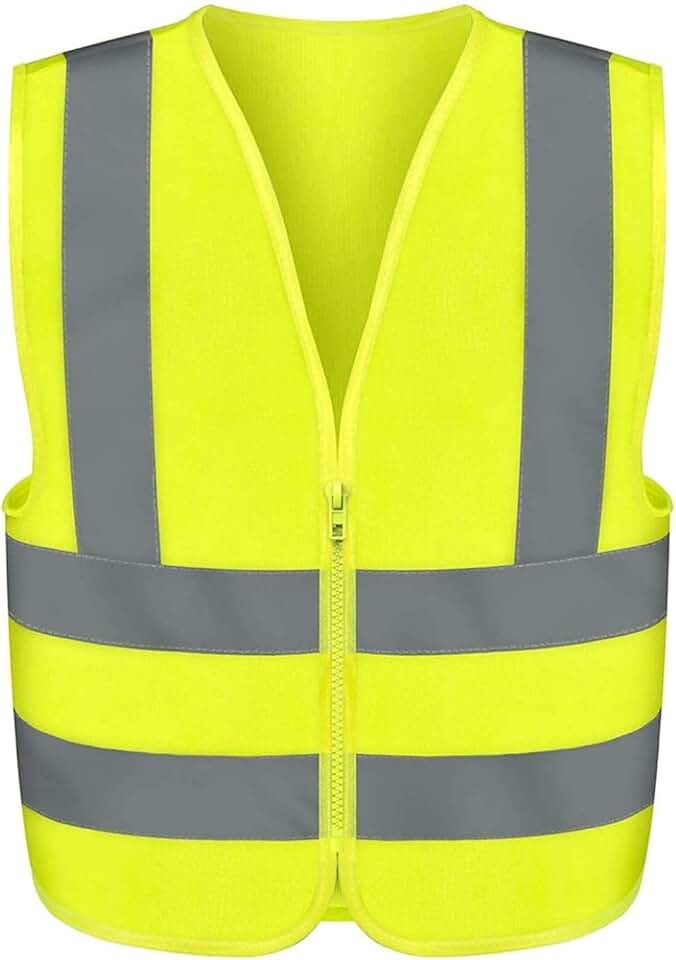
To help you maintain your property efficiently, consider equipping your tack room and maintenance shed with durable, reliable tools. The right gear can save time and prevent costly damage to your horse’s equipment and your property’s infrastructure.

As an Amazon Associate, we may earn from qualifying purchases.
When evaluating a property, ask for historical maintenance records and inspect the condition of all equestrian-specific structures. A slightly higher purchase price for a property with modern, well-maintained fencing and a dry lot system is often a better long-term investment than a cheaper option that requires immediate, costly upgrades.
Horse-friendly cities: what to check next
Choosing a home for your horse involves more than just finding land. It requires understanding local regulations, climate suitability, and the specific infrastructure that supports equestrian life. Here are the most common practical questions prospective buyers ask.
What are the best cities for horses?
Top equestrian hubs like Ocala, Florida, and Aiken, South Carolina, offer established communities with dedicated facilities. In California, areas like Paso Robles and Santa Margarita provide excellent climate and terrain. Wellington, Florida, is renowned for its competitive circuit, while Louisville, Kentucky, offers deep historical roots in the industry.
What is the 20% rule with horses?
The 20% rule states that an average adult light riding horse can comfortably carry about 20 percent of their ideal bodyweight. This guideline, recommended by the Certified Horsemanship Association, helps prevent injury. When selecting a horse for trail riding or competition, ensure the rider’s weight stays within this safe limit.
What cities are horse cities?
"Horse cities" typically refer to municipalities with high concentrations of equine businesses and residents. Ocala is widely known as the "Horse Capital of the World." Other leading equestrian cities include Wellington, Florida, for sport horses, and Stephenville, Texas, known for its ranching heritage and open range culture.
Do I need special insurance for a horse property?
Standard homeowner’s insurance rarely covers livestock or equestrian liabilities. You will need a specialized farm or equine policy that covers veterinary costs, loss of use, and liability if your horse injures someone. Check local zoning laws to ensure your property is zoned for agricultural or equestrian use.
No comments yet. Be the first to share your thoughts!