
What makes a city horse-friendly
Finding the right place to live with horses requires more than just open land. A truly horse-friendly city balances urban convenience with the specific infrastructure equestrians need. This means looking for municipalities that have integrated equestrian trails into their public park systems and zoning laws that support boarding facilities and barns.
The best cities for horse living often have a deep-rooted culture that welcomes riders. Towns like Aiken, South Carolina, have evolved into equestrian hubs where 70 miles of riding trails connect directly to the community. In these areas, local governments understand that horse owners need accessible tack shops, veterinarians, and feed stores within reasonable driving distance.
When evaluating a potential home, check for trail access and local equestrian zoning laws. Cities built by horse people, such as Norco, California, demonstrate how community planning can prioritize equestrian needs. These locations offer a blend of urban amenities and rural equestrian life, making daily riding practical and enjoyable.
Having the right gear is essential for maintaining your horse's comfort and safety in any environment. Essential items like durable hoof picks and reliable grooming tools are foundational for daily care.

As an Amazon Associate, we may earn from qualifying purchases.
Top equestrian communities to consider
Finding the right horse-friendly cities means matching your discipline and budget to local infrastructure. Some regions excel in competitive show jumping and polo, while others offer sprawling trails for trail riding and ranch work. The best equestrian communities balance climate, land availability, and a dense network of barns, veterinarians, and feed stores.
Ocala, Florida, holds the title of "Horse Capital of the World" for a reason. The area’s limestone-rich soil is gentle on equine legs, making it a premier destination for thoroughbred breeding and show jumping. With nearly 1,200 farms and year-round riding weather, Ocala offers a dense ecosystem for serious competitors and hobbyists alike. Nearby Aiken, South Carolina, provides a cooler climate and a strong polo and hunter/jumper scene, appealing to those who prefer distinct seasons.
In the West, Lexington, Kentucky, remains the spiritual home of the thoroughbred industry. While land prices are steep, the concentration of elite training centers and historic farms is unmatched. For those seeking a more rugged lifestyle, Park City, Utah, and surrounding areas offer world-class trail systems and a growing equestrian real estate market. The climate here demands hardier breeds and specific tack, but the scenery and community spirit are compelling for western riders.
Sarasota, Florida, and Wellington, Florida, round out the top tier for warm-weather equestrian living. Wellington is the epicenter of the winter show season, hosting the Global Equestrian Festival and attracting top international talent. Sarasota offers a slightly more relaxed pace with excellent facilities for dressage and eventing. These communities thrive on the social aspect of the sport, with clubs and clubs driving the local economy.
Comparison of top horse-friendly cities
The table below highlights key differences between leading equestrian destinations to help you narrow your search.
| City | State | Climate | Primary Focus | Land Cost |
|---|---|---|---|---|
| Ocala | Florida | Warm/Humid | Show Jumping/Thoroughbreds | Moderate |
| Lexington | Kentucky | Four Seasons | Thoroughbred Racing | High |
| Wellington | Florida | Warm/Humid | Polo/Show Jumping | Very High |
| Aiken | South Carolina | Mild Winters | Polo/Hunter/Jumper | Moderate |
| Park City | Utah | Cold/Dry | Western/Trail Riding | High |
Essential gear for equestrian living
Living in a horse-friendly city often means engaging more deeply with the sport. Whether you are competing in Ocala or trail riding in Utah, having the right equipment is essential. The following products are popular among riders in these top communities.


As an Amazon Associate, we may earn from qualifying purchases.
Gear for Your New Horse-Friendly City Life
Moving to a horse-friendly city is only half the equation. The real work begins when you settle into your new property or start integrating your horse into the local community. Whether you are setting up a fresh barn in Ocala, Kentucky, or preparing for trail rides in Aiken, South Carolina, having the right equipment ensures safety, comfort, and efficiency.
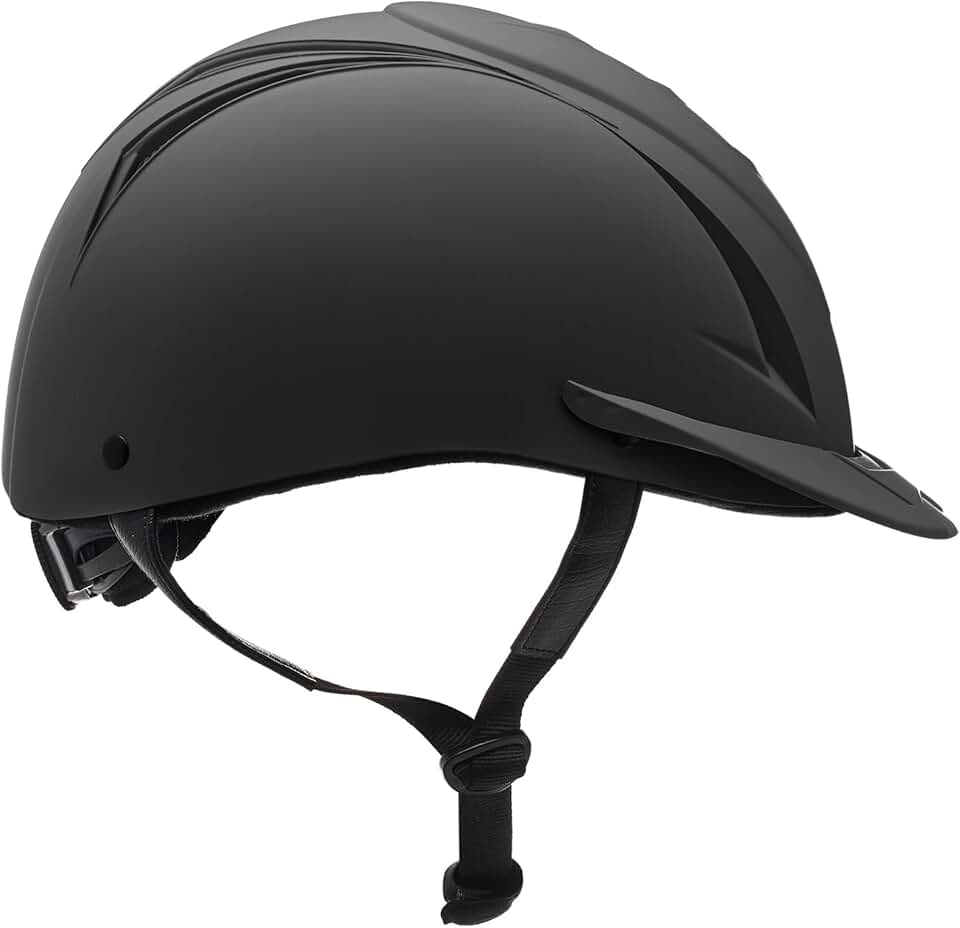
Start with the basics of safety and tack maintenance. A high-quality helmet is non-negotiable, especially if you are riding on public roads or trails common in equestrian suburbs like Wellington, Florida. Equally important is keeping your gear clean; dust and sweat can degrade leather quickly, so a reliable saddle soap and brush kit will extend the life of your equipment. For those new to horse care, a sturdy grooming kit helps you bond with your horse while keeping their coat healthy.
Don't overlook personal gear and barn supplies. A pair of durable riding boots with a small heel prevents your foot from sliding through the stirrup, a critical safety feature. For barn chores, a heavy-duty flashlight and a basic first aid kit for both you and your horse are essentials that many newcomers forget until it is too late.


As an Amazon Associate, we may earn from qualifying purchases.
Investing in these essentials upfront saves time and money in the long run. It allows you to focus on what matters most: enjoying the equestrian lifestyle in your new home.
Checklist for buying horse property
Finding the right home in one of the best horse-friendly cities requires more than just checking the zoning codes. You need a property that supports your horse’s health and your daily routine. Use this checklist to evaluate potential listings before making an offer.

Good pasture is the foundation of equestrian living. Look for well-draining soil that prevents mud and hoof rot. Test the land for toxic plants like red maple or nightshade. Ensure there is enough acreage for rotational grazing to keep the grass healthy.
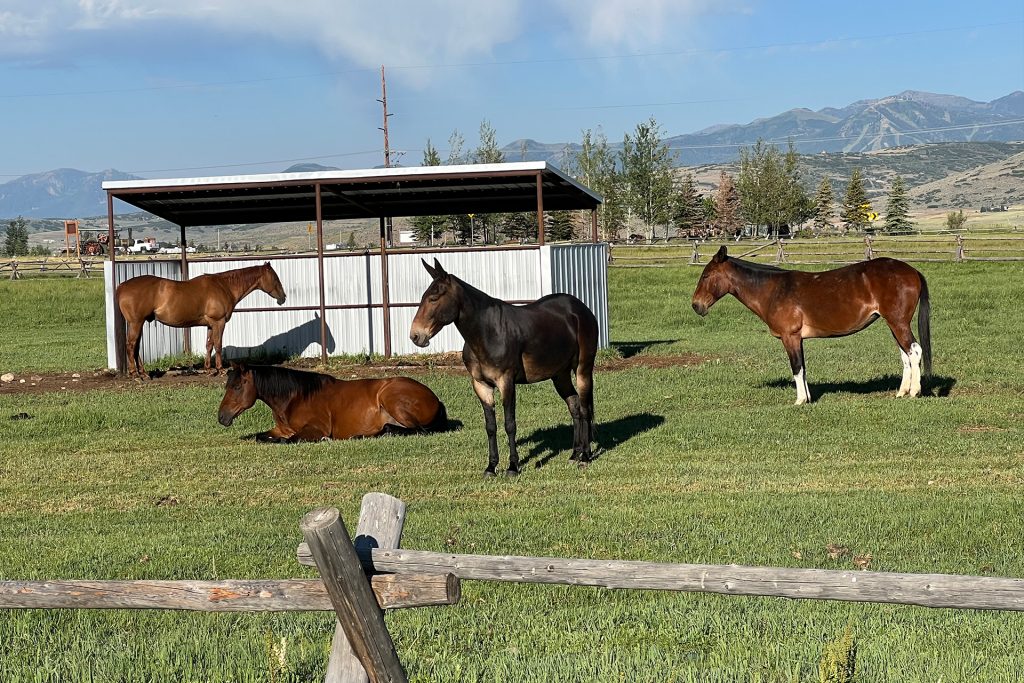
Safety is non-negotiable. Check that fencing is sturdy, with no loose nails or broken rails. Wood and vinyl are common, but ensure posts are set deep enough to withstand a kicking horse. The barn should have proper ventilation, secure latches, and easy access to water and feed storage.
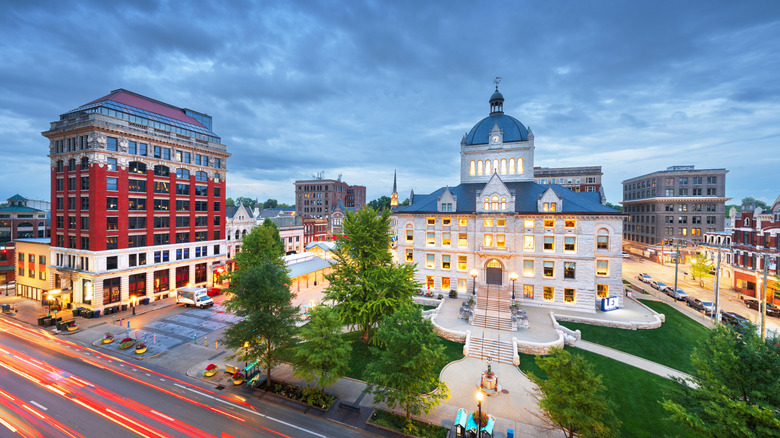
Horses need constant access to clean water. Verify that troughs are functional and that there are multiple water sources on the property. Ensure the electrical system can handle barn equipment, such as automatic waterers or fans, without overloading circuits.
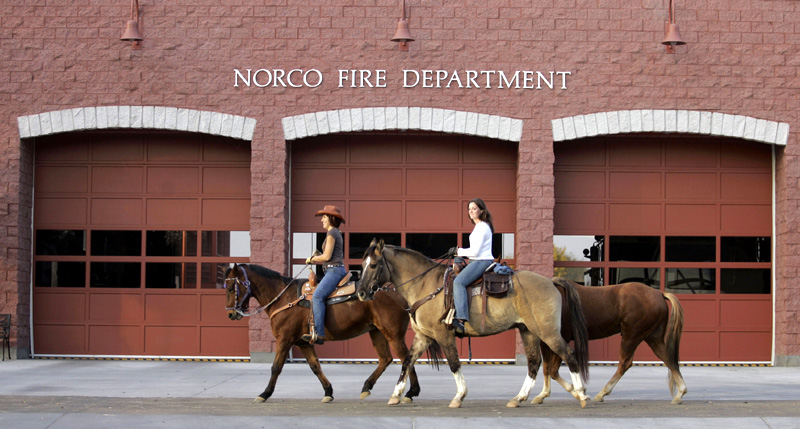
In top horse-friendly cities, local infrastructure matters. Look for properties with direct access to public trails or private equestrian paths. Check if the neighborhood allows trail riding and if there are nearby arenas or riding clubs. Proximity to feed stores and vets is also a major plus.
To help you prepare your barn for a new horse, consider these essential items:


As an Amazon Associate, we may earn from qualifying purchases.
Common questions about horse cities
Finding the right base for equestrian living involves more than just finding land. You need infrastructure, community, and access to trails. These answers address the most common queries about equestrian-friendly cities in the US.
Essential gear for city equestrian life
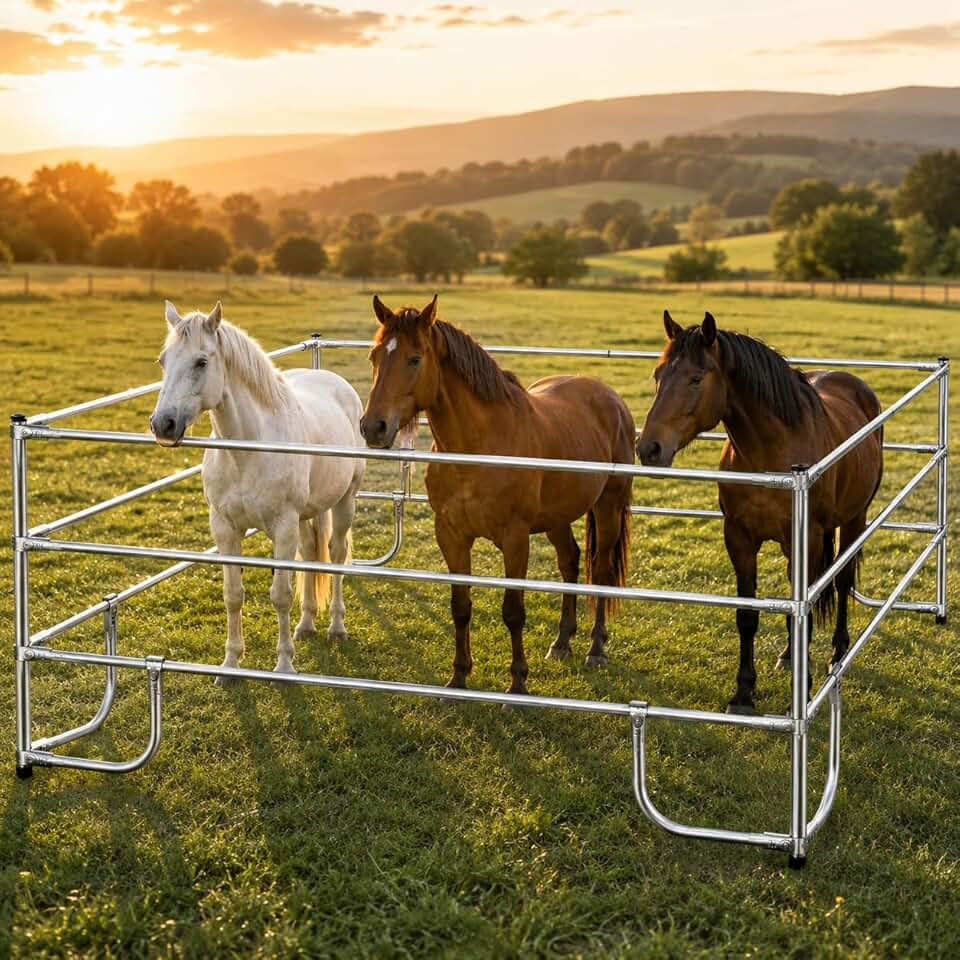
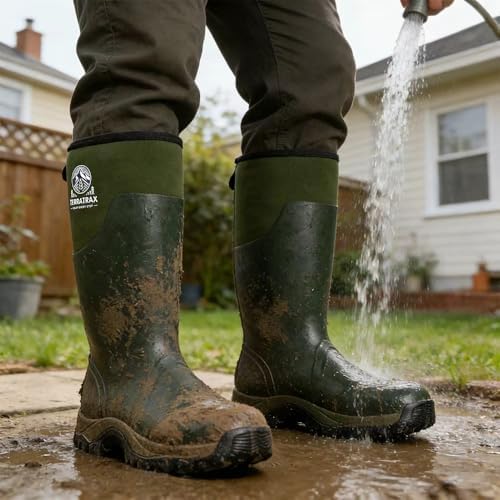
Living in a horse-friendly city often means managing space efficiently. You need durable, compact gear that fits both barn and urban storage. Here are products that support practical equestrian living.

As an Amazon Associate, we may earn from qualifying purchases.
No comments yet. Be the first to share your thoughts!