
Finding Your Equestrian Home
Choosing the right location is important for anyone serious about horses. It’s about finding a place where your equine lifestyle can thrive. Factors like the local equestrian community, access to veterinary and farrier services, and riding trails all play a role.
What makes a city 'horse-friendly' is subjective. A competitive dressage rider has different needs than someone who enjoys trail rides. This guide offers an overview of locations across the United States for various equestrian pursuits, acknowledging that the ideal spot varies by individual priorities.
We look beyond land prices and zoning laws to consider the quality of life for horse and owner. A supportive community and accessible resources can make a difference, and those are often harder to quantify but just as important as the cost of hay. It’s about finding a place that feels like home for you and your horse.
Top 10 Horse-Friendly Cities (2026)
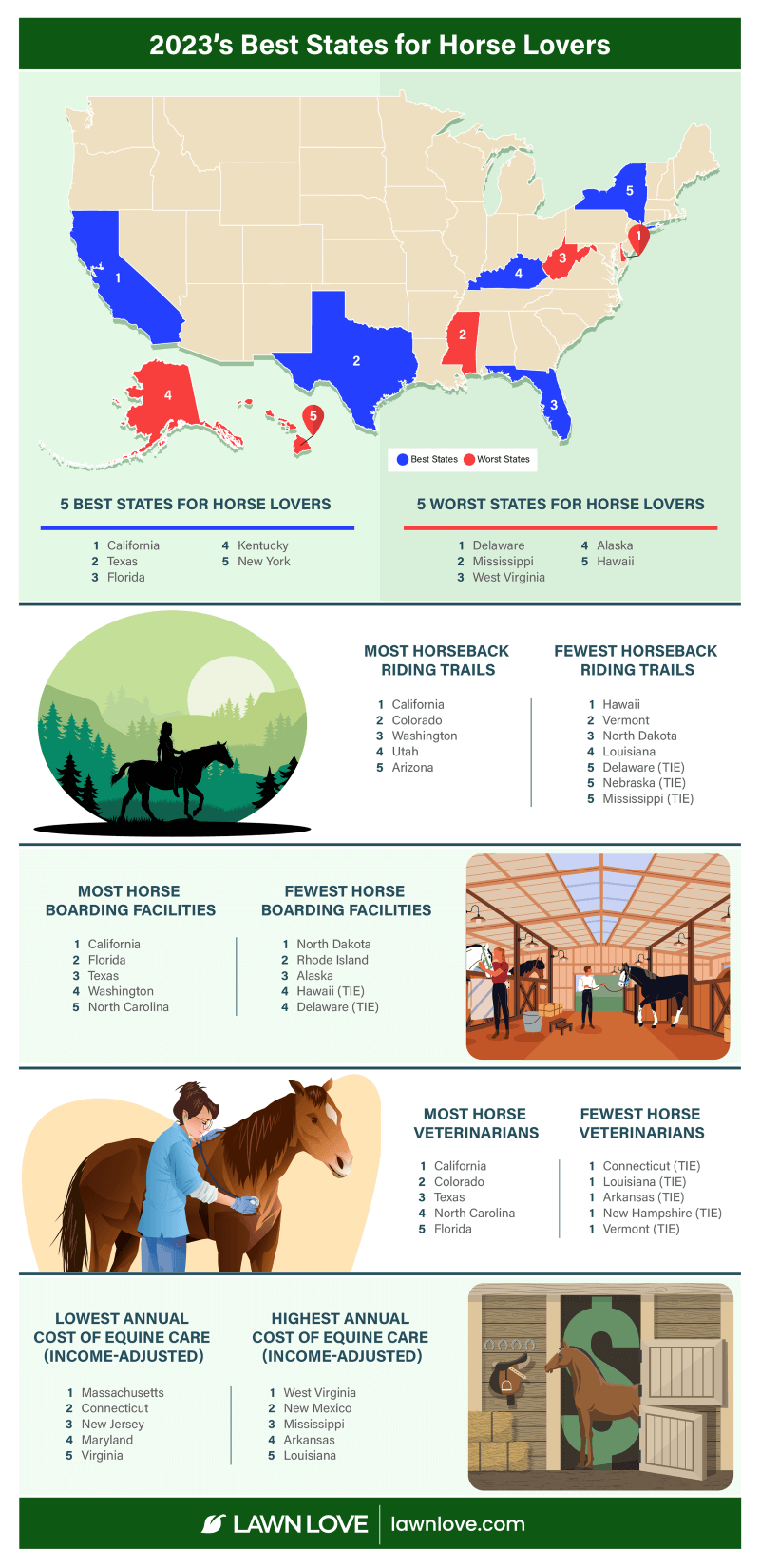
Ranking the most horse-friendly cities requires balancing data and assessment. We considered acreage availability, cost of living (including horse-related expenses), proximity to trails and equestrian events, density of veterinary and farrier services, and local ordinances. We based our projections on current trends.
Lexington, Kentucky consistently ranks high. Known as the 'Horse Capital of the World,' Lexington has a thriving equestrian industry, many horse farms, and excellent veterinary care. Acreage is available, though prices can be high closer to the city center. The cost of hay is relatively stable due to the region’s agricultural base.
Ocala, Florida has seen growth in its equestrian community. The mild climate allows for year-round riding, and the area hosts equestrian events, including the Winter Equestrian Festival. Land prices are increasing, but still generally more affordable than Lexington. Access to trails is good, particularly in the Ocala National Forest.
Charlottesville, Virginia offers a beautiful setting and a strong equestrian tradition. The rolling hills and proximity to the Blue Ridge Mountains provide opportunities for trail riding. The area is also home to horse shows and events. Property taxes can be relatively high.
Parker, Colorado sits near Denver, offering a blend of rural lifestyle and urban convenience. Colorado’s horse country is expansive, and Parker provides access to trails in the foothills of the Rocky Mountains. Hay can be expensive due to the shorter growing season.
Tryon, North Carolina has become an equestrian destination, thanks to the Tryon International Equestrian Center. The area offers a range of equestrian disciplines, and the climate is mild. Land prices are rising, but still competitive compared to other top locations.
Williston, Florida is another Florida contender, benefiting from the same mild climate and growing equestrian scene as Ocala. It’s generally more affordable than Ocala, making it attractive to those looking for a lower cost of entry. Trail riding opportunities are plentiful in the surrounding state forests.
Pilot Point, Texas provides a taste of the Old West with a strong horse culture. Texas has a long history of ranching and horsemanship, and Pilot Point is a hub for cutting horse competitions and rodeos. Land is relatively affordable, but water can be a concern in some areas.
Santa Ynez Valley, California offers a picturesque setting and an equestrian community. The area is known for its wineries and horse properties. However, California’s high cost of living and strict regulations can be prohibitive for some. Water access is a key consideration.
Woodside, California is an affluent area south of San Francisco, and while expensive, it’s a haven for equestrians. The area is known for its trail network and commitment to preserving open space. Expect to pay a premium for everything, from land to hay.
Best Horse-Friendly Cities in the United States 2026: A Comparative Overview
| City, State | Acreage Cost | Veterinary Access | Trail Access | Community Size | Local Regulations |
|---|---|---|---|---|---|
| Ocala, Florida | Medium | Excellent | Extensive | Medium | Horse-Positive |
| Lexington, Kentucky | Medium to High | Excellent | Moderate | Medium | Horse-Positive |
| Parker, Colorado | High | Good | Moderate | Medium | Neutral |
| Pilot Point, Texas | Medium | Good | Moderate | Small | Horse-Positive |
| Tryon, North Carolina | Medium | Good | Extensive | Small | Horse-Positive |
| Somerset, Virginia | Medium to High | Good | Moderate | Small | Neutral |
| Williston, Florida | Low to Medium | Good | Moderate | Small | Horse-Positive |
| Temecula, California | High | Excellent | Limited | Large | Neutral |
Illustrative comparison based on the article research brief. Verify current pricing, limits, and product details in the official docs before relying on it.
Affordability & Horsekeeping Costs
Owning horses is not inexpensive. Costs vary by location, but some expenses are universal. Hay, typically the largest ongoing expense, fluctuates with weather patterns and regional supply. In 2024/2025, a ton of hay ranged from $180 in the Midwest to over $300 in drought-stricken areas of the West Coast. Hay prices are expected to continue trending upward through 2026, potentially reaching $200-$350 per ton nationally.
Veterinary care is another expense. Routine vaccinations, dental work, and emergency treatments can add up. Boarding costs, if you don't have your own property, can range from $400 to $1500+ per month, depending on amenities and location. Farrier services typically cost between $75 and $200 per trim, every 6-8 weeks.
Property taxes also play a role, varying by state and county. Areas with high property values, like California and the Northeast, will have higher taxes. Some localities offer agricultural tax exemptions for landowners who maintain horses, which can provide savings. Lexington, Kentucky, for example, has an agricultural tax base.
The Southeast and Midwest offer the most affordable horsekeeping costs, while the West Coast and Northeast are the most expensive. Texas and Florida are in the middle, offering a balance of affordability and equestrian amenities.
- Hay: $180 - $350+ per ton (projected 2026)
- Boarding: $400 - $1500+ per month
- Farrier: $75 - $200 per trim
- Veterinary: Variable, dependent on care
Essential Horse Care Products for Equestrian Living

Large capacity (35 x 31 Inch) hay net designed for slow feeding · Suitable for horses, goats, sheep, and donkeys · Durable construction for trailer or full-day feeding
This hay net promotes slower eating habits, which can aid digestion and reduce waste, making it a practical choice for daily feeding.

Comprehensive 7-piece grooming kit for horses · Includes essential tools like brushes, hoof pick, comb, and sweat scraper · Comes with a convenient organizer tote bag for easy storage and transport
This grooming kit provides all the necessary tools for maintaining your horse's coat and hygiene, ensuring they look and feel their best.

Wound powder designed to act as a blood coagulant · Formulated for use on proud flesh and granulated tissue in horses and show stock · Granulated form for easy application
This wound powder is a reliable solution for managing minor wounds and promoting healing in horses, offering peace of mind for owners.

8-inch size · UH 100 designation
This item is a basic necessity for horse care, offering a functional solution for a specific equestrian need.

Ready-to-use emulsifiable fly spray for horses · Effective against flies · 32 fl oz bottle
This fly spray offers effective protection against bothersome insects, helping to keep your horse comfortable and calm in various environments.
As an Amazon Associate I earn from qualifying purchases. Prices may vary.
Trail Access & Riding Destinations
Access to trails is a draw for many horse owners. The United States has a network of trails, from well-maintained state park trails to rugged backcountry routes. The American Trails organization (americantrails.org) is a resource for finding trail information and advocating for trail preservation.
Lexington, Kentucky, offers access to the Kentucky Horse Park’s trail system, as well as private trails and bridle paths. Ocala, Florida, provides access to the trail network in the Ocala National Forest. Charlottesville, Virginia, is surrounded by trails in the Blue Ridge Mountains.
undefined coastal trails and redwood forests.
The type of riding available also varies by location. Endurance riding is popular in the West, while trail pleasure riding is common throughout the country. Competitive riding disciplines, such as dressage and jumping, are well-represented in areas with established equestrian centers like Lexington and Tryon.
Equestrian Communities & Events
A vibrant equestrian community can significantly enhance the horse ownership experience. Local horse clubs and riding organizations provide opportunities for networking, learning, and participating in events. These groups often organize trail rides, clinics, and competitions.
Lexington, Kentucky, is home to numerous equestrian organizations, including the Kentucky Horse Council and the United States Equestrian Federation. Ocala, Florida, has a thriving equestrian community centered around the Winter Equestrian Festival. Tryon, North Carolina, boasts a strong equestrian presence due to the Tryon International Equestrian Center.
Many cities host local horse shows, rodeos, and clinics throughout the year. These events provide opportunities to showcase your horse’s skills, learn from experienced trainers, and connect with other horse enthusiasts. Checking local event calendars is a great way to stay informed about upcoming events.
Beyond organized events, a supportive community simply makes horse ownership more enjoyable. Sharing knowledge, offering assistance, and celebrating each other’s successes are all hallmarks of a strong equestrian community. It’s about finding a place where you feel welcomed and supported.
What's the most important factor when choosing a horse-friendly city?
Vote below and tell us which factor matters most in an equestrian community.
Zoning & Regulations: What to Know
Local zoning regulations can significantly impact your ability to keep horses on your property. It’s crucial to research these regulations before purchasing property to ensure that you can legally keep horses and build the necessary facilities. The American Trails planning and zoning guide provides valuable insights into navigating these regulations.
Common zoning restrictions include minimum acreage requirements, setbacks from property lines, and restrictions on the number of horses allowed per acre. Some localities may also have regulations regarding the construction of barns, arenas, and manure management. Building permits are often required for any new construction.
Restrictions on livestock can also vary widely. Some areas may prohibit certain breeds or types of horses, while others may have specific requirements for fencing and pasture management. It’s essential to check with the local planning and zoning department to understand all applicable regulations.
Ignoring zoning regulations can lead to fines, legal disputes, and even the forced removal of your horses. Due diligence is key to avoiding these problems. Understanding the rules upfront will save you time, money, and headaches in the long run.
Cities Worth a Closer Look
Beyond our top 10, several other cities offer appealing options for horse owners. The Seattle metropolitan area, as discussed on Facebook, presents a surprisingly robust equestrian scene, though affordability can be a challenge. Areas south of Seattle generally offer more affordable options than those to the north.
Boise, Idaho, is another city worth considering. It offers access to vast open spaces and a growing equestrian community. Land prices are relatively affordable compared to other Western cities. However, the climate can be harsh in the winter.
Asheville, North Carolina, provides a similar appeal to Tryon, with a mild climate and access to the Blue Ridge Mountains. It’s a popular destination for outdoor enthusiasts, including equestrians. The cost of living is rising, but still reasonable compared to many other top locations.
These cities may not have all the amenities of our top 10, but they offer a good quality of life for horse owners and a strong sense of community. They’re worth considering if you’re willing to compromise on certain factors.
No comments yet. Be the first to share your thoughts!