
Equestrian Life in 2026: A Changing Landscape
Urbanization is changing where and how people can keep horses. As more people move to cities, finding affordable land for horse ownership becomes harder. This means equestrians need locations that allow them to combine city living with their passion.
Rising costs for feed, vet care, and farriers are a major concern. Horse owners are looking for places where these expenses are lower or where they can share resources within a community. This is leading to more collaborative equestrian lifestyles.
There's a growing desire for community among horse owners. People want more than just a place to board their horse; they seek a network for events, learning, and sharing the experience of horse ownership. This need for connection strongly influences city choices.
This guide covers the top 15 horse-friendly cities in the United States for 2026, considering these trends. It focuses on finding places that support living with a horse and connect you with a strong equestrian community.
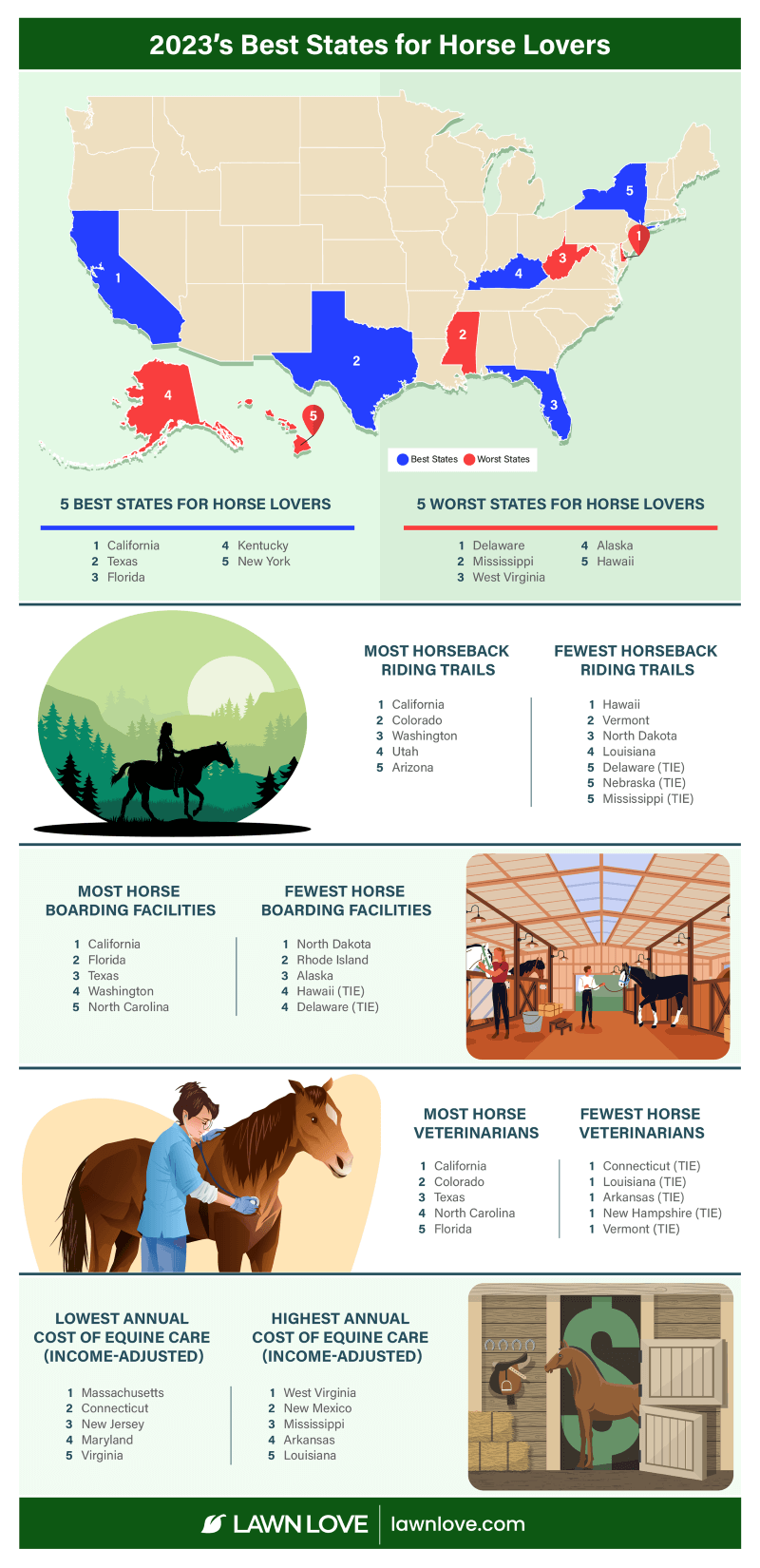
The Top 15 Horse-Friendly Cities
Ranking horse-friendly cities involves balancing different priorities like trail access, veterinary care, and show circuits. This list considers affordability, community, and amenities. The rankings combine research and anecdotal evidence.
1. Lexington, Kentucky (Horse Capital of the World): Lexington consistently tops these lists, and for good reason. The sheer density of horse farms, breeding operations, and equestrian professionals is unmatched. It's a hub for Thoroughbred racing and breeding, but also caters to other disciplines. Average boarding costs range from $600 to $1200 per month.
2. Aiken, South Carolina (Winter Equestrian Capital): Known as the “Winter Equestrian Capital,” Aiken draws riders from across the country during the colder months. The sandy soil is ideal for training, and the town has a long history of equestrian tradition. The vibe is relaxed and welcoming, with a strong emphasis on horsemanship. Boarding averages $500-$900.
3. Wellington, Florida (Premier Winter Horse Destination): Wellington is synonymous with high-end show jumping and dressage. The Winter Equestrian Festival attracts some of the world’s best riders and horses. It’s expensive, but the facilities and competition are unparalleled. Expect to pay $1000+ per month for boarding.
4. Ocala, Florida (Thoroughbred Capital of Florida): Ocala is a major center for Thoroughbred breeding and training. It offers a more laid-back atmosphere than Wellington, with a focus on year-round riding. Boarding is generally more affordable, ranging from $400 to $800 per month.
5. Middleburg, Virginia (Hunt Country): Middleburg is the heart of Virginia’s hunt country. Rolling hills, beautiful estates, and a strong foxhunting tradition define the area. It’s a sophisticated and affluent community. Boarding costs typically run $800 to $1500.
6. Parker, Colorado (Equestrian Community Hub): Parker offers a blend of Western and English riding disciplines. It’s a growing community with plenty of open space and access to trails. Boarding costs fall in the $500-$800 range.
7. Norco, California (Horsetown USA): As the name suggests, Norco is a haven for horse lovers in Southern California. It’s a more rural community surrounded by urban development, offering a unique lifestyle. Boarding can be expensive, averaging $700 to $1200.
8. Tryon, North Carolina (International Equestrian Center): The Tryon International Equestrian Center has put Tryon on the map as a premier equestrian destination. It hosts a variety of competitions and events throughout the year. Boarding costs are around $600 - $1000.
9. Pilot Point, Texas: This town north of Dallas is experiencing growth, but still maintains a rural feel and a strong equestrian presence. It's a good option for those wanting a more affordable Texas horse property. Boarding around $400-$600.
10. Charlottesville, Virginia: Close to the Blue Ridge Mountains, Charlottesville offers beautiful scenery and access to trails. It’s a university town with a vibrant cultural scene. Boarding costs are between $600 and $900.
11. Temecula, California: Located in Southern California’s wine country, Temecula offers a surprising amount of equestrian facilities and trails. The climate is mild, making it ideal for year-round riding. Expect to pay $800-$1300 for boarding.
12. New Braunfels, Texas: Situated between San Antonio and Austin, New Braunfels provides a blend of Texas charm and modern amenities. It’s gaining popularity as an equestrian destination. Boarding averages $450-$700.
13. Frederick, Maryland: Conveniently located near Washington, D.C., Frederick offers a mix of rural and urban living. It has a growing equestrian community and access to trails. Boarding is typically $600-$1000.
14. Chester County, Pennsylvania: Known for its rolling hills and historic farms, Chester County is a popular destination for foxhunting and other equestrian pursuits. It’s a wealthy area, so boarding costs are high ($800 - $1500).
15. Queen Anne’s County, Maryland: Located on the Eastern Shore, Queen Anne’s County offers a more rural and relaxed atmosphere. It’s a good option for those seeking a quieter equestrian lifestyle. Boarding generally ranges from $500 to $800.
Top 8 Horse-Friendly Cities in the United States - 2026
| City | State | Average Boarding Cost (Range) | Trail Access | Vet Access | Community Vibe (1-5 stars) |
|---|---|---|---|---|---|
| Lexington | Kentucky | Varies widely, $300 - $800+ | High | High | 5 stars |
| Aiken | South Carolina | $400 - $700+ | High | High | 4.5 stars |
| Wellington | Florida | $600 - $1200+ | Medium | High | 4 stars |
| Ocala | Florida | $350 - $750+ | Medium | High | 4 stars |
| Middleburg | Virginia | $500 - $900+ | High | High | 4.5 stars |
| Parker | Colorado | $450 - $850+ | Medium | Medium | 4 stars |
| Norco | California | $500 - $900+ | High | Medium | 3.5 stars |
| Tryon | North Carolina | $400 - $700+ | Medium | High | 4 stars |
Illustrative comparison based on the article research brief. Verify current pricing, limits, and product details in the official docs before relying on it.
Beyond Boarding: Essential Amenities
Beyond boarding, a horse-friendly city needs supporting amenities. Quality veterinary care is essential, including clinics with emergency services, specialized treatments, and experienced equine veterinarians.
A reliable farrier is also crucial for preventing lameness and maintaining hoof health. Having multiple farriers available is beneficial. Convenient access to quality feed and tack stores, including local shops offering expertise, is also important.
Reliable horse transportation services are important for traveling to shows or events. Some cities also have equine veterinarians who offer farm calls for emergencies.
A strong network of equine professionals, including trainers, instructors, and bodyworkers, is valuable. Cities that encourage collaboration among these professionals truly support horse ownership.
Essential Horse Care Gear for Equestrian Living
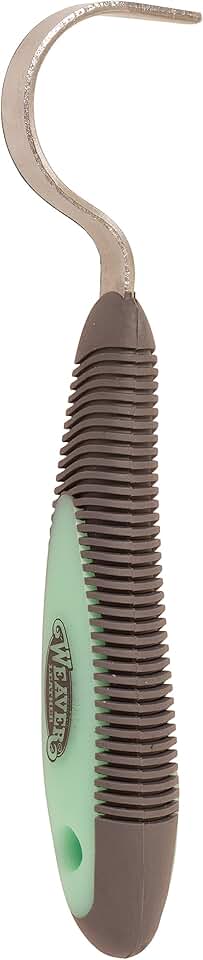
Durable construction for effective hoof cleaning · Ergonomic handle for comfortable grip · Designed to remove dirt, stones, and debris from hooves
This essential tool helps maintain hoof health by effectively removing debris, crucial for any horse owner.

Kills and repels a wide range of insects including flies, mosquitoes, and ticks · Long-lasting protection for horses and dogs · Can also be used on premises for comprehensive pest control
Protect your horse from bothersome and potentially disease-carrying insects with this powerful and versatile insecticide.
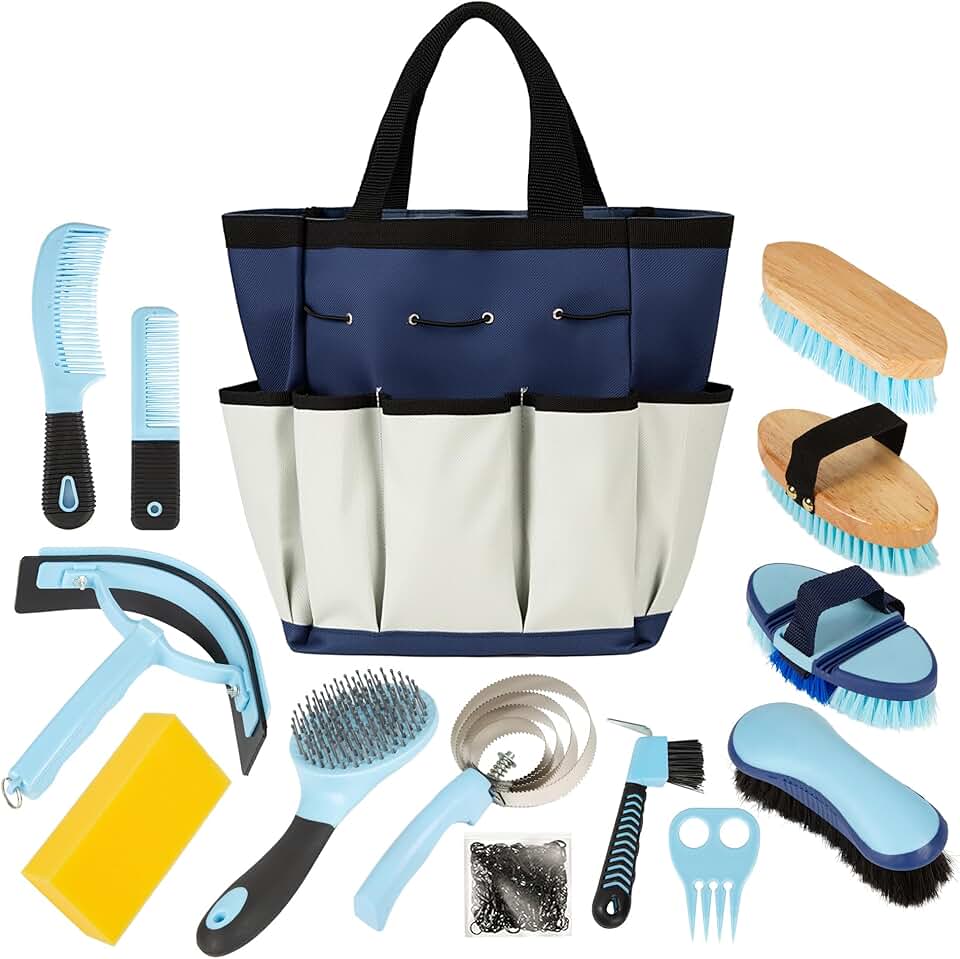
Comprehensive 14-piece set for all grooming needs · Includes various brushes, curry comb, and hoof pick · Comes with a waterproof storage tote bag for easy transport and organization
This complete grooming kit ensures your horse stays clean, healthy, and looking its best, with all necessary tools conveniently stored.

Comprehensive first aid kit for emergency preparedness · Includes essential medical supplies for various situations · Durable and organized bag, suitable for home, auto, or equestrian use
Preparedness is key in equestrian living; this robust first aid kit ensures you have essential medical supplies readily available for emergencies.

Durable nylon construction for longevity · Padded for horse comfort and adjustable for a secure fit · Features chin and throat snap hooks for easy on and off, ideal for training
A reliable and comfortable halter is fundamental for handling and training, making this adjustable nylon option a valuable addition to your tack.
As an Amazon Associate I earn from qualifying purchases. Prices may vary.
Trail Riding & Outdoor Access
Trail riding is a key part of the equestrian lifestyle for many. Access to well-maintained trails is a significant factor when choosing a city. While state and national parks offer networks, check their regulations regarding horses, as restrictions or permits may apply.
Converted railway lines, known as rail trails, offer flat and smooth surfaces for riding. Local trails maintained by riding clubs provide more challenging terrain and scenic views.
The American Trails organization offers resources for planning horse-friendly communities, including guidance on trail design, maintenance, and management. This can be helpful for advocating for more equestrian trails.
Be aware of restrictions or permits for trail riding. Some parks require specific vaccinations or negative Coggins tests. Always check regulations before riding.
Community & Equestrian Events
A strong equestrian community enhances horse ownership. Local shows, rodeos, and clinics offer opportunities to connect with others and share a passion for horses.
Active equestrian organizations and clubs indicate a strong community. These groups organize trail rides, clinics, and social events, providing information and support. Look for groups focused on specific disciplines like dressage, jumping, or Western riding.
Online communities and word-of-mouth recommendations are important for finding good riding locations. For example, a Facebook discussion mentioned Mt. Rogers in Virginia and Uwharie (Can Break Horse Camp) as favorite East Coast spots.
A strong equestrian community is built on people – a network of friends and mentors who share a love of horses and offer support.
Zoning & Regulations: What to Expect
Zoning regulations can be a hurdle for horse owners establishing property. Understand local rules on the number of horses per acre, barn building requirements, and manure management before buying land or building.
Many counties have minimum acreage requirements to prevent overgrazing and ensure space for manure disposal. Building permits, often requiring detailed plans and inspections for safety compliance, are typically needed for barns and stables.
Proper manure management is critical to prevent water contamination and odor. Regulations often require specific storage methods. Some counties offer assistance with removal or composting. American Trails provides guidance on sustainable property management.
Consulting a local land use attorney or planning official can help navigate complex zoning regulations and ensure compliance with laws. Ignoring these rules can lead to fines or legal action.
Standout Cities: A Closer Look
A few cities on this list stand out for their blend of amenities and community: Lexington, Kentucky; Aiken, South Carolina; and Parker, Colorado.
Lexington, Kentucky: The sheer concentration of equestrian professionals in Lexington is remarkable. From world-class veterinarians to renowned trainers, you’ll find everything you need to support your horse’s well-being. The surrounding countryside is dotted with beautiful horse farms, and the city itself has a charming, historic feel. The cost of living is relatively affordable compared to other equestrian hubs.
Aiken, South Carolina: Aiken’s relaxed atmosphere and sandy soil make it a popular destination for training and conditioning horses. The town has a strong sense of community, and there are plenty of opportunities to participate in equestrian events. The winters are mild, making it an ideal place to escape the cold weather. I spoke with local trainer Sarah Miller, who said, “Aiken is a special place. It’s a town where horses are truly part of the fabric of life.”
Parker, Colorado: Parker offers a more modern and family-friendly environment than some of the more traditional equestrian destinations. The town has excellent schools, parks, and recreational facilities. It’s also close to the Rocky Mountains, providing opportunities for hiking and other outdoor activities. Boarding options are diverse, ranging from small private stables to large boarding facilities. The area is growing rapidly, so it’s a good time to invest in property.
No comments yet. Be the first to share your thoughts!