
What actually makes a city horse-friendly
A horse-friendly city is more than just a patch of grass. You need a vet who answers the phone at 2 AM, a farrier who doesn't flake, and hay that isn't dusty. Without that local infrastructure, owning a horse becomes a full-time job in logistics rather than a hobby.
Defining the 'best' horse-friendly city is, admittedly, subjective. A dressage rider will prioritize different amenities than a trail rider or a barrel racer. Budget plays a huge role, as does lifestyle. Someone seeking a quiet retirement will have very different needs than a young family starting a breeding program. It’s about finding the right fit, not necessarily the place topping a list.
The demand for equestrian properties has been steadily increasing, especially as more people seek a connection with nature and a slower pace of life. This surge in demand, coupled with limited inventory in desirable areas, presents challenges for prospective buyers. Finding the right property often requires patience, flexibility, and a willingness to compromise. Competition can be fierce, and prices are often at a premium.
We at Best of Horse see this trend firsthand. People aren’t just buying land; they're investing in a lifestyle. They want a place where they can pursue their passion for horses, connect with like-minded individuals, and enjoy the beauty of the countryside. That’s what drives our focus on identifying and showcasing the best equestrian communities across the United States.
Top 10 equestrian cities for 2026
Markets move fast, so take these 2025 price averages as a starting point. These ten spots stand out because they have the zoning and the culture to support riders, though your mileage will vary based on whether you need a dressage arena or a cattle gate.
1. Ocala, Florida: Ocala is often called the 'Horse Capital of the World' for a reason. It boasts a massive equestrian infrastructure, including the World Equestrian Center, numerous training facilities, and a year-round show schedule. Average horse property prices range from $500,000 to $2 million+, depending on acreage and amenities. The community is incredibly strong, and access to veterinary and farrier services is excellent.
2. Lexington, Kentucky: Steeped in thoroughbred racing history, Lexington offers a refined equestrian lifestyle. The surrounding Bluegrass region is dotted with horse farms, and the city itself hosts numerous equestrian events. Horse property averages between $600,000 and $3 million+. The presence of Keeneland Race Course and several breed-specific organizations contribute to the vibrant community.
3. Aiken, South Carolina: Aiken has a long tradition of wintering thoroughbreds and a relaxed, welcoming atmosphere. The city maintains miles of bridle paths, and the equestrian community is very active. Expect to pay between $400,000 and $1.5 million for a horse property. The Aiken Horse Park Foundation actively works to preserve the area's equestrian heritage.
4. Parker, Colorado: Situated near Denver, Parker offers a blend of rural charm and urban convenience. There's a growing equestrian scene, with access to trails in the foothills and a number of boarding facilities. Horse properties typically range from $600,000 to $2 million+. The proximity to Denver provides access to a wider range of amenities.
5. Redmond, Washington: Located east of Seattle, Redmond provides a beautiful setting for horse ownership, with access to the Cascade Mountains and numerous riding trails. Average horse property prices are high, ranging from $800,000 to $3 million+. The equestrian community is relatively small but very dedicated.
6. Charlottesville, Virginia: Charlottesville offers a picturesque setting with rolling hills and a rich equestrian history. The area is home to several horse farms and training facilities. Horse properties generally range from $500,000 to $2.5 million+. The University of Virginia adds a cultural element to the area.
7. Tryon, North Carolina: Tryon has rapidly emerged as a major equestrian center, hosting international competitions at the Tryon International Equestrian Center. Property prices have increased accordingly, ranging from $400,000 to $1.8 million+. The community is growing and diversifying.
8. Temecula, California: Located in Southern California wine country, Temecula offers a Mediterranean climate and a growing equestrian scene. Horse properties average between $700,000 and $2.5 million+. Access to trails and equestrian events is good.
9. Pilot Point, Texas: North of Dallas, Pilot Point provides a more affordable option for horse owners, with larger properties available at lower prices. Horse properties range from $300,000 to $1 million+. The area is experiencing growth, but still retains a rural character.
10. Middleburg, Virginia: Middleburg is known for its historic charm and strong equestrian culture. It’s a popular destination for foxhunting and steeplechasing. Horse properties are expensive, ranging from $800,000 to $3 million+. The area is well-maintained and attracts a discerning clientele.
Best Horse-Friendly Cities in the United States 2026
| City | State | Average Property Price (acres+) | Trail Access (1-5) | Equestrian Community (1-5) | Vet/Farrier Access (1-5) | Overall Score (Weighted Average) |
|---|---|---|---|---|---|---|
| Ocala | Florida | Generally over $500,000 | 4 | 5 | 5 | 4.6 |
| Lexington | Kentucky | Typically $400,000+ | 4 | 5 | 4 | 4.3 |
| Parker | Colorado | Often $800,000+ | 3 | 4 | 4 | 3.7 |
| Pilot Point | Texas | Ranges from $300,000+ | 3 | 4 | 3 | 3.4 |
| Shelbyville | Tennessee | Around $450,000+ | 4 | 4 | 4 | 4.0 |
| Temecula | California | Frequently $900,000+ | 3 | 3 | 4 | 3.3 |
| Tryon | North Carolina | Generally $400,000+ | 4 | 4 | 3 | 3.8 |
| Boerne | Texas | Starts around $400,000+ | 3 | 3 | 3 | 3.2 |
Illustrative comparison based on the article research brief. Verify current pricing, limits, and product details in the official docs before relying on it.
Choosing the right property type
The type of horse property you choose will depend on your needs and goals. Small hobby farms, typically ranging from 5 to 10 acres, are ideal for a few horses and offer a balance of space and manageability. These are great for recreational riders or those with a small breeding program. However, zoning restrictions may limit commercial activities.
Larger breeding operations require significantly more acreage – often 20 acres or more – and specialized infrastructure, such as breeding barns, foaling stalls, and paddocks. These properties are more expensive to maintain and require a significant time commitment. Zoning regulations are particularly important to consider.
Boarding facilities offer the opportunity to generate income by providing stabling and care for other people's horses. These properties require careful planning and adherence to local regulations. Liability insurance is essential.
Properties with existing equestrian infrastructure – barns, arenas, trails – can save you time and money, but may also come with pre-existing issues. A thorough inspection is crucial to identify any potential problems. Zoning can sometimes restrict changes to existing structures.
- Check the zoning for livestock limits before you sign anything.
- Consider the topography of the land.
- Assess the water availability.
- Evaluate the condition of existing structures.
Essential Horse Care Products for Your Equestrian Lifestyle
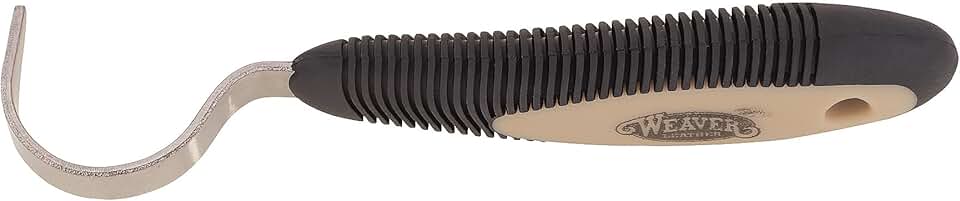
Durable metal construction for effective hoof cleaning · Ergonomic handle for a comfortable grip · Designed to remove dirt, stones, and debris from hooves
This essential tool helps maintain hoof health by effectively removing debris.

Formulated with natural essential oils to repel flies and insects · Safe for use on horses and dogs · Provides effective, long-lasting protection
Keep your horse comfortable and protected from biting insects with this natural, effective repellent.

Multiple compartments for organizing grooming tools · Durable construction for long-lasting use · Portable design for easy transport to shows or different barn areas
This organizer keeps all your essential grooming supplies tidy and accessible.

Provides essential minerals and electrolytes for horse health · Loose mineral form encourages natural consumption · Supports hydration and overall well-being
This supplement ensures your horse receives vital minerals and electrolytes for optimal health.
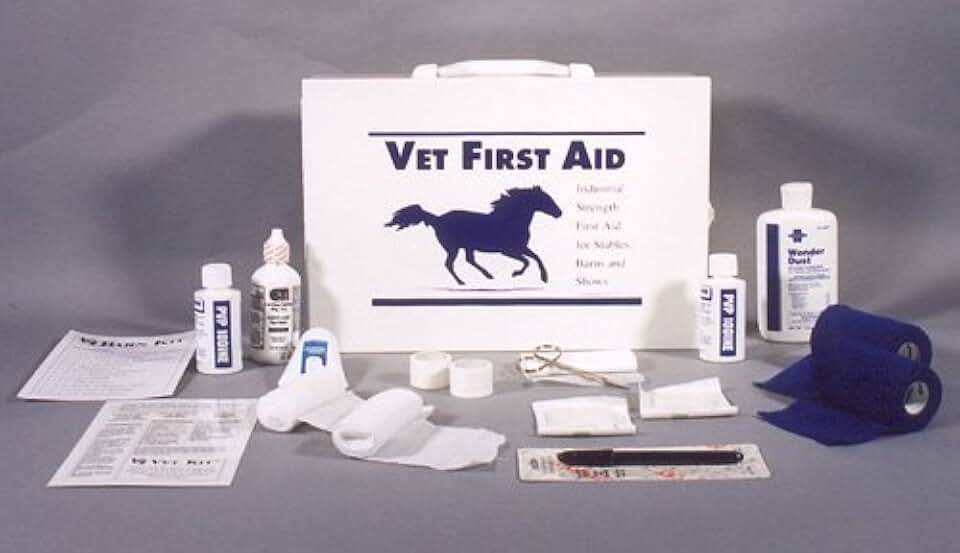
Comprehensive collection of supplies for common equine injuries · Includes bandages, wraps, antiseptic wipes, and more · Essential for prompt and effective treatment of minor wounds
Be prepared for any equine emergency with this well-stocked first aid kit.
As an Amazon Associate I earn from qualifying purchases. Prices may vary.
No comments yet. Be the first to share your thoughts!