

The high cost of new weather extremes
Managing a horse property is getting harder. In 2022, Kentucky saw floods that wiped out farms, while the West is stuck in a cycle of drought and fire. These aren't just bad luck; they are the new baseline for anyone trying to keep horses safe and stay solvent.
The frequency and intensity of these events are what’s truly concerning. A single hurricane can wipe out fencing and damage barns, while a prolonged drought can decimate pastures and strain water resources. It’s not simply about preparing for a storm, but preparing for the increased likelihood of multiple disruptions within a single year, or even a single season. The cost of recovering from these events is also rising.
Regional differences are significant. Florida and the Gulf Coast are battling stronger hurricanes and rising sea levels, while states like Arizona and Nevada are grappling with record-breaking heat and water scarcity. Montana and Colorado are seeing more intense wildfires and unpredictable snowpack. This means a one-size-fits-all approach to climate resilience won’t work. Property owners must tailor their preparations to their specific location and the risks they face.
Homeowners insurance rates are climbing dramatically in areas prone to natural disasters. In Florida, for example, premiums have risen over 40% in the last two years, and some insurers are pulling out of the state altogether. This makes proactive risk management – and investing in climate-resilient features – not just a good idea, but a financial necessity. The market for horse properties reflects this, with buyers increasingly factoring in climate risks when making purchasing decisions.
Water storage and well security
Water is arguably the most critical resource for horse properties, and its availability is becoming increasingly uncertain. Effective water management goes far beyond simply cleaning out rain gutters. Rainwater harvesting is a great starting point, offering a sustainable and often cost-effective way to supplement water supplies. Tank materials range from polyethylene (relatively inexpensive) to concrete or steel (more durable, but also more expensive).
Filtration is essential for rainwater harvesting, to remove debris, bacteria, and other contaminants. Legal considerations also come into play; many states and municipalities have regulations regarding rainwater harvesting, including permit requirements and restrictions on tank size or usage. Well water security is equally important. A backup generator is crucial for maintaining water supply during power outages, and wellhead protection measures can help prevent contamination.
Efficient irrigation systems are vital for preserving water resources. Consider switching from traditional sprinkler systems to drip irrigation or micro-sprinklers, which deliver water directly to plant roots, minimizing waste. Drought-tolerant forage varieties, like alfalfa or Bermuda grass, can significantly reduce your irrigation needs. Remember that water quality is just as important as quantity; regular water testing can identify potential problems and ensure the health of your horses.
- Polyethylene tanks are the cheapest and easiest to move, though they won't last as long as masonry.
- Concrete cisterns are permanent and keep water cooler, but you'll need a contractor to pour them.
- Steel tanks: Strong and durable, but prone to rust if not properly maintained.
Shelter Upgrades: Heat & Cold Resistance
Barns and run-in shelters are essential for protecting horses from the elements, but many existing structures weren't designed to withstand the extremes we're now seeing. When considering upgrades, focus on materials that offer both insulation and fire resistance. Metal roofing, while durable, can become intensely hot in direct sunlight, so consider adding a reflective coating or installing a ventilated attic space.
Ventilation is key to mitigating heat stress. Natural ventilation, through strategically placed windows and doors, is the most energy-efficient option. Fans can supplement natural ventilation, and misters can provide additional cooling. In colder climates, proper insulation is crucial to conserve energy and keep horses warm. Consider adding insulation to walls and roofs, and sealing any cracks or gaps that could let in drafts.
Shade structures – trees, shade cloths, or covered runs – are essential for providing relief from the sun. Windbreaks, such as rows of trees or shrubs, can help protect horses from harsh winds. For emergency situations, having a plan for temporary shelter is vital. This could involve setting up portable stalls or using tarps to create makeshift shelters. Often, small improvements to existing structures are more practical than a complete rebuild.
Powering Through: Backup Systems & Energy Efficiency
Power outages are becoming increasingly common, and they can quickly create a crisis on a horse property. A generator is your first line of defense. Propane and diesel generators are reliable options, but require fuel storage and regular maintenance. Solar generators are a cleaner, quieter alternative, but their capacity is limited. Sizing your generator correctly is crucial – consider the power needs of your well pump, barn lights, and any other essential equipment.
Solar power is an increasingly viable option for horse properties, even if you don’t go fully off-grid. Solar panels can supplement your existing power supply, reducing your reliance on the grid and lowering your electricity bills. Net metering programs, available in many states, allow you to sell excess solar power back to the utility company. The initial investment can be significant, but federal tax credits and state incentives can help offset the cost.
Efficiency matters because it lowers the load your backup system has to carry. LEDs and proper insulation are basic fixes. I recommend a manual hand pump for your well as a final fail-safe; it’s a workout, but it works when the batteries die.
- Portable Generators: Relatively inexpensive, but require fuel and regular maintenance.
- Whole-House Generators: Automatically switch on during a power outage, but are more expensive to install.
- Solar Generators: Clean, quiet, and require no fuel, but have limited capacity.
Essential Backup Power Solutions for Climate-Resilient Horse Properties

4000 peak watts of power · Dual fuel capability (gas and propane) · Super quiet operation
This generator provides reliable backup power for essential operations during outages, with the flexibility of using either gasoline or propane.
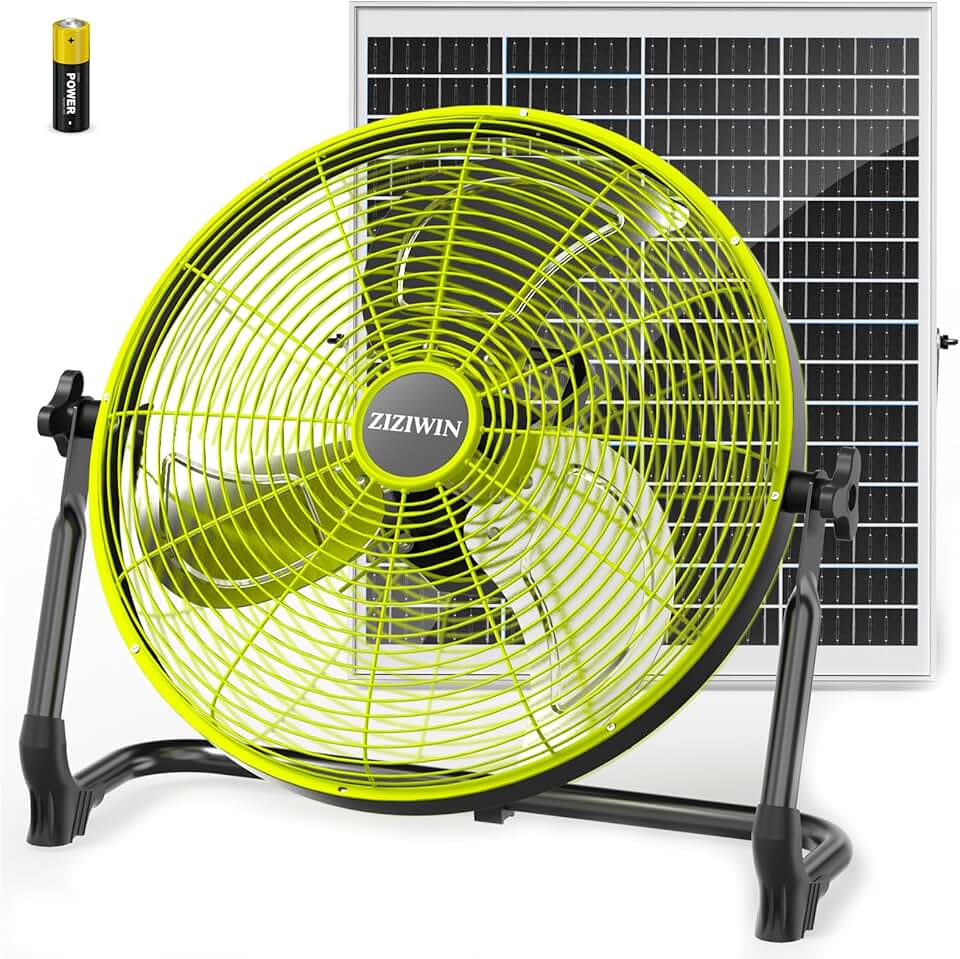
35W solar powered fan · Rechargeable battery for cordless operation · 360° tilt for directional airflow
This solar-powered fan offers ventilation for animal shelters or greenhouses without relying on grid power, ensuring air circulation during warm weather or power failures.

2000W sump pump battery backup · Automatic shift to inverter power · Ensures uninterrupted operation
This sump pump backup system guarantees continuous operation of critical water removal systems, preventing flooding during power outages.
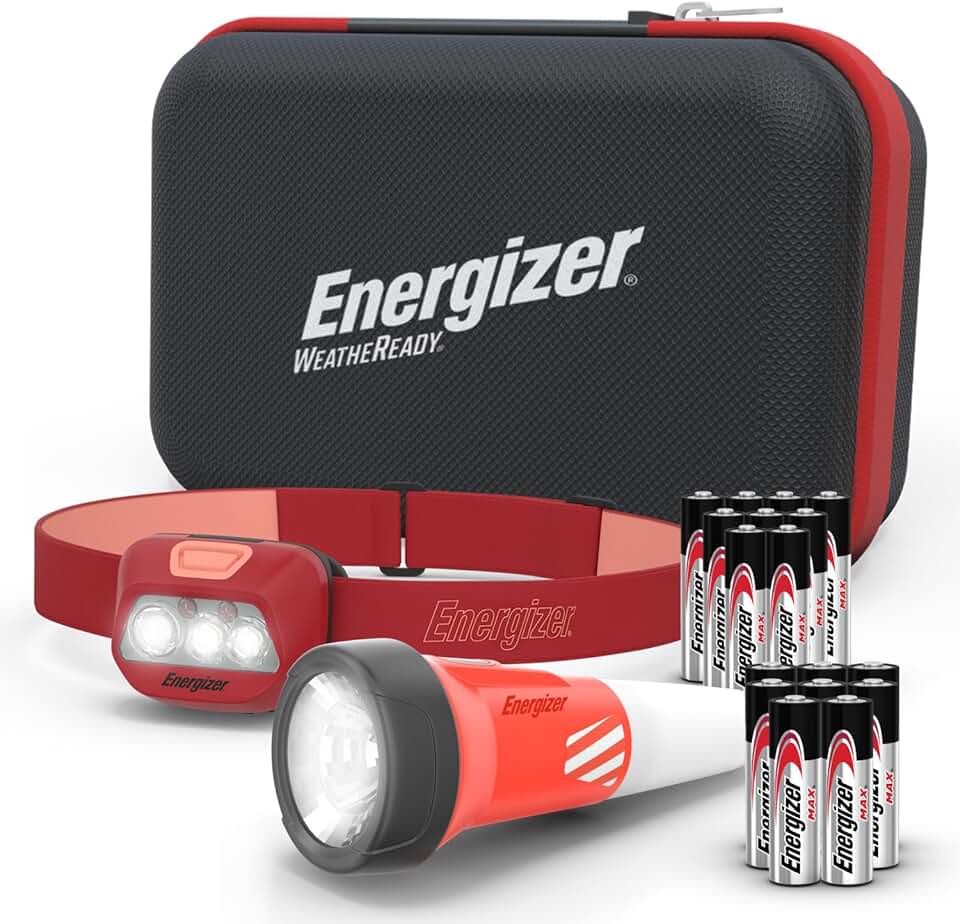
2-in-1 LED flashlight lantern · LED headlamp · IPX4 water-resistant
This kit provides essential lighting solutions for navigating and performing tasks in the dark during power outages, with durable and water-resistant components.

5000mAh weather radio · Solar and hand crank charging · AM/FM/SW/NOAA weather alerts
This multi-functional emergency radio keeps you informed with weather alerts, provides light, and can charge devices, ensuring communication and safety during severe weather events.
As an Amazon Associate I earn from qualifying purchases. Prices may vary.
Firewise Landscaping: Defensible Space
Wildfire risk is a growing concern for horse property owners, particularly in the Western United States. Creating defensible space around your barns and pastures is the most effective way to protect your property. This involves removing flammable vegetation, such as dry grass, brush, and trees, within a specified distance of your structures. The exact distance will vary depending on local regulations and the type of vegetation.
Choose fire-resistant plant species for landscaping. Avoid plants with oily or resinous foliage, and opt for deciduous trees and shrubs instead of conifers. Keep lawns mowed short and regularly remove dead leaves and branches. Proper brush clearing and debris removal are essential. This includes removing firewood piles from near structures and regularly cleaning gutters.
Having a fire evacuation plan for your horses is crucial. This plan should include a designated evacuation route, a meeting point, and a way to transport your horses safely. Practice your evacuation plan regularly to ensure that everyone knows what to do in an emergency. Don't underestimate the importance of clear signage and communication. This isn't just about aesthetics; it's about giving your property the best chance of surviving a wildfire.
Fencing that survives a flood
Fencing is often the first thing to go during a severe weather event. Traditional wood fences are vulnerable to rot, storm damage, and flooding. Consider upgrading to more durable materials, such as vinyl, composite, or metal. Vinyl fencing is relatively low-maintenance and can withstand high winds, but it can become brittle in extreme cold. Composite fencing offers a good balance of durability and aesthetics.
Reinforcing existing fences can also improve their resilience. Adding bracing to posts, using heavier-gauge wire, and ensuring proper post installation can significantly increase their strength. Proper drainage is essential, particularly in flood-prone areas. Ensure that fences are not obstructing natural drainage patterns and consider installing drainage ditches or culverts to divert water away from fence posts.
Fencing designs should accommodate fluctuating water levels. In flood zones, consider using high-tensile wire fencing with flexible posts that can bend without breaking. Avoid building fences directly in waterways, as this can exacerbate flooding. It's also a good idea to inspect your fences regularly for damage and make repairs promptly. A well-maintained fence is a resilient fence.
No comments yet. Be the first to share your thoughts!