
Horse Property Hotspots: A National View
The horse property market across the United States is currently experiencing a fascinating dynamic. We've seen a significant increase in demand for rural properties since 2020, a trend largely fueled by a desire for more space and a shift in lifestyle priorities. This demand isn’t uniform, though. The Western and Eastern states present distinctly different opportunities and challenges for prospective buyers and investors.
Generally, land prices are lower in the West, but often come with complications regarding water rights and accessibility. The East tends to have smaller properties at higher price points, but benefits from established equestrian infrastructure and proximity to larger population centers. These differences aren't just about dollars and cents; they also reflect differing lifestyles and equestrian traditions.
Population shifts are also playing a role. While some areas are seeing an influx of new residents seeking a rural lifestyle, others are grappling with increasing urbanization, which puts pressure on available land and drives up prices. Understanding these regional variations is crucial for anyone considering a horse property investment. I believe careful research and a clear understanding of your priorities are more important now than ever.
The market is competitive. Properties in desirable locations, particularly those with existing equestrian facilities, are moving quickly. It's a good time to be looking, but it requires a strategic approach and a willingness to act decisively. A thorough horse property search is the first step to finding your perfect piece of land.
Western States: Land & Lifestyle Costs
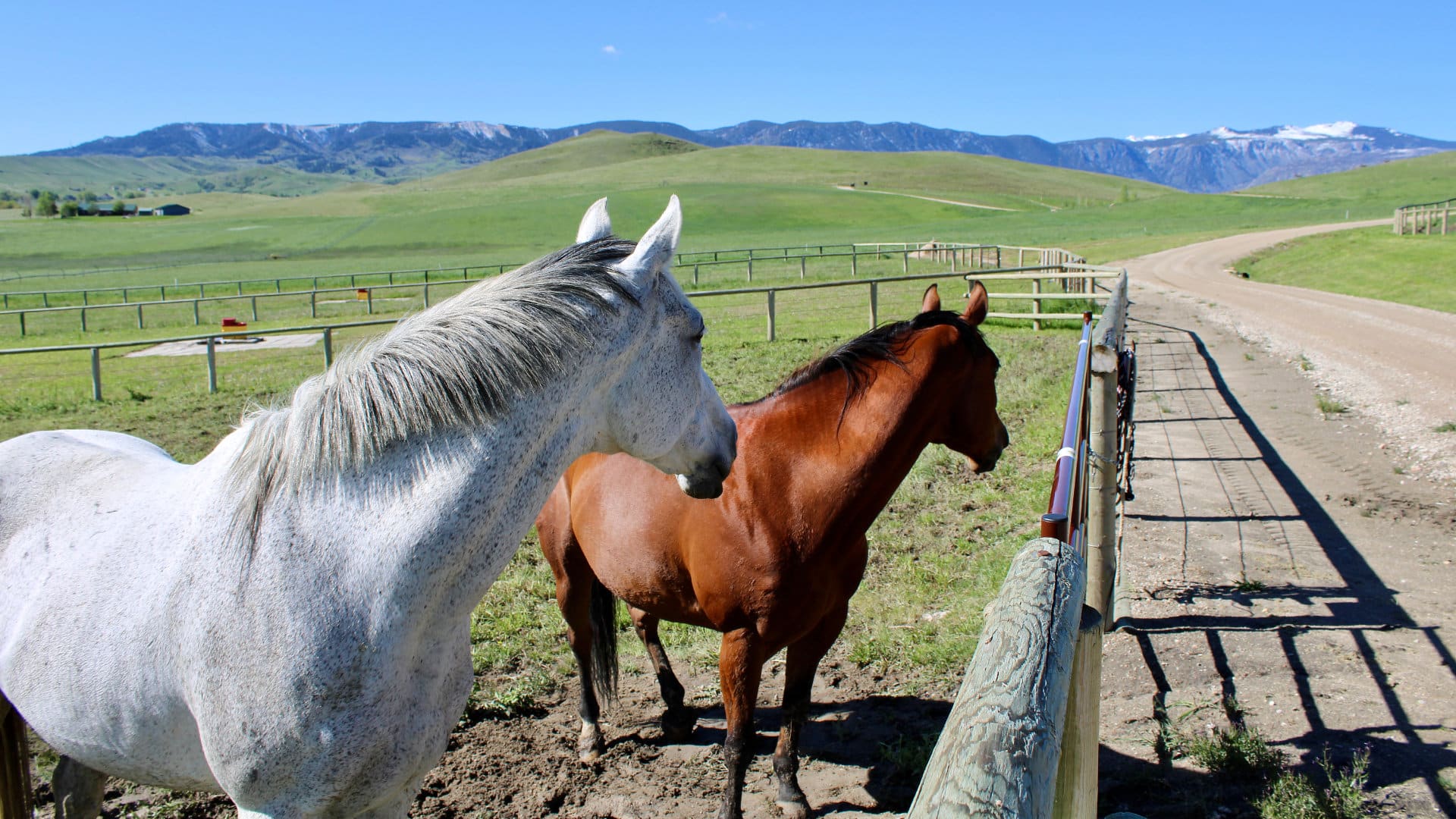
The Western United States – Montana, Wyoming, Colorado, Idaho, and Texas, in particular – offers the allure of wide-open spaces and relatively affordable land. However, the cost of establishing and maintaining a horse property can quickly add up. Land prices vary dramatically, but you can often find acreage for significantly less than in the East. In Wyoming, for example, prices can range from $1,000 to $5,000 per acre, depending on location and water access.
Water rights are the single biggest concern in many Western states. In arid regions, securing adequate water for livestock and irrigation can be a complex and expensive undertaking. It’s not just about having water; it's about legally owning the right to use it. You need to understand the local water laws and regulations before purchasing any property.
Texas presents a slightly different picture. While land prices are generally lower, the state experiences periods of drought, and water availability can be a concern in some areas. However, Texas also boasts a thriving equestrian community and a strong agricultural economy. Property sizes are often larger, catering to both hobby farms and larger ranching operations.
The trend towards smaller 'hobby farms' is growing in the West. Many people are seeking a rural lifestyle without the commitment of a full-scale ranch. These smaller properties typically range from 5 to 20 acres and are ideal for a few horses and other livestock. This increased demand is driving up prices in certain areas, so it’s important to be aware of local market conditions.
Infrastructure costs can be substantial. Many Western properties are located in remote areas, requiring investments in well drilling, septic systems, and access roads. Electricity and internet access can also be limited. It's essential to factor these costs into your budget. A seemingly cheap piece of land can quickly become expensive once you start adding up the necessary improvements.
Colorado and Idaho are seeing increased demand, which is pushing prices up. These states offer a good balance of affordability, accessibility, and equestrian amenities. However, competition is fierce, and properties in desirable locations are often snapped up quickly. I’ve noticed a significant increase in out-of-state buyers in these markets.
Eastern States: Tradition & Accessibility
The Eastern United States – Virginia, Kentucky, Tennessee, North Carolina, and Florida – offers a different set of advantages. These states generally have more consistent rainfall, established equestrian communities, and closer proximity to major cities. This makes them attractive to buyers who want the convenience of city life with the enjoyment of horse ownership. The concentration of equestrian events throughout these states is substantial.
Land prices in the East are typically higher than in the West. In Virginia horse country, for example, acreage can easily cost $10,000 to $30,000 per acre, or even more in prime locations. However, the infrastructure is often already in place, including access to utilities, veterinary services, and farriers. This can save you significant time and money in the long run.
Kentucky, of course, is synonymous with horses. The state boasts a rich equestrian heritage and a thriving thoroughbred industry. Land prices are comparable to Virginia, but the equestrian culture is even more deeply ingrained. Tennessee and North Carolina offer more affordable options, particularly in the foothills of the Appalachian Mountains.
Florida’s horse property market is unique. The state is a major center for show jumping and dressage, and land prices are relatively high, especially in South Florida. However, the warm climate and year-round riding season make it a popular destination for equestrians. I’ve observed a consistent demand for horse properties in the Ocala area.
The increasing urbanization of the East is putting pressure on available land. As cities expand, horse properties are becoming increasingly rare and valuable. This is driving up prices and making it more difficult to find suitable properties. It's a trend that I expect to continue in the coming years. The challenge will be balancing the desire for rural living with the realities of a growing population.
BLM Land & Western Opportunities
The Bureau of Land Management (BLM) offers a unique opportunity to acquire land in the Western United States at a relatively low cost. The BLM manages over 245 million acres of public land, and some of this land is available for purchase through a variety of programs. The process can be complex, but the potential rewards are significant.
Acquiring BLM land typically involves a competitive bidding process. The BLM holds auctions where prospective buyers can bid on parcels of land. There are also opportunities to purchase land directly from the BLM through a non-competitive sale process, but these opportunities are less common. You can find information about available land and upcoming auctions on the BLM website:
However, there are drawbacks to consider. BLM land is often located in remote areas with limited access to utilities and services. There may also be restrictions on how the land can be used. It's crucial to carefully review the terms and conditions of the sale before submitting a bid. The regulations surrounding BLM land can be incredibly complex, and I strongly recommend consulting with a real estate attorney experienced in BLM land transactions.
The benefits of owning BLM land include lower cost, access to vast open spaces, and the opportunity to live a self-sufficient lifestyle. It’s a good option for those willing to put in the effort to overcome the challenges. It’s important to remember that owning BLM land is not the same as owning private land. There are different rules and regulations that apply, and you need to be aware of them.
- BLM Website: – Primary resource for land availability and auction information
- State BLM Offices: Contact the BLM office in the state you’re interested in for specific information about local regulations and opportunities
- Real Estate Attorney: Essential for navigating the complexities of BLM land transactions
BLM Land vs. Private Land: Investment Considerations - Western US (Qualitative Assessment for 2026)
| Cost | Restrictions | Water Rights | Accessibility | Maintenance Responsibility |
|---|---|---|---|---|
| High | High | Low | Variable | High |
| Medium | Medium | Medium | Medium | Medium |
| Low | Low | High | Limited | Low |
| Variable | High | Low | High | Medium |
| Medium | Medium | Medium | Medium | High |
| High | Low | Medium | Variable | Medium |
Illustrative comparison based on the article research brief. Verify current pricing, limits, and product details in the official docs before relying on it.
2026 Investment Projections: Top 5 Markets
Predicting the future is always difficult, but based on current trends and expert analysis, here are my projections for the top 5 horse property investment markets in both the West and the East for 2026. These selections are based on factors like projected appreciation rates, local economic conditions, and the strength of the equestrian community. I'm focusing on areas that I believe offer the best combination of potential return and lifestyle benefits.
Western Markets:
1. Boise, Idaho: The Boise area has experienced rapid growth in recent years, and this trend is expected to continue. The equestrian community is thriving, and there's a strong demand for horse properties. The proximity to outdoor recreation opportunities is also a major draw.
2. Bozeman, Montana: Bozeman is another rapidly growing market with a strong equestrian tradition. The area offers stunning scenery and access to vast open spaces. Land prices are increasing, but there's still potential for appreciation.
3. Parker County, Texas: Located west of Fort Worth, Parker County offers a more affordable option than some of the other Western markets. The area has a strong agricultural economy and a growing equestrian community.
4. Loveland, Colorado: Situated near the foothills of the Rocky Mountains, Loveland offers a good balance of affordability, accessibility, and equestrian amenities. The area is also experiencing population growth.
5. Reno, Nevada: While often overlooked, Reno is becoming an increasingly popular destination for equestrians. The area offers a dry climate, affordable land prices, and access to outdoor recreation opportunities.
Eastern Markets:
1. Ocala, Florida: Ocala is a world-renowned center for horse show jumping and dressage. The area boasts a warm climate, year-round riding season, and a thriving equestrian community. Property values are high, but the demand remains strong.
2. Charlottesville, Virginia: Located in the heart of Virginia horse country, Charlottesville offers a rich equestrian heritage and a beautiful rural setting. Land prices are high, but the area is highly desirable.
3. Lexington, Kentucky: As the 'Horse Capital of the World,' Lexington is a prime location for horse property investment. The area boasts a strong thoroughbred industry and a vibrant equestrian community.
4. Tryon, North Carolina: Tryon is home to the Tryon International Equestrian Center, a world-class equestrian facility. The area is attracting a growing number of equestrians and investors.
5. Sumter County, South Carolina: Offering a more affordable entry point into the Eastern equestrian market, Sumter County is seeing increased interest from buyers seeking a rural lifestyle with horse amenities.
Essential Tools for Maintaining Your Horse Property Investment

Powerful 72cc, 2-stroke gas engine for efficient digging · Includes 4", 6", and 12" auger bits for various hole sizes · Comes with two extension rods for increased digging depth
This post hole digger simplifies the installation of fences and structures, essential for property setup and maintenance.

Multi-tool functionality for various fencing tasks · Durable construction for long-lasting use · 10.8-inch size offers good leverage
Essential for efficient fence repair and installation, these pliers are a versatile addition to any equestrian's toolkit.

Durable construction for livestock use · 50-gallon capacity · Designed for easy handling and placement
A reliable water source is fundamental for livestock health and property management, making this stock tank a practical investment.

4 cu. ft. capacity for hauling materials · Easy dump design for convenient unloading · 10-inch pneumatic tires for smooth transport over various terrains
This garden cart wagon facilitates the transport of feed, soil, and other essential supplies, streamlining property upkeep.

Tests electric fence voltage accurately · Backlit display for easy reading in all lighting conditions · Compact, pocket-sized design for portability
Ensuring the integrity of electric fences is vital for containment and safety, making this tester a crucial maintenance tool.
As an Amazon Associate I earn from qualifying purchases. Prices may vary.
Financing & Legal Considerations
Financing horse properties can be more challenging than financing traditional residential properties. Lenders often require larger down payments and may have stricter credit requirements. Agricultural loans are frequently used to finance horse properties, but these loans typically have different terms and conditions than conventional mortgages.
Appraisals can also be tricky. It's important to work with an appraiser who has experience valuing horse properties. They need to understand the value of equestrian facilities, such as barns, arenas, and fencing. Water rights are a critical component of the appraisal in Western states.
Legal considerations are equally important. Water rights, easements, and zoning regulations can all impact the value and usability of a horse property. It's essential to conduct a thorough title search and review all relevant legal documents before making a purchase. A real estate attorney specializing in horse properties can provide valuable guidance.
Don't rely solely on the information provided by the seller or real estate agent. Conduct your own research and seek professional advice. A small investment in legal and financial expertise can save you a lot of headaches down the road. Resources at bestofhorse.com offer guides to legal and financial aspects of horse property ownership.
Community & Equestrian Infrastructure
Beyond land prices and financing, the strength of the local equestrian community and the availability of equestrian infrastructure are crucial factors to consider. Access to trails, veterinary services, farriers, feed stores, and horse shows can significantly enhance your enjoyment of horse ownership.
States like Kentucky, Virginia, and Florida have well-established equestrian communities with a wide range of amenities. These states host numerous horse shows and events throughout the year, providing opportunities for riders of all levels to compete and socialize. The presence of reputable veterinary clinics and farriers is also essential.
In the West, the equestrian community is often more dispersed, but there are still pockets of activity. Areas around Boise, Idaho, and Bozeman, Montana, have seen a growth in equestrian facilities and events. The Bureau of Land Management also offers access to vast trail networks, providing opportunities for backcountry riding.
I wish I had specific data on the number of horse events held in different states, but that information is difficult to obtain. However, you can often find information about local events on state equestrian federation websites and online event calendars. Ultimately, choosing a location with a strong equestrian community and adequate infrastructure will greatly enhance your horse property experience.

No comments yet. Be the first to share your thoughts!