
What the budget buys
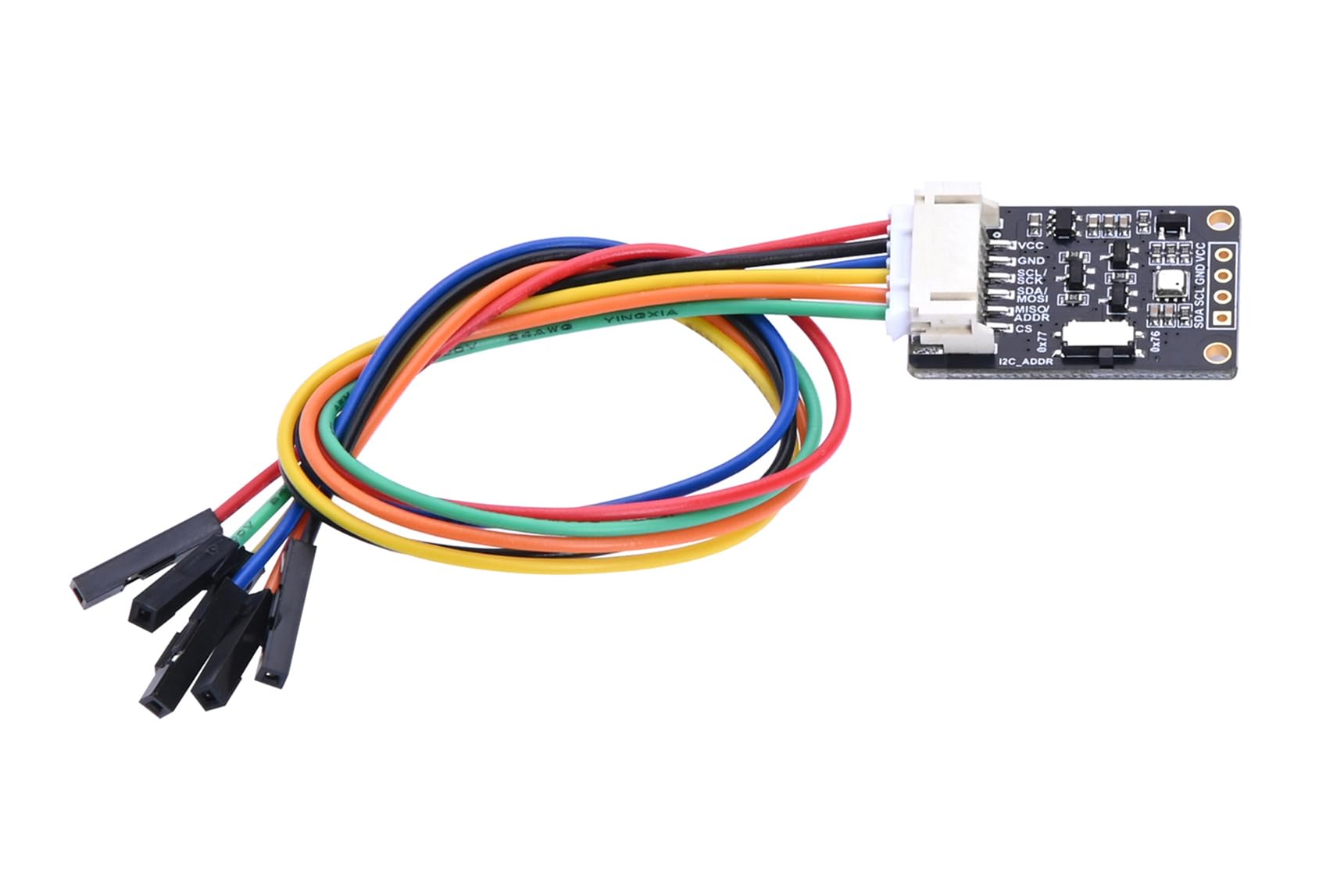
The price of smart horse management technology in 2026 depends heavily on your property’s current infrastructure and the age of your existing equipment. A $500 entry-level setup typically covers basic environmental monitoring, such as temperature and humidity sensors in a single stall, paired with a manual feed dispenser. This tier automates the most repetitive daily tasks, like logging stable conditions, but requires you to interpret the data yourself.
Spending between $2,000 and $5,000 unlocks integrated systems that connect environmental sensors with automated feeding and watering stations. These mid-range solutions often include wearable tech for real-time health tracking, allowing you to monitor heart rate and activity levels without constant physical checks. This is where the technology begins to save significant labor hours, shifting your role from data collector to data analyst.
Budgets exceeding $10,000 are reserved for full-property automation, including AI-driven analytics platforms that predict health issues before they become critical. These systems integrate with existing farm management software, offering a holistic view of herd health and operational efficiency. The tradeoff is higher upfront complexity and the need for reliable internet connectivity across the entire equestrian property.
- Real-time monitoring
- Easy installation
- Mobile app alerts


As an Amazon Associate, we may earn from qualifying purchases.
Models worth checking first
The equestrian technology market in 2026 has moved past the experimental phase into practical, daily utility. Rather than chasing every new gadget, the most effective management strategies rely on a few proven categories that address the biggest time sinks: health monitoring, automated feeding, and facility security.
When comparing options, focus on how well the hardware integrates with existing stable infrastructure. A standalone sensor is less valuable than a system that feeds data directly into a barn management dashboard. The following comparison highlights the strongest current models across three primary use cases, allowing you to weigh capabilities against real-world constraints.
| Category | Primary Function | Integration Level | Typical Use Case |
|---|---|---|---|
| Wearable Health Monitors | Real-time vital signs and activity tracking | High (API/Cloud Dashboards) | Post-race recovery and injury prevention |
| Automated Feeding Systems | Precise portion control and scheduling | Medium (Local App Control) | Managing complex dietary plans for multiple horses |
| Smart Barn Sensors | Environmental monitoring (ammonia, temp, humidity) | Low to Medium (Alert-based) | Preventing respiratory issues and optimizing ventilation |
| GPS Tracking Collars | Location tracking and pasture boundary alerts | High (Real-time Maps) | Large acreage grazing and theft prevention |
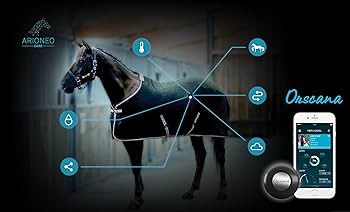
Wearable health monitors have become the standard for performance horses. These devices track heart rate variability, resting heart rate, and movement patterns, providing early warnings for potential health issues. The key differentiator is data accuracy; look for models validated by veterinary professionals rather than consumer fitness trackers.
Automated feeding systems offer significant labor savings for facilities with diverse dietary needs. By programming specific portions for individual horses, managers reduce the risk of overfeeding or underfeeding. While the upfront cost is higher, the reduction in daily manual labor often justifies the investment for properties with more than five horses.
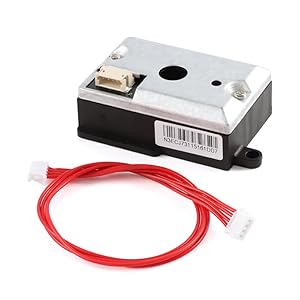
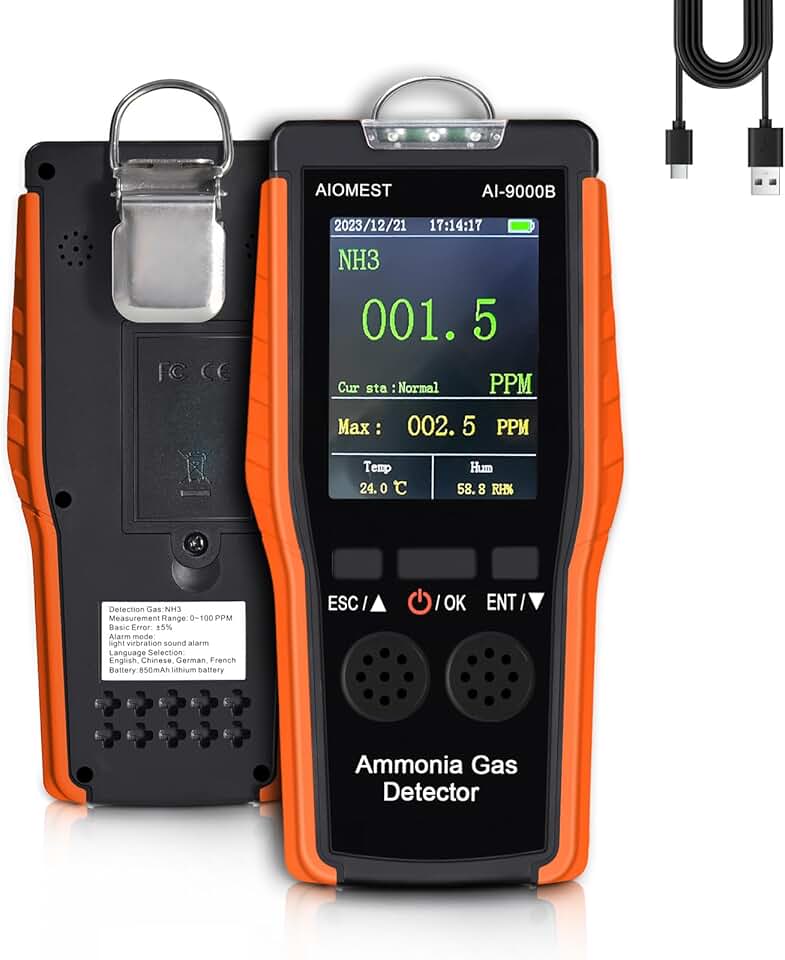
Smart barn sensors focus on environmental health. Ammonia detection is particularly critical, as high levels can lead to chronic respiratory conditions like heaves. These systems typically send alerts when air quality drops, allowing staff to adjust ventilation before problems escalate.

As an Amazon Associate, we may earn from qualifying purchases.
GPS tracking collars remain essential for large properties where horses roam freely. Modern models offer geofencing capabilities, sending immediate notifications if a horse crosses a designated boundary. This feature is invaluable for preventing loss and ensuring safety during turnout.
Choosing the right model depends on your specific pain points. If labor is your biggest constraint, automated feeding or health monitoring may offer the highest return. If environmental control is a concern, smart sensors provide peace of mind. The best setups often combine two or more of these systems for comprehensive management.
Check before you buy
Use this section to make the Smart Horse Management Technology Trends Transforming Equestrian Properties in decision easier to compare in real life, not just on paper. Start with the reader's actual constraint, then separate must-have requirements from details that are merely nice to have. A practical choice should survive normal use, maintenance, timing, and budget. If a recommendation only works in an ideal situation, call that out plainly and give the reader a fallback path.
-
Verify the basicsConfirm the core specs, condition, and fit before comparing extras.
-
Price the downsideLook for the repair, maintenance, or replacement cost that would change the decision.
-
Compare alternativesCheck at least two comparable options before treating one listing as the benchmark.
Costs that change the math
Buying a smart barn system or a connected stall sensor is only the first expense. The real financial test comes in the months that follow, when maintenance, software subscriptions, and unexpected repairs begin to add up. A $500 sensor that fails after six months costs more than a $1,500 unit that lasts five years. In equestrian property management, the cheapest upfront option often becomes the most expensive over time.
Maintenance surprises are common with any technology integrated into a stable environment. Dust, moisture, and impact from hooves or equipment can damage sensitive electronics. If a smart waterer’s internal valve breaks, you are not just paying for the part; you are paying for the downtime while the horse waits. Routine checks of wiring, seals, and battery levels are not optional—they are part of the ownership cost.
When a cheap buy stops being cheap, it usually looks like this: frequent breakdowns, unsupported software, or a lack of local repair options. If you cannot get a replacement part within 48 hours, your operational efficiency drops. Smart technology should save time and money, not create new headaches. Before committing to a system, ask how long the manufacturer supports it and what happens when the warranty expires.


As an Amazon Associate, we may earn from qualifying purchases.
Common questions about smart horse management technology
Adopting smart technology for your equestrian property involves practical considerations that go beyond initial cost. Understanding how these systems integrate with daily routines helps separate marketing hype from functional upgrades.
Is the horse software market growing fast enough to justify the investment?
The sector is expanding rapidly. The horse software market was valued at $6.07 billion in 2025 and is projected to grow at a compound annual growth rate of 14.19% through 2033. This trajectory suggests that smart stable technology is shifting from occasional novelty to routine management, providing measurable data rather than assumptions.
What specific tasks does automation handle first?
The first wave of adoption focuses on automating repetitive, time-consuming tasks. This includes monitoring environmental conditions in stalls and tracking basic health metrics. By removing these manual checks, owners can focus on direct horse care and training rather than data entry.
How do wearables change veterinary care?
Wearables and sensors enable real-time data collection on horse health and rider technique. This allows for personalized training adjustments and early detection of health issues before they become critical. The shift from reactive to proactive care is reshaping how veterinarians and owners approach welfare management.
Can these systems work without constant internet access?
Most modern smart stable gadgets are designed to store data locally and sync when connectivity is restored. This ensures that health and security monitoring continues uninterrupted, even in remote barns or areas with spotty cellular service.
No comments yet. Be the first to share your thoughts!