
Why Horse Property Maintenance is Important
Why Horse Property Maintenance is Important
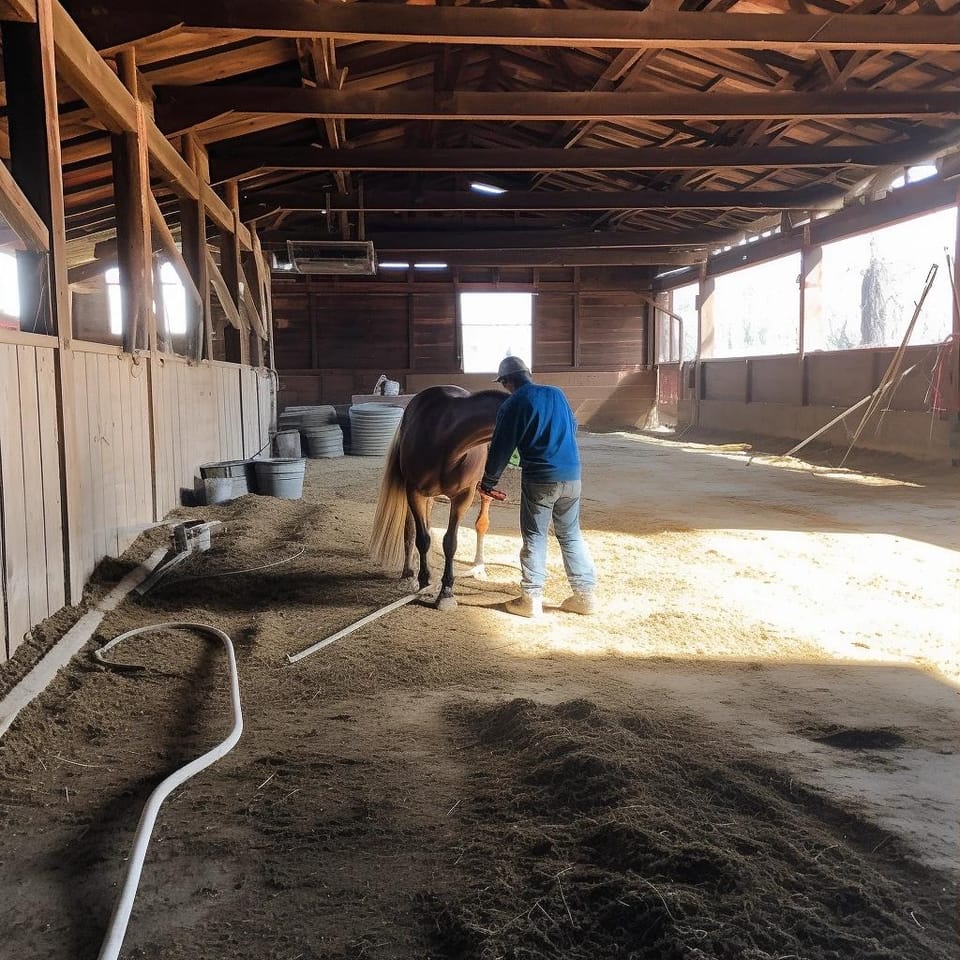
As a new horse property owner, you may be overwhelmed by the responsibilities that come with managing and maintaining your property. However, it's essential to understand the importance of proper horse property maintenance and upkeep. Not only does it ensure the safety and well-being of your horses, but it also helps maintain the value of your property and prevent costly repairs in the future.
Health and Safety of Your Horses
First and foremost, proper maintenance is crucial for the health and safety of your horses. A well-maintained property provides a clean and safe environment for your horses to live and thrive. This includes maintaining pastures, paddocks, barns, and stables to prevent injuries and illnesses that could result from poor living conditions.
Preserving Property Value
Regular maintenance and upkeep also help preserve the value of your horse property. A well-maintained property is more attractive to potential buyers and can command a higher price if you decide to sell in the future. Additionally, regular maintenance can prevent costly repairs and damage that could negatively impact your property's value.
Preventing Costly Repairs
Proper maintenance can help you avoid expensive repairs down the line. By addressing small issues early on, you can prevent them from becoming larger, more expensive problems. For example, fixing a small leak in your barn's roof can prevent extensive water damage and the need for a costly roof replacement.
Efficient Use of Resources
Regular maintenance and upkeep of your horse property can lead to more efficient use of resources, such as water, electricity, and feed. For example, maintaining your pasture and paddock fencing can prevent your horses from escaping and wasting valuable grazing time. Similarly, ensuring that your barn and stable lighting is functioning properly can save on electricity costs.
In conclusion, horse property maintenance is essential for the health and safety of your horses, preserving your property's value, preventing costly repairs, and ensuring efficient use of resources. By understanding the importance of maintenance and upkeep, you can provide the best possible environment for your horses and protect your investment in your property.
Creating a Maintenance Schedule
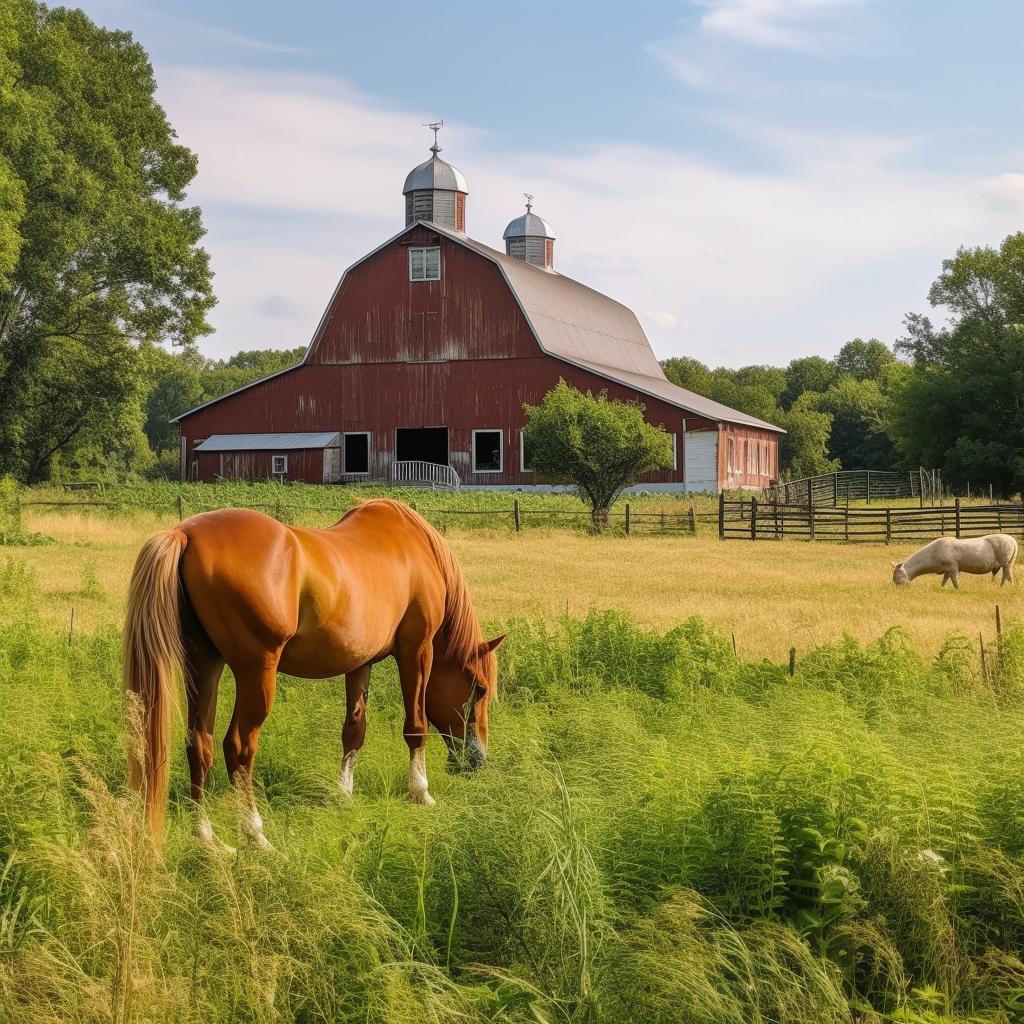
Creating a maintenance schedule is a crucial step in ensuring the proper care and upkeep of your horse property. A well-planned schedule will help you stay organized, prioritize tasks, and ensure that all aspects of your property are maintained regularly. In this section, we will discuss the importance of creating a maintenance schedule and provide some tips on how to get started.
Why is a maintenance schedule important?
Maintaining a horse property can be a daunting task, especially for new owners. There are many aspects to consider, from pasture management to barn and stable upkeep. A maintenance schedule helps you break down these tasks into manageable chunks, ensuring that nothing is overlooked. Additionally, a schedule can help you:
- Prevent costly repairs by addressing issues before they become major problems
- Ensure the health and well-being of your horses by providing a clean and safe environment
- Preserve the value of your property by keeping it in top condition
- Stay on top of seasonal tasks, such as fence repairs and pasture seeding
How to create a maintenance schedule
Creating a maintenance schedule for your horse property involves several steps:
- Assess your property: Begin by walking around your property and taking note of all the areas that require maintenance. This includes pastures, paddocks, barns, stables, fences, and any equipment you use.
- Prioritize tasks: Once you have a list of tasks, prioritize them based on their importance and urgency. Some tasks, such as cleaning stalls and checking water sources, should be done daily, while others, like fence repairs and pasture seeding, can be done less frequently.
- Create a calendar: Using a calendar or planner, assign each task to a specific day, week, or month. Be sure to consider seasonal tasks and adjust your schedule accordingly. For example, you may need to mow your pastures more frequently in the summer months.
- Stay flexible: Your maintenance schedule should be a living document that can be adjusted as needed. Be prepared to make changes based on weather, the needs of your horses, or unexpected repairs.
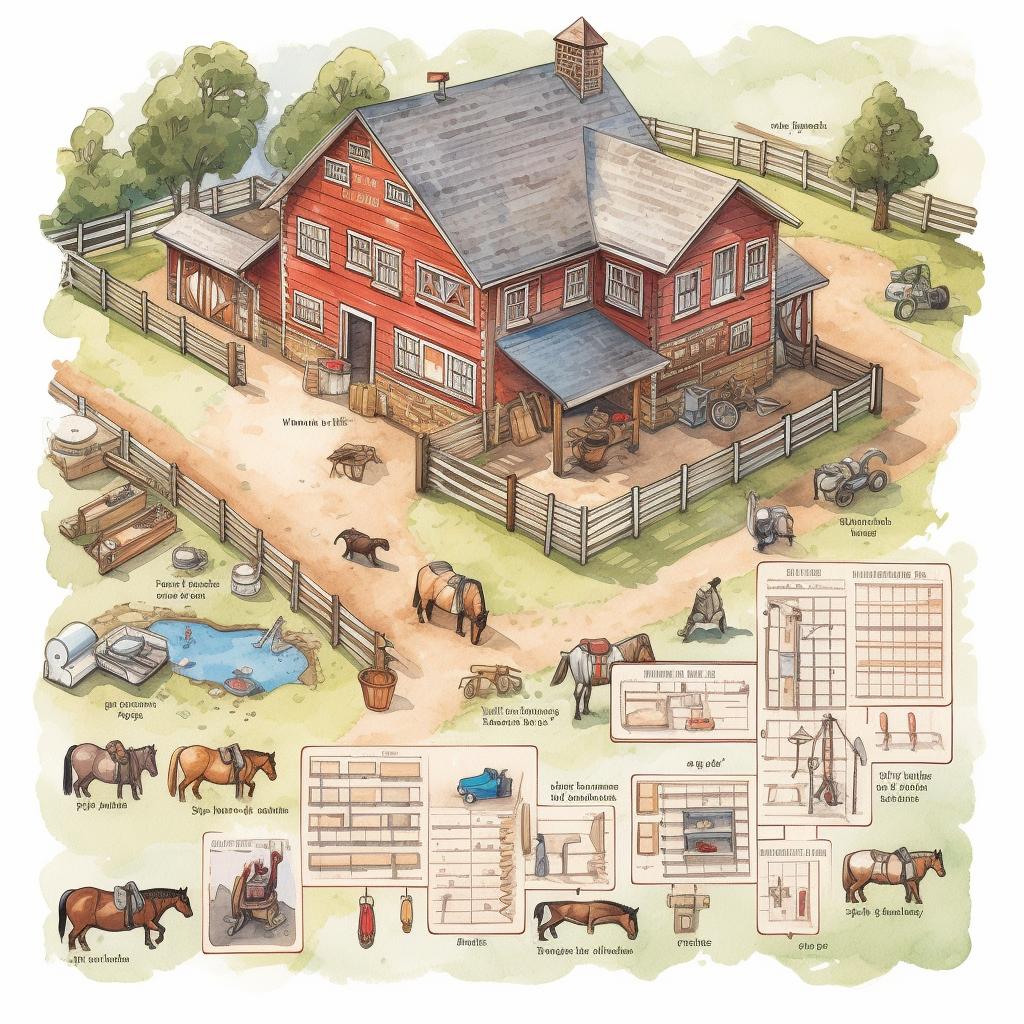
In conclusion, creating a maintenance schedule for your horse property is essential for staying organized and ensuring the health and safety of your horses. By assessing your property, prioritizing tasks, and creating a flexible calendar, you can keep your property in top condition and prevent costly repairs.
Fencing and Pasture Management
Fencing and Pasture Management
One of the most crucial aspects of horse property maintenance is ensuring the safety and well-being of your horses. A significant part of this involves proper fencing and pasture management. In this section, we'll discuss the importance of fencing, types of fencing, and tips for maintaining your pastures.
Importance of Fencing
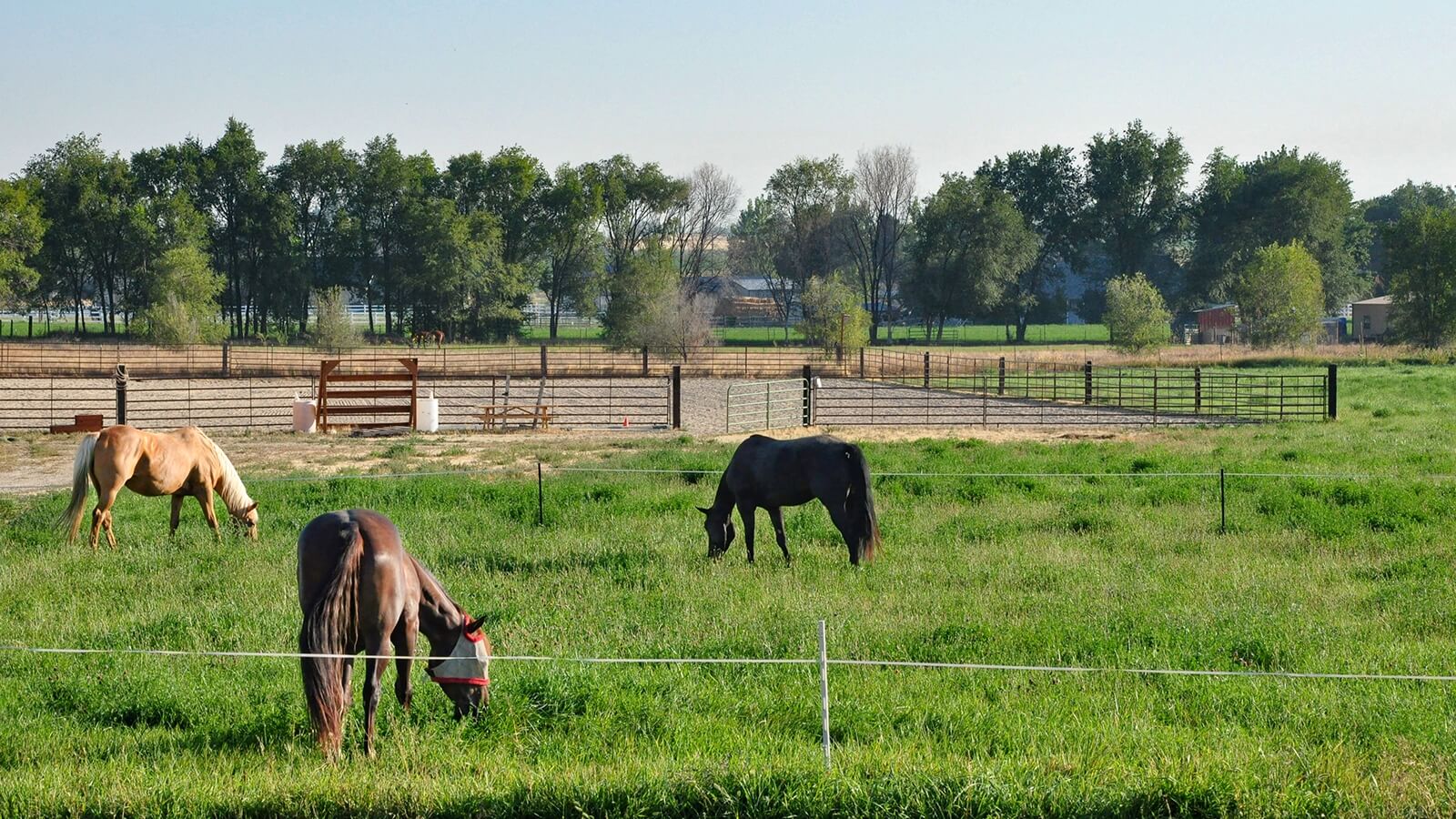
High-quality fencing is essential for keeping your horses safe and secure within your property. It helps prevent your horses from wandering off, getting injured, or causing damage to neighboring properties. Furthermore, proper fencing can also protect your horses from potential predators and other hazards.
Types of Fencing
There are various types of fencing suitable for horse properties, each with its own set of advantages and disadvantages. Some popular options include:
- Wooden Fencing: Traditional and visually appealing, wooden fencing provides a sturdy barrier for horses. However, it can be costly and requires regular maintenance to prevent rot and damage.
- Electric Fencing: Electric fencing is an affordable and effective option for containing horses. It requires minimal maintenance but may not be suitable for all horses or situations.
- Vinyl Fencing: Vinyl fencing is durable, low-maintenance, and visually appealing. However, it can be more expensive than other options and may not be as sturdy as wooden fencing.
- Wire Mesh Fencing: Wire mesh fencing is affordable and durable, but may not be as visually appealing as other options. It's essential to choose a mesh with small openings to prevent horses from getting their hooves caught.
Pasture Management Tips
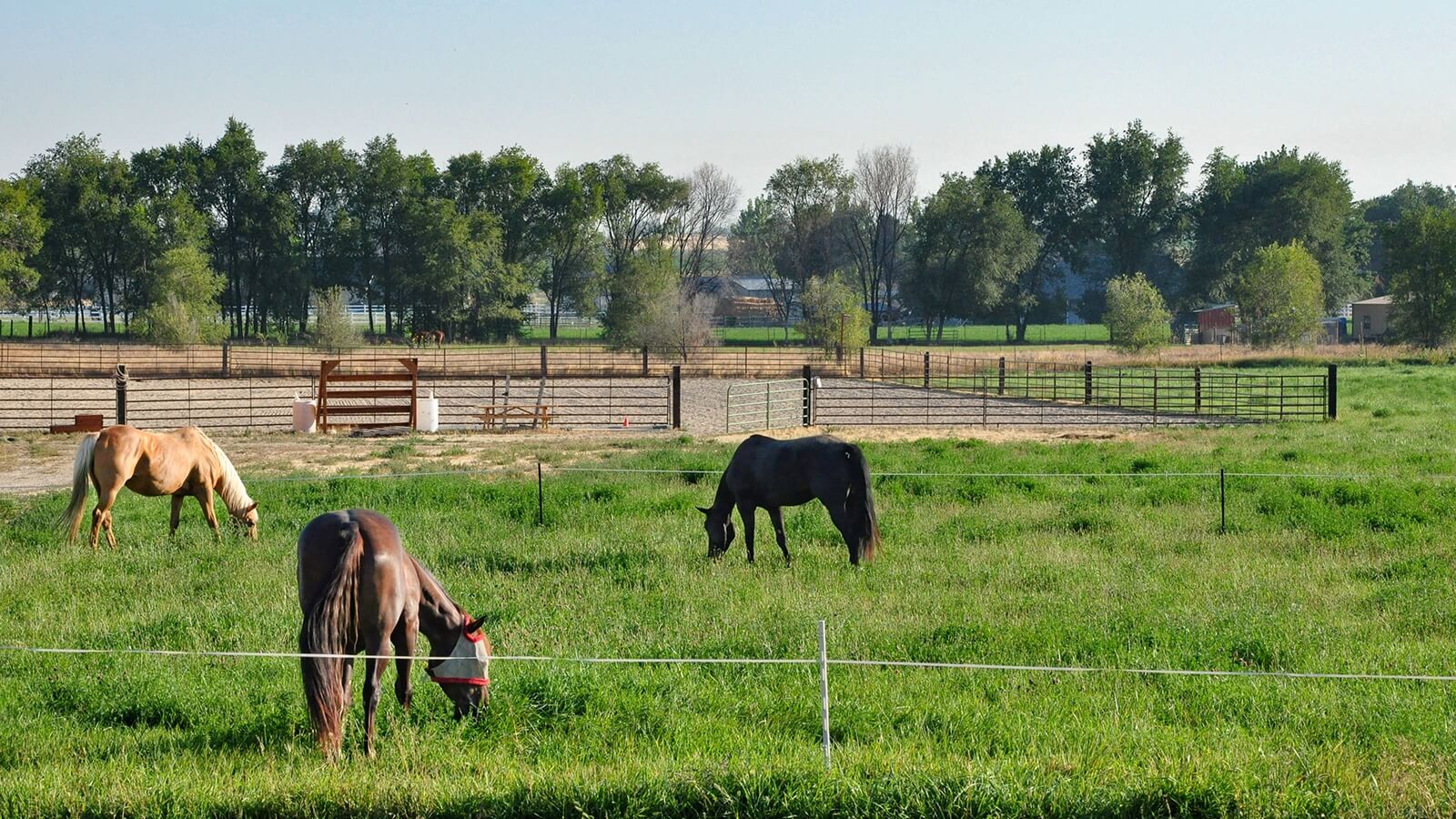
Proper pasture management is essential for maintaining the health of your horses and the overall quality of your property. Here are some tips for effective pasture management:
- Rotate Pastures: Regularly rotating your horses between different pastures can help prevent overgrazing and maintain healthy grass growth. This also helps reduce the risk of parasite infestation.
- Control Weeds: Regularly inspect your pastures for weeds and remove them as necessary. Some weeds can be toxic to horses, so it's crucial to keep them under control.
- Soil Testing and Fertilization: Test your soil regularly to ensure it has the proper nutrients for healthy grass growth. Based on the results, you may need to apply fertilizer or other soil amendments to maintain optimal pasture conditions.
- Manure Management: Regularly remove manure from your pastures to prevent the buildup of parasites and maintain a clean environment for your horses.
In conclusion, proper fencing and pasture management are essential for maintaining a safe and healthy environment for your horses. By choosing the right fencing type and following the tips mentioned above, you can ensure the well-being of your horses and the overall quality of your horse property.
Barn and Stable Maintenance
Barn and Stable Maintenance
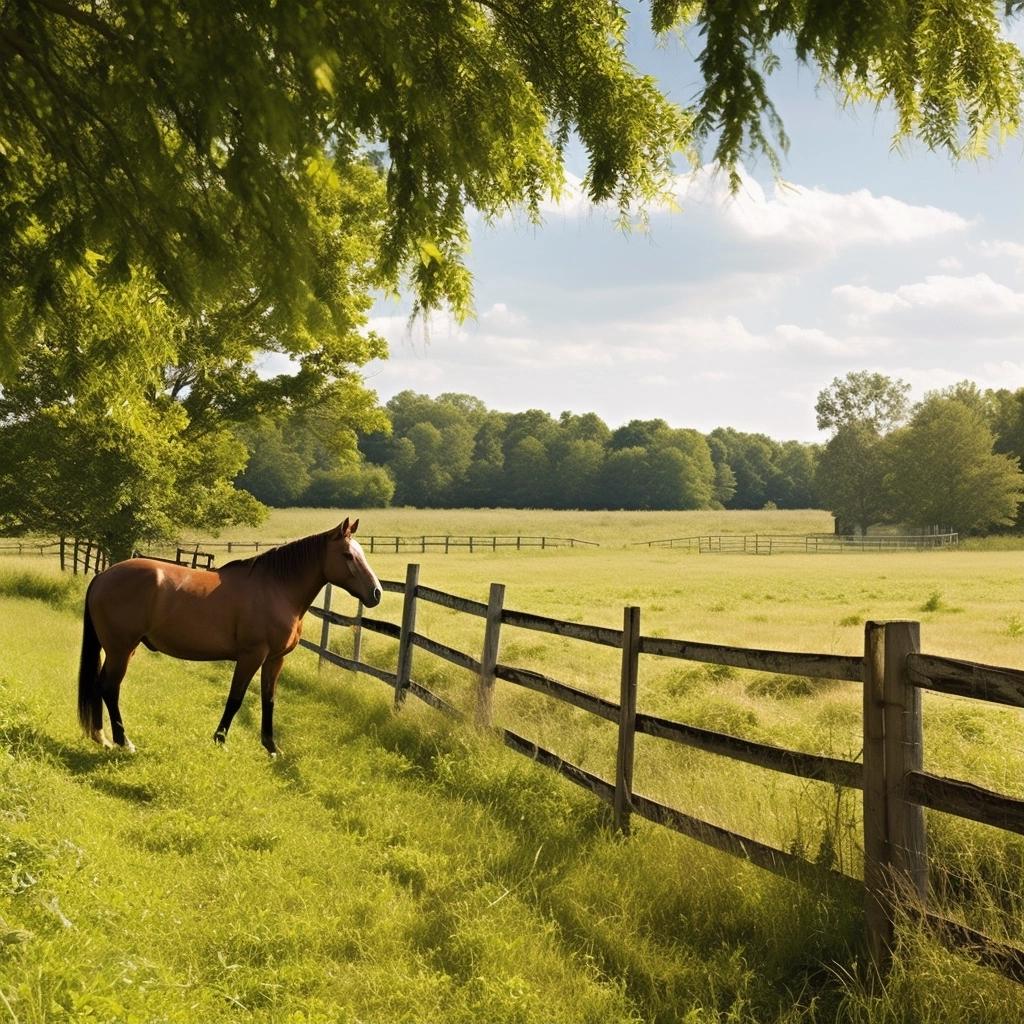
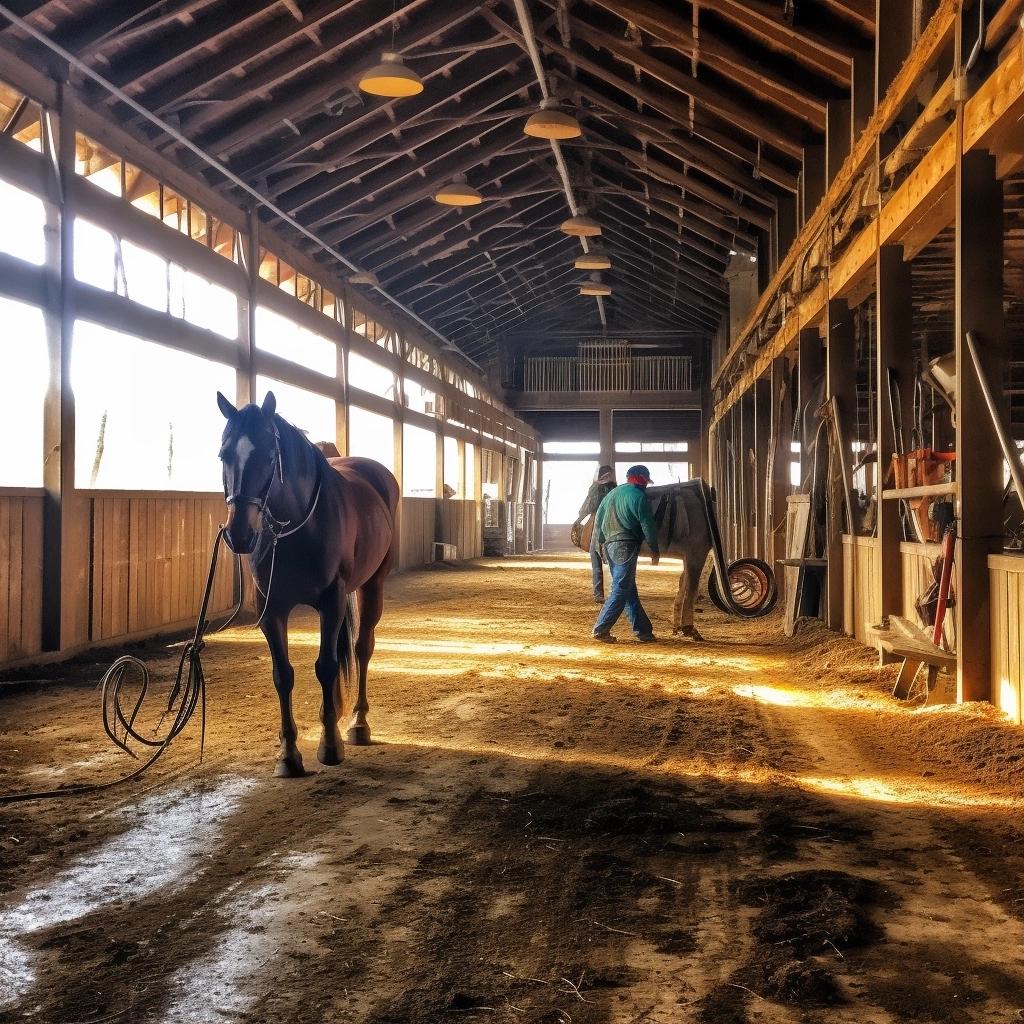
Ensuring the cleanliness and safety of your barn and stable is crucial for the well-being of your horses. A well-maintained barn provides a comfortable and healthy environment for your equine friends, while also preventing potential accidents and injuries. In this section, we will discuss some essential barn and stable maintenance tasks that every new horse property owner should be aware of.
1. Regular Cleaning and Disinfecting
Keeping your barn and stable clean is a top priority. This includes mucking out stalls daily, removing manure and soiled bedding, and replacing it with fresh, clean bedding. Regularly disinfecting the barn, including feeders, waterers, and any shared equipment, can help prevent the spread of diseases and pests. Additionally, ensure proper ventilation to maintain good air quality and reduce the risk of respiratory issues for your horses.
2. Pest Control
Pests such as rodents, flies, and mosquitoes can pose health risks to your horses and create an unpleasant environment. Implementing an effective pest control plan is essential for maintaining a healthy barn. This can include using fly traps and repellents, sealing any openings to prevent rodent entry, and maintaining clean feed storage areas to deter pests.
3. Structural Inspections and Repairs
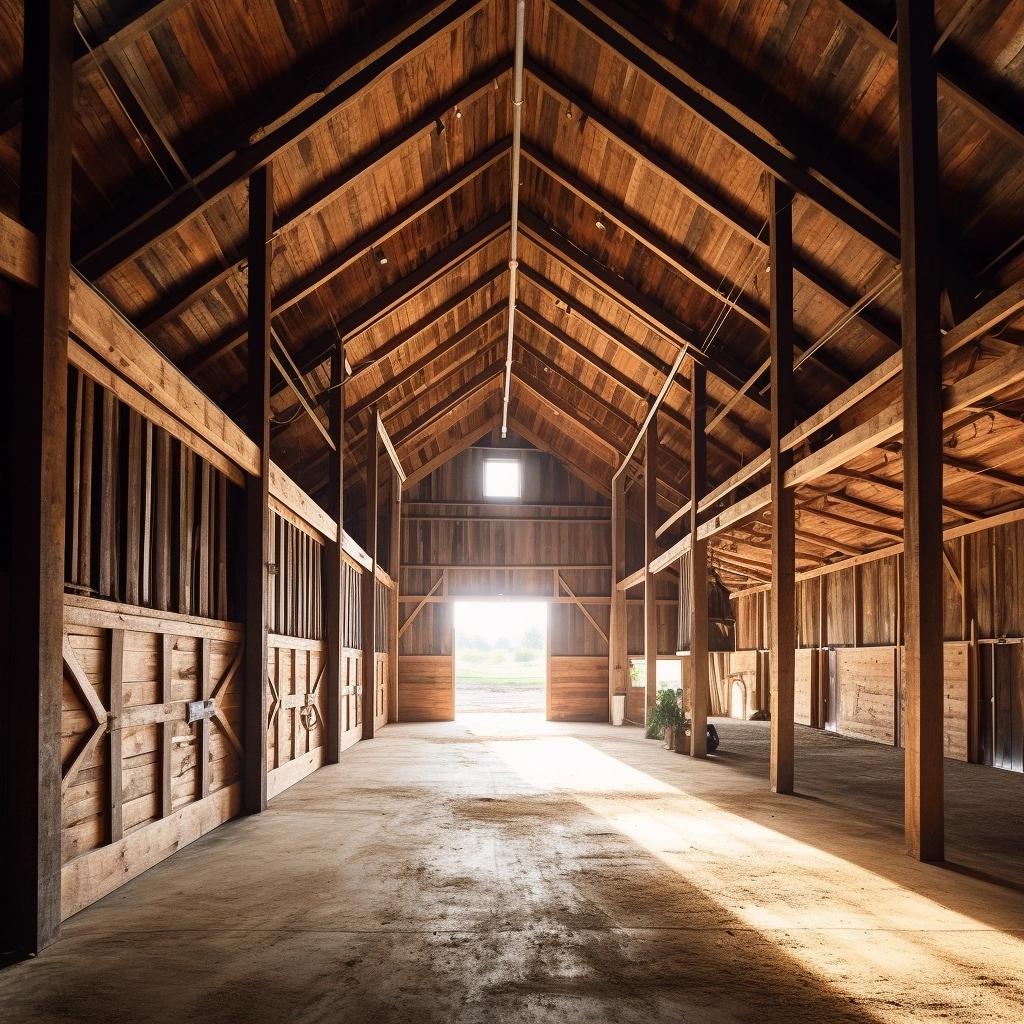
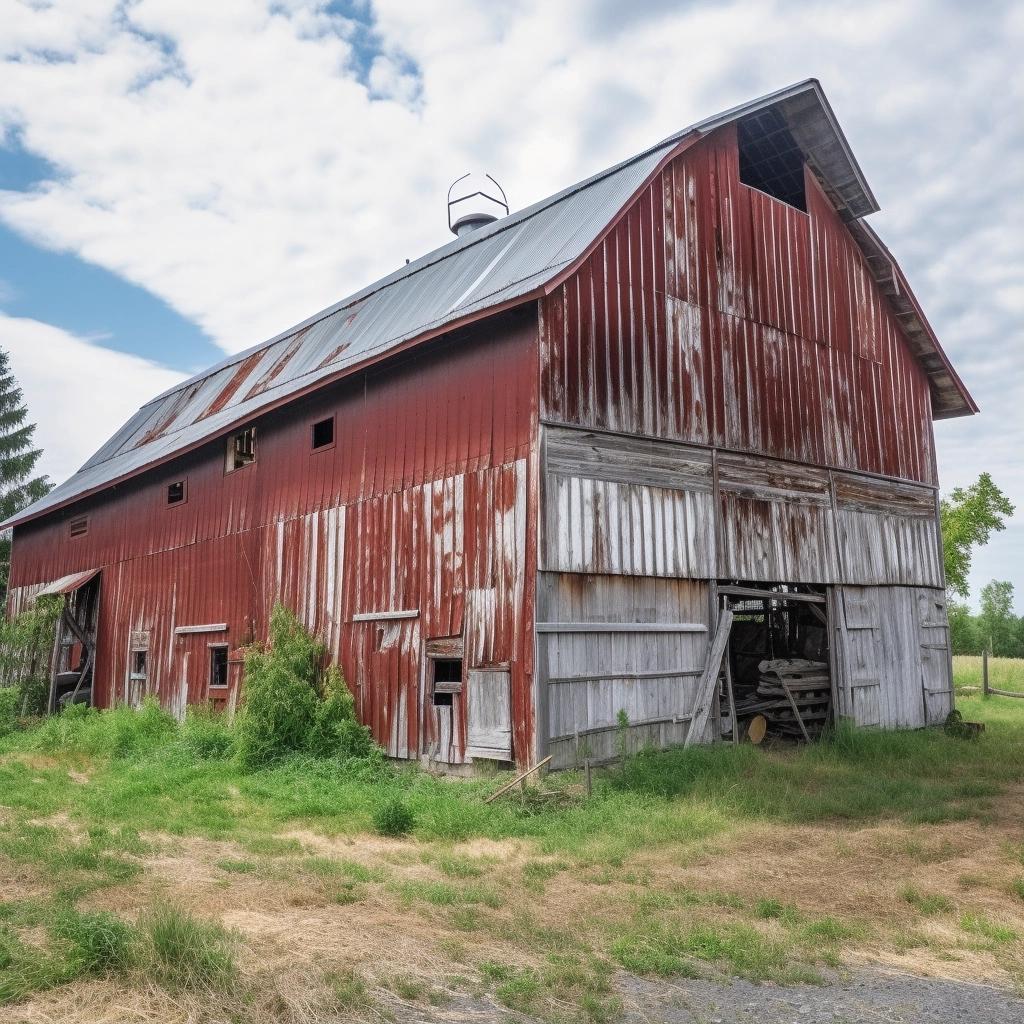
Regularly inspect your barn and stable for any signs of wear and tear or damage, such as rotting wood, rusting metal, or leaking roofs. Addressing these issues promptly can prevent more significant problems and ensure the safety and longevity of your structures. Additionally, check for any loose or protruding nails, screws, or other hardware that could pose a risk to your horses.
4. Fire Safety
Barn fires can be devastating, so it's essential to take preventative measures to protect your property and horses. Install smoke detectors and fire extinguishers throughout the barn, and ensure all electrical wiring is up to code and regularly inspected. Keep flammable materials, such as hay and bedding, stored away from heat sources and maintain a clean and clutter-free environment to reduce fire risks.
In conclusion, maintaining a clean, safe, and well-structured barn and stable is vital for the health and happiness of your horses. By implementing a regular maintenance routine and addressing any issues promptly, you can create a comfortable and secure environment for your equine companions.
Equipment and Machinery Maintenance
Equipment and Machinery Maintenance
Proper maintenance of your equipment and machinery is essential to ensure the smooth operation of your horse property. Regular upkeep not only prolongs the life of your equipment but also helps prevent accidents and injuries to both you and your horses. In this section, we will discuss the importance of equipment and machinery maintenance and provide some tips to help you stay on top of it.
Maintenance of Tractors and Other Vehicles
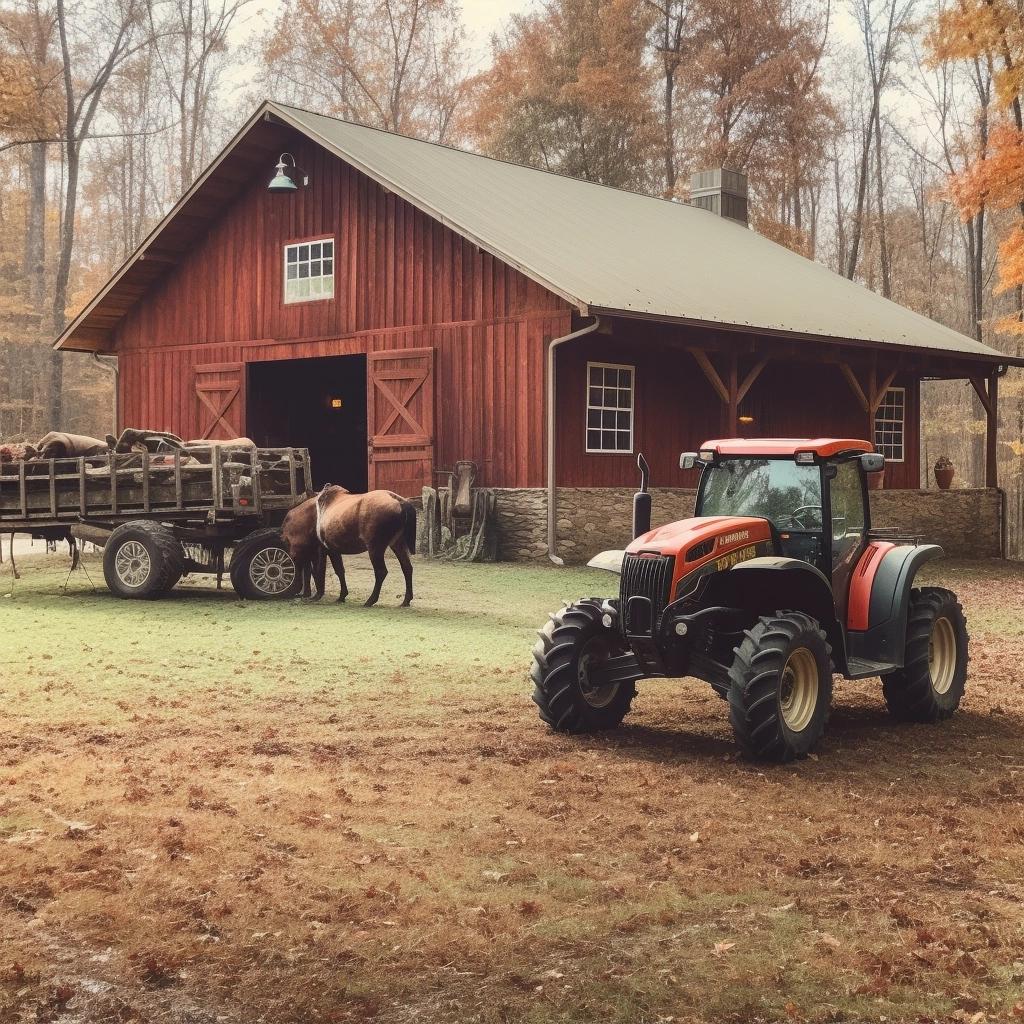
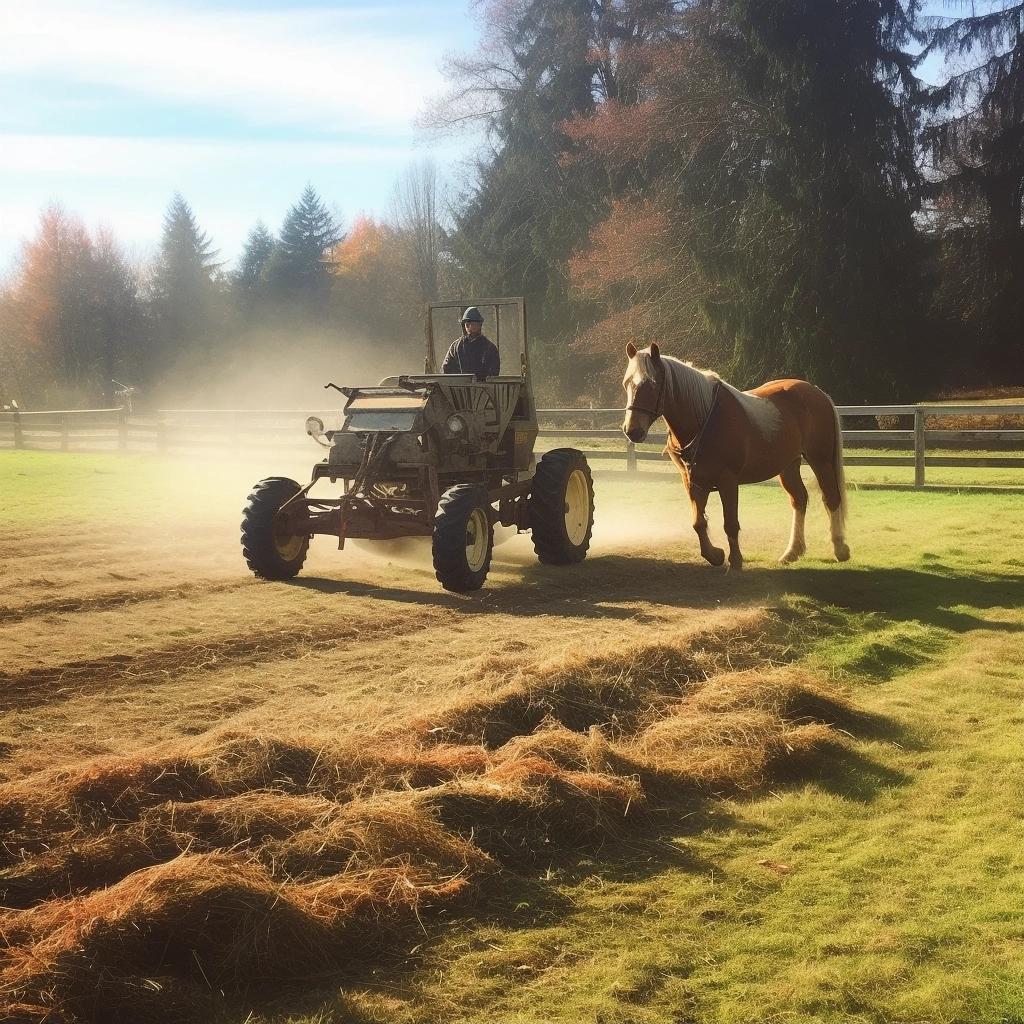
Tractors, ATVs, and other vehicles used on your horse property require regular maintenance to stay in good working condition. This includes checking and changing fluids, inspecting belts and hoses, and ensuring that tires are properly inflated. It's also essential to keep your vehicles clean, as dirt and debris can cause damage over time. Be sure to consult your owner's manual for specific maintenance recommendations for your particular make and model.
Upkeep of Mowers, Manure Spreaders, and Other Equipment
Regular maintenance of mowers, manure spreaders, and other equipment is crucial for their efficient operation. This includes cleaning and lubricating moving parts, sharpening blades, and inspecting for signs of wear and tear. Additionally, it's essential to store your equipment properly when not in use, protecting it from the elements and potential damage.
Regular Inspection and Repair of Fencing and Gates
Fencing and gates are vital components of your horse property, and regular inspection and maintenance are necessary to ensure their safety and functionality. Check for loose or damaged boards, posts, and hardware, and make repairs as needed. Additionally, keep an eye out for signs of rust or corrosion on metal fencing and gates, and address these issues promptly to prevent further damage.
Creating a Maintenance Schedule
One of the best ways to stay on top of equipment and machinery maintenance is to create a schedule. This can help you keep track of when specific tasks need to be completed and ensure that nothing falls through the cracks. Consider using a calendar or spreadsheet to organize your maintenance tasks and set reminders for yourself to stay on track.
In conclusion, proper equipment and machinery maintenance is crucial for the safety and efficiency of your horse property. By staying on top of regular upkeep and creating a maintenance schedule, you can ensure that your equipment remains in good working condition and serves you well for years to come.
Horse Health and Wellness
Horse Health and Wellness
Ensuring the health and wellness of your horses is a crucial aspect of horse property maintenance. A well-maintained property contributes to the overall well-being of your equine companions. In this section, we will discuss some essential aspects of horse health and wellness that every new horse property owner should be aware of.
Regular Veterinary Checkups
It's essential to schedule regular veterinary checkups for your horses to monitor their health and detect any potential issues early. Work with a trusted equine veterinarian to establish a routine checkup schedule, including vaccinations, dental care, and deworming. The frequency of these checkups may vary depending on your horse's age, breed, and activity level.
Nutrition and Feeding
Proper nutrition is vital for maintaining your horse's health. Ensure that your horses have access to clean water at all times and provide them with a balanced diet of hay, grains, and supplements as recommended by your veterinarian. Monitor your horse's weight and body condition regularly, and adjust their feeding regimen as needed.
Exercise and Turnout
Regular exercise and turnout are essential for your horse's physical and mental well-being. Horses need daily turnout to graze, socialize, and stretch their legs. Ensure that your pastures are safe and well-maintained, with secure fencing and no hazards such as holes or debris. Additionally, provide your horses with a consistent exercise routine, including riding, lunging, or hand-walking, depending on their individual needs.
Grooming and Hoof Care
Regular grooming is not only a bonding experience between you and your horse, but it also helps maintain their overall health. Grooming allows you to check for any injuries, skin conditions, or parasites, and promotes healthy skin and coat. Hoof care is equally important – schedule regular farrier visits for trimming and shoeing, and clean your horse's hooves daily to prevent thrush and other hoof issues.
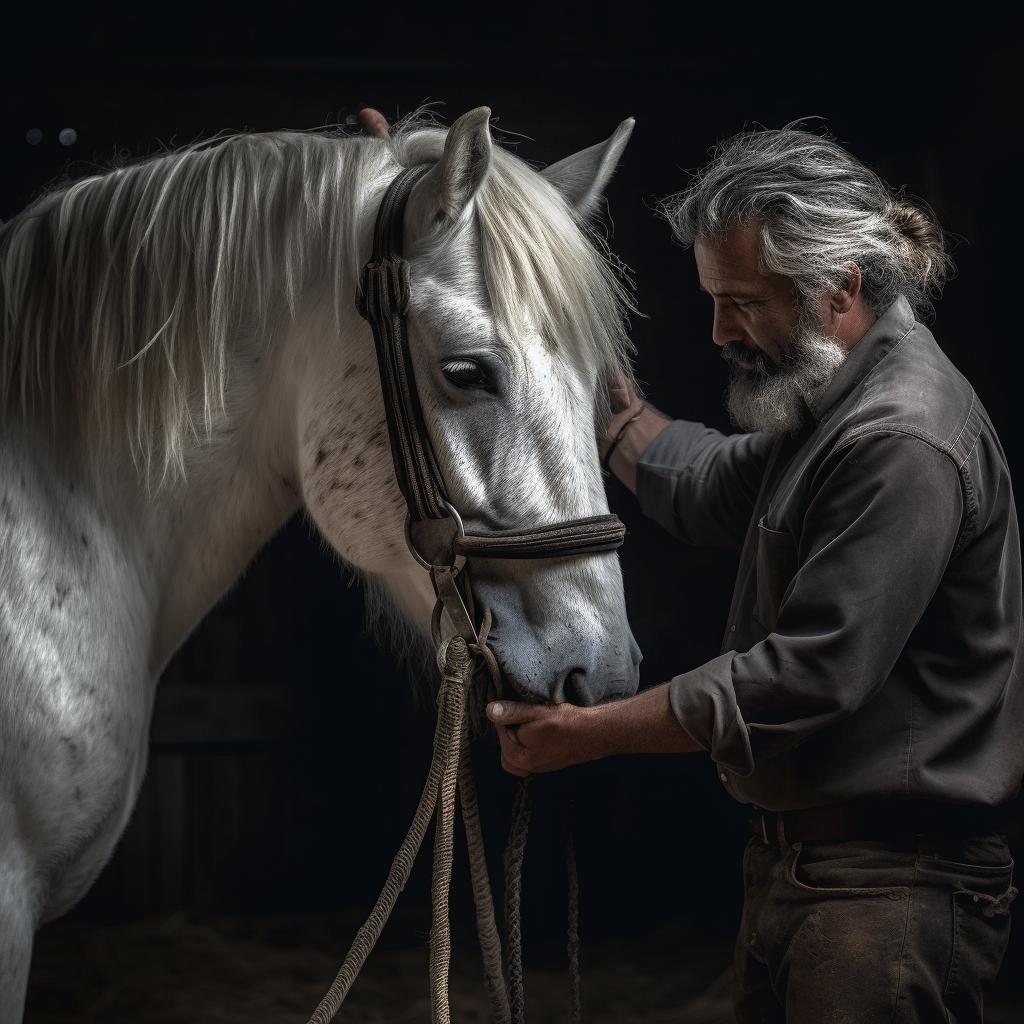
Remember, a healthy and happy horse is the result of a well-maintained property and attentive care. By focusing on horse health and wellness, you can ensure that your equine companions thrive in their new home.
Tips for Winterizing Your Horse Property
Tips for Winterizing Your Horse Property
As the colder months approach, it's essential to prepare your horse property to ensure the safety and comfort of your horses and the longevity of your facilities. Here are some essential tips for winterizing your horse property:
1. Inspect and Repair Roofing
Before winter arrives, inspect the roofs of your barn, stable, and other structures for any damage or leaks. Repair any issues you find to prevent water damage and ensure the buildings can withstand the weight of snow and ice. 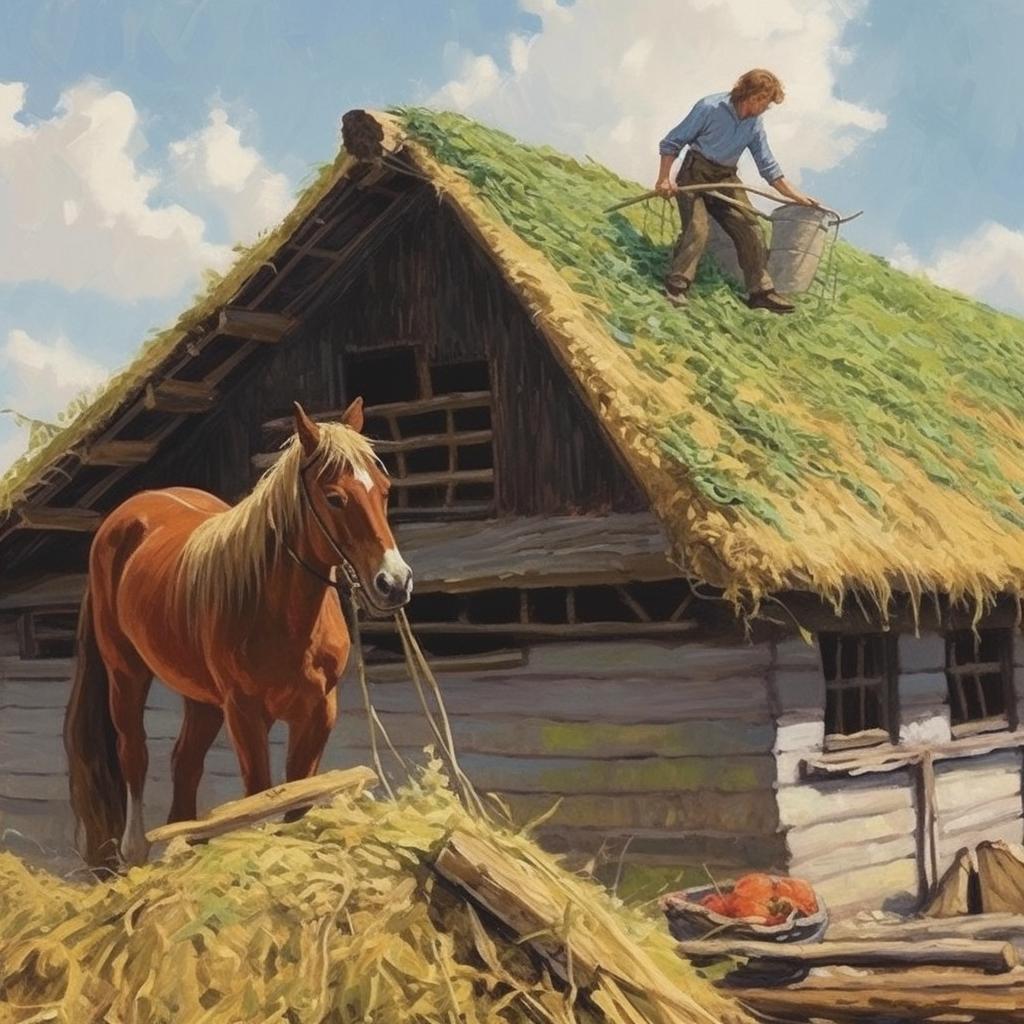
2. Check Heating and Insulation
Ensure that your barn and stable are adequately insulated to keep your horses warm during the cold months. Check the heating systems, if applicable, and make sure they are in good working order. Clean and maintain heaters to prevent fire hazards.
3. Prepare Water Sources
Ensure that your horses have access to fresh, unfrozen water throughout the winter. Insulate water pipes and invest in heated water buckets or troughs to prevent freezing. Regularly check water sources for ice and remove it promptly.
4. Manage Pasture and Turnout Areas
Before winter arrives, remove any debris from your pastures and turnout areas to prevent injuries. Consider adding footing materials, such as sand or wood chips, to high-traffic areas to improve traction and reduce mud. 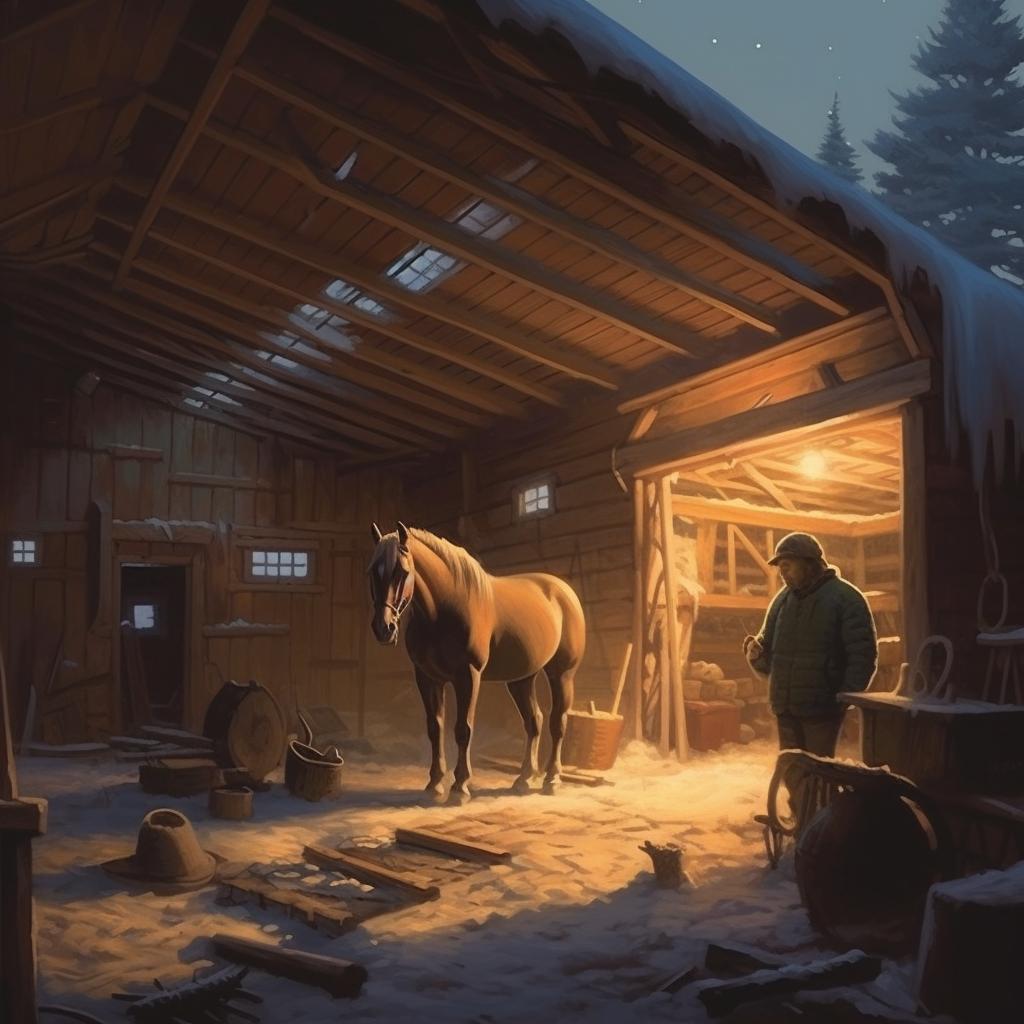
5. Stock Up on Feed and Bedding
As the temperatures drop, your horses will require more calories to stay warm. Stock up on high-quality hay and other feed to ensure your horses have adequate nutrition throughout the winter. Additionally, make sure you have enough bedding to keep your horses warm and comfortable in their stalls.
6. Prepare Emergency Supplies and Plans
Winter storms can cause power outages and make travel difficult. Create an emergency plan for your horse property, including backup power sources, alternative water sources, and evacuation plans if necessary. Stock up on essential supplies, such as flashlights, batteries, and extra blankets.
By following these tips, you can ensure that your horse property is ready for the challenges of winter, keeping your horses safe, healthy, and comfortable throughout the season.
Finding Professional Help for Horse Property Maintenance
Finding Professional Help for Horse Property Maintenance
While many horse property owners take pride in managing and maintaining their property themselves, there are times when it's necessary to seek professional help. Whether you need assistance with a specific project or ongoing maintenance, hiring a professional can save you time, effort, and ensure the job is done right. In this section, we'll discuss how to find reliable professionals for your horse property maintenance needs.
1. Determine your needs
Before you start searching for professional help, it's essential to identify your specific needs. Are you looking for someone to help with fencing repairs, pasture management, or barn and stable maintenance? Or do you need assistance with horse health and wellness, such as a farrier or equine veterinarian? Knowing your requirements will help you find the right professional for the job.
2. Ask for recommendations
One of the best ways to find reliable professionals is to ask for recommendations from fellow horse property owners, friends, or family members. You can also consult local equestrian clubs, tack shops, or feed stores for suggestions. Additionally, online forums and social media groups dedicated to horse care and management can be valuable resources for finding professionals in your area.
3. Research and compare
Once you have a list of potential professionals, it's essential to research their qualifications, experience, and reputation. Look for reviews and testimonials from previous clients, and don't hesitate to ask for references. Compare the services offered, pricing, and availability to find the best fit for your needs.
4. Schedule a consultation
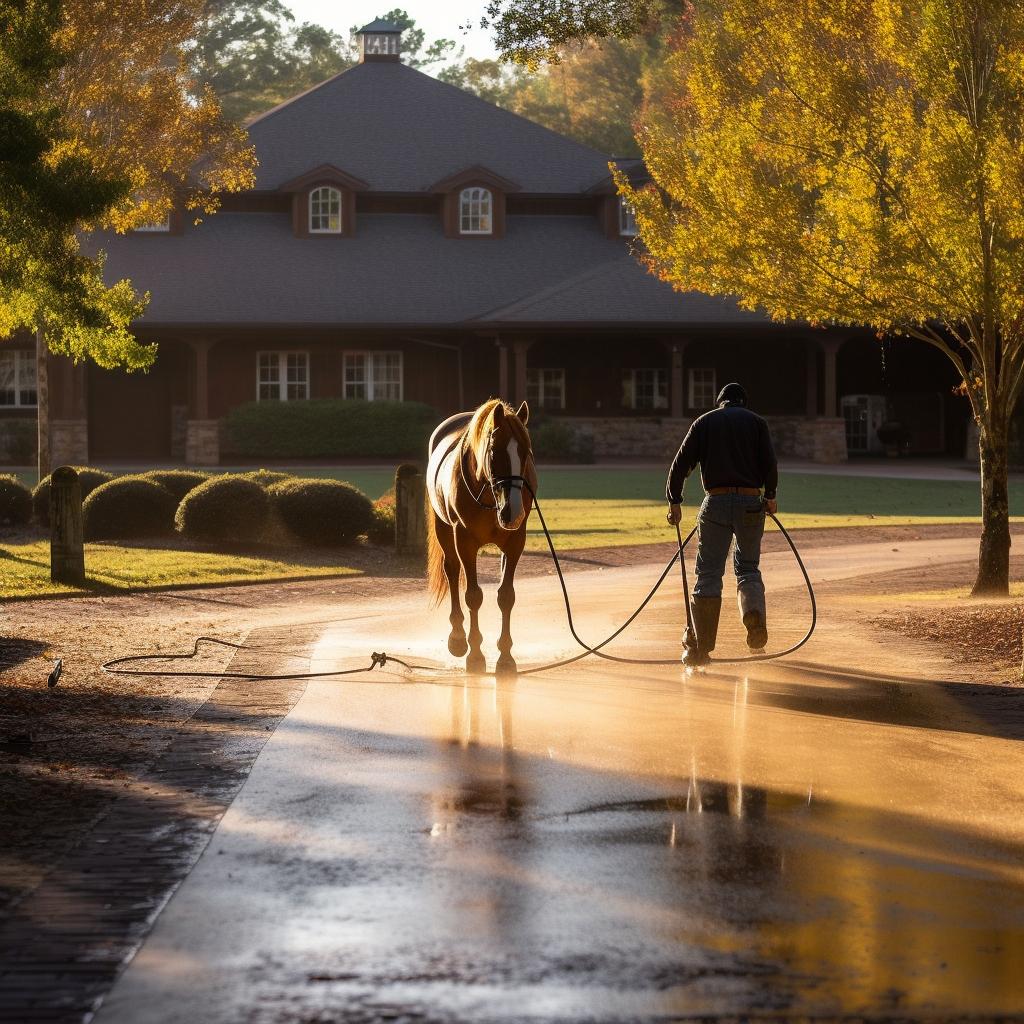
Before hiring a professional, it's a good idea to schedule a consultation or meet with them in person. This will give you an opportunity to discuss your needs, ask questions, and get a feel for their expertise and communication style. A consultation can also help you determine if the professional is a good fit for your property and your horses.
In conclusion, finding professional help for horse property maintenance can be a valuable investment in the long-term care and management of your property. By following these steps, you can ensure that you find a reliable, experienced professional who will help keep your horse property in top condition.
No comments yet. Be the first to share your thoughts!