

The rising cost of extreme weather
I recently spoke with a horse owner in Kentucky who lost several outbuildings and nearly all of her fencing during the July 2023 flooding. She’d purchased the property five years ago, drawn in by the price and beautiful rolling hills, never anticipating the intensity of rainfall the region would see. Her story isn’t unique. Across the country, from the wildfires in California to the prolonged droughts in Texas, extreme weather is fundamentally altering the equation for horse property buyers.
A beautiful barn layout doesn't matter if the property is uninsurable. Buyers are now looking at climate resilience as a financial necessity rather than a luxury. If a property can't handle a week of triple-digit heat or a flash flood, it's a liability for your horses and your bank account.
Insurance costs are climbing dramatically in areas prone to natural disasters. Obtaining coverage at all is becoming increasingly difficult, particularly in wildfire zones and floodplains. According to a report by the Association of British Insurers in November 2023, payouts for extreme weather events have increased by 40% in the past five years. This means that properties without adequate mitigation measures are not only at risk of physical damage but also face escalating financial burdens.
Managing water on and off the pasture
Water is the first thing I check on any property. If you're on a well, you need to know the depth and recovery rate before you sign. I've seen too many owners stuck hauling water in tanks because their pump failed during a blackout. A backup generator or a solar battery for that pump is a requirement, not an option.
Rainwater harvesting is gaining popularity, but legality varies significantly by state. Texas, for example, generally allows rainwater harvesting, while other states have restrictions. Greywater systems, which reuse water from sinks and showers for irrigation, are another option, but they require permits and careful management. Even where permitted, understanding local regulations is essential.
Proper drainage and flood mitigation are equally important. Grading the land to direct water away from buildings, creating swales to channel runoff, and installing culverts to manage water flow can significantly reduce the risk of flooding. In the Western US, water rights are becoming increasingly complex and valuable. A thorough understanding of these rights is crucial before purchasing any property. The cost of water is also rising, and restrictions are becoming more common, especially during drought conditions.
Drought-tolerant landscaping is another key strategy. Replacing traditional lawns with native grasses and drought-resistant plants can significantly reduce water consumption and maintenance costs. Consider utilizing xeriscaping principles – designing landscapes that require minimal irrigation.
Barn materials that handle the heat
When it comes to barn construction and upgrades, material choice matters. Metal barns generally offer superior fire resistance compared to traditional wood construction. While wood barns can be beautiful, they require more maintenance and are more vulnerable to fire. Proper ventilation is crucial for mitigating heat stress in the summer, and insulation is essential for keeping horses warm in the winter.
Structural integrity is paramount. Ensure that barns and run-in shelters are built to withstand high winds and heavy snow loads. Building codes vary by location, so it’s important to verify that the structure meets local requirements. Investing in a well-built, durable shelter is an investment in your horses’ safety and well-being.
Emergency power solutions for barns are vital. A generator can provide power for fans, lights, and essential equipment during power outages. Solar power with battery backup is a more sustainable option, but it requires a larger upfront investment. Simple improvements, like ensuring adequate roof overhangs to protect against sun and rain, can make a significant difference. Don't overlook fire-resistant fencing options, particularly around barns and high-risk areas.
Power Resilience: Keeping Operations Running
Beyond keeping the barn lights on, emergency power is about maintaining essential operations. When sizing a generator, consider the power requirements of your well pump, fans, security systems, and any other critical equipment. It’s always better to overestimate your needs than to underestimate them.
Safe fuel storage is a must. Gasoline and diesel fuel should be stored in approved containers and away from potential ignition sources. Solar power offers a cleaner and more sustainable alternative, but the initial cost can be significant. Tax incentives and rebates are often available to help offset the cost of solar installations. Regular maintenance is essential to ensure optimal performance.
Surge protection and automatic transfer switches are crucial for protecting sensitive electronic equipment from power fluctuations. A microgrid – a localized energy grid that can operate independently from the main grid – is a more advanced solution, but it’s typically cost-prohibitive for most horse properties. While the technology is improving, it remains largely impractical for smaller operations.
Landscaping for fire and flood
In wildfire-prone areas, creating defensible space around barns and homes is essential. This involves removing flammable vegetation, such as dry grass, brush, and trees, within a specified radius of the structures. Fire-resistant plants, such as rockrose, ceanothus, and manzanita, can help to create a buffer zone.
For flood resilience, planting trees and shrubs that can absorb water and stabilize soil is beneficial. Willow trees, river birch, and red osier dogwood are all good choices. Creating buffer zones along waterways can help to reduce erosion and protect against flooding. Consider native plants adapted to your local climate; they’re generally more resilient and require less maintenance.
Specific plant choices will depend on your region. For example, in California, the California Native Plant Society (cnps.org) offers extensive resources on fire-resistant landscaping. Similarly, local agricultural extension offices can provide guidance on flood-resistant landscaping options.
Fencing Choices: Durability and Safety
Fencing needs to withstand more than just horses leaning on it. Extreme weather demands durable materials. Treated wood fencing is a common choice, but it’s susceptible to rot and requires regular maintenance. Metal fencing, such as steel or aluminum, is more durable and requires less upkeep, but it can be more expensive.
Composite fencing is a newer option that combines the look of wood with the durability of plastic. Proper installation is crucial for any type of fencing. Posts should be set deep enough to withstand strong winds and heavy snow loads. Regularly inspect fences for damage and make repairs promptly.
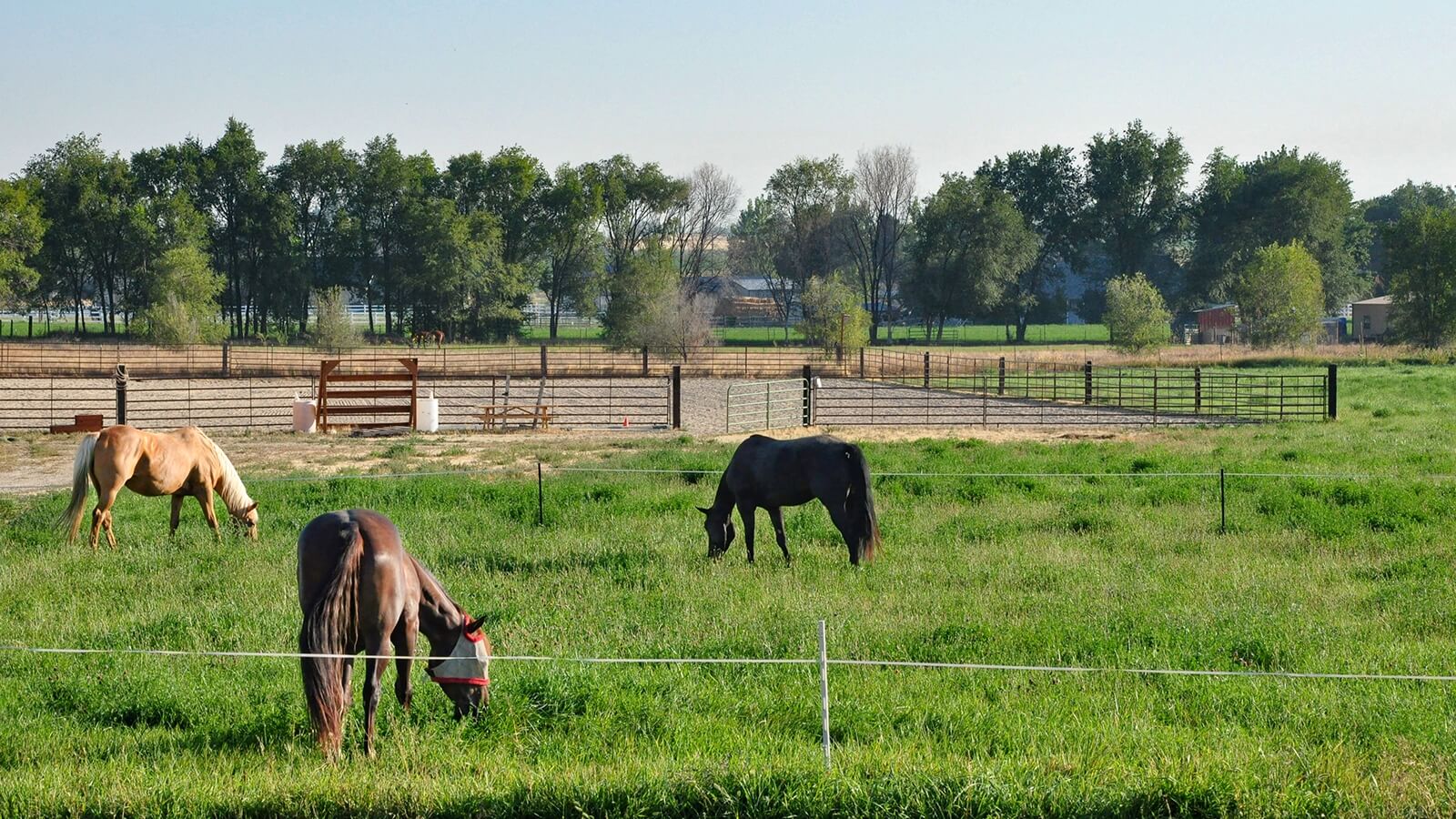
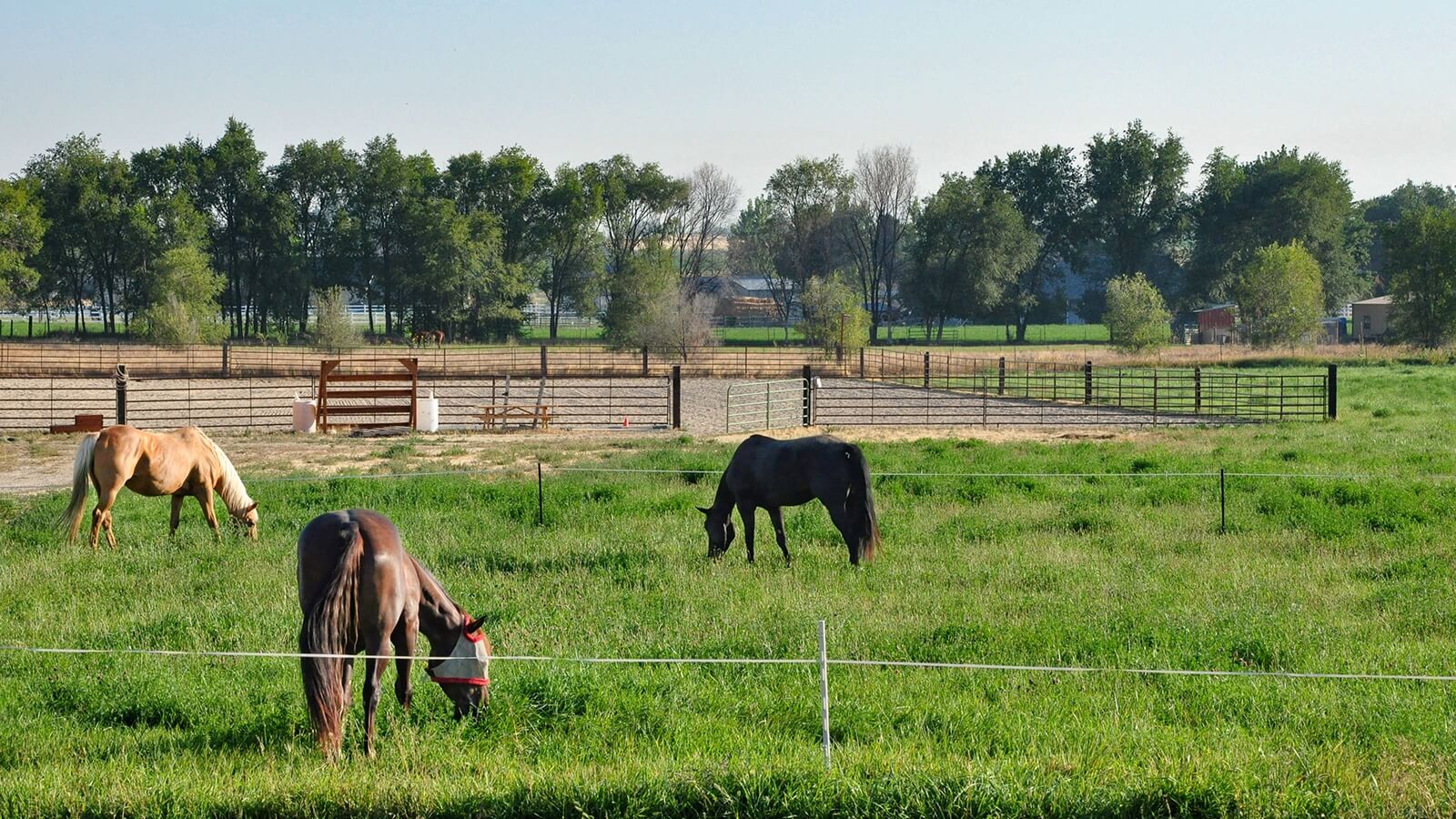
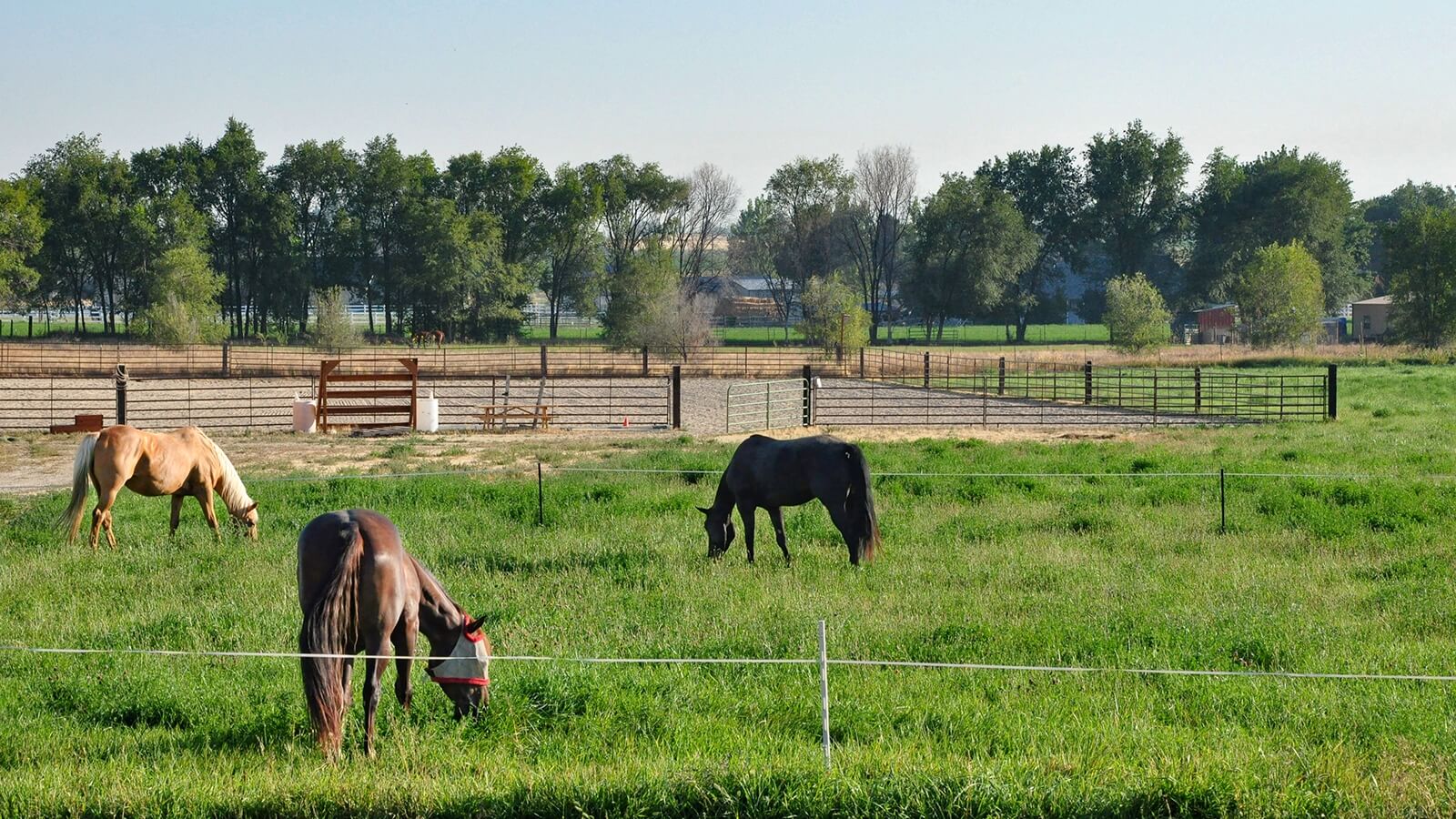
Electric fencing can be a valuable tool for containing horses during emergencies, such as wildfires or floods. It can also be used to create temporary paddocks or to reinforce existing fences. However, it’s important to use electric fencing safely and to ensure that horses are properly trained to respect it.
Insurance and the fine print
Reviewing your insurance policies is paramount. Standard homeowner’s insurance typically doesn’t cover damage from all types of natural disasters. You may need to purchase separate flood insurance or wildfire insurance. Ensure that your liability coverage is adequate to protect you from potential lawsuits.
Insurance rates are increasing in many areas due to climate change. Properties in high-risk areas may face significantly higher premiums or may be uninsurable altogether. It’s important to shop around for the best coverage and to understand the terms and conditions of your policies.
Hire a lawyer to dig into the deeds and easements. You don't want to find out after closing that a local ordinance prevents you from building the fire-resistant barn you planned. The financial stakes are high; the First Street Foundation reported in 2023 that flood insurance premiums across the US jumped by 119%.
No comments yet. Be the first to share your thoughts!