

Dream Acres: 2026's Affordable Horse Havens
Many people dream of owning a place with space for their horses. Finding a property that meets equestrian needs without breaking the bank is tough. Land prices near popular riding spots keep climbing, and higher interest rates make it even harder to find that ideal slice of horse country.
This article looks at the affordable horse property market, focusing on listings from late 2024 and early 2025 under $500,000. The market changes fast, so think of these as examples of what's possible, not guaranteed finds. Availability and prices shift constantly.
'Affordable' means different things depending on where you look. $500,000 buys much less in California than in Kentucky. We're covering properties in several states to show the variety and the compromises that come with budget options. The goal is to find realistic starting points for your equestrian life, not perfection.
We're using current real estate trends for rural land and equestrian properties to inform this guide. While we can't predict the future, understanding today's market helps make educated guesses. This information is a starting point; always do your own research and consult professionals.
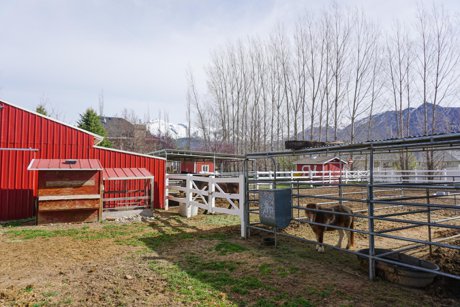
The Top 10: Properties Under $500K
Here are ten horse properties listed for under $500,000 as of late 2024/early 2025. Prices can change, so view these as examples of what's currently available.
1. Ocala, Florida - 15-acre property with 4-stall barn ($485,000). Located in the heart of horse country, this property features a well-maintained 4-stall barn, ample pasture space, and a small, comfortable home. Fencing is in good condition, and a water source is available. It’s a great option for someone looking to immerse themselves in Florida’s equestrian lifestyle.
2. Aiken, South Carolina - 20-acre ranch with existing stable facilities ($450,000). Aiken is a renowned equestrian community, and this ranch offers a chance to join it. The property includes a basic but functional stable, plenty of acreage for turnout, and a modest ranch-style home. It requires some updating, but the location is prime.
3. Lexington, Kentucky - 12-acre horse property with indoor arena ($475,000). An indoor arena is a huge bonus, especially in a region with variable weather. This property in Lexington offers just that, along with 12 acres of pasture and a smaller, older home. The arena needs some TLC, but the overall value is strong.
4. Middleburg, Virginia - 25-acre farm with 6-stall barn ($495,000). Middleburg is known for its upscale equestrian scene, making this listing a surprisingly affordable find. The 25 acres provide plenty of space, and the 6-stall barn is a significant asset. The house is older and requires renovation.
5. Wellington, Colorado - 18-acre equestrian property with outdoor ring ($425,000). This Colorado property offers stunning views and a peaceful setting. It features an 18-acre parcel with an outdoor riding ring and a comfortable, though simple, home. It's a good choice for someone seeking a quieter lifestyle.
6. Tryon, North Carolina - 10-acre horse farm with run-in sheds ($395,000). Tryon is becoming a major equestrian destination, and this property provides an entry point into the area. It features 10 acres with run-in sheds for shelter and a smaller, well-maintained home. It’s ideal for a few horses.
7. Paso Robles, California - 22-acre property with training facilities ($480,000). California real estate is notoriously expensive, but this Paso Robles property offers a relatively affordable option. It includes 22 acres and existing training facilities, making it attractive to professionals or serious hobbyists.
8. Weatherford, Texas - 16-acre ranch with covered arena ($440,000). Texas offers a lot of land for the money, and this Weatherford ranch is no exception. It features 16 acres, a covered arena, and a comfortable home. The property is well-suited for ranch-style living.
9. Oklahoma City, Oklahoma - 14-acre property with barn and guest house ($410,000). Oklahoma is an increasingly popular choice for horse owners due to its affordability. This property offers 14 acres, a barn, and a separate guest house – a valuable asset for visitors or potential rental income.
10. Columbia, Tennessee - 21-acre farm with fenced pastures ($460,000). Tennessee offers a mild climate and a growing equestrian community. This 21-acre farm features well-maintained fenced pastures, making it ready for horses, and a comfortable family home. The property is conveniently located near amenities.
Regional Hotspots: Where Your Money Goes Further
When searching for affordable horse properties, location is paramount. Some states consistently offer more value for your money than others. Oklahoma, Tennessee, and Missouri stand out as particularly budget-friendly options. In these states, land costs are generally lower, and property taxes are more manageable.
Oklahoma benefits from a strong agricultural tradition and a relatively low cost of living. You can find sizable acreage with basic amenities for under $500,000. Tennessee’s mild climate and growing equestrian scene are attracting more buyers, but it still offers good value, especially in the eastern and middle parts of the state. Missouri provides a similar blend of affordability and equestrian opportunities.
The Carolinas, specifically North and South Carolina, also present viable options, particularly away from the coastal areas. Kentucky, while becoming increasingly popular, still has pockets of affordability, especially in the more rural areas. These states have a rich equestrian history and a strong support network for horse owners.
The equestrian culture varies by region. Aiken, South Carolina, is renowned for its polo and eventing community. Lexington, Kentucky, is the heart of thoroughbred country. Oklahoma and Texas have a strong western riding tradition. Understanding the local equestrian scene can help you find a property that aligns with your interests.
Affordable Horse Properties Under $500K (2026)
| Location | Property Details | Price | Equestrian Culture Score (1-5) | Approximate Acreage |
|---|---|---|---|---|
| Ocala, Florida | 15-acre property with 4-stall barn | $485,000 | 4 | 15 acres |
| Aiken, South Carolina | 20-acre ranch with existing stable facilities | $450,000 | 5 | 20 acres |
| Lexington, Kentucky | 12-acre horse property with indoor arena | $475,000 | 5 | 12 acres |
| Middleburg, Virginia | 25-acre farm with 6-stall barn | $495,000 | 4 | 25 acres |
| Wellington, Colorado | 18-acre equestrian property with outdoor ring | $425,000 | 3 | 18 acres |
| Tryon, North Carolina | 10-acre horse farm with run-in sheds | $395,000 | 4 | 10 acres |
| Paso Robles, California | 22-acre property with training facilities | $480,000 | 3 | 22 acres |
| Weatherford, Texas | 16-acre ranch with covered arena | $440,000 | 4 | 16 acres |
Illustrative comparison based on the article research brief. Verify current pricing, limits, and product details in the official docs before relying on it.
Beyond the Price Tag: Hidden Costs to Consider
The purchase price is just the beginning. Owning horse property comes with a range of ongoing expenses that can quickly add up. Property taxes vary widely by location, but can easily run $3,000 to $10,000 or more per year, depending on the property’s assessed value.
Insurance is another significant cost. You’ll need homeowner’s insurance, but also liability insurance to protect yourself against accidents involving horses. Expect to pay at least $1,500 to $3,000 annually for both. Horse care expenses are substantial: vet bills, farrier services (averaging $200-$300 per horse every 6-8 weeks), feed, and potential boarding costs if you need temporary care.
Barn maintenance is an ongoing expense. Fencing repairs, roof leaks, and general upkeep can add up quickly. Land maintenance, including pasture management, weed control, and potential repairs to wells or septic systems, also needs to be factored in. Budget at least $500 to $1,000 per year for these types of repairs.
Unexpected expenses are inevitable. A well pump failing, a septic system needing replacement, or a sudden illness in your horse can all create significant financial burdens. It's wise to have a contingency fund set aside to cover these unforeseen costs. A realistic estimate for annual horse property upkeep, excluding major repairs, is $5,000 to $15,000 or more, depending on the size and complexity of the property.
Financing Your Dream: Loans & Resources
Financing horse properties can be more challenging than securing a traditional mortgage. Lenders often view these properties as riskier due to the specialized nature of the land and the potential liability associated with horses.
Traditional mortgages are an option, but may require a larger down payment (20% or more) and stricter credit requirements. Farm loans, offered by the USDA (United States Department of Agriculture) and Farm Credit associations, are specifically designed for agricultural properties. These loans often have more flexible terms and lower down payment requirements.
Specialized equestrian lenders also exist, understanding the unique needs of horse owners. These lenders may offer loans tailored to horse properties, but interest rates may be higher. A good credit score and a substantial down payment are crucial for securing any type of loan.
Here are some helpful resources: USDA Loan Programs (), Farm Credit Associations (). It's wise to get pre-approved for a loan before starting your property search to understand your budget and demonstrate your seriousness to sellers.
Essential Reading for Budget-Conscious Horse Property Owners

Comprehensive guide to buying foreclosed properties · Profitable tips for bargain-hunting buyers · Covers essential steps and strategies for successful foreclosure purchases
This guide offers essential strategies for acquiring properties at a lower cost, a key consideration for budget-conscious buyers.

Covers breeding, care, and facility management for horses · Provides practical advice for horse owners · Third edition with updated information
This comprehensive resource equips aspiring and current horse owners with the knowledge needed to raise healthy equines and manage their care effectively.

Offers solutions for farm finance without traditional banking · Provides alternative strategies for funding agricultural operations · Aims to help farmers achieve financial independence
This book presents alternative financial approaches that can be crucial for securing and managing an affordable farm or equestrian property.

Focuses on designing and managing equine facilities on small acreages · Provides practical advice for optimizing space and resources · Covers essential aspects of horsekeeping for limited land
This guide is invaluable for maximizing the potential of smaller land parcels, making them suitable and efficient for horse ownership.

Detailed information on managing horse pastures · Covers topics such as grazing, soil health, and forage selection · Essential for maintaining healthy and productive grazing land
Effective pasture management is critical for the health of horses and the sustainability of the land, directly impacting the long-term viability of an equestrian property.
As an Amazon Associate I earn from qualifying purchases. Prices may vary.
Must-Haves vs. Nice-to-Haves: Prioritizing Your Needs
Before you fall in love with a property, take a realistic look at your needs and wants. Distinguish between essential features and desirable amenities. Safe fencing is a non-negotiable – the safety of your horses depends on it. Adequate shelter from the elements is also critical, whether it's a barn, run-in sheds, or a combination of both.
Water access is another essential. You’ll need a reliable water source for your horses and for general property maintenance. Beyond these basics, features like an indoor arena, a guest house, or scenic views fall into the 'nice-to-have' category.
Create a 'wish list' and categorize items as 'must-haves,' 'would like,' and 'can live without.' Be prepared to make compromises to stay within your budget. A smaller barn or a simpler house might be acceptable if it means securing a property in a desirable location.
Don’t let cosmetic imperfections deter you. Paint colors and outdated kitchens can be easily updated. Focus on the structural integrity of the property and the suitability of the land for your equestrian activities.
Due Diligence: What to Inspect Before You Buy
Thorough inspections are crucial before finalizing any property purchase. Don’t rely solely on your own observations – hire qualified professionals to assess the property's condition. A home inspector will evaluate the house for structural issues, electrical problems, and plumbing concerns.
A well and septic inspector will assess the functionality and safety of these systems. A barn inspector, specializing in equestrian facilities, will evaluate the barn's structural integrity, fencing, and overall safety. A land surveyor can confirm property boundaries and identify any easements or encroachments.
Red flags to watch out for include poor drainage, unstable soil, outdated electrical systems, unsafe fencing, and evidence of pest infestations. Carefully review property disclosures provided by the seller, paying attention to any known issues or past repairs.
Don't hesitate to ask questions and seek clarification on anything you don't understand. It's better to uncover potential problems before you buy than to face costly repairs down the road.
Standout Properties: A Closer Look
Let's take a closer look at two properties from our Top 10 list: the 15-acre property in Ocala, Florida ($485,000) and the 20-acre ranch in Aiken, South Carolina ($450,000).
Ocala, Florida: This property’s greatest strength is its location. Ocala is a hub for horse activity, offering easy access to trails, events, and equestrian services. The 4-stall barn is a solid starting point, and the acreage provides ample space for turnout. However, the home is relatively small and may require updating. The surrounding area is prone to humidity and insects, which are factors to consider.
Aiken, South Carolina: Aiken’s appeal lies in its equestrian community and historic charm. This ranch offers a larger acreage and a lower price point than the Ocala property. The existing stable facilities are a bonus, but they may need some renovation. The house is modest, but the overall property presents a good value for the location. Aiken experiences all four seasons, which might be a plus or a minus depending on your preference.
Both properties offer unique advantages and disadvantages. The best choice depends on your individual needs and priorities. Careful consideration of these factors, along with a thorough inspection, will help you make an informed decision.

No comments yet. Be the first to share your thoughts!