

The new reality for horse owners
Droughts in Texas and wildfires in California aren't just news stories anymore; they are actively changing how we keep horses. If you've tried to buy hay in Oklahoma lately or watched a neighbor evacuate a stable in the dark, you know the old rules for picking a property are dead.
This isn’t about predicting doom and gloom; it's about acknowledging the shifting landscape and preparing accordingly. Ignoring these changes isn’t an option for responsible horse owners. Protecting our animals, our investments, and our way of life requires proactive planning and a willingness to adapt. The old rules for selecting and maintaining horse properties simply don’t apply in the same way anymore.
The cost of inaction is significant. Beyond the immediate danger to horses and property, climate-related events can disrupt supply chains, increase insurance premiums, and devalue land. Investing in climate resilience now isn’t just about mitigating risk, it’s about securing the future of equestrian lifestyles. It's about making informed decisions about where and how we keep horses.
I believe that a shift in mindset is crucial. We need to move beyond simply reacting to events and start designing horse properties and communities that can withstand these challenges. This means considering water availability, fire risk, and long-term sustainability in every decision, from property selection to pasture management.
Grass and water that lasts
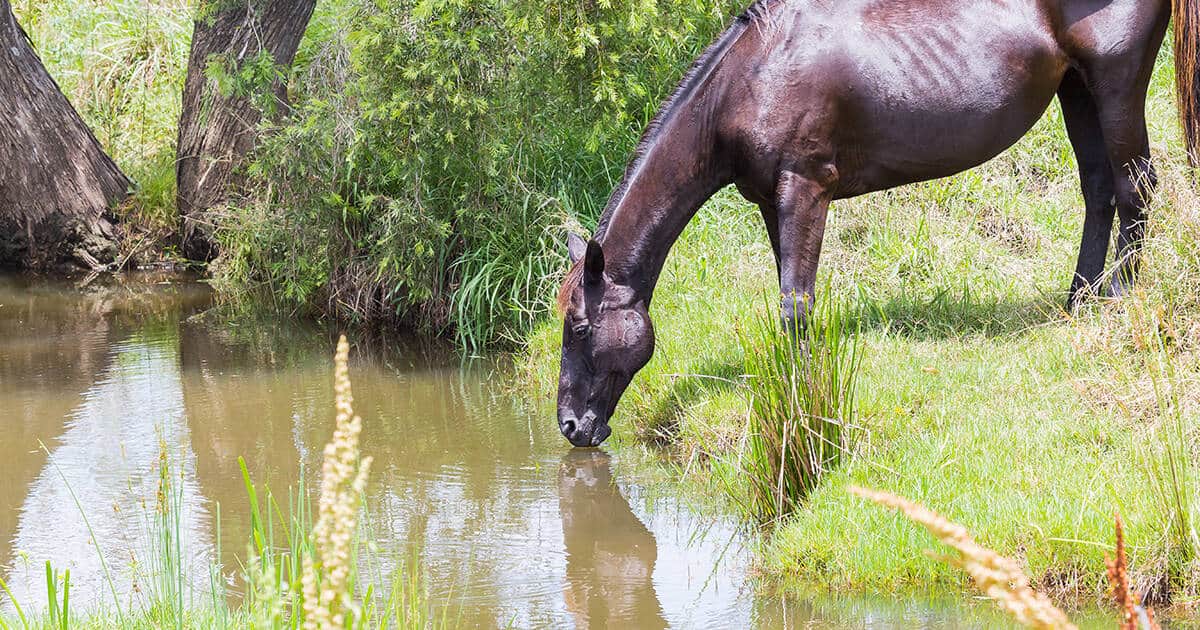
When the rain stops, traditional pasture grasses are the first to go. You're then left buying expensive hay or watching your fields turn to dust. Bermuda grass is a solid choice for southern heat because it handles dry spells without dying off, while Bahia works better if your climate is a bit cooler but still prone to summer dry patches.
Native grasses, adapted to local conditions, are often the most resilient choice. They require less water and fertilizer than introduced species, but establishing them can take time and effort. A mix of grasses is generally best, providing a more diverse and stable forage base. It’s also important to consider rotational grazing practices to prevent overgrazing and allow pastures to recover.
Water conservation is paramount. Rainwater harvesting is an excellent option, particularly in areas with seasonal rainfall. Properly sized storage tanks can provide a significant supplemental water source. Well management is also crucial – regular maintenance and monitoring water levels are essential. Efficient irrigation systems, like drip irrigation, can minimize water waste.
When pasture is scarce, alternative feed options become necessary. Hay cubes and complete feeds can provide essential nutrients without requiring grazing. However, relying solely on stored feed is expensive and unsustainable in the long term. A proactive approach to forage management, combined with water conservation strategies, is the most effective way to ensure a reliable feed supply.
- Bermuda grass stays green in heat that kills off fescue.
- Bahia Grass: Performs well in slightly cooler regions.
- Native grasses take longer to establish but handle local weather swings best.
Forage Options for Drought Resilience – A Comparative Overview (2026)
| Forage Type | Drought Tolerance | Nutritional Value for Horses | Establishment & Maintenance | Regional Suitability |
|---|---|---|---|---|
| Bermuda Grass | High – Deep Root System | Medium – Requires supplementation for high-performance horses | Medium – Requires regular fertilization and management | Southern US, Transition Zone |
| Bahia Grass | High – Very Drought Hardy | Medium – Good fiber source, lower protein than some | Low – Relatively low maintenance, adaptable to poor soils | Southeastern US, Gulf Coast |
| Orchardgrass | Medium – Requires consistent moisture, but recovers well | High – Palatable, good source of energy and fiber | Medium – Benefits from regular irrigation and fertilization | Cool-Season Grasslands, Pacific Northwest, Northeast |
| Alfalfa | Low – High water needs, susceptible to drought stress | High – Excellent protein and calcium content | High – Demanding, requires well-drained soil and consistent irrigation | Western US, Irrigated Areas |
| Native Grass Mixes | Variable – Depends on species included, can be high | Medium – Nutrient content varies by species | Low to Medium – Often requires less intervention once established | Wide Range – Dependent on local species |
| Sorghum-Sudangrass | Medium to High – Deep roots, but annual | High – Good energy and protein, especially when young | Medium – Requires good soil preparation and weed control | Warm-Season Regions, as a temporary forage |
Qualitative comparison based on the article research brief. Confirm current product details in the official docs before making implementation choices.
Where to look for resilient land
Identifying equestrian communities prepared for climate change requires looking beyond broad state-level trends. Some areas are actively investing in water infrastructure, wildfire mitigation, and sustainable land management practices. The Pacific Northwest, specifically parts of Oregon and Washington, stand out due to their relatively consistent rainfall and proactive forest management programs. However, even within these states, microclimates and local policies matter.
The Willamette Valley in Oregon, for example, benefits from abundant water resources and a strong agricultural community focused on sustainable practices. Property values are relatively high, but the long-term resilience of the region is a significant draw. Similarly, areas in Western Washington, particularly those with established water rights, offer a degree of security in the face of increasing drought concerns.
Moving eastward, parts of the Southeast, like the foothills of the Blue Ridge Mountains in North Carolina and South Carolina, receive consistent rainfall and have a milder climate. These areas are also experiencing growth in the equestrian community, with increasing demand for horse properties. However, it's important to research local flood risks and hurricane preparedness plans.
Hidden Hills in California is an interesting case. Despite the state's fire and water issues, the community is built entirely around horses. It’s expensive, but it shows that when a whole neighborhood agrees on fire-safe landscaping and shared water priorities, you can still keep horses in high-risk zones.
Property Design for Climate Resilience
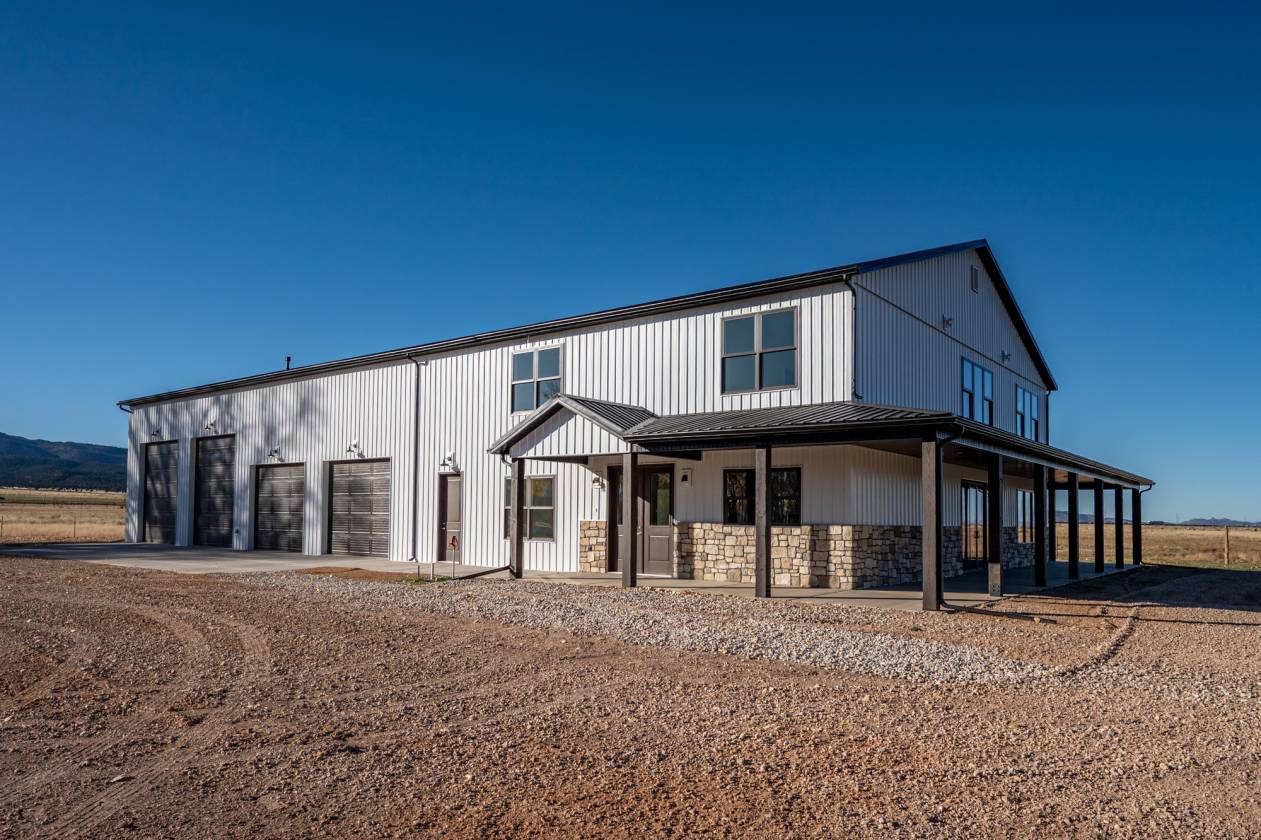
The physical design of a horse property plays a crucial role in its ability to withstand climate-related challenges. Barn construction materials are a key consideration. Traditional wood barns are vulnerable to wildfires, while steel or concrete structures offer greater fire resistance. Proper ventilation is also essential to prevent heat buildup and maintain air quality.
Pasture layout should prioritize erosion control and windbreaks. Planting trees and shrubs along property lines can help reduce wind speed and prevent soil loss. Creating swales and contouring the land can also help manage water runoff and prevent flooding. Fencing choices should prioritize durability and low maintenance. Composite fencing materials are more expensive upfront but require less upkeep than traditional wood fencing.
Shelter options beyond the barn are also important. Run-in sheds provide horses with protection from the sun, wind, and rain. Natural shade from trees is also beneficial, but it's important to ensure that trees are properly maintained to prevent falling branches. Landscaping with native, drought-tolerant plants reduces water consumption and provides habitat for wildlife.
I’ve observed that thoughtful property design can significantly reduce risk and improve sustainability. It’s an investment that pays off in the long run, not only in terms of protecting horses and property but also in terms of reducing ongoing maintenance costs and increasing property value. A well-designed property is a resilient property.
Emergency Preparedness: Beyond the Evacuation
Evacuation plans are essential, but they’re only one piece of the puzzle. A truly comprehensive emergency plan includes provisions for sheltering in place, water storage, backup power, and first aid. Having a readily accessible supply of water for horses – at least several gallons per horse per day – is critical. A generator can provide backup power for essential equipment, such as well pumps and fans.
A 'go-bag' for horses should include essential medications, first aid supplies, halters, leads, and copies of important documents (registration papers, health records). It’s also helpful to have a list of local boarding facilities and emergency contacts. Community collaboration is vital. Knowing your neighbors and having a plan to help each other can make a significant difference in an emergency.
The emotional toll of emergencies on both horses and owners is often overlooked. Having a plan for managing stress and accessing mental health support is crucial. Resources like the American Veterinary Medical Association and local equine organizations can provide guidance and support. It’s important to remember that seeking help is a sign of strength, not weakness.
Preparing for the unexpected is never easy, but it’s a necessary part of responsible horse ownership. A well-thought-out emergency plan provides peace of mind and increases the chances of a positive outcome in a crisis.
Insurance and the bottom line
The cost of insurance in high-risk areas is rising, and it’s becoming increasingly difficult to obtain coverage for properties in areas prone to wildfires or flooding. Mitigating these costs requires proactive risk management. This includes implementing fire prevention measures (clearing brush, maintaining defensible space) and flood control measures (elevating structures, improving drainage).
Exploring potential tax incentives for implementing sustainable practices is also worthwhile. Some states offer tax credits for water conservation measures or renewable energy installations. It’s important to consult with a tax professional to determine eligibility. Investing in climate-resilient features can increase the long-term value of a property.
Properties designed to withstand climate-related challenges are likely to be more attractive to buyers in the future. Features like fire-resistant construction, water conservation systems, and drought-tolerant landscaping can add significant value. However, it’s important to avoid overspending on features that don’t provide a reasonable return on investment.
I’m not a financial advisor, so this information should not be considered financial advice. It’s essential to do your own research and consult with qualified professionals before making any financial decisions. Resources like the USDA and local lenders can provide information on financing options for sustainable agriculture and rural development.
No comments yet. Be the first to share your thoughts!