
Horse Property: A 2026 Investment Outlook
The horse property market is currently showing signs of stabilization after the rapid appreciation seen in 2021 and 2022. We're shifting towards a more balanced market, though it’s still leaning slightly in favor of sellers in many desirable locations. Prices aren’t plummeting, but the frenzied bidding wars are becoming less common. This is a good opportunity for buyers who have been waiting for conditions to cool.
Several factors are at play. The broader economic climate – interest rates, inflation, and overall economic growth – significantly impacts real estate. Higher interest rates make financing more expensive, which can dampen demand. However, the enduring appeal of the equestrian lifestyle and the continued desire for more space are supporting prices. The remote work trend, while moderating, still allows more people to live further from urban centers, increasing demand in rural areas with horse properties.
Looking ahead to 2026, I expect continued, moderate growth in select markets. The key will be finding areas that offer both lifestyle benefits and sound investment potential. Properties with good infrastructure, water access, and favorable zoning are likely to hold their value best. It's not a time for speculation, but for careful, considered purchases.
Demand isn’t uniform. Horse properties in areas with strong equestrian traditions and access to events consistently outperform the market. While larger, luxury estates often grab headlines, there’s also a strong demand for smaller, more affordable horse properties – particularly for recreational riders and families.
Hot Markets: States to Watch
Several states are currently experiencing notable growth in horse property values. South Carolina is proving to be particularly strong, with areas like Camden in Kershaw County seeing consistent demand, as evidenced by properties like 'ONE OF A KIND HORSE FARM' listed for $1,800,000 on horseproperties.net. The state’s mild climate, growing equestrian community, and relatively affordable land prices are major draws.
North Carolina is another state to watch, especially in the Piedmont region. Randleman, in Randolph County, features properties like a 'Farm Oasis' currently priced at $615,000. The state benefits from proximity to major metropolitan areas, a thriving agricultural sector, and increasing numbers of people seeking a rural lifestyle. The equestrian scene is developing rapidly, with more events and facilities popping up.
Texas continues to be a robust market, although prices are generally higher than in the Carolinas. The demand is driven by a strong economy, a large horse population, and a well-established equestrian culture. Areas outside the major cities, like those north of Austin, are seeing particularly strong growth. However, water rights are a critical consideration in many parts of Texas.
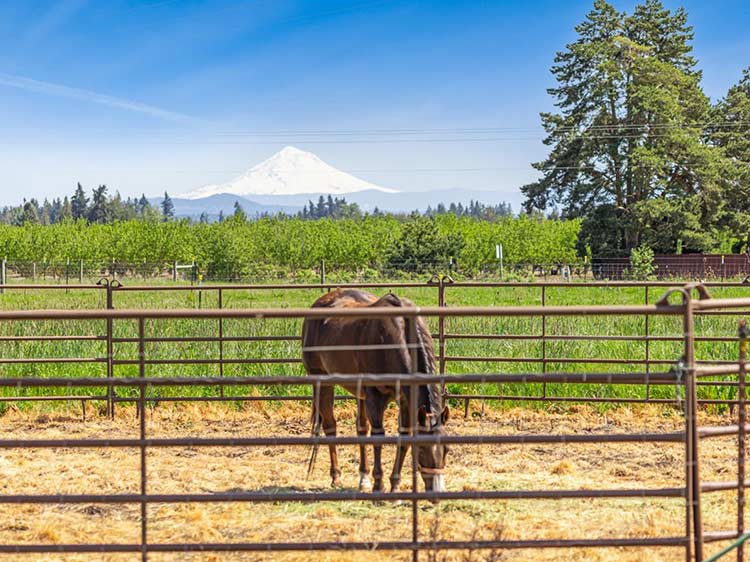
Washington State, particularly west of the Cascades, is a surprisingly strong market. Jackandnancy.com highlights the demand in the region, catering to buyers seeking properties with acreage and privacy. The appeal lies in the beautiful scenery, access to trails, and a growing interest in outdoor recreation. Be prepared for higher prices, however, and stricter zoning regulations.
Finally, Florida remains a consistent performer, particularly in the Ocala area, known as the 'Horse Capital of the World.' While prices are high, the demand from both national and international buyers continues to support the market. The state’s year-round riding weather and extensive equestrian infrastructure are significant advantages.
Equestrian Communities: Beyond the Property
The value of a horse property extends far beyond the land and buildings. A strong equestrian community can significantly enhance your lifestyle and protect your investment. Proximity to established equestrian events – horse shows, rodeos, dressage competitions, and trail riding areas – is a major plus. These events not only provide opportunities for recreation but also drive local economic activity and support the equestrian industry.
Towns and cities with a strong horse culture are incredibly appealing. Look for areas with active equestrian clubs, well-maintained trails, and a supportive network of horse professionals – veterinarians, farriers, trainers, and saddle makers. These communities often host clinics, workshops, and social events that foster a sense of camaraderie.
Ocala, Florida, is a prime example of a town that has embraced its equestrian identity. The city actively attracts equestrian residents and businesses, investing in infrastructure and events that support the industry. Similarly, Aiken, South Carolina, has a long and storied history as a winter training ground for thoroughbreds, creating a vibrant equestrian scene.
Don't underestimate the importance of local services. Access to quality veterinary care, experienced farriers, and reliable hay and feed suppliers is essential. A community that understands and supports the needs of horse owners is a valuable asset. It’s also worth investigating the presence of equine rescue organizations and veterinary teaching hospitals – these often indicate a strong equestrian base.
- Ocala, Florida: Known as the 'Horse Capital of the World,' with extensive equestrian infrastructure.
- Aiken, South Carolina: Historic winter training ground for thoroughbreds, vibrant equestrian scene.
- Tryon, North Carolina: Home to the Tryon International Equestrian Center, a world-class facility.
- Lexington, Kentucky: The heart of thoroughbred country, with numerous horse farms and breeding operations.
Equestrian Community Features
- Trail Access - Proximity to extensive trail systems, like those maintained by the Back Country Horsemen of America, is a significant property value booster.
- Veterinary Services - Access to equine veterinarians offering both routine care and emergency services, such as those found through the American Association of Equine Practitioners (AAEP) member directory.
- Feed & Supply Stores - Convenient access to reputable feed stores carrying a variety of options, including Purina and Nutrena feeds, and tack shops.
- Farrier Services - Reliable and skilled farriers are essential; look for communities with multiple certified farriers available, often listed through the American Farrier’s Association.
- Equestrian Events - Communities hosting recognized events like those sanctioned by the United States Equestrian Federation (USEF) demonstrate a strong equestrian culture.
- Horse Clubs & Associations - Active local horse clubs, such as those affiliated with breed registries like the American Quarter Horse Association (AQHA), foster community and shared resources.
- Hay Availability - Reliable sources of quality hay are critical. Proximity to hay farms or established hay suppliers is a major benefit.
Tech-Enabled Equestrian Living
Technology is gradually transforming horse property management and enhancing the equestrian lifestyle. Smart barn systems are becoming increasingly popular, offering features like automatic feeders and waterers, remote climate control, and security monitoring. These systems can save time, reduce labor costs, and improve horse welfare.
Security systems with remote monitoring are another important innovation. Cameras, motion sensors, and alarm systems can provide peace of mind, especially for properties in remote areas. Virtual fencing, while still relatively new, offers a potentially less intrusive alternative to traditional fencing, using GPS technology to create invisible boundaries.
Apps for managing horse health records are also gaining traction. These apps allow owners to track vaccinations, deworming schedules, veterinary visits, and other important health information. Some apps even integrate with wearable sensors that monitor a horse’s activity level and vital signs.
However, it's important to be realistic about the limitations of these technologies. Many smart barn systems are still expensive and require significant upfront investment. Virtual fencing is not suitable for all horses or all types of terrain. And the reliability of any technology depends on a stable internet connection and regular maintenance.
Financing Your Dream Horse Property
Financing a horse property is different than financing a standard residential property. Traditional mortgages are often available, but lenders may require a larger down payment and may scrutinize the property’s income-generating potential more closely. Farm loans, offered by the USDA and Farm Credit, are specifically designed for agricultural properties and may offer more favorable terms.
Specialized equestrian lenders also exist, understanding the unique needs of horse owners. These lenders are often more willing to finance properties with acreage, outbuildings, and other features that may not be valued by traditional lenders. It’s wise to shop around and compare rates and terms from multiple lenders.
The appraisal process for horse properties can be complex. Appraisers will consider the acreage, the quality of the land, the condition of the outbuildings (barns, arenas, stables), and the availability of water rights. They may also consider the potential income-generating capacity of the property, such as boarding or lessons.
There are potential tax benefits associated with owning horse property, particularly if it is used for commercial purposes. Consult with a tax advisor to understand your options. If you plan to use the property for boarding, breeding, or training, a solid business plan is essential for securing financing and maximizing tax benefits.
Land Considerations: Water, Zoning, and Access
Water rights are paramount when considering a horse property. Ensure the property has access to a reliable water source, whether it’s a well, a spring, or a municipal water supply. In arid regions, water rights can be a significant expense and a potential limitation. Investigate the history of water usage on the property and any existing restrictions.
Zoning regulations are another critical consideration. Verify that the property is zoned for agricultural use and that horses are permitted. Check for any restrictions on the number of horses allowed, the size of outbuildings, or the types of equestrian activities permitted. Contact the local planning department to obtain accurate information.
Access to trails, roads, and emergency services is essential. Consider the proximity to riding trails, the quality of the roads leading to the property, and the response time of emergency services. A remote location may offer privacy but could also pose challenges in case of an emergency.
Be aware of potential red flags, such as flood zones, environmental concerns (e.g., wetlands, contaminated soil), and easements. A thorough property inspection and title search are crucial to identify any hidden issues. Engage a qualified surveyor and a real estate attorney specializing in agricultural properties.
Essential Property Upgrades: ROI Focus
When considering upgrades to a horse property, focus on improvements that offer the best return on investment. New fencing is almost always a good investment, enhancing safety and aesthetics. Barn renovations, such as replacing damaged roofing or siding, can significantly improve the property’s value.
Constructing an arena – whether it’s a simple round pen or a full-sized dressage arena – can add substantial value, particularly in areas with limited equestrian facilities. Upgrading the well or adding a backup water source can also be a wise investment, ensuring a reliable water supply.
Updating electrical systems to accommodate the demands of modern equestrian equipment is essential. A well-maintained electrical system is also a safety requirement. Avoid overspending on purely cosmetic upgrades, such as elaborate landscaping or high-end finishes, as these may not appeal to all buyers.
Rough cost estimates for common upgrades include: new fencing ($5-$15 per foot), barn renovations ($20-$50 per square foot), arena construction ($10-$30 per square foot), and well upgrades ($5,000-$20,000). Potential ROI will vary depending on the location and the overall market conditions.
- New Fencing: Enhances safety and aesthetics.
- Barn Renovations: Improves property value and functionality.
- Arena Construction: Adds value in areas with limited facilities.
- Well Upgrades: Ensures a reliable water supply.
Essential Tools for Your Smart Horse Property Investment
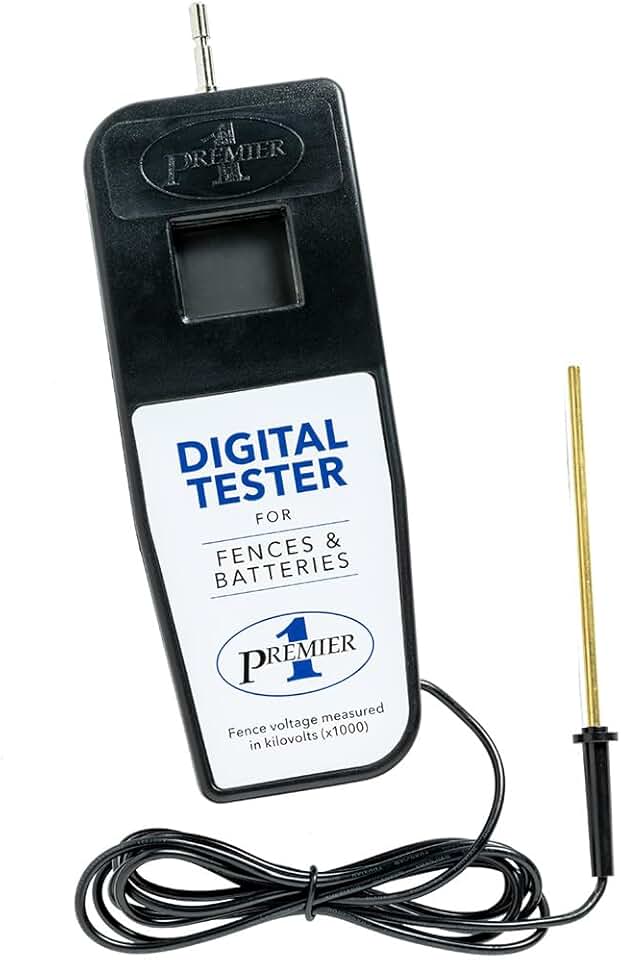
Tests both electric fence voltage and 12V battery power · Digital display for precise readings · Durable construction for outdoor use
Ensures your fencing is functioning optimally, a critical component for property security and animal containment.
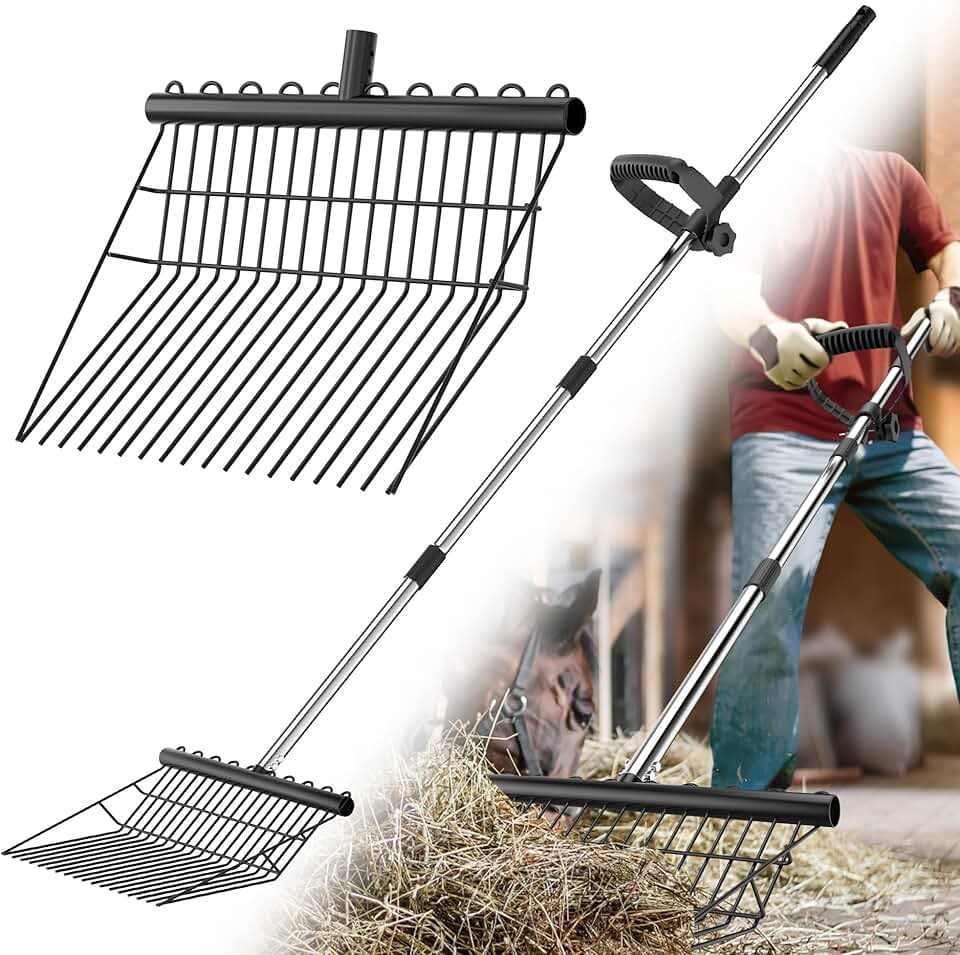
Includes two durable replacement fork heads · Rustproof heavy-duty steel handle · Designed for efficient manure removal from horse stalls
Maintains a clean and hygienic environment, which is essential for animal health and property appeal.

150-gallon capacity structural foam tank · Heavy-duty design for livestock, pets, or water features · Versatile for feed, water, or even as a small pool
Provides essential water access for livestock and offers versatile utility for various property needs, enhancing its functionality.

Blood coagulant powder for wound care · Effective on proud flesh and granulated tissue · Suitable for horses and show stock
Addresses minor injuries promptly, helping to maintain the health and appearance of livestock, which contributes to property value.

Comprehensive 7-piece grooming set · Includes essential tools like brushes, comb, hoof pick, and sweat scraper · Comes with a convenient organizer tote bag
Facilitates regular grooming, keeping animals healthy and presentable, and demonstrating a commitment to animal welfare on the property.
As an Amazon Associate I earn from qualifying purchases. Prices may vary.
Legal Protections and Future-Proofing
Liability insurance is essential for any horse property owner. Standard homeowner’s insurance typically does not cover equine-related activities. Obtain a specialized equestrian liability policy that protects you from claims arising from injuries to riders, handlers, or visitors.
Equine activity liability acts vary by state, offering some protection to horse owners from lawsuits. Understand the laws in your state and ensure your waivers and releases are compliant. Clear contracts and waivers are crucial for boarding, lessons, and trail rides, outlining the risks involved and releasing you from liability.
Consider the potential impact of future development on your equestrian property. Zoning changes or the construction of nearby roads or subdivisions could affect your access to trails or your property’s value. Stay informed about local planning initiatives and advocate for the preservation of equestrian interests.
Work with a real estate attorney specializing in agricultural properties to ensure a smooth and legally sound transaction. They can review the purchase agreement, title report, and any other relevant documents, protecting your investment and minimizing your risk.


No comments yet. Be the first to share your thoughts!