
Beyond the Barn: Uncovering America’s Best Equestrian Havens
The desire to live alongside horses isn’t just a romantic ideal anymore; it’s a lifestyle choice increasingly driven by practical considerations. A shift towards remote work allows more people the flexibility to relocate, and many are prioritizing outdoor living and a strong sense of community. This has fueled a growing interest in horse-friendly cities across the United States.
What defines a truly "horse-friendly’ city goes beyond just having open space. It"s about a comprehensive ecosystem that supports both horse and owner. Access to well-maintained trails is paramount, but so is the availability of qualified veterinary care, reliable feed and tack suppliers, and quality boarding options. A supportive equestrian community—one where knowledge is shared and friendships are forged—is often the deciding factor.
The demand is real. People aren't just looking for a place to keep their horses; they want to integrate them into their daily lives. They want to be able to ride before work, participate in local shows, and connect with others who share their passion. This piece explores ten cities that are currently thriving as equestrian hubs, offering a range of options for different lifestyles and budgets.
Finding the right fit isn’t about chasing the most famous "horse capital’—it"s about identifying the environment that best suits your individual needs. We look at established destinations and up-and-coming communities, considering factors like climate, cost of living, and the types of equestrian disciplines that are most popular in each area.
Ocala, Florida: The Undisputed Horse Capital
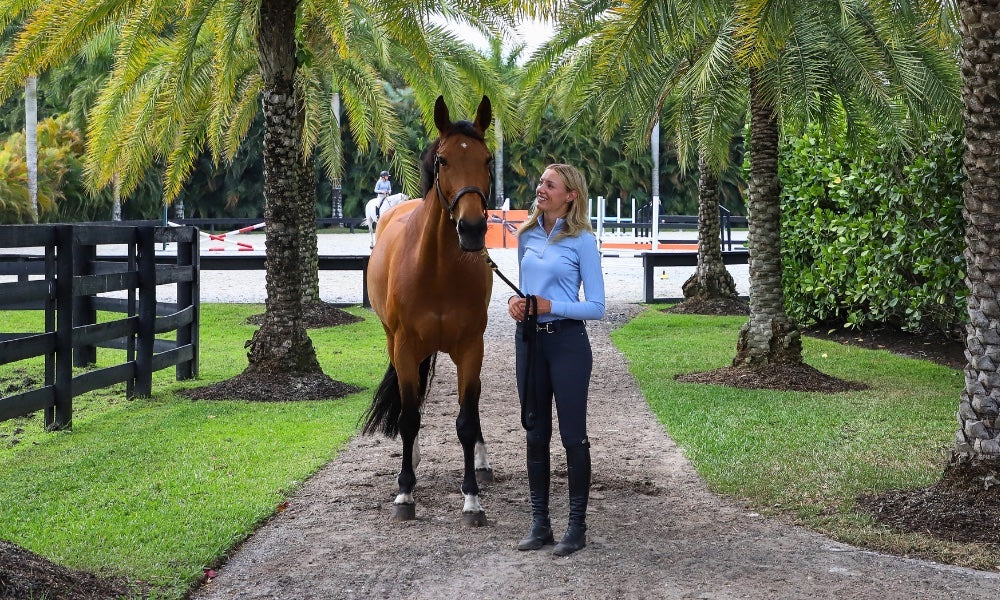
Ocala, Florida, consistently earns the title of “Horse Capital of the World,” and for good reason. The sheer concentration of equines in Marion County is staggering—over 80,260 horses share the area with a population of roughly 360,000 people. That’s a significant ratio, and it speaks to the deep-rooted equestrian culture that permeates the region.
Beyond the numbers, Ocala's appeal lies in its year-round riding climate. Unlike many parts of the country, Florida doesn’t experience harsh winters, allowing riders to enjoy their horses throughout the entire year. This consistently mild weather is a huge draw for both amateur and professional equestrians, especially those involved in disciplines like dressage, show jumping, and eventing.
The economic impact of the equestrian industry on Ocala is substantial. According to Marion County’s own estimates, the horse industry generates over $2.3 billion annually and supports more than 20,000 jobs. This economic engine has led to significant investment in equestrian infrastructure, including the state-of-the-art World Equestrian Center – Ocala.
The World Equestrian Center – Ocala is a game-changer. Its sprawling complex features multiple arenas, stabling for thousands of horses, and a variety of amenities for both riders and spectators. It’s become a major hub for competitions, clinics, and events, attracting top athletes from around the globe. It’s also worth noting that while property values are rising, Ocala remains relatively affordable compared to other equestrian hotspots like Wellington or Woodside.
Ocala isn’t just about high-level competition, though. It is also a welcoming community for everyday horse owners. There’s a wide range of boarding facilities available, from basic self-care options to full-service training stables. The area also has a network of well-maintained trails for trail riding enthusiasts. Polo is also a massive draw, with numerous clubs and fields in the surrounding area.
I've personally spoken with several trainers who moved to Ocala specifically for the year-round riding and the opportunities the WEC provides. They highlight the collaborative atmosphere and the constant stream of clinics and competitions as major benefits.
Lexington, Kentucky: Tradition and the Bluegrass Spirit
Lexington, Kentucky, is Ocala’s primary competitor for the title of “Horse Capital of the World,” and it’s a rivalry rooted in history and tradition. Located in the heart of the Bluegrass region, Lexington embodies the quintessential image of horse country – rolling green hills, whitewashed fences, and majestic thoroughbreds.
The unique soil and climate of the Bluegrass region are legendary for their ability to produce exceptional horses. The limestone-rich soil is ideal for growing the lush grasses that nourish these animals, and the moderate temperatures and ample rainfall create a favorable environment for breeding and raising them. This has made Lexington a global center for Thoroughbred breeding for generations.
The Kentucky Horse Park is a cornerstone of Lexington’s equestrian identity. This 1,200-acre park celebrates the history and heritage of the horse, offering a variety of attractions, including museums, working horse farms, and competition venues. It's also a major educational resource, providing visitors with insights into the world of horses.
What sets Lexington apart is its strong sense of tradition. Horse farming isn’t just an industry here; it’s a way of life. Families have been breeding and raising horses for centuries, passing down their knowledge and expertise from generation to generation. This creates a unique sense of community and a deep respect for the horse.
The Thoroughbred industry dominates the equestrian landscape in Lexington, but there’s also a thriving community of other disciplines, including hunter/jumper, dressage, and eventing. The city hosts numerous horse shows and competitions throughout the year, attracting riders from across the country. I think the history is what really draws people to Lexington – it’s a place where you can feel connected to the roots of American horsemanship.
The Sunshine State Strikes Again: Wellington and its Equestrian Appeal
Wellington, Florida, is another major player in the equestrian world, but it offers a distinctly different experience than Ocala. While Ocala is more diverse in its equestrian disciplines, Wellington is primarily known as the winter home of high-end show jumping and polo. The Winter Equestrian Festival (WEF), held annually from January to April, is the largest equestrian sporting event in the world.
WEF draws international riders, trainers, and spectators to Wellington, transforming the town into a bustling hub of equestrian activity. The festival features twelve weeks of competition, with prize money totaling millions of dollars. It's a glamorous and competitive environment, attracting the best in the sport.
However, this exclusivity comes at a price. The cost of living in Wellington is significantly higher than in Ocala or Lexington. Property values are among the highest in the state, and boarding, training, and veterinary care are also expensive. It’s a destination for those who can afford to invest heavily in their equestrian pursuits.
The types of properties available in Wellington reflect its upscale atmosphere. Expect to find luxurious estates with state-of-the-art equestrian facilities, including multiple barns, arenas, and paddocks. The town also offers a variety of high-end amenities, such as fine dining, shopping, and golf courses. It's not a place for a casual horse owner; it’s a destination for serious competitors and those who appreciate a refined lifestyle.
Essential Gear for Thriving Equestrian Lifestyles
Absorbine UltraShield EX Insecticide and Repellent
- Repels and kills flies, ticks, mosquitoes, and gnats
- Contains sunscreen to protect against UV rays
- Waterproof and sweat-resistant formula
This powerful fly spray offers long-lasting protection, ensuring your horse remains comfortable and pest-free during outdoor activities.
View on Amazon →Absorbine ShowSheen Finishing Spray
- Detangles manes and tails
- Adds a high-gloss shine
- Repels dust and reduces static
Achieve a polished, show-ready look with this spray that not only enhances your horse's coat but also makes grooming easier.
View on Amazon →Manna Pro Select Horse Treats
- Made with wholesome ingredients
- Delicious flavor horses love
- Fortified with vitamins and minerals
These tasty and nutritious treats are perfect for rewarding your horse, strengthening your bond and aiding in training.
View on Amazon →Weaver Leather Stall Guard
- Durable construction for safety
- Adjustable for a secure fit
- Easy to install and remove
This stall guard provides a safe and secure barrier for your horse's stall, offering peace of mind whether at home or traveling.
View on Amazon →As an Amazon Associate I earn from qualifying purchases.
West Coast Wonders: Woodside, California and the Golden State’s Equestrian Life
Shifting to the West Coast, Woodside, California, stands out as a premier equestrian destination. Located in the heart of Silicon Valley, Woodside offers a unique blend of rural charm and modern convenience. The town is nestled in the foothills of the Santa Cruz Mountains, providing access to miles of scenic riding trails.
The California climate is a major draw for horse owners. The mild winters and warm summers allow for year-round riding, and the abundance of sunshine is a welcome change for those escaping colder climates. The landscape is also stunning, with redwood forests, rolling hills, and breathtaking coastal views.
Woodside boasts a strong equestrian community, with a variety of disciplines represented, including hunter/jumper, dressage, and western riding. The area is home to numerous horse farms and training facilities, as well as a network of riding clubs and organizations. It's a tight-knit community where horse people support each other.
As you might expect in Silicon Valley, the cost of living in Woodside is extremely high. Property values are among the highest in the country, and boarding, training, and veterinary care are also expensive. It’s a destination for affluent equestrians who are willing to pay a premium for the lifestyle. Other horse-friendly areas in California, like Paso Robles, offer more affordable options, but Woodside remains the gold standard.
Historic Charm and Equestrian Roots: Middleburg, Virginia and Aiken, South Carolina
Middleburg, Virginia, and Aiken, South Carolina, share a similar appeal—they are both historic towns with deep equestrian traditions. Middleburg is located in the heart of Virginia’s hunt country, and it’s renowned for its foxhunting scene. Aiken, on the other hand, is known for its eventing community and its mild climate.
Middleburg’s rolling hills and open fields are ideal for foxhunting, and the town is home to several established hunt clubs. The area also offers a variety of other equestrian activities, including trail riding, polo, and horse shows. It's a community that values tradition and horsemanship.
Aiken’s mild climate and sandy soil make it a popular destination for eventing. The town hosts numerous horse trials throughout the year, attracting riders from across the country. It also has a rich history as a winter training ground for Thoroughbreds. The Hitchcock Woods, a 7,300-acre forest, provides miles of bridle paths for riders to explore.
Both towns offer a charming and relaxed atmosphere, with a strong sense of community. Property values are generally more affordable than in Ocala, Lexington, or Wellington, but they are still relatively high. Veterinary care and other equestrian services are readily available in both areas. I've heard from several people that Aiken feels like stepping back in time – in the best possible way.
Up-and-Coming Equestrian Destinations: Southern Pines and Saratoga Springs
Southern Pines, North Carolina, and Saratoga Springs, New York, are gaining traction as equestrian destinations. Southern Pines benefits from more affordable land prices compared to established hubs, making it attractive to those looking to establish farms or simply enjoy horse ownership without breaking the bank. The area has a growing equestrian community focusing on hunter/jumpers and eventing.
Saratoga Springs, New York, offers a different advantage – accessibility. Located within driving distance of major northeastern cities, it’s a convenient option for equestrians who want to combine their passion for horses with a vibrant cultural scene. The Saratoga Race Course is a major draw, and the area offers a variety of equestrian events and activities.
Both towns are investing in equestrian infrastructure. Southern Pines has seen an increase in the number of boarding facilities and training stables, while Saratoga Springs is working to improve its trail network and equestrian facilities. The community feel in both locations is welcoming and supportive.
Recent developments in Southern Pines include the expansion of equine veterinary clinics and the creation of new equestrian-focused businesses. Saratoga Springs has benefited from increased tourism related to equestrian events, boosting the local economy. These towns represent a growing trend—equestrians seeking alternatives to the established hotspots.
Which of these top horse-friendly cities is most appealing to you as an equestrian destination?
From the rolling bluegrass of Kentucky to the sunny pastures of Florida, the United States offers incredible equestrian communities for riders and horse owners alike. Based on our 2024 rankings, we want to hear from you. Vote for the horse-friendly city that appeals to you most, and share your reasoning in the comments below!
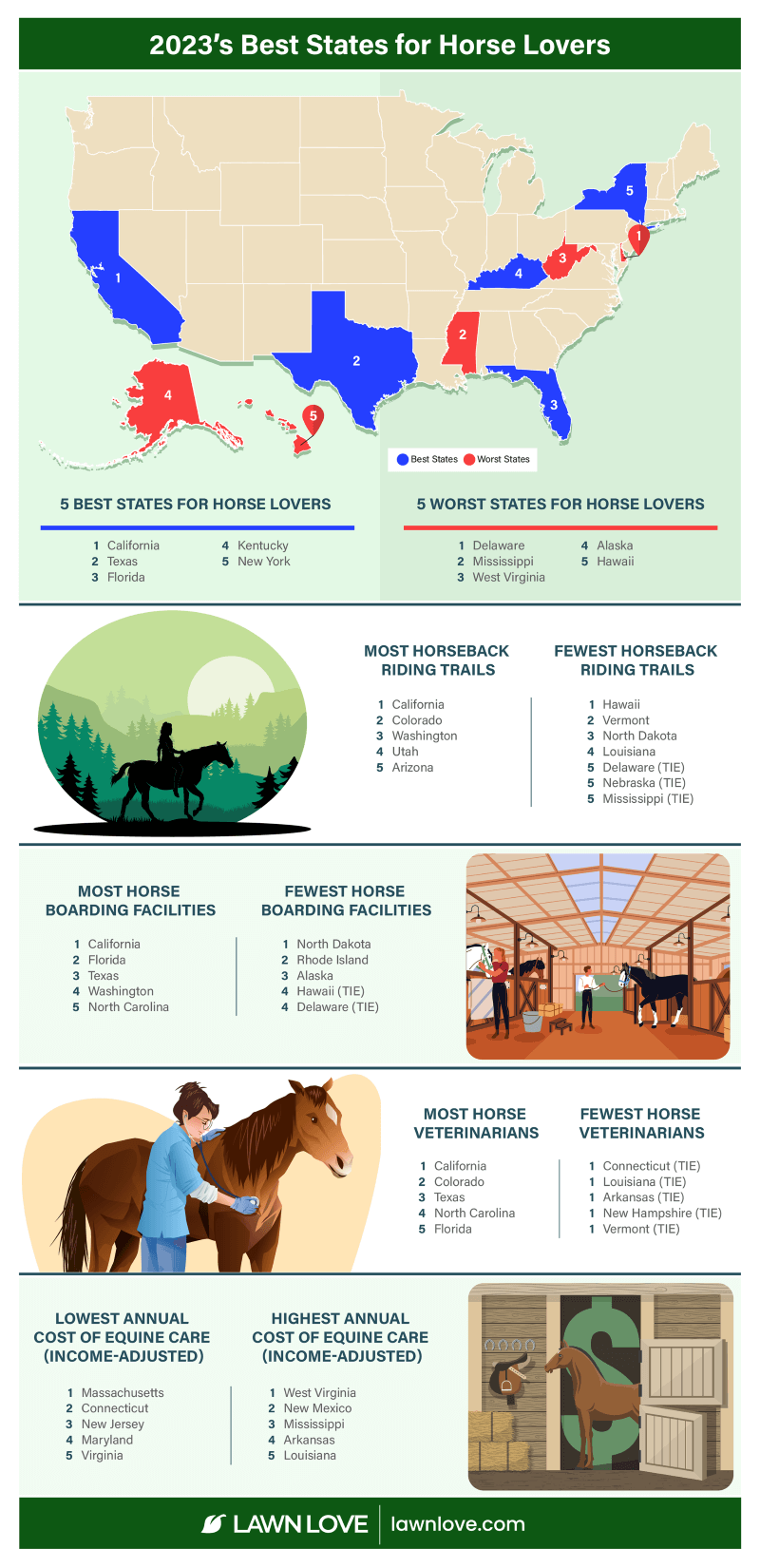
Finding Your Perfect Fit: A Comparison Checklist
Choosing the right horse-friendly city is a personal decision. There’s no one-size-fits-all answer. To help you narrow down your options, consider these key factors:
Cost of Living: This includes property values, boarding costs, veterinary care, and everyday expenses. Be realistic about your budget.
Climate: Do you prefer warm winters or four distinct seasons? Consider how the climate will impact your riding schedule and your horse’s health.
Access to Trails: If trail riding is a priority, research the availability of well-maintained trails in the area.
Veterinary Care: Ensure there are qualified equine veterinarians nearby who can provide comprehensive care for your horse.
Boarding Facilities: If you don’t have your own property, explore the boarding options available and choose a facility that meets your needs.
Community: Look for a town with a supportive equestrian community where you can connect with other horse lovers.
Ultimately, the best horse-friendly city for you will depend on your individual priorities and lifestyle. Take the time to research your options and visit potential destinations before making a decision. It's about finding a place where you and your horse can thrive.
- Cost of Living
- Climate
- Access to Trails
- Veterinary Care
- Boarding Facilities
- Community
No comments yet. Be the first to share your thoughts!